The Role of Color and Light in Space Optimization for Minimalist Interiors
The Role of Color in Minimalist Interiors
The potential of color in minimalist interiors extends beyond mere decoration; it is a vital ingredient that can redefine the emotional tone of a space. Color choices are pivotal in setting an atmosphere, where soft hues like pastels or muted shades can evoke a sense of serenity and relaxation. For instance, a living room adorned with soft blue walls not only creates an inviting ambiance but also promotes tranquility, making it a perfect retreat after a hectic day. In contrast, bold colors such as deep reds or vibrant yellows can energize a room, stimulating creativity and conversation, making them ideal for spaces like home offices or vibrant entertainment areas.
Natural Light: Embracing the Sun
Natural light serves as one of the most critical elements in the realm of design, especially within minimalist aesthetics. Maximizing daylight through large windows or strategically placed mirrors can significantly enhance the feeling of openness in a room. For example, a small apartment with an east-facing window can benefit from carefully chosen sheer curtains that allow bright morning light to flood the space, creating an airy, spacious atmosphere. Additionally, the play of light throughout the day adds dynamic character to the decor, as sunlight changes the perception of color and depth in various rooms.
Artificial Lighting: Creating Layered Effects
Artificial lighting plays an essential role in complementing both natural light and color choices. A layered approach to lighting, which includes ambient, task, and accent lighting, can add depth and warmth to minimalist interiors. For instance, recessed lighting provides a clean, modern look while table lamps can introduce warmth and a sense of coziness. This combination allows for flexibility in mood, making it easy to transform a space from bright and inviting during the day to warm and intimate at night. Imagine hosting a dinner party where a combination of pendant lights and gentle wall lighting can create an enchanting atmosphere conducive to conversation and enjoyment.
Delving into the principles of color theory and the behavior of light is essential for those looking to enhance minimalist design. Subtle shifts in color palette or alterations in lighting scheme can yield profound effects on how a space functions and feels. By thoughtfully manipulating these elements, homeowners can craft spaces that feel both expansive and welcoming, providing endless possibilities for creating a balanced and inviting environment.
As we explore the intersection of color and light further, it’s clear that understanding how to effectively harness these design components can open up a world of creativity. Whether digging deeper into the psychology of colors or experimenting with the latest lighting technologies, the journey to achieving the ideal minimalist interior is a compelling exploration worth embarking upon.
DISCOVER: Click here for unique space transformation ideas
Understanding Color Theory in Minimalist Design
In the world of minimalist interiors, the understanding of color theory is paramount. This involves more than just selecting an appealing palette; it encompasses the psychological and emotional impacts colors have on inhabitants as well as their interaction with light. For instance, research has shown that cooler colors, such as blues and greens, tend to recede in space and can make a room feel larger. Conversely, warmer colors, like reds and yellows, can create a more intimate environment, drawing the eye inward. Recognizing these principles allows designers to not only choose colors that are aesthetically pleasing but also conducive to creating the desired atmosphere.
Moreover, the effects of color can vary significantly based on lighting conditions. Natural light can morph the appearance of any color, lending it different moods depending on the time of day. This transformation is particularly important in homes with large windows or skylights where light changes can make the same color evoke different emotions at different times. To effectively employ color in minimalist designs, consider these strategies:
- Select a cohesive palette: Choose a limited color scheme that harmonizes effectively. This would typically include neutral tones as a base, accented by a few choice highlights.
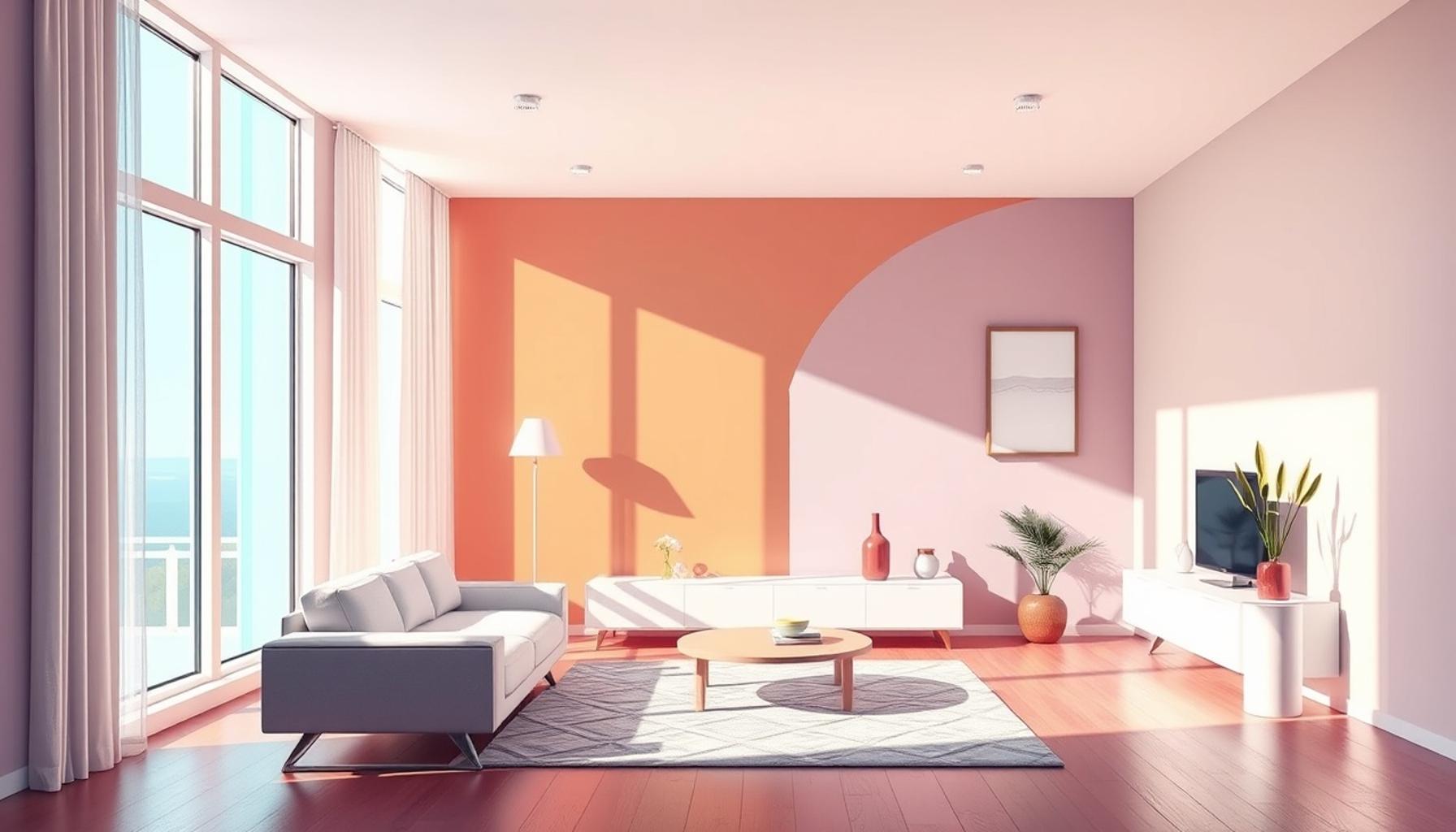
- Utilize color strategically: Consider where color will have the most impact. For example, a vibrant accent wall or a striking piece of furniture can serve as a focal point that enhances both style and space optimization.
- Play with color saturation: Lighter shades can help elevate ceilings visually, while deeper hues can anchor a room, giving it a sense of security within the minimalist aesthetic.
The Impact of Light on Color Perception
Lighting, both natural and artificial, has a significant influence on how color is perceived in a space. Natural light often changes throughout the day, meaning that colors must be chosen with mindfulness of this dynamic. Early morning and late afternoon light can cast warm, golden tones, whereas midday light can be cooler and more neutral. To take advantage of this, consider incorporating with a variety of light sources:
- Daylight from windows: Maximize the amount of natural light possible to ensure the selectedColor schemes are fully appreciated throughout the day.
- Layered artificial lighting: Use a combination of ambient, task, and accent lighting to add depth and enhance the colors of minimalist interiors.
- Color temperature of bulbs: Choosing bulbs with appropriate color temperatures can also affect how colors appear. Warmer bulbs can enhance yellows and reds, while cooler bulbs can highlight blues and greens.
Being mindful of how light interacts with color is essential for achieving a harmonious, minimalist lifestyle. When thoughtfully integrated, these elements not only complement each other but also contribute to a seamless flow throughout a home, emphasizing space optimization. As homeowners continue to seek ways to embrace simplicity and functionality, understanding the role of color and light becomes increasingly vital.
| Advantages | Details |
|---|---|
| Enhanced Perception of Space | Utilizing light tones in minimalist interiors can create an illusion of larger spaces, making rooms feel more open and airy. |
| Mood Enhancement | The strategic use of color can influence emotions; for instance, warm colors such as yellows and oranges can evoke feelings of warmth and coziness, while cooler tones promote calm. |
| Natural Light Maximization | Incorporating reflective surfaces and light-colored furniture supports the optimization of natural light, enhancing overall brightness in minimalist designs. |
| Design Cohesion | A well-planned color palette ensures harmony among various design elements, promoting a peaceful and unified aesthetic. |
In the realm of minimalist interiors, the careful selection and implementation of both color and light serve as essential tools for space optimization. The interplay between these elements not only enhances aesthetic appeal but also greatly influences the functionality of the area. By harnessing the effects of natural light combined with a strategic palette, homeowners can create environments that are not only visually pleasing but also psychologically uplifting. Exploring innovative methods of color application and the use of lighting can substantially transform living spaces, turning them into serene havens that reflect personal style while maximizing every square foot. As the design world continues to evolve, understanding the profound impact of color and light remains vital for those looking to achieve the ultimate minimalist sanctuary.
DISCOVER MORE: Click here for creative space solutions
Creating Depth and Dimension with Color and Light
In minimalism, where less is more, the strategic use of color and light can achieve a surprising depth and dimension to a space. Unlike traditional design that may focus on ornate decor and heavy embellishments, minimalist interiors thrive on simplicity. By leveraging color in relation to light, one can create visual interest while still maintaining an uncluttered aesthetic.
For instance, consider the importance of contrast within minimalist spaces. Utilizing opposing colors can create visual focal points that draw attention without overwhelming the senses. For example, a stark white room punctuated by a single deep navy blue piece of furniture can create a sophisticated, yet inviting atmosphere. This contrast not only allows the eye to travel across the space but also effectively communicates zones or functions within an open-plan layout.
Another compelling technique involves the use of gradiation and ombre effects. Subtle transitions between colors can guide the viewer’s eye in a fluid motion, enhancing the perception of space. Using gradient walls—where a soft hue at the bottom gently transitions to a more potent shade at the top—can visually raise ceilings and elongate walls. This technique can be particularly effective in smaller rooms, giving an illusion of height and spaciousness.
Reflective Surfaces and Their Impact on Light
One cannot overlook the role of reflective surfaces in the interplay of color and light. Mirrors, glass, and even polished wood can amplify not only natural light but also the colors radiating in the environment. A well-placed mirror can effectively double the perceived space in a minimalist interior, reflecting light and hues to create an airy, open feeling.
Additionally, employing textured materials in conjunction with colors can enhance the way light interacts within a room. For instance, a soft linen fabric in a pale shade will take on a warm glow when hit by sunlight, resulting in a soft, inviting aura. Conversely, smooth, high-gloss surfaces can produce sharp, clear reflections that add a contemporary edge to minimalist designs. By diversifying the materials while adhering to a cohesive color palette, designers can achieve a multi-dimensional effect that is both subtle and striking.
- Layering textures: Combine different materials such as matte finishes with glossy ones to create interest while still sticking to a light color scheme.
- Innovative lighting solutions: Consider options like LED strips to wash walls in soft colors or cast subtle shadows that further define spaces.
- Multipurpose designs: Opt for furniture that reflects light while serving multiple functions, such as coffee tables with glass tops that visually open up the area.
Designers must also take into account the seasonal shifts in lighting and how they can affect color perception. For example, the soft, diffused light of winter afternoons can soften hard edges and make cooler colors more inviting. In contrast, the bright, harsh sunlight of summer can reveal every detail of a surface, making it essential to be selective about finishes and colors used in these conditions. Understanding how light alters perception not only enriches creativity but also serves practical purposes in color selection, achieving long-lasting appeal and functionality.
DISCOVER MORE: Click here to uncover creative ways to utilize unused spaces
Conclusion: Enhancing Minimalism through Thoughtful Color and Light
In the quest for efficient and impactful minimalist interiors, the role of color and light cannot be overstated. By thoughtfully selecting hues and employing innovative lighting solutions, designers can optimize spatial functionality while preserving the serene essence of minimalism. From employing contrasting colors that delineate spaces to utilizing gradients that foster visual flow, each choice contributes to an overall narrative that resonates with the principles of simplicity and elegance.
Moreover, the incorporation of reflective surfaces and textured materials plays a pivotal role in maximizing natural light and enhancing the perceived spaciousness of a room. As homeowners embrace these strategies, they can transform their environments into tranquil sanctuaries that invite exploration and repose alike. The interplay between colors and light not only injects personality into a space but also cultivates an atmosphere that supports everyday living.
As we continue to navigate the evolving landscape of interior design, understanding the seasonal variations in light and their impact on color perception allows for greater adaptability and responsiveness in design choices. Each shift provides an opportunity to reevaluate and refresh minimalist spaces with a renewed focus on light and color, ultimately achieving a balance that is both functional and aesthetically pleasing.
In essence, the role of color and light in space optimization for minimalist interiors is a dynamic interplay that warrants continual exploration. By embracing these elements, designers and homeowners alike can create environments that not only meet practical needs but also reflect their unique identities and lifestyles. Those interested in these concepts are encouraged to delve deeper into how various colors and lighting techniques can be harmoniously blended in their own minimalist endeavors.
Related posts:
Clean Visual: How the Choice of Colors and Textures Can Maximize Space Perception in Minimalist Envi...
Zen Spaces: Creating Meditation and Relaxation Environments in Minimalist Homes
The Art of Letting Go: How Minimalism Can Help Optimize Workspaces
Vertical Living: Utilizing Wall Space for a Minimalist Aesthetic
Multifunctional Furniture: How to Choose Pieces that Enhance Efficiency in Minimalist Environments
Digital Minimalism: Optimizing Virtual and Physical Spaces for a More Organized Life

Beatriz Johnson is a seasoned productivity strategist and writer with a passion for simplifying the complexities of time management and personal organization. With over a decade of experience in efficiency optimization, she specializes in topics like workflow design, habit formation, and productivity systems for modern professionals. Through her work, Beatriz empowers readers to take control of their schedules, eliminate overwhelm, and stay ahead in today’s fast-paced world.