Zen Spaces: Creating Meditation and Relaxation Environments in Minimalist Homes
Creating Your Personal Sanctuary
In the hustle and bustle of modern life, finding moments of peace can seem challenging. Many are turning to minimalist homes as a solution, where simplicity meets tranquility. By establishing Zen spaces, you can create an environment that encourages meditation and relaxation. These peaceful retreats can serve as a counterbalance to the chaos of everyday life.
Why Zen Spaces Matter
Zen spaces are more than just aesthetically pleasing; they foster mental well-being. The cultivation of such environments aligns with the growing recognition of the importance of mental health. Here’s why you should consider integrating them into your home:
- Encourages mindfulness: By creating a space dedicated to mindfulness, you can regularly practice being present. This helps to anchor you to the current moment, enhancing your ability to cope with stress.
- Reduces stress and anxiety: Studies have shown that decluttered and peaceful environments can lower cortisol levels, the hormone associated with stress. A Zen space may become a sanctuary where you can unwind and detach from daily pressures.
- Promotes better focus: A minimalist environment reduces distractions, allowing for a sharper mental focus. This can be particularly beneficial for those working from home or engaging in creative pursuits.
Creating an atmosphere conducive to meditation is a vital component of minimalist design. Essential features can help transform your living area into a tranquil refuge. Consider the following elements:
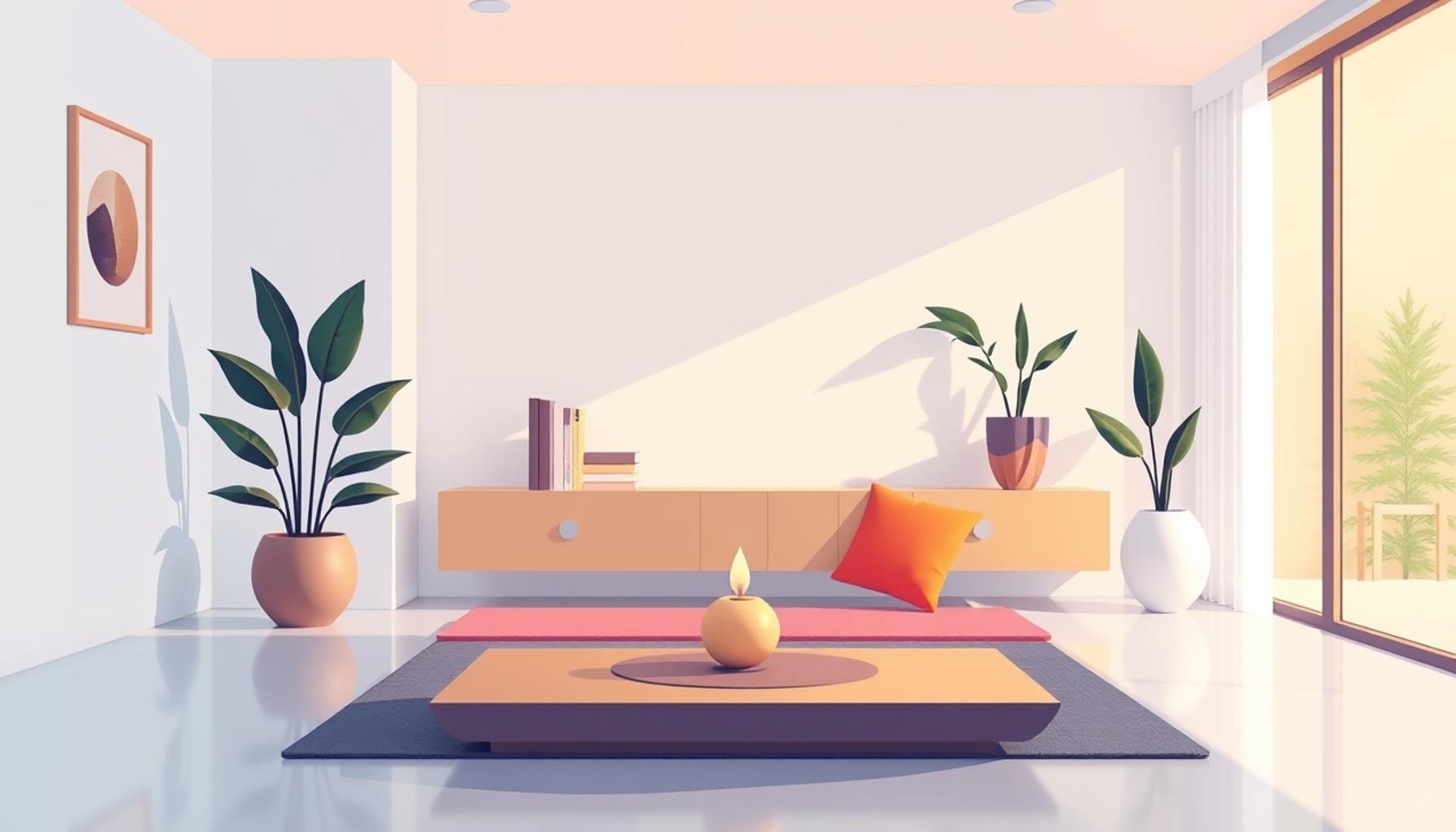
- Natural light and soft colors: Use large windows that invite sunlight, paired with soft, muted tones on the walls and furnishings. Light grays, creams, or gentle pastels can create a gentle ambiance that soothes the senses.
- Decluttered spaces with minimal furnishings: Limit your furniture to essential items that serve a purpose. A simple mat for meditation or a comfortable chair for reading represents a significant step towards minimalism.
- Incorporation of natural elements, like plants and stones: Introducing greenery not only purifies the air but also adds a vibrant touch to your space. Consider low-maintenance plants like succulents or peace lilies, which thrive indoors.
Through thoughtful placement and intentional choices, you can craft a space that significantly enhances your mental clarity and relaxation. Think about dedicating a corner of your home to your Zen sanctuary, applying these design principles to nurture a peaceful atmosphere. Join the journey to discover how you can create your own Zen sanctuary, all within the confines of a minimalist lifestyle. This introspective venture could lead you to newfound appreciation for simplicity and the art of comfort in your home.
DISCOVER MORE: Click here for innovative ideas
Integrating Mindfulness Through Design
When embarking on the journey to create your Zen space, understanding the core principles of minimalism is crucial. Minimalism is about more than eliminating excess; it’s an intentional choice to prioritize what truly matters in your living environment. By integrating mindfulness into your design choices, you can transform a mere room into a serene oasis that promotes well-being and relaxation.
Key Design Principles for Your Zen Space
To effectively create a Zen space conducive to meditation and relaxation, consider the following design principles:
- Functional Furniture: Choose multi-purpose furniture that is both practical and aesthetically pleasing. A low-profile bench or a simple cushion can create a comfortable seating area for meditation without adding visual clutter.
- Simplicity in Decor: Select artwork and decor that resonates with calmness and serenity. Abstract pieces in soothing colors or nature-themed prints can enhance the tranquil atmosphere while remaining unobtrusive.
- Sound Control: Noise can disrupt the peace of your sanctuary. Invest in soundproofing options like thick curtains or soft textiles that help dampen outside noise. Additionally, consider a small indoor water feature to introduce calming sounds of nature.
- Odor and Sensory Elements: Aromatherapy can significantly affect your mood. Incorporate essential oil diffusers with calming scents like lavender or sandalwood to purify the air and enhance relaxation. Natural materials, such as bamboo mats or woven rugs, can further encourage an organic feel in your space.
When designing your Zen space, think holistically about how each element serves both a functional and aesthetic purpose. The goal is to create an environment that not only looks appealing but also supports the rituals of meditation and mindfulness practice. Research shows that environments with harmonious elements lead to improved mental clarity and emotional stability, providing the perfect backdrop for your journey toward inner peace.
Finding the Right Location
The location of your Zen space within your home can greatly influence its effectiveness. Ideally, choose an area that receives ample natural light and is free from distractions. Many people find a corner of a bedroom or even a dedicated room to be ideal for cultivating their meditation haven. If you have access to an outdoor space, such as a patio or balcony, consider bringing the essence of nature into your practice. Outdoor environments can offer fresh air and a connection to the elements, increasing the meditative experience.
As you thoughtfully create your Zen space, remember that the ultimate goal is to foster a sense of peace and wellbeing. The process of curating your environment allows for introspection and personalization. Engage with your space and trust the journey of minimizing distractions as you explore the profound benefits that a designer-driven approach can bring to your meditation and relaxation practices.
Creating a serene and peaceful environment within a minimalist home is an art that blends simplicity with intentional design. Embracing the philosophy of minimalism allows for the reduction of clutter—both physical and mental—thereby opening spaces for mindfulness and relaxation. To craft the ideal Zen space, consider the following key elements that contribute to a soothing atmosphere.The use of natural materials such as wood, stone, and clay can greatly enhance the tranquility of a room. These materials not only resonate with a sense of groundedness but also connect us to nature. Incorporating elements like indoor plants can improve air quality and infuse life into the surroundings, encapsulating the essence of Zen living. Another fundamental aspect is lighting. Soft, warm lighting can create a cozy ambiance, while large windows that beckon in natural light can inspire an uplifting mood. Consider using sheer curtains that filter sunlight, creating a gentle glow that fosters relaxation. Moreover, color choice plays a vital role in establishing a Zen-inspired space. Soft, neutral palettes such as whites, greys, and earth tones evoke calmness and serenity. The right color scheme can help individuals feel more centered and at peace, making it easier to engage in meditation or reflective activities.In addition, the layout of furniture should promote openness and flow, avoiding any congested arrangements that may lead to feelings of stress. Establishing clear pathways and intentional spacing can greatly enhance the feeling of spaciousness, vital for promoting clear thoughts and calm emotions.Finally, integrating sound can also create a tranquil atmosphere. Soft background music, natural sounds like water features, or even silence can contribute to a peaceful space conducive to meditation and relaxation. By focusing on these elements, one can transform a minimalist home into a sanctuary for mindfulness.The path to creating a Zen space lies in understanding how each component contributes to the overall environment. Explore the various ways that minimalism fosters calmness and reflects the tranquility of mindfulness practices. Stay tuned as we delve deeper into practical tips for implementing these ideas in your home to achieve ultimate relaxation.
DISCOVER MORE: Click here to transform your space
Emphasizing Natural Elements
Integrating natural elements into your Zen space is a powerful way to enhance the overall ambiance and promote relaxation. Nature has a rejuvenating effect on the mind and body, making it a vital aspect of any meditation or relaxation environment. By incorporating elements like plants, natural materials, and light, you can considerably elevate your minimalist home’s calming essence.
The Power of Plants
Plants not only add aesthetic value to your Zen space but also improve indoor air quality and create a sense of tranquility. Choices such as snake plants, peace lilies, and bamboo palms are ideal options for creating a serene atmosphere. These plants are known for their air-purifying abilities and low maintenance needs, making them perfect for urban dwellers looking to include greenery in a minimalist environment.
Additionally, consider placing your plants in biodegradable pots made from sustainable materials. This complements the minimalist philosophy while supporting eco-friendly practices. Grouping plants in different heights can create a visual focal point that encourages a connection with nature, significantly enhancing your everyday meditation experience.
Natural Materials and Textures
In the pursuit of a Zen space, selecting furnishings and decor composed of natural materials is crucial. Items crafted from wood, stone, and organic textiles contribute to a grounded atmosphere that resonates with simplicity. A reclaimed wood meditation bench or a jute rug can evoke feelings of warmth and comfort, providing an inviting space for contemplation.
Moreover, incorporating elements like stone sculptures or handmade ceramic vases can add a tactile layer to your environment. These items create a dialogue between the objects in your space, while also encouraging a minimalistic aesthetic that minimizes distractions. Utilize color palettes inspired by nature, such as soft earth tones, which can help to evoke a peaceful state of mind.
Inviting Natural Light
Light plays a quintessential role in shaping the energy of your environment. Maximizing natural light in your Zen space can create a more open and airy feel that encourages mindfulness and relaxation. Positioning your meditation area near windows or gently filtering light through sheer curtains allows the warmth and brightness of daylight to fill your space.
If your home lacks abundant natural light, consider supplementing with well-placed warm-toned LED lights. These can replicate the gentle glow of candlelight, providing a comforting ambiance during evening meditations. Carefully chosen light fixtures, such as simple pendant lights or minimalist floor lamps, not only illuminate your space but also draw attention to its design and tranquility.
Creating Mindful Rituals
Once your physical environment is ready, embed mindful rituals into your daily routine to deepen your connection with your Zen space. Regular morning meditation, journaling, or even mindful breathing exercises can create a sacred rhythm that honors the sanctuary you have built. Remember that consistency is key in cultivating a habit that reinforces invocations of calmness.
Finally, consider holding space for gratitude. This could be as simple as taking a moment at the end of each day to reflect on the elements of your life that nourish your Zen space. By acknowledging what you cherish, you enhance the sense of peace that resides in your environment, further encouraging relaxation and mindfulness.
DISCOVER MORE: Click here to unlock creative space ideas
Conclusion
In the quest for tranquility within our fast-paced lives, creating a Zen space is more crucial than ever. By focusing on a minimalist design that emphasizes natural elements, such as plants, organic materials, and abundant light, we can carve out serene environments that promote meditation and relaxation. This holistic approach not only enhances aesthetic appeal but also transforms our mental landscape, fostering mindfulness and peace.
Understanding the significance of plants, for instance, goes beyond decoration; it connects us to nature and encourages better air quality, which is essential for relaxation. Furthermore, using sustainable, natural materials creates a warm atmosphere that resonates with the minimalist ethos. Light, both natural and artificial, plays a pivotal role in defining the mood of your Zen space, enhancing mental clarity while inviting comfort.
Finally, engaging in mindful rituals within these carefully curated environments reinforces your commitment to calmness and self-care. Whether through meditation, journaling, or simply pausing to reflect on what you cherish, these practices solidify a sense of peace that pervades your life. As you embark on this journey of crafting your Zen space, remember that each element you choose not only reflects your personal style but also serves to nourish your soul. Embrace these insights to discover the profound benefits of a dedicated space for meditation and relaxation within your minimalist home.
Related posts:
Maximizing Small Spaces: Minimalist Organization Tips for Compact Apartments
Clean Visual: How the Choice of Colors and Textures Can Maximize Space Perception in Minimalist Envi...
Transforming Nooks and Crannies: Creative Ideas for Utilizing Unused Spaces
Creating Zen Zones: Designing Calm Spaces for Mindfulness and Organization in Minimalist Homes
The Art of Decluttering: How to Optimize Space without Sacrificing Style
Organization by Categories: Space Optimization Techniques for Cabinets and Drawers

Beatriz Johnson is a seasoned productivity strategist and writer with a passion for simplifying the complexities of time management and personal organization. With over a decade of experience in efficiency optimization, she specializes in topics like workflow design, habit formation, and productivity systems for modern professionals. Through her work, Beatriz empowers readers to take control of their schedules, eliminate overwhelm, and stay ahead in today’s fast-paced world.