Shared Spaces: Optimization Strategies for Co-habitation in Minimalist Lifestyles

Understanding the Challenges of Shared Living
Living in a shared space often brings unique challenges, particularly for those embracing a minimalist lifestyle. The journey towards minimalism can be complicated by the need to collaborate and compromise with others who might not share the same ideals. This dynamic becomes even more pivotal as individuals navigate the complexities of cohabitation, where differing habits and personal preferences can create conflicts. The need for harmony and space optimization becomes essential, leading to the transformation of cluttered environments into serene sanctuaries.
Why Focus on Optimization?
Implementing a focus on optimization in shared spaces isn’t just about physical space; it enhances the overall living experience. Here are a few critical reasons:
- Enhances comfort and functionality: A well-organized space fosters an atmosphere of peace, allowing residents to fully utilize their environment for relaxation or productivity.
- Promotes better relationships among cohabitants: Agreeing on layouts and minimizing clutter can significantly reduce stress and misunderstandings, allowing for enriched interactions.
- Encourages mindfulness in daily living: By consciously minimizing possessions, individuals are prompted to appreciate what they have, leading to added gratitude and a focus on experiences rather than material goods.
Key Strategies for Optimizing Shared Living
With an increasing number of people in the United States choosing to live in shared accommodations, such as apartments or co-living spaces, understanding how to optimize these environments is crucial. Here are a few effective strategies to consider:
- Designating specific areas for personal belongings: It can be helpful to assign clear zones for each individual’s possessions. This prevents the blending of items and helps maintain a sense of personal ownership and space.
- Utilizing multi-functional furniture: Incorporating furniture that serves multiple purposes, such as a bed with built-in storage or a coffee table that converts into a desk, can save precious space and enhance the utility of your environment.
- Establishing common organizational systems: Creating communal methods for organization, like shared calendars or group chores, encourages collaboration and fosters a sense of community within the living space.
As you explore these strategies, you’ll discover that optimizing shared living is not solely about efficiency; it can lead to a more fulfilling communal life. Reflecting on the importance of shared space under the lens of minimalism opens up opportunities for emotional growth, deeper relationships, and a higher quality of living, illustrating how a collective mindset can be beneficial for everyone involved. Consider carrying out regular check-ins with housemates to assess the communal space together, finding new ways to adapt as a group in the quest for a harmonious and minimalist lifestyle.
DISCOVER MORE: Click here to uncover creative ways to utilize unused spaces
Creating Harmony in Shared Environments
For individuals venturing into the realm of minimalism, the path toward a harmonious shared living experience can be both rewarding and challenging. In a world increasingly characterized by rapid urbanization and rising living costs, many residents find themselves in shared spaces, including apartments or co-living arrangements. These environments demand a level of cooperation and understanding that often poses unique challenges to minimalist practitioners. However, embracing the minimalist philosophy can actually create an opportunity to enrich these living situations through thoughtful optimization.
Common Challenges in Shared Spaces
While the concept of sharing a space may seem appealing, it often comes with its own set of hurdles. These challenges can include:
- Differing lifestyles and habits: Each individual in a shared space may have varying approaches to cleanliness, organization, and consumption, leading to potential friction.
- Limited physical space: In many urban settings, the square footage available for communal living can be minimal, making the need for effective space management imperative.
- Varied emotional attachments to belongings: While one person may be ready to part with sentimental items, another may feel a strong need to hold onto them, leading to conflict over shared areas.
Confronting these challenges head-on is essential for anyone looking to enjoy the benefits of a minimalist lifestyle while living with others. Acknowledging the different habits and priorities of housemates fosters a collaborative environment. Open communication is a crucial first step towards mitigating misunderstandings and expanding mutual respect. This alignment can pave the way for a minimalist living strategy that satisfies everyone involved.
Effective Communication as a Foundation for Optimization
When embarking on a minimalist journey in shared living, the emphasis should not only be on physical belongings but also on fostering a supportive atmosphere. Here are some effective ways to open communication lines with roommates and ensure an optimized shared space:
- Regular house meetings: Establishing periodic check-ins allows all residents to voice concerns, share suggestions, and agree on communal responsibilities.
- Creating shared goals: Collaborating on minimalist objectives, such as decluttering sessions or organizing communal spaces, can incentivize group participation and enhance relationships.
- Encouraging feedback: Providing a platform where all residents can express their preferences will create a sense of ownership over the shared environment, ultimately leading to a more harmonious living experience.
Effective communication and collaboration serve as the backbone of any successful shared living environment. By emphasizing open dialogue, residents can address their differences and find common ground that resonates with minimalist principles. Through these approaches, housemates can collectively create a space that reflects their shared values while allowing individual styles and preferences to flourish. In this way, the journey toward minimalism not only transforms the physical space but also enriches personal connections among cohabitants.
Shared Spaces: Optimization Strategies for Co-habitation in Minimalist Lifestyles
Maximizing the potential of shared spaces is essential for those adopting minimalist lifestyles. With more people choosing to live together in smaller units, understanding how to intelligently utilize these areas can significantly enhance quality of life and foster harmonious co-habitation. Here we explore some pivotal strategies and benefits.
| Category 1 | Category 2 |
|---|---|
| Space Utilization | Incorporating multifunctional furniture |
| Flexibility | Easily adjustable settings for various activities |
| Community Engagement | Encourages collaboration and interaction among housemates |
| Minimized Clutter | Promotes tidiness and organization, enhancing mental clarity |
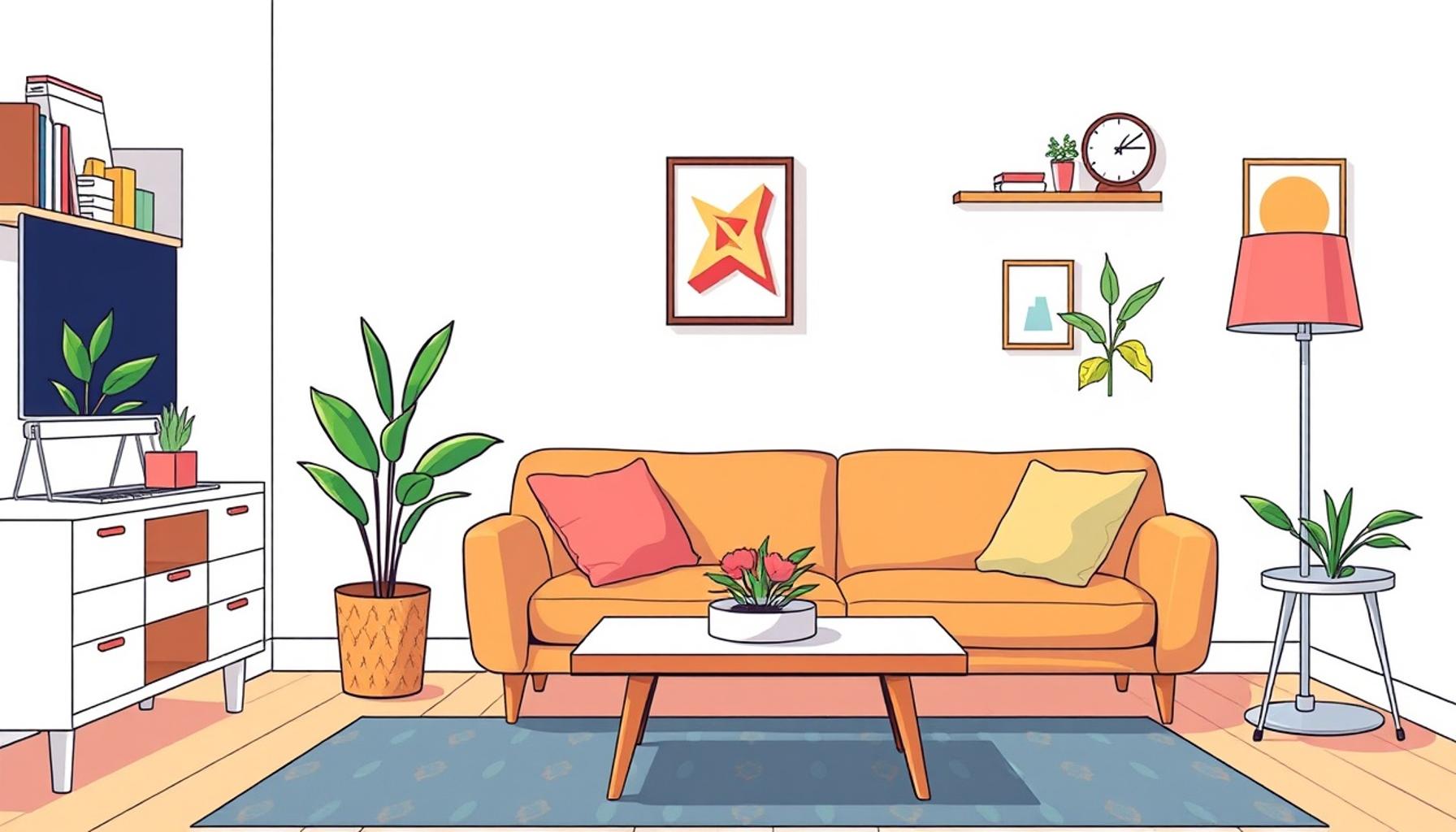
By focusing on common areas such as living rooms and kitchens, residents can create spaces that are not only visually appealing but also functional. For instance, multifunctional furniture like foldable tables and storage ottomans can seamlessly adapt to various needs without sacrificing aesthetic value.
Additionally, implementing strategies for community engagement can transform shared environments into dynamic spaces where creativity and collaboration thrive. Regular communal activities and open discussions about space usage foster deeper relationships and shared responsibility among inhabitants, making co-habitation a rewarding venture.
As a result, individuals pursuing a minimalist lifestyle can experience enhanced living quality through effectively managed shared spaces, ultimately leading to a more fulfilling co-habitation experience.
DISCOVER MORE: Click here for creative ways to utilize unused spaces
Maximizing Functional Space Through Design
To cultivate a minimalist lifestyle in shared environments, it is imperative to emphasize design strategies that enhance both functionality and aesthetic appeal. Many individuals might underestimate the significance of spatial arrangement and decluttering, yet these factors play a pivotal role in creating an environment that fosters relaxation and productivity. Here are some innovative methods to achieve this:
Utilizing Vertical Space
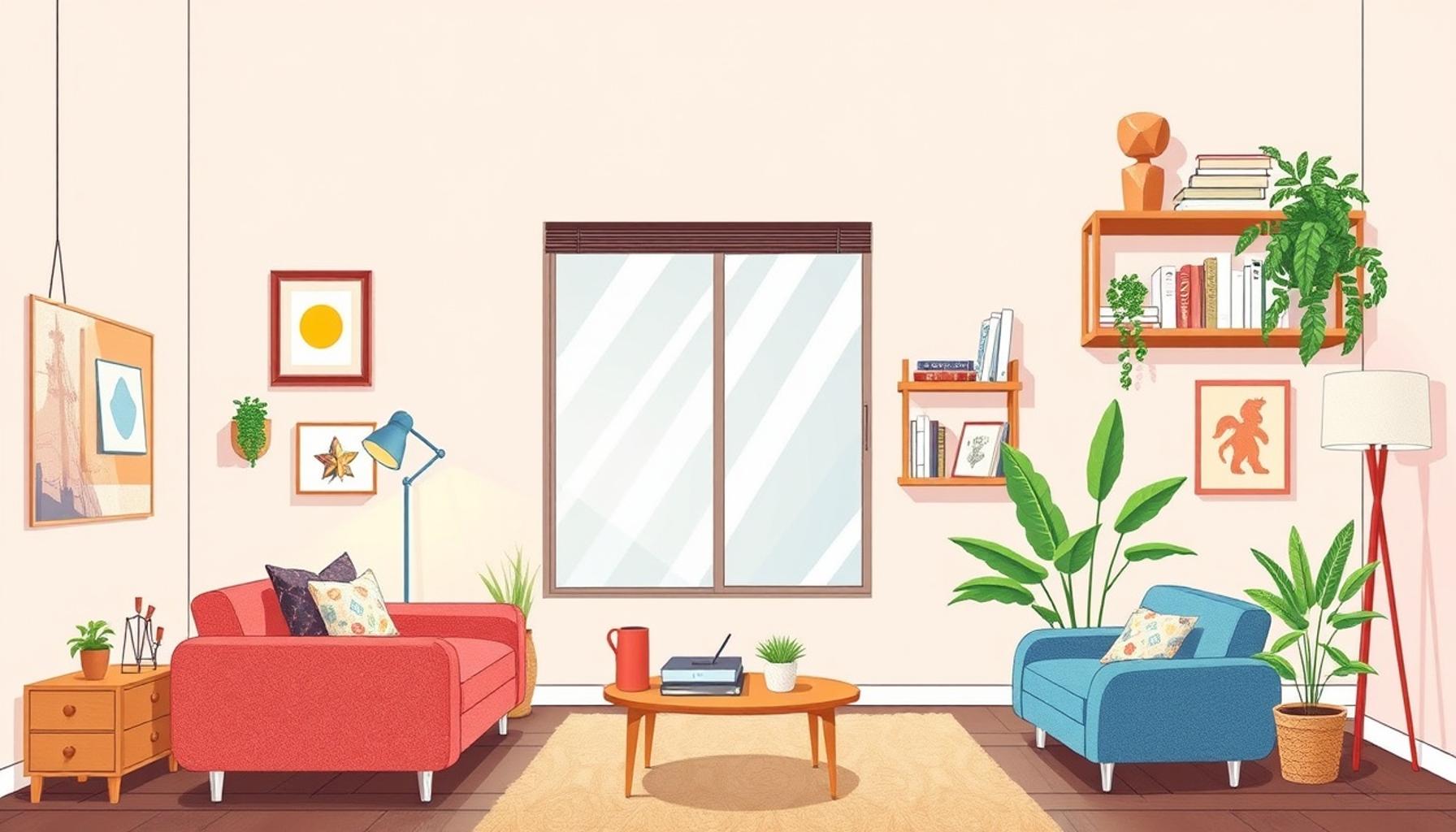
In shared living situations, where limited physical space can lead to chaos, maximizing vertical space is crucial. By incorporating wall-mounted shelves, floating desks, and tall cabinets, residents can free up floor space while maintaining an organized atmosphere. This technique is particularly valuable in urban apartments, where every square inch counts. For instance, a cleverly designed living room can blend comfortable seating with ample storage by using vertical storage solutions, ensuring that belongings remain unseen yet easily accessible.
Creating Multi-Functional Areas
Another exciting approach to optimizing shared spaces is through the creation of multi-functional areas. Each room should serve more than one purpose to reduce overcrowding and enhance usability. Consider outfitting the living room with a sofa bed or an extendable dining table that can accommodate guests and family gatherings. This flexibility promotes a spirit of collaboration and fosters connection among housemates. Additionally, utilizing ottomans that double as storage can keep items neatly stowed while providing extra seating when required.
Embracing a Minimalist Aesthetic
The aesthetic aspect of minimalist living cannot be overlooked. A cohesive design that reflects a shared identity can significantly enhance the atmosphere in a shared space. Encouraging all housemates to contribute to a unified color scheme or style can foster feelings of belonging. Implementing a neutral palette with a few statement pieces allows for personalization without overwhelming the sensory experience of the home. Each resident can add their touch through plants, artwork, or textiles, further enriching the livable space without clutter.
Implementing Decluttering Routines
In conjunction with optimizing physical space, establishing effective decluttering routines is essential for maintaining a minimalist lifestyle. Housemates can agree on a monthly decluttering challenge, where each person identifies a specific area or set of belongings to reassess. This shared commitment not only cultivates accountability but encourages a mindset of simplicity and intentionality among residents. According to a study published in the Journal of Environmental Psychology, maintaining an organized environment can lead to an increase in overall well-being, emphasizing the importance of keeping shared spaces clutter-free.
Leveraging Technology for Organizational Solutions
Embracing technology can also significantly streamline organization in shared living spaces. There are numerous apps available designed to help roommates communicate effectively, manage shared responsibilities, and even keep track of communal expenses. Platforms such as Splitwise and Trello facilitate transparency and collaboration, minimizing misunderstandings about shared costs and chores. Furthermore, utilizing digital calendars for schedule coordination not only keeps housemates informed but promotes accountability for shared obligations.
The integration of these design strategies, aesthetic considerations, and technological solutions creates a dynamic living environment where residents can fully embrace minimalism. By working together, housemates can refine their shared spaces into a harmonious sanctuary that resonates with their values and lifestyle choices.
DISCOVER MORE: Click here to unlock hidden potential
Conclusion
In an era where minimalism is gaining traction as a lifestyle choice, optimizing shared spaces becomes essential for harmonious cohabitation. By adopting innovative design techniques like utilizing vertical space, creating multi-functional areas, and embracing a cohesive aesthetic, individuals can transform their living environments into functional sanctuaries. The challenge of living together in tight quarters can be met with collaborative efforts to declutter and maintain an organized atmosphere, proving that simplicity does not have to mean sacrificing comfort or style.
The integration of technology further enhances the optimization of these shared environments. By leveraging organizational apps, roommates can easily manage responsibilities and expenses, fostering open communication and reducing friction. This approach allows for a smoother coexistence, where each resident feels valued and respected in their shared home.
Ultimately, the journey toward a minimalist lifestyle in shared spaces is not merely about limiting possessions but rather about cultivating a mindset that prioritizes purpose and peace. As each housemate contributes to creating an inviting and functional atmosphere, the collective experience not only enriches their individual lives but also strengthens their relationships. In this pursuit of balance, the wisdom of shared living can inspire a more thoughtful approach to consumption and cohabitation.
Whether you are just embarking on this minimalist journey or seeking to refine your current practices, the strategies outlined serve as a foundation for creating a supportive and stylish living environment. Embrace the possibilities of collaboration, and discover how harmonious living can lead to greater personal fulfillment while keeping shared spaces organized and inviting.
Related posts:
Clean Visual: How the Choice of Colors and Textures Can Maximize Space Perception in Minimalist Envi...
Vertical Living: Utilizing Wall Space for a Minimalist Aesthetic
Digital Minimalism: Optimizing Virtual and Physical Spaces for a More Organized Life
Maximizing Small Spaces: Innovative Storage Solutions for Minimalist Living
Creating Functional Environments: Space Optimization Strategies for a Minimalist Life
Organization by Categories: Space Optimization Techniques for Cabinets and Drawers

Beatriz Johnson is a seasoned productivity strategist and writer with a passion for simplifying the complexities of time management and personal organization. With over a decade of experience in efficiency optimization, she specializes in topics like workflow design, habit formation, and productivity systems for modern professionals. Through her work, Beatriz empowers readers to take control of their schedules, eliminate overwhelm, and stay ahead in today’s fast-paced world.