Minimalist Living: Designing Your Home for Functionality and Flow
Understanding Minimalist Living
In a world that often emphasizes accumulation and excess, the shift toward minimalist living allows individuals to reconnect with what truly matters. This lifestyle encourages a perspective where individuals intentionally choose to surround themselves only with possessions that serve a purpose or bring joy. With people increasingly feeling overwhelmed by clutter and distractions in their homes, minimalism can serve as a sanctuary—a refuge that promotes mental clarity, emotional well-being, and purposeful living.
Key Components of Minimalism
At the heart of minimalist living lie several critical principles that guide its adoption. These principles help define how one can curate their surroundings to foster a serene and functional lifestyle.
- Decluttering: This process means systematically reducing one’s belongings to those that are essential or evoke positive emotions. A popular method is Marie Kondo’s KonMari technique, which advocates keeping items that “spark joy.” For many, this act of decluttering can be cathartic, as it often relinquishes not just physical items but also the mental weight they carry.
- Functionality: Embracing multi-functional furniture is one of the hallmarks of minimalist design. For instance, a sofa bed serves dual purposes of seating and sleeping, thus maximizing space without sacrificing comfort. This approach encourages creativity in home design, making small spaces feel expansive while still being highly usable.
- Open Spaces: Creating an airy environment can significantly influence how individuals interact with their space. Open-plan layouts not only facilitate movement but also foster connectivity among family members, enhancing the overall living experience. This spatial arrangement often leads to less stress and greater harmony within the home.
Designing for Functionality and Flow
To fully embrace the minimalist ethos, it’s essential to consider design elements that enhance functionality and flow throughout your home. Each choice can impact the atmosphere and usability of living spaces.
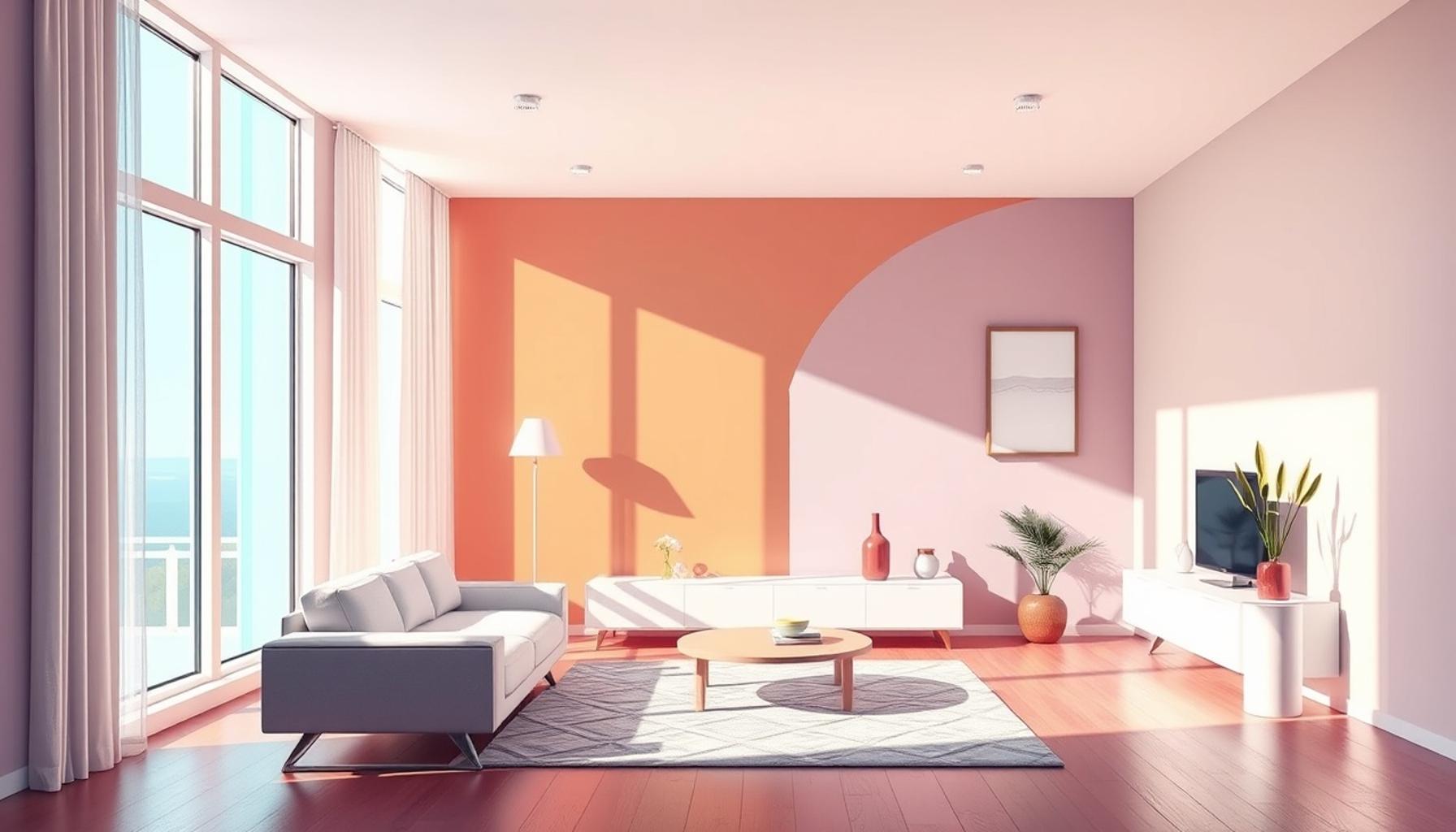
- Simple Color Palettes: Utilizing a neutral color scheme can create a calming effect, setting the stage for relaxation. Shades such as whites, grays, and beiges reflect light and can make spaces feel larger, promoting tranquility and reducing distractions.
- Natural Light: Engaging with abundant natural light can significantly improve mood and well-being. Strategically placing mirrors or using sheer window treatments can help maximize daylight, infusing energetic vibes into your home throughout the day.
- Zoning: Thoughtfully arranging spaces dedicated to specific activities can enhance focus and function. Designating a quiet corner for reading or a dedicated workspace can lead to increased productivity and enjoyment in those pursuits, further improving daily routines.
The Growing Appeal of Minimalism
As trends in consumerism evolve, particularly in the United States, many individuals are discovering the satisfaction that comes from simplicity. The desire to declutter and lead a life filled with intention has gained traction, mirrored by movements such as “Buy Nothing” groups and community exchanges. Today, the principles of minimalism not only provide a path to a more organized living space but also encourage a lifestyle that fosters mindfulness and contentment.
In summary, minimalist living engenders a profound transformation in how people engage with their environment. By exploring design principles that prioritize functionality and serenity, individuals can cultivate spaces that nurture joy and clarity in their daily routines. The journey towards a minimalist home is not just about physical space but rather about creating an atmosphere that resonates with the essence of who we are and what we truly value.
Dive Deeper: Click here for creative ways to use every corner
Creating a Space that Reflects Minimalism
Transitioning to minimalist living involves making thoughtful decisions about how spaces are utilized and designed. One of the cornerstones of this lifestyle is the idea that less is more. By stripping away the unnecessary, individuals can focus on the essentials that contribute to peace and functionality in their homes. This redesign isn’t just about aesthetics; it’s about fostering a sense of well-being and ease in everyday life.
Curating Essential Elements
To design a home that embodies minimalist principles, consider the essential elements that align with your lifestyle. This requires introspection to determine what items are truly necessary and what can be part of the decluttering process. Here are some key aspects to keep in mind while curating your living space:
- Purposeful Decor: Each decorative item should serve a clear purpose, either functionally or emotionally. This encourages the selection of pieces that foster a connection to your identity or contribute to the ambiance of the home, rather than simply filling empty spaces.
- Quality Over Quantity: Investing in fewer, high-quality items can not only enhance the aesthetic of your home but also create a sense of durability and longevity. Choosing fewer furnishings that are built to last can ultimately save money and reduce waste over time.
- Flexible Spaces: Designing rooms that can serve multiple functions is crucial in a minimalist home. For example, a dining area can double as a workspace, or a guest room can incorporate storage solutions that minimize clutter, demonstrating the versatility of space.
Maximizing Efficiency in Layout
The layout of your home plays a significant role in promoting functionality and flow. Carefully designing an efficient layout can make even smaller spaces feel spacious. Consider these strategies:
- Furniture Arrangement: Positioning furniture to encourage movement can create a natural flow. Avoiding obstructive layouts allows for easy navigation between areas, making the space feel harmonious and inviting.
- Decluttered Pathways: Ensuring clear pathways enhances accessibility and encourages daily movement. Eliminating obstacles in walkways can increase the sense of openness and tranquility in the home.
- Zones for Activities: Establishing distinct areas for specific activities can also enhance flow. For instance, separating leisure areas from work zones can help maintain focus, providing both mental and physical boundaries to daily life.
A minimalist home is an expression of intentionality, embodying the values of simplicity and clarity. The choices made in design—from the color palette to the layout—serve not only aesthetic purposes but also facilitate a lifestyle that prioritizes well-being. As more people gravitate towards this approach, the exploration of minimalist living is highlighting how we can redefine our personal spaces to foster functionality, ease, and joy.
| Advantage | Description |
|---|---|
| Simplified Space | Adopting a minimalist approach creates a clear and open environment, allowing for better movement and reduced clutter. |
| Enhanced Functionality | Design choices prioritize practicality, ensuring that each item in your home has a purpose, promoting more efficient use of space. |
Embracing minimalist living focuses on the concept of intentionality within your home’s design. By opting for a simplified space, you not only eliminate distractions but also enhance the flow of daily activities. This design philosophy encourages thoughtful selections of furniture and decor, where each piece contributes to both beauty and functionality.Moreover, adopting a minimalist lifestyle leads to enhanced functionality in your home. Items are chosen for their utility, leading to a more organized living space. With less visual clutter, mental clarity is often improved, as your environment provides an inviting backdrop that supports your daily routines. In this context, understanding the principles of minimalism can lead you to a richer, more fulfilling way of living in harmony with your surroundings, making it worthwhile to explore further.
DISCOVER MORE: Click here to find innovative ways to utilize your unused spaces
Integrating Nature for Enhanced Serenity
Incorporating elements of nature into a minimalist design is a powerful way to promote both functionality and flow within your home. Biophilic design principles emphasize the connection between people and nature, offering numerous benefits for emotional well-being and cognitive function. Here are some ways to weave natural elements into your minimalist living space:
- Natural Light: Ample natural light can transform the atmosphere of a room, making it feel more open and inviting. Large windows, skylights, or even strategically placed mirrors can enhance light flow and provide a sense of peace. According to a study from the National Institutes of Health, natural light exposure has been linked to improved mood and productivity.
- Indoor Plants: Adding greenery not only beautifies your space but also contributes significantly to air quality. Plants like snake plants, pothos, and peace lilies require minimal care while offering substantial visual appeal and health benefits. Furthermore, studies have shown that indoor plants can reduce stress and enhance creativity, making them a perfect fit for a minimalist approach.
- Natural Materials: Using sustainable materials such as bamboo, reclaimed wood, or stone can add warmth and texture to your home without overcrowding it. These elements resonate with the principles of minimalism, enhancing the aesthetic while remaining focused on functionality.
Color Palette and Texture
The color palette of a minimalist home is vital in establishing a calm, cohesive environment. Choosing a neutral base helps create a soothing backdrop while allowing for personal expression through accents. Consider these strategies when selecting colors and textures:
- Monochromatic Schemes: Utilizing varying shades of a single color can create visual interest without overwhelming a space. For example, an all-white room can be given depth by incorporating different fabrics, wall treatments, and accessories that offer different shades and tones.
- Texture Variations: To keep a minimalist space from feeling flat or sterile, introduce a mix of textures. This can be achieved through textiles like wool throws, linen curtains, or a woven jute rug. This approach not only adds warmth but also invites tactile experiences that align with a modest yet engaging aesthetic.
- Accent Colors: Introducing pops of color through carefully selected decor can highlight specific areas or features in your home. However, this should be done sparingly to maintain the minimalist ethos, ensuring that each accent choice feels intentional rather than arbitrary.
Dual-Purpose Furnishings
In the quest for functionality, dual-purpose furnishings play a crucial role in optimizing space usage. Here are some innovative ideas for furniture that fulfills multiple roles:
- Convertible Sofas and Murphy Beds: These transformative designs allow you to maximize a limited footprint. A sofa that converts to a guest bed offers versatility while preserving aesthetic integrity, making it ideal for small spaces without sacrificing comfort.
- Storage Ottomans: Furnishings that double as storage options help to minimize clutter while enhancing the functional aspects of a room. These stylish pieces can house blankets, books, or personal items while also serving practical seating solutions.
- Dining Tables with Built-In Storage: Choose a dining table that incorporates compartments or shelves underneath to keep essential items easily accessible while maintaining a clean appearance. This blend of functionality and flow demonstrates a commitment to minimalist design principles.
Ultimately, minimalist living is about creating spaces that are both beautiful and practical. By thoughtfully integrating nature, focusing on color and texture, and considering dual-purpose furnishings, your home can become a sanctuary of calm and efficiency. This intentional design philosophy invites a lifestyle that emphasizes well-being, encouraging you to embrace simplicity while enjoying the richness of life’s essentials.
DISCOVER MORE: Click here for creative ideas
Conclusion: The Art of Minimalist Living
In summary, embracing minimalist living can significantly transform your home into a sanctuary that prioritizes both functionality and flow. By integrating natural elements, utilizing a harmonious color palette, and selecting dual-purpose furnishings, you create a space that not only enhances your well-being but also simplifies your life. Today, as many people increasingly seek refuge from the overwhelming chaos of modern living, the minimalist approach provides an accessible path to reducing clutter and inviting serenity into daily life.
However, the journey towards minimalism extends beyond mere aesthetics. It symbolizes a lifestyle choice that encourages mindfulness, intentional living, and deeper connections with the things we cherish most. By asking yourself what truly matters and eliminating distractions, you can curate a living environment that reflects your values, fostering tranquility and inspiration at the same time. As society becomes more aware of sustainability and conscious design, minimalist living stands out as a forward-thinking solution, blending style with practicality.
As you embark on your own minimalist journey, take the time to explore your unique preferences and needs. The art of minimalism isn’t a one-size-fits-all solution; it invites you to redefine your life’s purpose through your living space. The freedom that comes with simplicity can lead you down a satisfying path, enriching not only your home but also your overall quality of life. Dive deeper into the principles of minimalism, and you may discover a rewarding lifestyle that embraces both beauty and simplicity.
Related posts:
Zen Spaces: Creating Meditation and Relaxation Environments in Minimalist Homes
Clean Visual: How the Choice of Colors and Textures Can Maximize Space Perception in Minimalist Envi...
The Psychology of Space: How Minimalism Influences Our Perception of Area
Vertical Living: Utilizing Wall Space for a Minimalist Aesthetic
Vertical Organization: Utilizing Walls and Surfaces in Minimalist Environments
The Role of Color and Light in Space Optimization for Minimalist Interiors

Beatriz Johnson is a seasoned productivity strategist and writer with a passion for simplifying the complexities of time management and personal organization. With over a decade of experience in efficiency optimization, she specializes in topics like workflow design, habit formation, and productivity systems for modern professionals. Through her work, Beatriz empowers readers to take control of their schedules, eliminate overwhelm, and stay ahead in today’s fast-paced world.