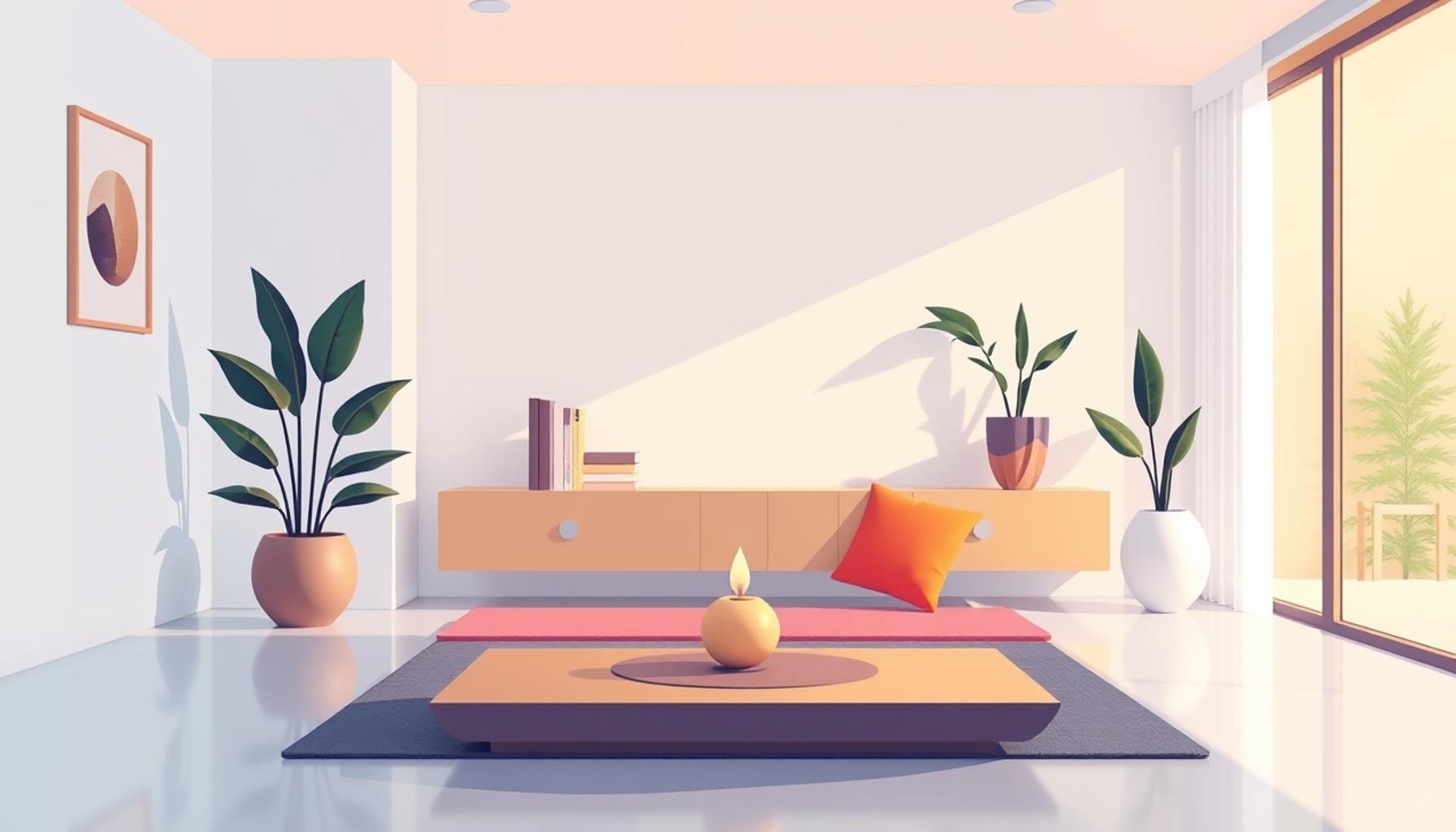
The Art of Decluttering: How to Optimize Your Space with Minimalist Principles
Understanding the Importance of Decluttering
In today’s fast-paced world, clutter can easily accumulate, leaving many feeling overwhelmed in their own homes. The concept of minimalism offers a refreshing perspective, advocating for a lifestyle that favors simplicity and purpose over excess. By embracing minimalist principles, individuals can discover the transformative power of decluttering.
Why Declutter?
Many people find themselves surrounded by belongings that no longer serve a purpose. This accumulation can lead to heightened feelings of stress and anxiety. For instance, consider the time wasted searching for essential items buried under piles of clutter. A tangled heap of belongings not only distracts from daily tasks but also diminishes the overall quality of life. Thus, decluttering isn’t merely an act of cleaning; it is a pathway to greater efficiency and peace of mind.
- Enhances mental clarity: A tidy space fosters a clear mind, helping individuals focus better on their tasks and activities.
- Improves productivity: A decluttered environment allows for better organization, leading to increased productivity, whether at home or in the workplace.
- Creates a sense of calm: An organized, minimalistic space brings about tranquility and can even reduce anxiety levels.
Surrounding ourselves with too many possessions can also lead to:
- Increased stress levels: Clutter can be a source of constant visual distraction, ultimately influencing our mood and stress.
- Difficulties in finding items: When belongings are stacked high or disarrayed, essential items become difficult to locate, wasting precious time.
- A reduced sense of ownership over one’s space: Constant clutter can make a space feel less personal, decreasing the pride we take in our homes.
Minimalist Principles to Consider
To effectively declutter, consider integrating these minimalist principles: Take a step back and assess the value of each item. Ask yourself questions such as: Does this item bring me joy? Does it serve a functional purpose? If the answer is no, it may be time to let it go.
- Assess the value of each item: This involves evaluating the emotional and practical significance of your belongings.
- Purge what you don’t need: Engaging in regular purging helps maintain a clutter-free environment. Consider donating or recycling items that hold no real value in your life.
- Organize thoughtfully and efficiently: Once you have purged, take time to organize what remains in a way that works for you, making sure the items you use frequently are easily accessible.
As you embark on this journey of optimization, remember that decluttering is not merely about getting rid of things; it’s about creating a living space that reflects your values and needs. It’s an opportunity to reshape your living environment into a haven of functionality and serenity. Consumers in the United States, for instance, might draw inspiration from the rising trend of tiny homes, where minimalism is a guiding principle, encouraging individuals to reconsider their relationship with material possessions. Join us as we explore numerous methods to help you optimize your space and enhance your lifestyle.
Starting Your Decluttering Journey
Embarking on the journey of decluttering can feel daunting, but it often begins with the right mindset and strategic planning. To engage meaningfully with the process, it’s important to understand that decluttering is not merely a chore; it’s an opportunity for self-reflection and transformation. By applying minimalist principles, you can create a living space that resonates with your values and lifestyle.
The Psychological Benefits of a Clutter-Free Space
Science has shown that our physical environment significantly impacts our mental well-being. A cluttered space can clutter the mind, leading to increased levels of stress and distraction. On the other hand, a decluttered environment can drastically improve mental clarity and emotional health. Studies suggest that individuals in organized environments report higher levels of productivity and lower stress. Specifically, the American Psychological Association has noted that a neat and tidy atmosphere allows for better focus and creativity.
- Promotes Mindfulness: A decluttered space encourages a mindful approach to living, allowing individuals to appreciate their surroundings.
- Enhances Decision-Making: With fewer items vying for your attention, you can devote your cognitive resources to more important choices.
- Builds Confidence: Taking control of your space can empower you, creating a sense of accomplishment that extends to other areas of your life.
After recognizing the psychological benefits, the next steps involve practical strategies for decluttering. It is crucial to develop a targeted approach, starting small to avoid feeling overwhelmed. Begin with a single drawer, closet, or room, and slow down to determine which items bring value or joy to your life.
Creating a Decluttering System
Having a well-organized strategy can significantly simplify the decluttering process. Consider implementing a system that combines various methods to address different areas of your home. Here are some effective tactics commonly employed by minimalists:
- The One-Year Rule: If you haven’t used an item in the past year, it’s likely you don’t need it. This rule can serve as a helpful guide for making decisions.
- The Box Method: For a week, place items you feel uncertain about into a box. If you don’t retrieve them within that week, it may be time to let those items go.
- Room by Room Approach: Tackle each area of your home systematically. This ensures that you are not just moving clutter around but truly evaluating what stays and what goes.
Ultimately, understanding the principles of minimalism can serve as your guiding light in this decluttering endeavor. It encourages you to question the purpose of each possession, fostering an environment where every item holds significance and contributes meaningfully to your lifestyle. As you detoxify your space from unnecessary distractions and stressors, you can begin to curate a home that is a true reflection of who you are—a personalized sanctuary of peace and function.
The Art of Decluttering: How to Optimize Your Space with Minimalist Principles
In today’s fast-paced world, minimalism is more than just a design trend; it is a lifestyle choice that emphasizes living with less to create a serene and organized environment. Mastering the art of decluttering not only enhances the aesthetic appeal of your space but also promotes mental clarity and emotional well-being. By implementing minimalist principles throughout your home, you can transform cluttered spaces into functional areas that breathe tranquility.
One of the primary benefits of embracing minimalist principles is the improved functionality of your living spaces. When you eliminate unnecessary items from your environment, every piece you retain holds purpose and value. This practice encourages thoughtful consumption, making you more aware of your possessions and their significance in your life.
Additionally, decluttering fosters a sense of accomplishment and freedom. By simplifying your surroundings, you create an atmosphere that promotes peace and productivity, allowing you to focus on what truly matters. For many, the journey to minimalism is about finding a balance that enhances their lifestyle without overwhelming them with choices.
| Advantages of Minimalism | Description |
|---|---|
| Simplicity | Embracing minimalism allows for a simplified lifestyle, minimizing distractions and promoting focus. |
| Mental Clarity | Reducing clutter leads to enhanced mental clarity, making it easier to concentrate on tasks and decisions. |
| Financial Savings | Minimalism can lead to financial savings by encouraging mindful purchases and reducing impulsive buying. |
| Greater Productivity | A decluttered space allows for greater productivity since it fosters an environment conducive to work. |
As you begin your decluttering journey, consider assessing each area of your home with a critical eye, asking yourself what items truly add value to your life and which can be released. Incorporating minimalist principles into your space doesn’t just enhance its appearance—it can lead to a more rewarding, purposeful existence.
Implementing the Minimalist Mindset
Transitioning to a minimalist lifestyle transcends the mere act of removing physical clutter; it embodies a profound shift in how we perceive and interact with our possessions. Adopting a minimalist mindset encourages you to prioritize quality over quantity, ultimately guiding you towards a more intentional life. To fully embrace this philosophy, one must thoughtfully reflect on the importance of each item in their life, assessing its functional and emotional value.
Understanding Your Triggers and Values
Before diving deeper into the decluttering process, it is essential to identify what drives your consumption habits. Are you drawn to items out of necessity, nostalgia, or social influence? Recognizing these triggers can illuminate patterns in your purchasing behavior, paving the way for more conscious decision-making in the future. Furthermore, channeling your personal values into your decluttering efforts can heighten the sense of purpose behind each choice.
- Identify Core Values: Define what truly matters to you, whether it be sustainability, family, or creativity. Let these values guide your decluttering decisions, ensuring that your space reflects your authentic self.
- Practice Gratitude: Appreciate the items that enhance your life, allowing you to make more discerning choices regarding what to keep and what to let go.
The Role of Technology in Decluttering
In the digital age, the notion of decluttering extends beyond physical items to the digital realm as well. Our virtual environments are often just as cluttered as our living spaces. Emails, applications, backups, and social media accounts can overwhelm our senses and create unnecessary distractions.
- Digital Decluttering: Regularly clear your inbox, unsubscribe from newsletters, and organize files on your computer. Use cloud services to store essential documents, allowing you to manage them with ease and efficiency.
- Mindful Technology Use: Set boundaries for your screen time and consider using applications that promote focused productivity, eliminating clutter from your mental space.
Creating Functional Spaces
Once you’ve cleared out the unnecessary clutter, the next step is to create an environment tailored to your needs. Functional spaces not only cater to your lifestyle but also foster a sense of serenity and order. Here are some approaches to creating spaces that optimize your newfound minimalist home:
- Multi-Functional Furniture: Invest in furniture that serves multiple purposes, such as a coffee table with storage or a sofa bed for guests. This reduces the need for excess items.
- Organizational Systems: Use tools such as baskets, bins, or shelving to create designated areas for specific categories. By organizing your belongings, you not only enhance accessibility but also maintain a clean aesthetic.
- Embrace Negative Space: Remember that less is more. Allow for breathing room in your spaces to foster tranquility, making areas feel less cluttered and more open.
By embedding the minimalist mindset throughout your decluttering journey, you’ll be well-equipped to navigate the complexities of modern life with grace and intention. Embrace these practices as a foundation for a more fulfilling and mindful living experience; rather than just being a way to create a tidy home, they’ll open the door to a vibrant lifestyle centered around purpose and simplicity.
Conclusion
In conclusion, mastering the art of decluttering is not merely about empty spaces; it’s a deliberate practice that allows us to cultivate environments that resonate with our core values and aspirations. By embracing minimalist principles, we can transform our living and working spaces into havens of tranquility and functionality. Recognizing our consumption triggers and incorporating our personal values into the decluttering journey helps us to make intentional choices that lead to a more meaningful existence.
Furthermore, as we expand our decluttering efforts into the digital domain, we create not only functional spaces but also a sense of mental clarity. Regular digital cleaning, alongside setting boundaries for technology use, reinforces the significance of focusing on what truly matters. The essence of minimalism reveals itself in the power of simplicity, advocating for a lifestyle that celebrates quality over quantity, thereby fostering a deep appreciation for the items that enrich our lives.
Ultimately, optimizing your space through decluttering opens the door to a more purposeful way of living. As you embark on this journey, allow your home to reflect an authentic expression of who you are, embracing the freedom that comes from simplicity. In a world increasingly cluttered with excess, adopting minimalist principles can empower you to reclaim your space, your time, and your overall wellbeing. The reward is not just a tidy home but a richer, more vibrant life filled with intention and peace.