Tech Integration: Using Smart Home Devices for Enhanced Space Efficiency in Minimalist Living
Redefining Living Spaces with Technology
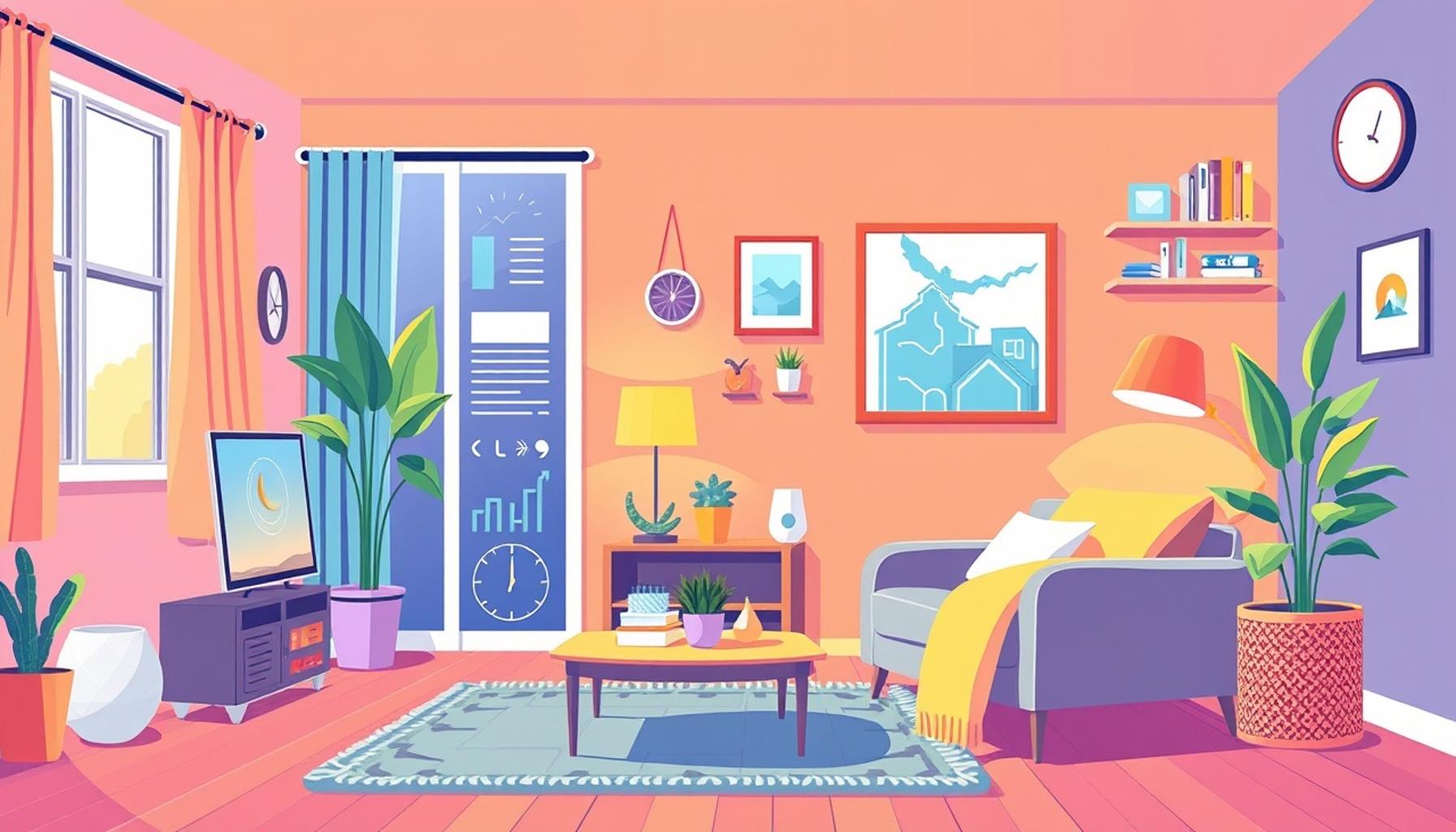
As urban living spaces become more constrained, the concept of minimalist living is gaining traction. The integration of smart home devices is emerging as a solution to enhance space efficiency while maintaining modern comforts. By leveraging technology, homeowners can maximize their small living areas without compromising on functionality or aesthetics.
Imagine a home where every inch counts, yet remains fully optimized. In this context, smart home devices can play a pivotal role in streamlining daily routines and creating multifunctional environments. For instance, users can implement:
- Automated Lighting Systems: These systems enable homeowners to adjust brightness levels depending on the time of day or activity. Dimming lights for movie night or brightening them during the day creates a customizable atmosphere that can save energy and reduce electricity bills significantly.
- Smart Thermostats: These devices learn your habits over time, allowing for climate control based on presence and preferences. By reducing heating or cooling in unoccupied spaces, smart thermostats not only enhance comfort but also contribute to energy conservation.
- Multi-Functional Furniture: Technology can transform furniture into multifunctional pieces that adapt to various needs. For example, a sofa bed provides comfort for guests while doubling as seating during the day. Some modern designs also include built-in storage, keeping clutter at bay.
Such advancements contribute to an eco-friendly lifestyle through efficient energy use and resource conservation. Additionally, the integration of these devices fosters a seamless connection between daily tasks, enabling users to manage their homes more intuitively and with less effort. For example, via a single app, a homeowner may control their lights, thermostat, and even appliances, creating a truly integrated living experience.
In this evolving landscape, understanding the capabilities of smart home technology is essential for individuals seeking to optimize their living spaces. A growing number of companies in the United States provide innovative solutions tailored to small-scale living. For example, brands like Nest and Philips Hue are at the forefront of this smart home revolution.
As we dive deeper into the integration of technology within our living environments, you will discover innovative methods to incorporate these key elements into your minimalist ethos. Join us on this journey toward a smarter, more efficient living environment, steeped in the possibilities that technology provides for urban dwellers and those embracing a simpler lifestyle.
DISCOVER MORE: Click here for creative ways to utilize your unused spaces
Smart Solutions for Small Spaces
In today’s fast-paced world, where urban density continues to rise, many individuals find themselves living in compact apartments or tiny homes. Consequently, the need for enhanced space efficiency has never been greater. Fortunately, smart home devices offer innovative solutions that allow homeowners to optimize their limited square footage while maintaining a harmonious aesthetic. By seamlessly integrating technology into their living spaces, residents can achieve the balance they seek in minimalist living.
The importance of creating flexible and adaptable environments cannot be overstated. With the right smart home devices, small living areas can transform into multifunctional spaces, maximizing usability. Here are some noteworthy examples of how tech integration can revolutionize minimalist living:
- Smart Speakers: These compact devices do more than play music. Equipped with virtual assistants, they allow users to control other smart devices, set reminders, and manage schedules—all through voice commands. By eliminating the need for multiple remote controls and manual switches, smart speakers consolidate functionality into one central hub.
- Smart Blinds and Shades: Automated window treatments are not only a luxurious addition but also a practical approach to energy management. Homeowners can program these devices to open and close based on sunlight exposure, enhancing privacy while regulating indoor temperatures. This efficiency helps reduce wear on air conditioning units in the summer and heating systems in the winter.
- Compact Appliances: The kitchen often presents significant challenges in small spaces. Enter smart appliances, designed with efficiency in mind. Miniature versions of refrigerators, dishwashers, and ovens can be equipped to connect with other smart systems. Imagine a smart oven that suggests recipes based on your available ingredients or one that can preheat via an app on your phone—saving both time and space.
Furthermore, the integration of smart technology allows for better organization and increased connectivity. Homeowners can use apps specifically designed for managing their smart devices, providing real-time updates and remote access, which is particularly beneficial for those with busy lifestyles. For instance, a busy professional can start their smart coffee maker from bed, ensuring that their morning routine is streamlined from the moment they wake up.
The adoption of these technologies influences not only how we interact with our spaces but also how we envision the future of urban living. As leading companies like Amazon, Google, and Apple continue to innovate in the smart home sector, there’s a growing range of choices that cater specifically to minimalist designs. These advancements offer residents the opportunity to live more efficiently without sacrificing comfort.
As we explore the broader implications of smart home devices in minimalist living, it becomes clear that the potential for enhancing space efficiency goes beyond mere convenience. It invites individuals to rethink their relationship with their environment and embrace a lifestyle that values both simplicity and sophistication, ultimately offering a pathway to a more thoughtful way of living.
| Category | Details |
|---|---|
| Space Optimization | Smart home devices like multi-functional furniture and smart storage solutions allow for effective use of space, enhancing minimalist living. |
| Energy Efficiency | With smart thermostats and energy-efficient appliances, users can save on utility costs while reducing their carbon footprint. |
| Convenience | Automated devices like voice assistants and smart lighting systems provide seamless control, making daily routines easier. |
| Security | Smart cameras and door locks enhance home security, offering peace of mind without cluttering space. |
| Integration | Devices can often be controlled through a single application, reducing the need for multiple remotes and enhancing organization. |
The integration of smart home technology in minimalist living is revolutionizing daily life. Smart devices simplify home management, providing innovative solutions that cater to efficiency. Whether it’s adjusting lighting or managing climate control, active monitoring of spaces ensures that every corner is utilized effectively. More so, these technologies advocate sustainability, enabling homeowners to consciously reduce energy consumption. Furthermore, through real-time feedback, users can make informed choices regarding their consumption habits, fostering a lifestyle that not only prioritizes space but also promotes responsible living. In essence, embracing tech integration in minimalist living paves the way for a more functional, secure, and environmentally-friendly home.
DISCOVER MORE: Click here for creative ideas on utilizing unused spaces
Innovations Driving Space Optimization
As we delve deeper into the realm of smart home technology, it becomes evident that the innovations driving space optimization are not only futuristic but also profoundly practical. One of the most captivating advancements in this arena is the emergence of smart furniture. Designed for versatility, these pieces can transform according to user needs, serving multiple functions without compromising on aesthetic value. For example, smart coffee tables equipped with built-in refrigerators or charging stations can significantly minimize clutter, allowing for a cohesive and refined look.
Additionally, the rise of modular furniture systems plays a vital role in enhancing space efficiency for those embracing minimalism. These systems can be easily reconfigured to meet various requirements, proving especially beneficial for someone who may need a workstation one day and a social gathering area the next. Smart modular sofas or beds that adapt to the user’s lifestyle further cement this flexibility, making the best use of every inch within compact living spaces.
In the realm of storage solutions, smart technology continues to make waves. Smart cabinets and shelves equipped with sensors can track inventory and notify users when supplies run low. This can be particularly advantageous for small kitchens or living areas where every bit of storage counts. A well-designed app can guide users, allowing them to optimize their storage space and making small living environments feel more expansive by effectively managing belongings.
Moreover, the integration of smart lighting systems has proven to be a game-changer for small spaces. Using motion sensors and adjustable settings, smart lights can adapt to the activities taking place in a room, whether it’s a bustling evening with friends or a peaceful moment alone. For instance, dimmable lights can create a cozy atmosphere without occupying valuable space with bulky floor lamps or excess furniture. This level of adaptation not only enhances functionality but also enriches the ambiance of minimalist homes.
Furthermore, energy efficiency is a significant consideration for those living in compact spaces, and smart home devices excel in this area. Smart thermostat systems can monitor user habits, adjust temperatures accordingly, and even provide energy reports, which in turn can lead to significant savings on utility bills. Thanks to smart thermostats, residents can maintain comfort while also making a positive contribution to the environment. Many brands even offer sensors that provide insights into areas of a home that need better insulation, promoting an overall efficient living ecosystem.
Lastly, the integration of smart home devices extends seamlessly into home security, a significant concern for urban dwellers. With devices such as smart locks, doorbell cameras, and security systems that communicate with users via their smartphones, individuals can secure their spaces without the need for extensive hardware. These systems provide peace of mind while taking up minimal space, allowing residents to focus on aesthetic simplicity without sacrificing safety.
With the fast advancement of technology and design, embracing smart home devices signals a pivotal shift in how we perceive space and functionality. The combination of smart solutions not only epitomizes efficiency but also contributes to a lifestyle where every aspect of living—from entertainment to security—can be seamlessly woven into a minimalist framework. As this trend evolves, it offers a profound insight into the future of urban living, where technology and design coalesce to create a more sustainable and enjoyable way of life.
DISCOVER MORE: Click here for creative ideas on utilizing unused spaces
Conclusion
As we reflect on the remarkable fusion of technology and design, it is clear that the integration of smart home devices is revolutionizing minimalist living by enhancing space efficiency. The adoption of smart furniture, modular systems, and innovative storage solutions not only maximizes utility but also maintains aesthetic appeal, crucial for those who prioritize simplicity and functionality. The ability to adapt spaces quickly to meet changing needs demonstrates how tech can serve as a dynamic tool in urban living environments.
Moreover, the impact of smart lighting and energy-efficient thermostats cannot be understated. By creating personalized atmospheres and optimizing energy consumption, residents can enjoy comfort without clutter, illustrating that sustainability and style can coexist harmoniously. Smart security solutions further elevate the appeal of compact living, offering peace of mind without compromising available space.
As we move into a future where urban spaces are becoming increasingly confined, the innovative potential of these technologies invites us to reconsider how we live. Not only do they enhance the overall quality of life, but they also foster a commitment to responsible living in an ever-evolving world. For those intrigued by the possibilities of tech integration, the journey of discovering effective and stylish solutions for space efficiency is just beginning. Embracing this transformation could very well lead to a more graceful balance between modern living and minimalism.
Related posts:
Minimalist Living: Designing Your Home for Functionality and Flow
The Psychology of Space: How Minimalism Influences Our Perception of Area
Seasonal Minimalism: Adapting Your Space for Changing Needs Throughout the Year
Zen Spaces: Creating Meditation and Relaxation Environments in Minimalist Homes
Maximizing Small Spaces: Minimalist Organization Tips for Compact Apartments
Creating Zen Zones: Designing Calm Spaces for Mindfulness and Organization in Minimalist Homes

Beatriz Johnson is a seasoned minimalist and writer with a passion for simplifying the complexities of personal organization and decluttering. With over a decade of experience in the field, she specializes in topics like minimalist living, efficient organization strategies, and creating intentional spaces. Through her work, Beatriz empowers readers to make mindful decisions about their belongings, streamline their lives, and embrace a more organized and fulfilling lifestyle.