Clean Visual: How the Choice of Colors and Textures Can Maximize Space Perception in Minimalist Environments
Understanding the Role of Design in Spatial Perception
In the world of design, a clean visual aesthetic not only appeals to the eyes but also plays a crucial role in how we perceive space. Minimalist environments rely heavily on the interaction between colors and textures to create an illusion of openness and tranquility, fostering an atmosphere conducive to both relaxation and productivity. By strategically selecting these elements, designers can profoundly impact the ambiance and functionality of a space, enhancing its overall user experience.
Consider the following factors that influence space perception:
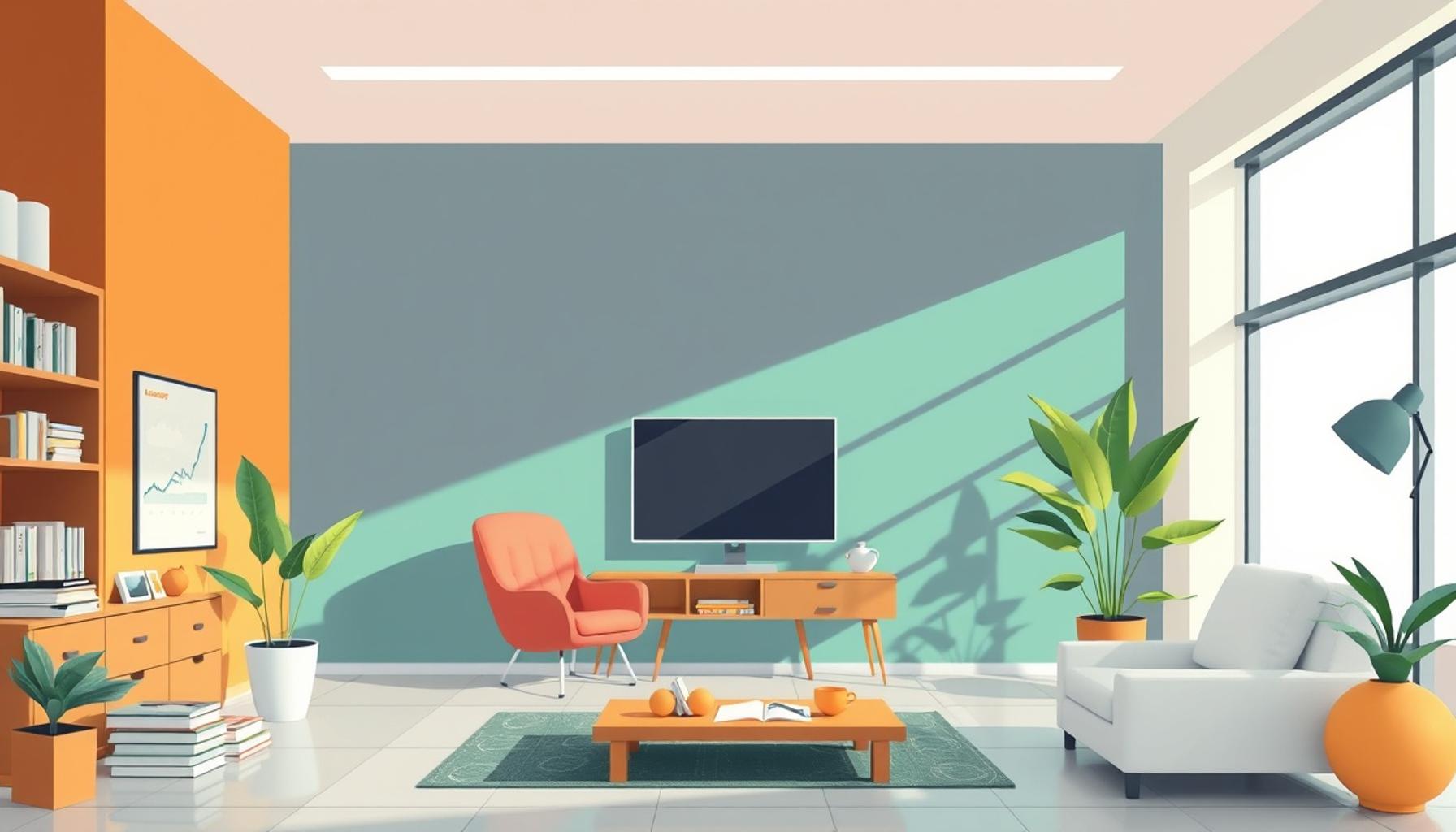
- Color palette: Soft, neutral tones such as beige, pale gray, and off-white can enhance light and make areas feel larger. For instance, a living room painted in a light pastel shade can reflect natural light more effectively than darker colors, visually expanding the space.
- Texture variation: Incorporating different textures—such as smooth fabrics juxtaposed with rough wooden surfaces—creates depth and interest without cluttering. A well-placed textured rug can demarcate areas in an open plan layout, providing definition while maintaining a cohesive flow.
- Lighting strategies: The interplay of natural and artificial light with colors can further manipulate spatial perception. Large windows that allow sunlight to pour in during the day enhance the sense of openness, while strategically arranged ambient lighting at night can create a warm and inviting atmosphere, making spaces not only functional but also enjoyable.
Regions such as California and New York have witnessed a surge in minimalist designs, where the mantra often is “less is more.” For instance, the homes in Los Angeles frequently feature open floor plans adorned with large glass doors, which blur the lines between indoor and outdoor spaces. Similarly, New York’s design firms have embraced minimalist principles, creating serene urban retreats that root through dichotomies of concrete and nature.
The right combination of these elements can evoke feelings of calmness and order, which are vital in today’s fast-paced environment filled with constant distractions. As we delve deeper into this topic, we will explore how wise choices in color and texture can transform not just interiors but also the very experience of inhabiting those spaces. Moreover, we will examine various case studies highlighting designers and projects that exemplify these principles, offering inspiration for those looking to refine their own environments.
Ultimately, the quest for a balanced aesthetic in interior design is more than a visual pursuit; it is a comprehensive approach to enhancing the quality of life within those spaces. This shift towards a holistic understanding of how design impacts our daily lives invites us to reconsider our environments and strive for serene, uncluttered spaces that promote well-being.
DIVE DEEPER: Click here to discover creative ways to utilize every corner
The Power of Color in Minimalist Spaces
Color is not merely an aesthetic choice; it harbors the intrinsic ability to influence human emotions and perceptions. In minimalist design, the color palette becomes a key player in maximizing space perception. Light hues—particularly whites, soft grays, and faint pastels—have the remarkable power to amplify light, making even the most compact rooms feel expansive. A study by the Institute of Color Research suggests that lighter colors promote a sense of tranquility and openness, essential qualities in environments that aim to minimize stress.
In homes flooded with natural light, such as many modern residences in metropolitan areas like San Francisco, the calculated use of pale colors can transform intimate spaces into welcoming sanctuaries. For example, a small apartment painted in a gentle mint green not only reflects light but also instills a feeling of serenity, making the area feel broader than its actual dimensions. This suggests that each shade carries weight in the overall impact of space design.
Furthermore, designers often utilize monochromatic schemes that play with shades and tints of a single color to create a unified appearance. This technique avoids visual clutter, allowing the eye to seamlessly flow through the space. By minimizing contrasts and promoting uniformity, one can further enhance the perception of continuity and openness, integral to a successful minimalist aesthetic.
Texture as a Tool for Depth and Interest
While color lays the groundwork for space perception, texture adds richness and dimension. In minimalist environments, where the mantra is often “less is more,” the careful layering of textures can evoke a sense of warmth without detracting from simplicity. For example, a smooth, polished coffee table paired with a textured linen sofa can create a dynamic yet cohesive look that differentiates zones within the same space without overwhelming it.
The use of various textures serves multiple purposes in minimalism:
- Creating Visual Interest: A singular hue can become visually dreary if not paired with contrasting textures. For instance, a sleek leather chair juxtaposed with a knitted throw can highlight the beauty of minimal design.
- Defining Spaces: In open-plan homes, a textured area rug can delineate dining and living areas, presenting a clear but inviting transition between spaces.
- Enhancing Comfort: Combining soft fabrics with rougher materials fosters an inviting atmosphere, making minimalist spaces feel lived-in and approachable.
Integrating texture into minimalist spaces increases tactile experiences, encouraging a deeper connection between individuals and the environment. Essentially, the conscious use of color and texture creates an environment where tranquility reigns and every element serves a purpose.
Exploring these choices reveals the profound impact of thoughtful design on our perception and experience of space. As we continue to analyze the elements that contribute to effective minimalist environments, the significance of blending color and texture becomes increasingly evident, paving the way for serene, functional spaces that enhance the quality of daily life.
| Color Psychology | Impact on Spatial Perception |
|---|---|
| Warm Colors | They tend to make spaces feel closer, enhancing intimacy but can limit the perception of space. |
| Cool Colors | Such as blues and greens, create an illusion of depth and spaciousness, fostering a calming environment. |
| Textural Contrast | Using various textures can strategically draw the eye, making minimalist spaces appear more dynamic and expansive. |
Another aspect to consider is how textures play a crucial role alongside color selection in minimalist design. The balance of smooth and rough surfaces can evoke different feelings and perceptions. For instance, a combination of soft fabrics with sleek metallic finishes creates a visual narrative that engages the observer while maintaining a sense of openness. Additionally, layering textures can draw attention to certain areas or elements of a room, enriching the overall aesthetic without overwhelming the space. By understanding the impact of these design choices, homeowners and decorators can create a cohesive look that enhances both form and function. As minimalist environments become more popular, the thoughtful selection of colors and textures remains essential to maximizing spatial perception, inviting visitors to explore every inch of the space. This interplay not only improves aesthetic appeal but also contributes to a harmonious living experience.
DISCOVER MORE: Click here for creative ways to use every corner
Bringing it All Together: The Harmony of Color and Texture
When it comes to minimalist environments, the interplay between color and texture is pivotal in crafting a cohesive visual narrative. The successful merging of these two elements not only enhances aesthetic appeal but also profoundly influences how we experience our spaces. Where color establishes the emotional undercurrents, texture introduces a tactile quality that invites interaction and enhances engagement.
One prime example of this synergy can be seen in the acclaimed designs of contemporary architects such as Ray Kappe and Tadao Ando, who expertly utilize both color and material to create spaces that feel bigger and more welcoming. Kappe’s residences, often clad in light woods and whites, utilize subtle textures to break the monotony and generate a comfortable ambiance. These choices allow the rooms to breathe, offering a visually open feel that contrasts beautifully with the textural richness of the surroundings.
The Influences of Natural Materials
In recent years, there has been a noticeable trend toward using natural materials in minimalist design. Materials such as raw wood, stone, and clay are not only sustainable but they also create intricate visual dynamics when incorporated into a minimalist aesthetic. A smooth, white-washed wall combined with a rustic reclaimed wood shelf can invite curiosity, while a polished concrete floor adds a touch of sophistication. This intentional layering of materials lends depth to otherwise flat visual planes, making even small spaces feel more inviting.
Moreover, different textures can be manipulated to influence visual weight. For instance, a wide expanse of fabric wall coverings can soften a room’s edges, creating an illusion of depth, whereas glass elements can create transparency, allowing rooms to appear less constricted. This signals how critical the intentional selection of both color and texture is in fostering openness and warmth.
Creating Focal Points
Minimalist design often employs the concept of focal points through strategic use of color and texture. Consider a focal furniture piece, like a vibrant orange sofa, set against a backdrop of soft, neutral tones and smooth textures. This instance provides a burst of energy and vibrancy, guiding the eye without overwhelming the viewer. The tactile quality of the sofa’s fabric paired with the serene walls encourages visitors to engage with the space physically and emotionally.
Additionally, innovative lighting solutions can enhance the perception of both color and texture. The careful placement of warm, directional lighting can illuminate textured surfaces, casting shadows that bring out subtle variations in hue. For instance, highlighting a textured ceramic vase on a minimalistic shelf can draw attention to both the color variations and the intricate surface design, adding layers of intrigue without complicating the visual landscape.
As we delve deeper into the elements that define minimalist environments, it becomes increasingly clear that the harmonious coexistence of color and texture is fundamental. The thoughtful combination allows spaces to breathe and resonate, delivering not only a visually appealing aesthetic but also a profound sense of well-being to those who inhabit them. By embracing these principles, one can transform any space into an uplifting oasis that feels both expansive and intimately crafted.
DISCOVER MORE: Click here for innovative space solutions
Conclusion: The Artistry of Minimalism in Color and Texture
In conclusion, the integration of color and texture plays a vital role in redefining our experience of space within minimalist environments. The careful selection of hues sets the emotional tone, while a dynamic range of textures infuses life into otherwise stark settings. Together, these elements create a visually expansive atmosphere that feels both welcoming and invigorating.
As we navigate the increasing trend toward minimalism, understanding how to utilize natural materials and thoughtful design principles becomes imperative. From the tactile allure of reclaimed wood to the elegance of polished stone, each choice contributes to a layered aesthetic that invites interaction and curiosity. As seen in the work of prominent designers and architects, the strategic placement of focal points, combined with innovative lighting techniques, has the power to transform compact spaces into airy sanctuaries.
Moreover, as we move toward more sustainable living practices, the embrace of eco-friendly materials not only enhances aesthetics but also reassures us of their environmental impact. This holistic approach underscores the importance of mindful design in creating spaces that resonate on multiple levels—visually, emotionally, and ethically.
Ultimately, by mastering the artistry behind the selection of color and texture, anyone can curate an environment that maximizes space perception while enhancing overall well-being. Whether you’re a homeowner, designer, or simply an enthusiast of clean visuals, taking inspiration from these principles will lead you to discover new dimensions in minimalist design.
Related posts:
Creating Zen Zones: Designing Calm Spaces for Mindfulness and Organization in Minimalist Homes
Shared Spaces: Optimization Strategies for Co-habitation in Minimalist Lifestyles
Functional Furniture: Design Choices that Enhance Space Efficiency in Minimalist Homes
The Role of Color and Light in Space Optimization for Minimalist Interiors
The Art of Decluttering: How to Optimize Space without Sacrificing Style
Vertical Organization: Utilizing Walls and Surfaces in Minimalist Environments

Beatriz Johnson is a seasoned productivity strategist and writer with a passion for simplifying the complexities of time management and personal organization. With over a decade of experience in efficiency optimization, she specializes in topics like workflow design, habit formation, and productivity systems for modern professionals. Through her work, Beatriz empowers readers to take control of their schedules, eliminate overwhelm, and stay ahead in today’s fast-paced world.