
The Power of Silence: Finding Mental Clarity Through Minimalism and Mindful Living
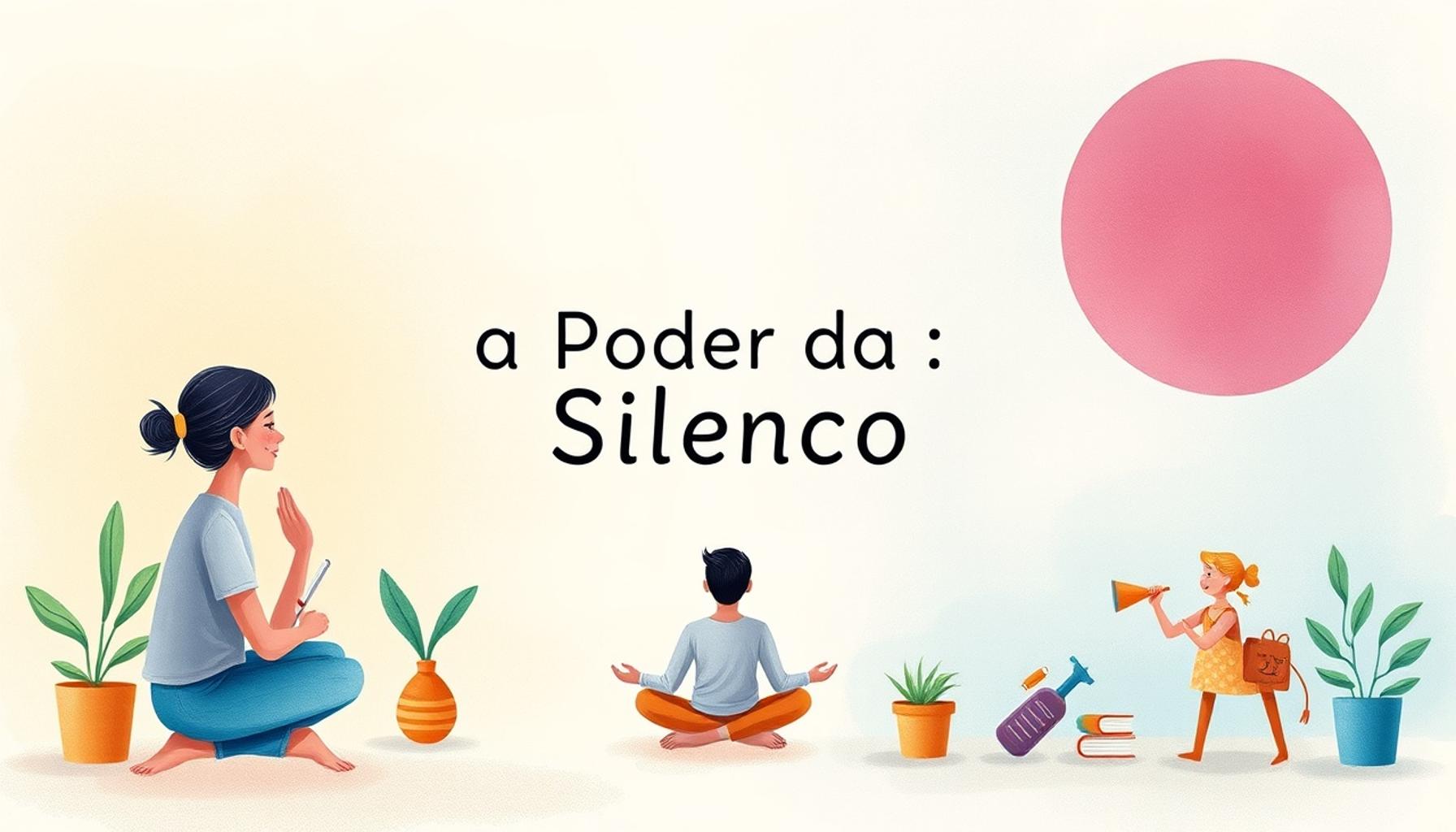
Unlocking Inner Peace
In an age where digital devices compete for our attention and urban life is characterized by constant hustle and bustle, the pursuit of mental clarity has gained unprecedented significance. Many are beginning to recognize that incorporating silence into their lives can serve as a remedy, offering a much-needed retreat for the mind. This introduction of minimalism and mindful living not only aids in self-discovery but also acts as a pathway towards achieving inner tranquility.
The Importance of Silence
Silence is a dynamic experience— it embodies much more than merely the absence of sound. It is an insightful tool that allows individuals to pause, reflect, and recalibrate their thoughts. This is especially crucial in the United States, where the environment is often riddled with background noise from cars, conversations, and media. Exploring the advantages of silence reveals numerous benefits that can significantly influence our well-being:
- Enhanced Focus: Engaging with quietude can sharpen mental clarity. For instance, individuals who practice meditation report improved concentration and heightened awareness after taking the time to disconnect from auditory distractions.
- Stress Reduction: Studies indicate that immersing oneself in silence can lower cortisol levels, which helps mitigate feelings of anxiety and stress. Quiet moments, even in a bustling city like New York, can facilitate a sense of calm amidst chaos.
- Emotional Stability: Silence provides a unique opportunity to connect with our inner feelings and thoughts. This connection promotes emotional awareness, allowing individuals to navigate their emotions more gracefully.
Minimalism Meets Mindfulness
The practices of minimalism and mindfulness are woven together in a lifestyle that thrives in tranquility. These concepts encourage individuals to take conscious steps toward simplifying various aspects of their lives:
- Declutter their environment: Reducing physical clutter in living spaces—like those found in suburban homes—creates an atmosphere conducive to mental clarity. Studies show that a tidy environment can lead to improved focus and creativity.
- Engage in intentional living: Adopting a mindset where every action is purposeful can diminish feelings of overwhelm. Engaging in activities, such as regular journaling or nature walks, can reinforce this intentionality.
- Prioritize experiences over possessions: By shifting the focus to what truly matters—experiences that cultivate joy and meaning—individuals are more likely to find fulfillment. For example, participating in community events or spending quality time with loved ones can yield deeper satisfaction than material acquisitions.
As we further delve into the exploration of these themes, it becomes apparent that embracing silence may lead to a more fulfilling existence. Whether it’s through adopting minimalist practices, engaging in mindful reflection, or simply finding those quiet moments in the day, there is immense power in stillness. Join us in this journey to unlock the transformative potential of silence and nurture your path towards inner peace.
DON’T MISS: Click here for clever ways to maximize unused spaces
Embracing the Quiet: Practical Steps to Cultivate Silence
As we navigate the frenetic pace of modern life, it becomes increasingly essential to seek out the power of silence as a counterbalance. Silence has the capability to create a sanctuary for the mind, stripping away distractions and offering an opportunity to breathe, think, and simply be. To fully harness this potential, individuals can adopt practical steps aimed at embedding silence into their daily routines and surroundings.
Creating Silent Spaces
Establishing designated areas for quiet reflection can significantly enhance mental clarity. These spaces foster an ambiance where silence reigns supreme, allowing individuals to reconnect with themselves.
- Designate a Quiet Room: Transform a room in your home into a sanctuary by minimizing distraction. Remove electronics, choose soothing decor, and include elements like plants or calming artwork to create a peaceful atmosphere. This space can serve as a retreat for meditation, reading, or simply enjoying the stillness.
- Soundproof Your Environment: For those living in bustling urban areas, enhancing the physical silence in your space can also be beneficial. Consider soundproof curtains, rugs, or even noise-cancelling headphones to drown out the external chaos when you need it most. This minor investment can yield significant returns in tranquility and focus.
- Schedule ‘Silence Hours’: Just as you might block out time for meetings or appointments, incorporating dedicated periods of silence into your daily schedule can yield a substantial change. Whether it is an early morning ritual or an afternoon break, setting aside time to be enveloped in quiet encourages consistent mental clarity.
Mindful Practices that Embrace Silence
Mindfulness practices, intertwined with silence, hold the potential to transform awareness levels profoundly. While these techniques may require some adjustment, the benefits gained are noteworthy:
- Meditation Techniques: Engaging in meditation—whether through guided sessions or solo—can help you develop a greater appreciation for silence. Breathing exercises, such as the popular 4-7-8 technique, invite stillness and promote relaxation, making it easier to focus and reflect.
- Nature Walks: Spending time outdoors in silence allows for a reconnection with the natural world and oneself. Dedicating time to walk in a park or a tranquil setting encourages mindfulness and fosters deep thoughts without distractions. Even short walks can ignite inspiration.
- Digital Detox: In our hyper-connected world, taking breaks from technology can significantly heighten clarity. Designate specific times to unplug from devices and experience the world in silence, allowing your thoughts to flow without the influence of notifications or constant connectivity.
By incorporating these practices into daily life, you can effectively nurture serenity and clarity through the rich tapestry of silence. The profound impact created by minimalism and mindful living serves as a reminder that finding stillness—even in small measures—can lead to a more fulfilled existence. As we continue exploring the intricacies of silence, regular engagement in these practices can illuminate pathways toward a calmer, more centered life. Embrace the quiet, and discover the expansive possibilities it holds.
| Advantage | Description |
|---|---|
| Enhanced Focus | Minimalism reduces distractions, allowing for improved concentration on essential tasks. |
| Stress Reduction | Mindful living promotes a serene environment, leading to lower anxiety levels and a greater sense of peace. |
Exploring the concept of minimalism reveals how simplifying our surroundings can significantly contribute to mental clarity. By intentionally reducing clutter—both physical and mental—we open ourselves to a more focused and fulfilling life. For individuals overwhelmed by constant noise, both internal and external, embracing silence can serve as a powerful tool for self-discovery. Moreover, mindful living allows one to engage fully in each moment, ensuring that our experiences are rich and rewarding. Techniques such as meditation or yoga can foster deeper connections to oneself and to nature, creating a sanctuary in a typically chaotic world. This dynamic interplay between silence, mindfulness, and minimalism culminates in heightened creativity and emotional resilience, encouraging further exploration and application in everyday practices.
DISCOVER MORE: Click here for creative ideas on utilizing unused spaces
The Impact of Silence on Mental Well-Being
In an age characterized by constant communication and information overload, the positive effects of silence can sometimes be overlooked. However, integrating silence into our lives fosters not only mental clarity but also profound emotional health. Research suggests that embracing moments of stillness can result in notable improvements in stress reduction, cognitive function, and emotional regulation.
Enhancing Focus and Productivity
The relationship between silence and productivity is a remarkable one. When individuals allow themselves to step away from the cacophony of daily life, their ability to concentrate can soar. According to a study published in the journal *Environmental Science & Technology*, environments with lower noise levels are linked to improved concentration and higher work efficiency. In contrast, a chaotic atmosphere can often lead to increased stress and reduced output.
- Quiet Working Environments: Businesses are starting to recognize the need for implementing quiet zones or focus rooms to boost employee productivity. The rise of coworking spaces often includes designated silent areas, allowing professionals to tap into the power of silence to maximize their output.
- Mindful Scheduling: Allocating time in your workday to tackle complex tasks in silence can lead to enhanced problem-solving abilities. By blocking out noise—both external and internal—individuals can enter a focused state, producing more meaningful work.
Silence as a Tool for Emotional Resilience
Experiencing silence can also enhance emotional resilience, offering a unique opportunity to process feelings and thoughts. The traditional hustle of life often inhibits self-reflection. Taking time to be quiet encourages introspection and emotional processing. This self-awareness is essential in developing emotional intelligence, which can improve interpersonal relationships and reduce anxiety.
- Creative Expression: Artists and writers frequently seek silence as a catalyst for creativity. The absence of auditory distractions provides a fertile ground for the imagination to flourish. Whether it’s through painting, writing, or even simple brainstorming, silence can stimulate the creative process.
- Journaling in Silence: Practicing silent journaling can lead to transformative insights. Spending a few moments in silence before putting pen to paper helps to clear mental clutter, making space for deeper reflections and more meaningful personal narratives.
The Neuroscience of Silence
Scientific studies underline the biological benefits of silence, demonstrating how it affects the brain positively. Research reveals that exposure to silence can stimulate the growth of new brain cells, particularly in the hippocampus—an area responsible for learning and memory. Additionally, silence can lower cortisol levels, the hormone tied to stress, allowing for a calm state of mind.
- Nature’s Silence: Engaging with natural environments, known for their inherent quiet, may provide amplified cognitive benefits. Parks and natural reserves offer not just scenic beauty but also an auditory landscape that is soothing, significantly enhancing mental restoration.
- Mindful Breathing: Practices such as deep breathing or pranayama emphasize the significance of silence in achieving inner peace. Focusing on the rhythm of your breath in a tranquil setting aids in achieving a state of mindfulness, efficiently bridging the gap between silence and mental clarity.
Embracing the power of silence is more than just creating a peaceful setting; it is a journey toward cultivating a deeper understanding of oneself. As society continues to confront the pressures of fast-paced living, turning to silence can not only provide clarity but also a pathway toward holistic well-being. In exploring these facets of silence, individuals can uncover the transformative potential that arises when we invite stillness into our lives.
DISCOVER MORE: Click here for innovative space solutions
Conclusion: Embracing the Silence for a Clearer Mind
In conclusion, the profound benefits of silence extend far beyond mere stillness; they encompass a transformative journey toward enhanced mental clarity and emotional resilience. As we navigate an increasingly noisy and chaotic world, integrating moments of silence into our daily routines becomes essential. By harnessing the power of silence, we can cultivate better focus, invigorate our creativity, and fortify our emotional health.
Investing in quiet spaces and adopting mindful living practices can yield significant improvements in not only productivity but also overall well-being. Research has consistently shown that periods of silence allow for crucial introspection, cognitive enhancement, and emotional processing, leading to an enriched quality of life. Engaging with nature’s soothing silence or practicing deep breathing techniques further underlines the neuroscience behind silence, fostering a healthy, thriving mind.
As individuals increasingly seek to simplify their lives, the path of minimalism complements the journey toward silence. By prioritizing the removal of distractions, we can actively create the mental space necessary for clarity and meaningful self-exploration. Ultimately, embracing the power of silence is not just a personal endeavor; it is a collective call to transform how we perceive our mental landscape.
In an era where noise often dominates, let us commit to rediscovering the profound peace that silence offers. The benefits of this practice are not just fleeting moments of calm but a sustainable approach to living mindfully and purposefully. The invitation to silence is clear: take a moment, embrace the stillness, and unlock the clarity within.
Related posts:
Digital Minimalism: Strategies to Reduce Distractions and Increase Mindfulness in the Information Ag...
Creating Calm Spaces: The Intersection of Personal Organization and Mindfulness
The Art of Living with Intention: How Mindful Living Complements Minimalism
The Art of Letting Go: How Minimalism Enhances the Practice of Mindful Living
Mindful Consumption: How Conscious Choices Transform Minimalism
Creating Calm Spaces: The Intersection of Minimalism and Mindful Living at Home

Beatriz Johnson is a seasoned productivity strategist and writer with a passion for simplifying the complexities of time management and personal organization. With over a decade of experience in efficiency optimization, she specializes in topics like workflow design, habit formation, and productivity systems for modern professionals. Through her work, Beatriz empowers readers to take control of their schedules, eliminate overwhelm, and stay ahead in today’s fast-paced world.