Creating Calm Spaces: The Intersection of Minimalism and Mindful Living at Home
Finding Peace in Our Homes
In today’s fast-paced world, where the sound of notifications and traffic often drowns out our thoughts, the quest for tranquility has never been more vital. People are increasingly gravitating towards the principles of minimalism and mindful living to cultivate serene environments within their homes. This dual approach not only enhances the physical spaces we inhabit but also significantly nurtures our mental well-being, allowing us to engage with our surroundings in a more meaningful way.
Why Focus on Calm Spaces?
Creating calm spaces within our homes offers numerous benefits that extend beyond mere aesthetics. For instance, the principle of minimalism emphasizes a clutter-free environment, which in turn can lead to a reduction in stress. Studies suggest that clutter can continuously stress the brain, leading to distractions and anxiety. By embracing minimalist design, homeowners are able to combat these feelings, creating a sanctuary that promotes peace.
Additionally, the tenets of mindful living encourage making intentional choices in home decor and arrangements, which can lead to enhanced focus. By surrounding ourselves with meaningful items, we engage with our space on a deeper level, transforming our homes into a site of inspiration rather than chaos.
Lastly, harmonizing our living spaces is critical for improved well-being. A well-organized environment provides comfort, a sense of belonging, and promotes mental clarity. It has been observed that people who invest time in curating their home aesthetics report lower levels of anxiety and greater personal satisfaction.
Key Elements of Minimalism and Mindful Living
Integrating the concepts of minimalism and mindful living into your home can be both a fulfilling and straightforward process. Here are several strategies to consider:
- Curating your possessions: Adopt the practice of keeping only items that add value to your life. This could mean donating clothes you haven’t worn in over a year or filtering through family memorabilia to retain only the most significant pieces.
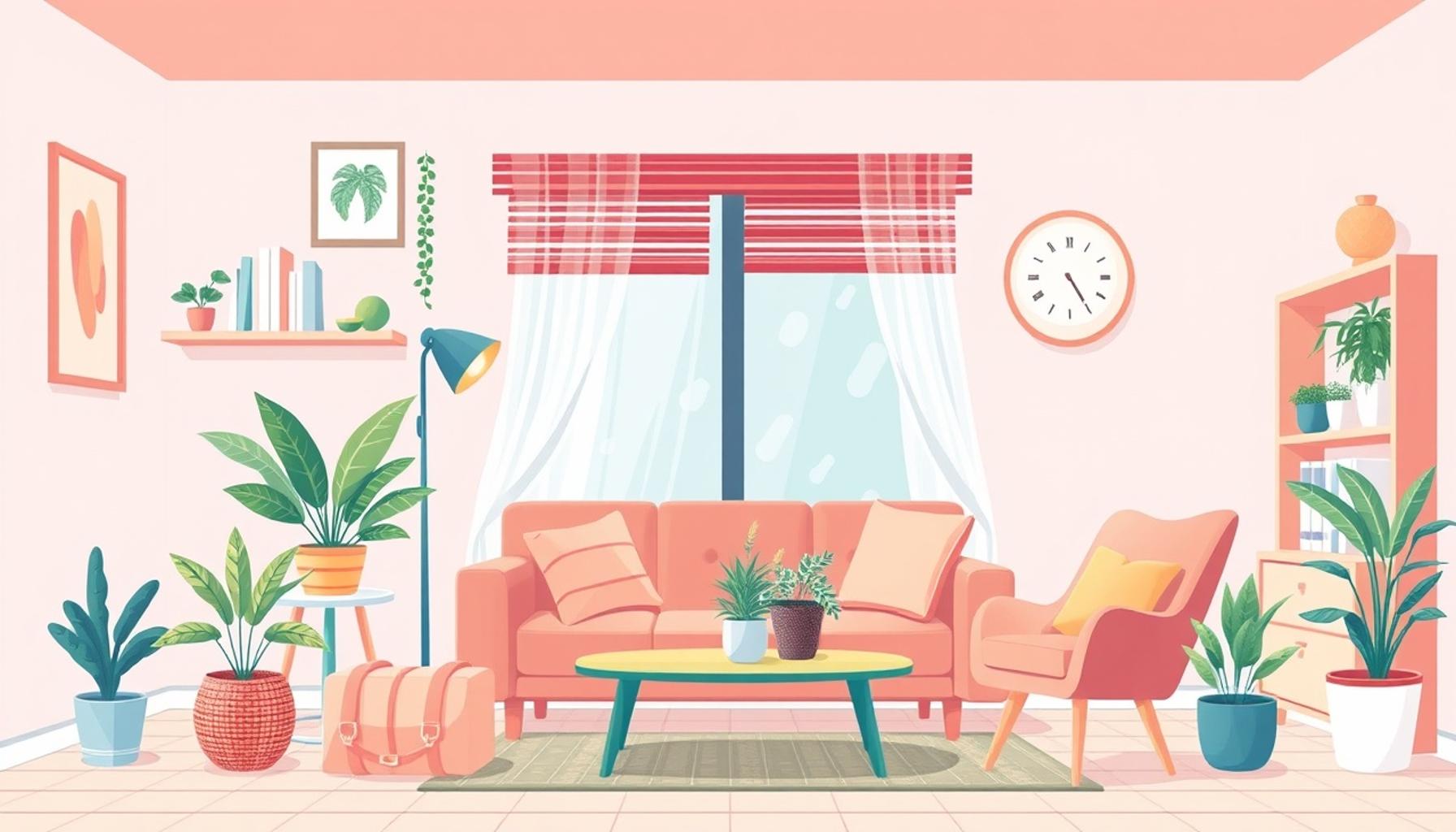
- Emphasizing natural light: Maximize the use of sunlight in your home by opting for sheer curtains or using mirrors to reflect light. Natural light has been shown to boost mood and energy levels, creating a more inviting ambiance.
- Creating zones for mindfulness: Designate specific areas within your home for relaxation and reflection. This could be a cozy reading nook by a window or an outdoor space with plants and comfortable seating.
As you embark on this journey toward a more serene living space, exploring the connections between minimalism and mindful living is essential. It allows you to discover personalized approaches that resonate with your lifestyle, ultimately helping you cultivate a peaceful sanctuary. Your home should not only reflect your personal style but also enhance your daily life, allowing you to navigate it with greater ease and balance.
DISCOVER MORE: Click here to unlock creative space solutions
Transforming Your Home into a Calm Sanctuary
To effectively create calm spaces, it is essential to grasp the integration of minimalism and mindful living as a cohesive philosophy. This intersection invites individuals to not only redefine their environments but also to reflect upon their lifestyles. By focusing on the core essence of what makes a space peaceful, homeowners can foster an atmosphere that promotes relaxation and inspires creativity.
The Power of Decluttering
At the heart of minimalism lies the act of decluttering—removing unnecessary items to highlight only what truly matters. Studies indicate that people who live in cluttered environments often report feelings of overwhelm and distraction. The first step is to assess your belongings critically. Engage in a process of elimination by asking yourself questions such as, “Does this item serve a purpose?” or “Does it bring me joy?” This thought-provoking dialogue can reveal the emotional attachments we hold onto, allowing us to sift through what adds genuine value to our lives.
Consider implementing the 90/90 rule, which entails evaluating items in terms of their use over the past 90 days or their anticipated use in the next 90 days. This method not only simplifies decision-making but also opens space for a more intentional selection of belongings. The act of letting go can be liberating, transforming your home into a serene haven that reflects clarity rather than chaos.
Mindfulness in Design
Beyond decluttering, mindful living emphasizes the significance of intentionality in how we engage with our environment. Choosing design elements that resonate with personal values fosters a connection with your space, making it feel more authentically yours. Here are several strategies to incorporate mindfulness into your home design:
- Natural Materials: Opt for furniture and decor made from organic materials like wood, stone, and cotton, which can evoke feelings of warmth and harmony.
- Color Palette: Stick to a cohesive and calming color palette. Soft neutrals and earthy tones can help create a tranquil atmosphere, while bright or harsh colors may contribute to agitation.
- Simplicity in Decor: Choose a few decor items that resonate on a personal level rather than overcrowding your space. Art pieces that inspire calmness or remind you of cherished memories can create focal points that encourage mindfulness.
Understanding how to meld these elements can significantly enhance your daily experience at home. It encourages living with intention, providing the chance to revel in your surroundings rather than rush through them. The journey toward creating calm spaces doesn’t have to be overwhelming; instead, it can be a gratifying exploration of your personal aesthetic and emotional landscape.
| Advantage | Details |
|---|---|
| Enhanced Focus | Minimalist design promotes a distraction-free environment, allowing individuals to immerse themselves in their tasks or mindfulness practices more effectively. |
| Improved Well-Being | Mindful living encourages emotional and mental health, using spaces that are calming and harmonious to enhance overall health. |
The dual principles of minimalism and mindful living not only reshape our physical environments but also how we interact with our homes. Creating calm spaces leads to an atmosphere that fosters tranquility and clarity. By prioritizing essential and meaningful elements in your living area, you eliminate excess clutter that often leads to overwhelming feelings.Incorporating mindful practices into your daily routine signals to your brain that it’s time to slow down. Think of how reducing visual distractions can chain into clearer thoughts and improved focus. Each chosen piece of furniture and decor transforms into a tool for enhancement rather than a source of stress. Moreover, cultivating an environment that promotes emotional well-being can significantly impact your mood and thought processes. By embracing these philosophies at home, you cultivate not only a beautiful space but also a haven for mind and spirit, pushing you further along the path of personal growth and serenity. The intersection of these two approaches invites deeper reflection about our living spaces and their influence on daily life.
DIVE DEEPER: Click here for innovative space solutions
Embracing Nature and the Outdoors
Integrating the natural world into our homes is a fundamental aspect of creating calm spaces. The principles of both minimalism and mindful living emphasize the importance of simplicity and serenity that nature embodies. By inviting elements from the outdoors into our living environments, we can foster tranquility and enhance our overall well-being.
Biophilic Design
One impactful way to achieve this is through biophilic design, which emphasizes a connection to nature by using natural materials, light, and greenery in our spaces. The incorporation of indoor plants has been linked to improved air quality, reduced stress levels, and increased feelings of happiness. Studies show that even small plants, such as succulents or ferns, can positively affect our mood and productivity. Consider creating a specific corner in your home dedicated to plants, where you can cultivate an indoor garden, enhancing not only aesthetics but also improving air quality and mental health.
Natural Light and Open Spaces
Another crucial element is the utilization of natural light. Spaces designed with large windows or skylights can enhance a sense of openness and can directly affect our mental well-being. Studies reveal that exposure to natural light can help regulate circadian rhythms, promoting better sleep and reducing mood disorders. When designing your space, aim for an open layout that allows for a flow of light and air—this is where minimalism shines. A less cluttered environment allows light to bounce around freely, further enhancing the calming effects of nature.
The Importance of Personal Rituals
Mindful living also invites us to develop personal rituals that enhance our daily experiences. Simple activities such as morning tea rituals or evening relaxation practices can infuse a sense of purpose and grounding within your home. Consider designing a meditation nook or a cozy reading corner that invites you to pause and reflect without distractions. Having a dedicated space for these practices encourages consistency and mindfulness, making it easier to sharpen your focus and calm your mind.
Sustainable Choices
A minimalist lifestyle is often accompanied by a commitment to sustainability. Choosing sustainable materials and furniture not only minimizes environmental impact but also contributes to a calmer living space. Products made from recycled or repurposed materials often carry unique stories and character, which can enhance the emotional connection to your home. This preference for sustainable choices resonantly aligns with mindful living, encouraging us to be conscious stewards of our environment.
The Role of Sound and Scent
Sound and scent also play pivotal roles in establishing a calm atmosphere. Consider the introduction of soundscapes—these could include tranquil playlists, nature sounds, or simple water fountains that serve to mask disruptive noise while promoting relaxation. Similarly, the use of calming scents, such as lavender or eucalyptus, through essential oils or candles can create an inviting ambiance that facilitates mindfulness. The incorporation of these sensory elements allows homeowners to curate an environment that resonates personally while fostering inner peace.
Creating these calm spaces not only enhances the quality of life within your home but also encourages a deeper connection with your surroundings and self. As you embrace these principles, you’ll find that minimalism and mindful living together shape a sanctuary that reflects your authentic self and supports a tranquil lifestyle.
DISCOVER MORE: Click here to uncover creative ideas
Conclusion
In our fast-paced world, the need for calm spaces has become more apparent than ever. By embracing the principles of minimalism and mindful living, we can transform our homes into sanctuaries that promote tranquility and mental well-being. From integrating natural elements through biophilic design to curating rituals that foster mindfulness, every element of our environment can significantly influence our emotional state.
As we strive to cultivate serenity, it’s crucial to consider how sustainable choices and sensory experiences, such as sound and scent, contribute to a holistic sense of calm. The use of natural light and open spaces not only enhances aesthetics but also supports our physical and emotional health. In this exploration, we discover that minimalism is not merely about decluttering but rather about choosing simplicity that resonates with our personal values and intentions.
Ultimately, the intersection of minimalism and mindful living invites us to create homes that reflect our authentic selves while promoting a deep connection to ourselves and our surroundings. As you embark on this journey, remember that each small change contributes to a larger transformation. With each mindful choice, you’re not just designing a living space—you are nurturing a lifestyle that prioritizes peace, sustainability, and wellbeing. Explore more about this transformative approach to living, and let your home become a true reflection of calmness and clarity.
Related posts:
Mental Decluttering: The Relationship between Minimalism and Mental Clarity in Mindful Living
The Journey of Detachment: Cultivating Awareness Through Minimalism
The Power of Less: Organization Strategies That Foster Awareness and Presence
Mindful Minimalism: Finding Balance Between Possessions and Inner Peace
Mindful Living and Minimalism: Cultivating Gratitude in a Simplified Lifestyle
Less is More: The Impact of Minimalism on Mental Health and Well-Being

Beatriz Johnson is a seasoned productivity strategist and writer with a passion for simplifying the complexities of time management and personal organization. With over a decade of experience in efficiency optimization, she specializes in topics like workflow design, habit formation, and productivity systems for modern professionals. Through her work, Beatriz empowers readers to take control of their schedules, eliminate overwhelm, and stay ahead in today’s fast-paced world.