Spaces of Calm: Creating Environments that Promote Mindful Living in a Minimalist Lifestyle
Understanding the Importance of Calm in a Hectic World
As life advances at breakneck speed, where the digital age incessantly demands our attention, the pursuit of calm has burgeoned into a pivotal necessity. Many individuals are increasingly adopting a minimalist lifestyle, intentionally choosing to simplify their lives in an effort to reclaim peace and tranquility amid the surrounding tumult. This journey of minimalism often involves not just decluttering physical possessions but also addressing mental noise.
Creating a space of calm goes beyond merely engaging in cleaning tasks; it requires a deliberate design of one’s environment to cultivate both emotional and psychological serenity. Consider the following essential elements:
- Simplicity: This principle is at the heart of minimalism. By reducing clutter and focusing on essential items that spark joy or serve a practical purpose, individuals foster a sense of order. A study from the Princeton University Neuroscience Institute highlights that clutter can adversely affect our cognitive performance and overall well-being, underscoring the importance of a simple, decluttered environment.
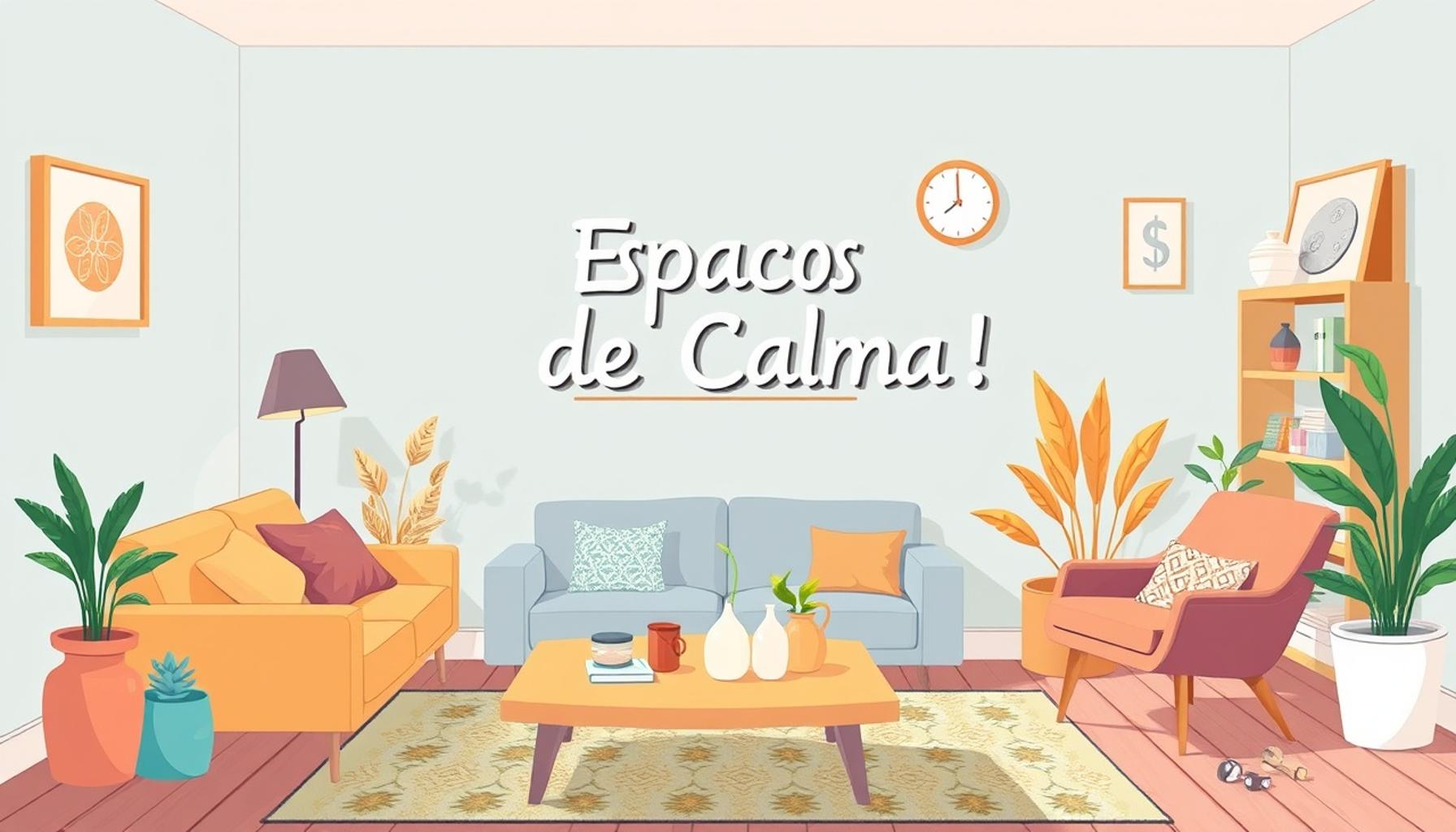
- Natural Elements: Bringing nature indoors can significantly affect one’s mood and sense of well-being. Incorporating indoor plants such as snake plants or peace lilies not only enhances air quality but also adds a refreshing touch of greenery that soothes the eye. Moreover, maximizing natural light through open windows or strategically placed mirrors can create an inviting space that promotes relaxation.
- Designated Areas: Establishing specific zones for meditation, relaxation, or deep reflection can be transformative. For instance, dedicating a corner of your home to mindfulness practices—equipped with comfortable seating, soft textures, and calming scents—encourages regular retreat from the hustle of life and can improve emotional resilience.
- Mindful Color Schemes: The use of soft, neutral colors such as muted blues, greens, and grays can create a serene ambiance that reduces stress. Color psychology suggests that even subtle changes in hue can affect our emotions and perceptions, providing a simple yet effective way to curate calm.
Integrating these elements results in nurturing a profound sense of well-being and equilibrium in daily life. Moreover, the minimalist approach prompts individuals to critically assess their possessions and relationships, encouraging a paradigm shift where one learns to align their outer environment with their inner mental state.
As we explore further into the nuances of crafting calming environments, we will uncover practical strategies and insightful tips that can ultimately transform your living area into a sanctuary of peace. This exploration presents an opportunity to discover how the principles of mindfulness can elevate everyday life, leading to a more fulfilling and serene existence. The journey towards a calmer life is not just about changing your physical space; it also encompasses a deeper understanding of oneself and the intentional creation of a harmonious life.
DISCOVER MORE: Click here for innovative space ideas
Transforming Your Space into a Sanctuary
To foster an environment that promotes mindful living, one must take deliberate steps towards transforming their space into a sanctuary. This process involves not only a visual makeover but also a thoughtful reconsideration of how each element in the space contributes to your mental and emotional state. Here are several essential strategies to guide you in creating your ideal calming environment:
- Decluttering with Intention: Start by evaluating each item in your space. Ask yourself if it brings you joy or serves a meaningful purpose. Emphasizing intentional decluttering not only creates visual simplicity but also mentally frees you from the burden of excess. This notion echoes the principles of Marie Kondo, whose philosophy embraces the joy of letting go. By dedicating time to declutter, you can create a serene backdrop that fosters mindfulness.
- Soundscapes for Serenity: The auditory environment plays a crucial role in how we experience our surroundings. Incorporating soft sounds, such as gentle music, white noise, or even nature sounds, can enhance a peaceful atmosphere. Noise can often feel overwhelming, particularly in urban settings; thus, employing subtle audio backgrounds helps cultivate an ambiance conducive to calm.
- Textures and Fabrics: The choice of materials in your space significantly impacts the overall mood. Opt for natural fabrics like cotton, linen, and wool that invite warmth and comfort. Layering different textures can add depth to a minimalist design without complicating the visual aesthetic. Consider incorporating soft cushions, throws, and rugs that evoke feelings of coziness, providing a tactile representation of calm.
- Mindful Organization: Thoughtful organization is a key component in maintaining a minimalist environment. Utilize storage solutions that blend seamlessly with your design, encouraging a visually uncluttered space. Baskets, boxes, and shelving can accommodate essentials while keeping them out of sight. This tidiness serves as a visual cue to promote mental clarity and calm.
Each of these strategies plays a vital role in the overall sense of tranquility within your personal sanctum. As you consciously choose to create spaces that emphasize simplicity, you begin paving the way towards a deeper connection with your environment. The act of mindfully arranging your surroundings can profoundly affect your emotional health, as research has shown that environmental psychology links our physical surroundings to our mental states.
Furthermore, consider incorporating personalized elements that resonate with your sense of calm and joy. Photographs, art pieces, or meaningful decor can serve as reminders of cherished moments and help foster a connection to your space. By creating environments that support mindful living, you not only enhance your surroundings but also embark on a transformative journey towards a serene lifestyle.
| Advantage | Description |
|---|---|
| Enhanced Mood | Creating an environment with calming elements leads to a significant uplift in mood. |
| Increased Focus | Minimalist spaces reduce distractions, enhancing the ability to concentrate on tasks. |
| Stress Reduction | A serene environment promotes a sense of peace, which significantly lowers stress levels. |
| Improved Wellbeing | Mindful living fosters a deeper connection with one’s surroundings, leading to overall wellbeing. |
Creating a space of calm starts with understanding the profound impact that environments have on our mental and emotional states. The minimalist lifestyle encourages not just a physical decluttering, but also an emotional and mental decluttering. This holistic approach provides numerous advantages. For instance, by eliminating excess and focusing on what truly matters, individuals can enhance their mood and promote mindfulness throughout their daily activities. Furthermore, spaces intentionally designed for calmness feature soft colors, simple decor, and natural lighting to create a tranquil atmosphere. Such environments invite serenity and foster creativity, making them ideal for both work and leisure activities. Studies suggest that when people inhabit peaceful spaces, they not only feel more productive but also significantly decrease their perceived levels of stress. This intentional design promotes mindful living, allowing individuals to create a closer connection to their environments—transforming homes into true sanctuaries of peace.
DISCOVER MORE: Click here for innovative ideas
Incorporating Nature for Enhanced Tranquility
One of the most effective ways to create spaces of calm is by incorporating natural elements that enhance the sense of peace and well-being in your surroundings. Research has shown that biophilic design—the practice of connecting individuals with nature—can significantly improve mental health and reduce stress levels. Here are some ways to infuse your space with nature:
- Houseplants: Introducing plants into your home not only purifies the air but also adds an element of life and vibrancy. Consider low-maintenance varieties such as snake plants, pothos, or peace lilies, which thrive indoors and require minimal care. The presence of plants in your space has been linked to improved mood and increased feelings of tranquility, making them vital components of a mindful living environment.
- Nature-Inspired Decor: Beyond live plants, consider utilizing decor that reflects the beauty of the outdoors. Artwork portraying landscapes, botanical prints, or even natural materials like wood and stone can create a striking harmony between your interior and the natural world. This subtle integration fosters a feeling of calm and connection to nature, helping to alleviate the pressures of urban life.
- Natural Lighting: Light plays a fundamental role in influencing our mood and energy levels. Maximizing natural light in your space can uplift your spirit and enhance your overall well-being. Arrange your furniture to facilitate light’s flow, and consider using sheer curtains that allow daylight in while offering some privacy. On darker days, soft, warm artificial lighting can mimic the gentle glow of sunlight, contributing to a welcoming atmosphere.
Creating spaces that resonate with nature leads to a sense of grounding, promoting an environment that supports mindful living. The combined elements of plant life, natural decor, and thoughtful lighting can significantly transform a home, vibrating with serenity and clarity. Further, it is essential to create areas specifically designated for relaxation. These are spaces where you can unwind, reflect, or meditate, helping nurture a sense of calm.
Mindfulness Through Color and Design
The colors and design elements within your space can significantly influence your emotional responses. Research indicates that certain colors can evoke specific feelings and moods. When redesigning your environment, consider the psychological impact of color:
- Soft Neutrals: Palettes dominated by soft neutrals, such as whites, beige, and grays, can evoke feelings of peace and spaciousness. These shades promote mental clarity, making them ideal for minimalist design, where simplicity is the key.
- Calming Blues and Greens: Incorporating hues of blue and green is known to reduce anxiety and promote relaxation. These colors mimic natural elements like the sky and forests, creating a bridge that evokes tranquility in your space. Whether through paint, accents, or accessories, they can transform the mood of a room.
- Accent Colors: While maintaining a minimalistic approach, consider the use of a few accent colors that bring vibrancy while remaining harmonious. Muted tones of terracotta, mustard, or soft pastels can offer a gentle spark of energy without overwhelming the overall ambiance.
By consciously choosing colors that resonate with your ideals of calmness, you can further enhance the peaceful atmosphere of your sanctuary. A mindful approach to color selection complements the various elements that contribute to a holistic design, thus creating a cohesive environment that not only meets your aesthetic needs but also supports your mental well-being.
DISCOVER MORE: Click here for innovative ways to utilize those overlooked spaces
Conclusion: Embracing Tranquility in Every Corner
In a world often overwhelmed by noise and distractions, fostering spaces of calm has never been more essential. The art of creating environments that promote mindful living, especially within a minimalist lifestyle, is a transformative journey that encourages us to embrace simplicity, nature, and harmony. From incorporating vibrant houseplants that breathe life into our homes to implementing color palettes that soothe and uplift, every detail plays a pivotal role in our emotional well-being.
A holistic approach—which seamlessly marries design elements like natural lighting and harmonious decor with the therapeutic benefits of nature—nurtures a sense of peace and clarity. These calm spaces become sanctuaries where individuals can disconnect from the chaos of daily life, allowing for reflection, meditation, and rejuvenation. The key lies in thoughtfully selecting the features that resonate most deeply, creating a personalized sanctuary that fits our lifestyle.
Moreover, as we prioritize mindfulness in our living spaces, we also cultivate a deeper connection to ourselves and the environment. This conscious awareness can lead not only to improved mental health but also to a heightened appreciation for the beauty that surrounds us. As you embark on your journey to design your tranquil haven, consider every element from the plants you choose to the colors you embrace—each decision contributes to a larger narrative of serenity.
Ultimately, by embracing the principles of minimalism and infusing our spaces with elements of calm, we pave the way for a more mindful existence, transforming our homes into cherished retreats that rejuvenate the spirit and enrich our daily lives.
Related posts:
The Journey of Detachment: Cultivating Awareness Through Minimalism
The Power of Silence: Finding Mental Clarity Through Minimalism and Mindful Living
Creating Calm Spaces: The Intersection of Personal Organization and Mindfulness
The Art of Letting Go: How Minimalism Enhances the Practice of Mindful Living
Refuge Spaces: Integrating Mindfulness Practices in Home Organization
The Art of Living with Intention: How Mindful Living Complements Minimalism

Beatriz Johnson is a seasoned minimalist and writer with a passion for simplifying the complexities of personal organization and decluttering. With over a decade of experience in the field, she specializes in topics like minimalist living, efficient organization strategies, and creating intentional spaces. Through her work, Beatriz empowers readers to make mindful decisions about their belongings, streamline their lives, and embrace a more organized and fulfilling lifestyle.