The Art of Decluttering: How to Optimize Space without Sacrificing Style
Understanding the Importance of Decluttering
In an age where rapid consumption defines much of our daily lives, the practice of decluttering has emerged as a vital activity for promoting well-being. Many individuals, especially in urban areas of the United States, struggle with the accumulation of possessions that once brought joy but have now become burdensome. Recognizing the need to create a serene and efficient living space is the first step in regaining control over one’s environment.
One of the primary advantages of decluttering is the boost in mental clarity. Research has shown that clutter can lead to increased stress and anxiety levels, making it challenging to focus on tasks. For instance, a clean and organized workspace has been linked to improvements in cognitive performance and decision-making, which can positively affect both personal and professional lives. Imagine walking into an orderly home where everything has its place; the mind feels lighter, and creativity flourishes.
Moreover, an organized space enhances productivity. A clutter-free environment promotes greater focus and efficiency, allowing individuals to channel their energies toward meaningful pursuits rather than getting lost in chaos. Take, for example, remote workers who operate from home; a streamlined workspace can prevent distractions and facilitate deeper concentration, ultimately enhancing work quality.
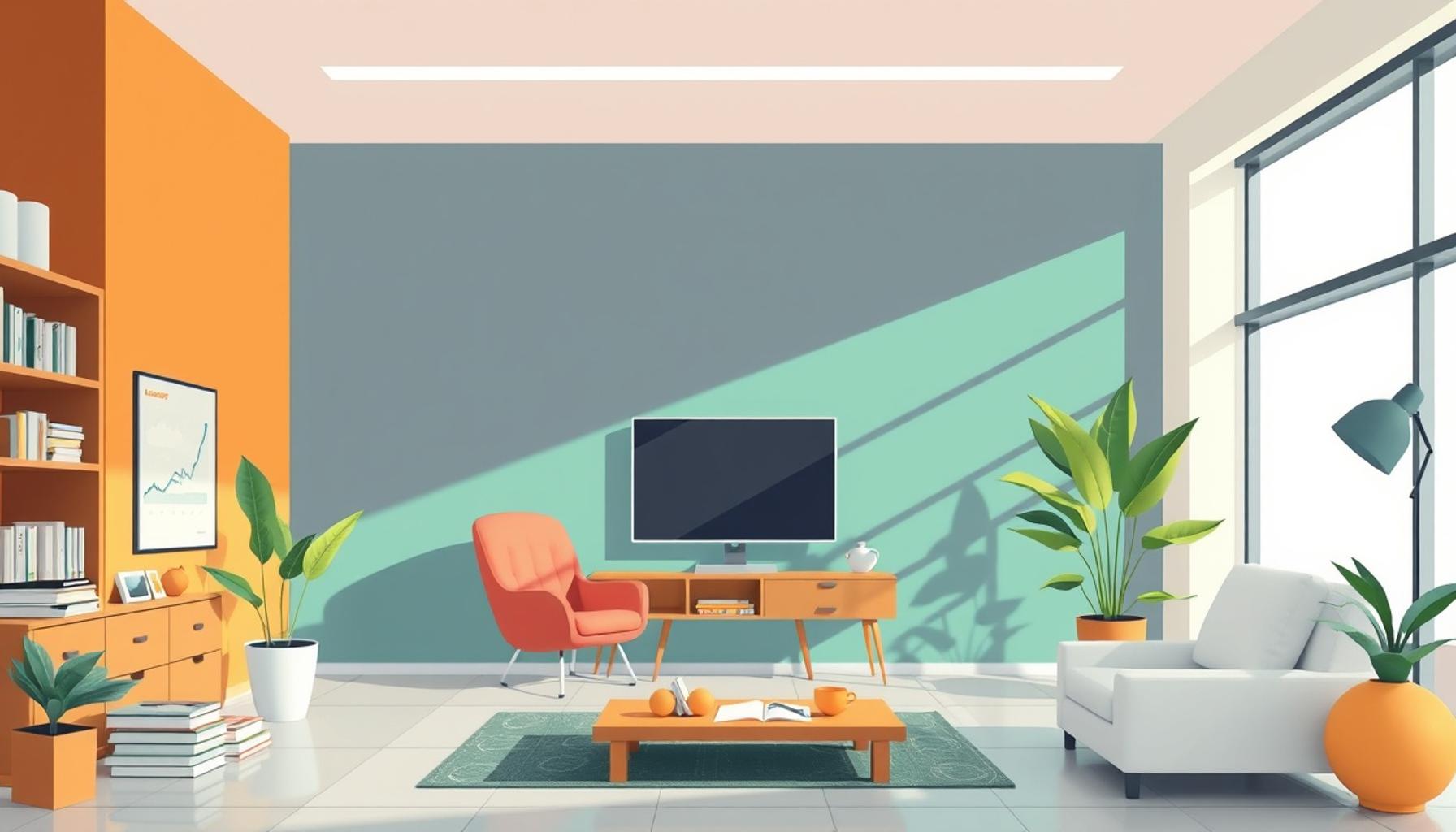
Additionally, a well-maintained home fosters an inviting atmosphere. This is particularly crucial for social engagements or family gatherings. When guests enter a tidy and thoughtfully arranged space, they are likely to feel welcomed and comfortable. Consider the difference between a clutter-heavy living room stacked with various items and a thoughtfully curated space that reflects personal style while promoting relaxation and connectivity.
A common misconception is that decluttering equates to sacrificing personal style or sentimentality. In reality, the process should emphasize identifying essential items. It’s about retaining what truly resonates with you, rather than clinging to items because of guilt or obligation. Evaluating the emotional and practical value of each item can lead to a more meaningful collection.
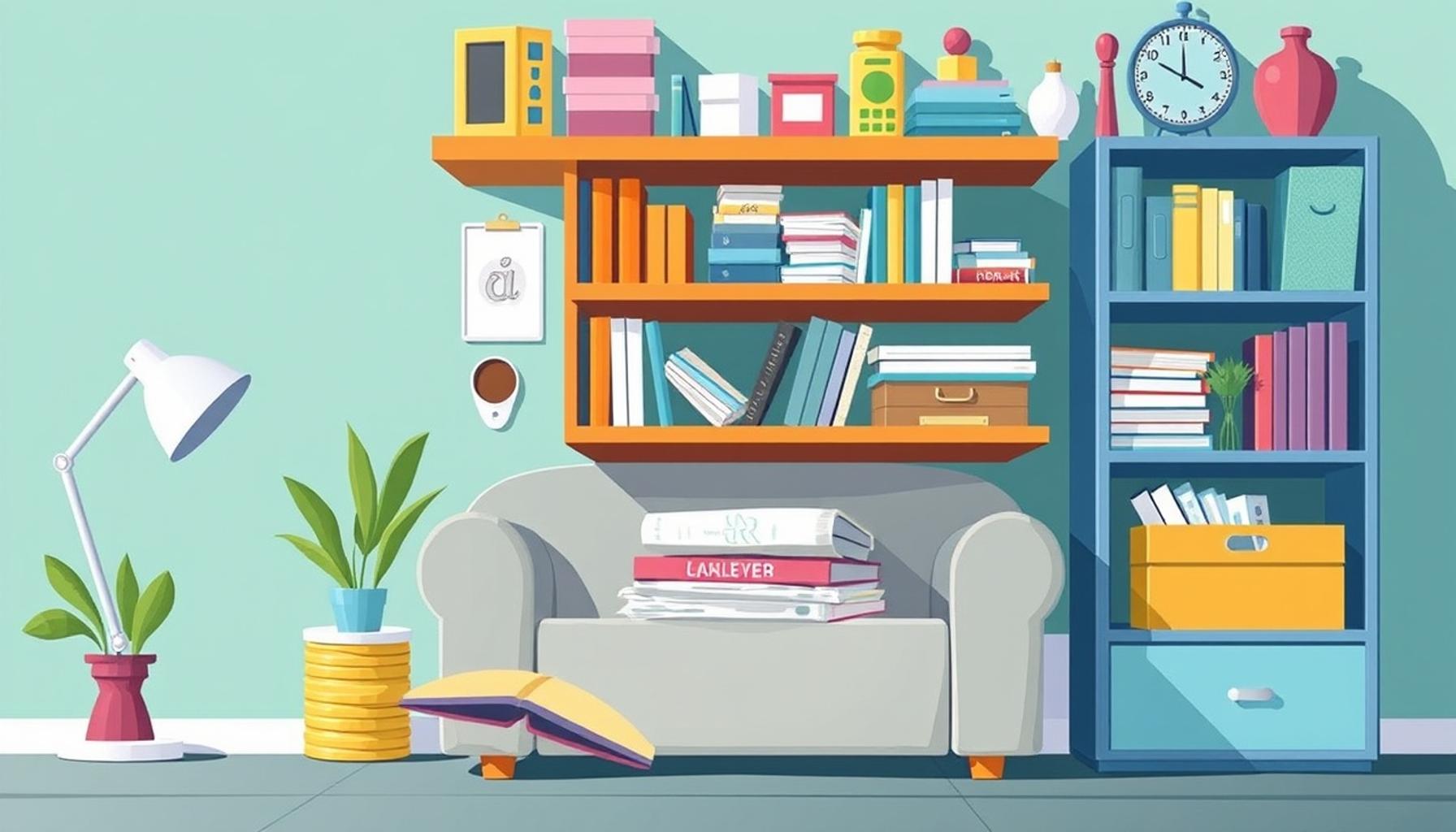
Utilizing clever storage solutions also plays a vital role in successful decluttering. By maximizing vertical space with shelves or using furniture that doubles as storage—like ottomans or coffee tables—one can maintain a polished look without compromising on essentials. This approach harmonizes functionality with aesthetic appeal, showcasing individual style while keeping clutter at bay.
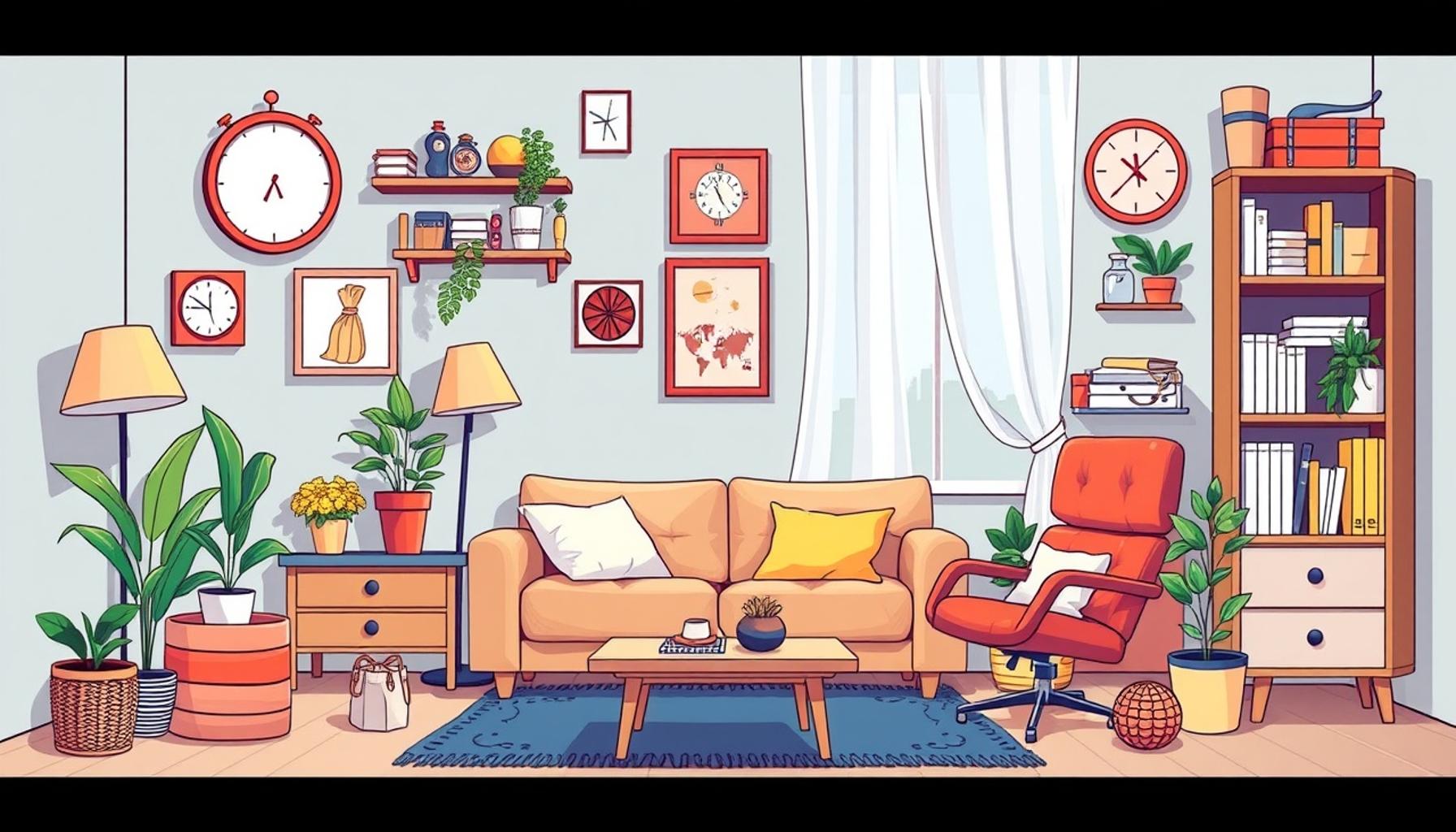
Furthermore, incorporating design elements into your space can enhance its appeal. Consider using decor items such as art pieces and plants that reflect your personality. This not only beautifies your home but also allows you to create a unique atmosphere that feels both organized and personal. Balancing structure and style can transform a standard living space into one that tells a story about who you are, all the while remaining orderly and neat.
In this article, we will delve deeper into practical tips and creative strategies to help you optimize your space effectively. Join us as we explore ways to rethink your relationship with your belongings, ensuring that your living environment is not just clutter-free but also a reflection of your individuality and taste.
DISCOVER MORE: Click here to uncover creative uses for your unused spaces
Practical Strategies for Effective Decluttering
As the journey of decluttering begins, the question of where to start can often feel overwhelming. Luckily, implementing a few practical strategies can turn the daunting task into a manageable project. The first step is to set clear goals. Identify what you want to achieve—whether it’s creating a welcoming living area, establishing a functional office space, or simply making room for new treasures. These objectives will guide your decluttering efforts and keep you motivated.
Once goals are set, consider adopting the Four-Box Method, a popular approach embraced by minimalists and organizers alike. This method entails designating four boxes labeled: Keep, Donate, Trash, and Relocate. As you sift through items, ask yourself specific questions:
- Do I use this item regularly?
- Does it hold significant sentimental value?
- Is this something I truly love or need?
If an item doesn’t meet at least one of these criteria, it likely belongs in the Donate or Trash box. This process fosters a healthier relationship with your possessions, encouraging a mindset shift where what remains is intentional and meaningful.
Another critical aspect of successful decluttering is time management. Carving out specific time blocks for decluttering can prevent procrastination and make the process feel less overwhelming. Aim for short, focused sessions—30 minutes to an hour—rather than lengthy marathons that can lead to burnout. To maintain enthusiasm, consider implementing a timer system; setting a timer for your designated decluttering session can create a sense of urgency while making the task feel more approachable.
Creating Functional Spaces
After sorting through belongings, it’s essential to establish functional spaces that work in harmony with your lifestyle. For small rooms or apartments, focus on multi-functional furniture that can help you maximize your space without sacrificing style. For instance, consider:
- Storage ottomans: Perfect for storing items while providing extra seating.
- Wall-mounted shelves: Utilizing vertical space effectively to display books and decor.
- Foldable tables: Ideal for entertaining and can be tucked away when not in use.
These dual-purpose pieces not only offer storage solutions but also contribute visually to the overall aesthetic of your home. By consciously selecting furniture that embodies both form and function, you maintain an organized atmosphere that reflects your unique style.
Furthermore, remember that a decluttered space doesn’t have to be devoid of personality. Integrating inspiring decor and artwork can elevate your home’s ambiance. Choose decor that resonates with you, such as vibrant paintings or thoughtful artisanal pieces, to remind you of your taste while keeping clutter in check.
By implementing these strategies, you’ll be well-equipped to embark on your decluttering journey. A methodical approach to organization not only enhances functionality but also cultivates a serene environment that nurtures creativity and peace of mind. The next steps will delve deeper into the emotional aspects of decluttering, helping you redefine your relationship with your belongings for a transformative impact on your living space.
| Advantages | Details |
|---|---|
| Maximizes Usable Space | By implementing decluttering techniques, you effectively enhance the functionality of your environment, enabling a more organized lifestyle. |
| Enhances Aesthetic Appeal | Maintaining a tidy space not only contributes to your home’s visual harmony but also reflects your personal style, making it more inviting. |
| Promotes Mental Clarity | A clutter-free environment can lead to increased focus and productivity, allowing for a more peaceful state of mind and reduced stress levels. |
| Fosters Sustainability | By decluttering, you often identify items for donation or recycling, which aids in creating a more sustainable lifestyle and reducing waste. |
The journey of decluttering is not merely about throwing things away; it’s an opportunity to redefine your space. By removing excess items, you can utilize your belongings more efficiently, ensuring everything has a designated place. This optimizes square footage, allowing you to enjoy your space fully. Furthermore, a well-organized environment brings forth a style that speaks to both comfort and elegance. This balance between functionality and aesthetics ensures that every piece in your home has a role while still being visually appealing. With each item intentionally chosen, you cultivate a space that feels harmonious and reflective of your personal taste. As you delve deeper into the art of decluttering, consider how your space not only reflects who you are, but also influences your mood and productivity. Embracing this process can lead to transformative changes that resonate throughout all aspects of your life.
DISCOVER MORE: Click here to uncover creative uses for your unused spaces
Emotional Benefits of Decluttering
While many view decluttering as merely a tactical project aimed at tidying up living spaces, it is equally important to recognize the emotional benefits of an organized environment. Research indicates that a cluttered space can lead to increased stress levels and decreased productivity. In contrast, simplicity and organization can promote mental clarity and serenity, allowing individuals to focus on what truly matters.
Studies conducted by various psychological institutions suggest that the act of decluttering can serve as a form of therapy—often referred to as a therapeutic de-cluttering experience. As items are removed from living spaces, individuals may find themselves reflecting on their emotional attachments and the reasons behind their possessions. This introspective journey may lead to enhanced emotional well-being and even improved relationships. The space we inhabit influences our mental state, making it crucial to curate environments that foster tranquility.
Mindful Decision-Making
Another facet of decluttering is the practice of mindful decision-making. Each item we choose to keep in our possession can reflect our identities, aspirations, and even our past experiences. By approaching decluttering with mindfulness, we begin to sift through layers of our existence to uncover what holds genuine promise for the future. Consider implementing a mantra like, “Does this item add value to my life?” while weighing the fate of each possession. This strategy can separate emotional baggage from what contributes positively to our lives.
Additionally, embracing a one-in-one-out policy can be an effective way of maintaining the balance achieved during decluttering. For every new item that enters your home—be it a trendy piece of decor or the latest gadget—commit to removing an existing item. This principle not only prevents the re-emergence of clutter but helps in curtailing impulse buying habits, ultimately leading to a curated collection shaped by intention rather than excess.
Cultivating a Declutter Mindset
Beyond the physical act of decluttering, cultivating a declutter mindset can substantially transform your relationship with possessions in the long term. This involves regular assessments of your surroundings, creating a habit of examining whether items continue to serve you and contribute to your vision of a stylish space. Consider incorporating a seasonal decluttering ritual—perhaps during spring or right before the holiday rush. This proactive approach ensures that your living environment evolves with you and your changing needs.
The minimalist movement has gained traction in the United States over the past decade, with many individuals opting for simplicity as a lifestyle choice. Popular figures like Marie Kondo advocate for keeping only those items that “spark joy,” underscoring the growing recognition of emotional well-being tied to our spaces. Engaging with this paradigm shift not only allows for an aesthetically pleasing environment but also establishes a sense of harmony that resonates throughout various areas of life.
By marrying emotional awareness with practical strategies, the art of decluttering transcends mere organization. It becomes a fundamental practice that enhances both your living space and overall quality of life—laying the foundation for a clutter-free, stylish haven that mirrors your true self. Embracing these principles paves the way for a fulfilling journey, helping you navigate the intersection of space optimization and aesthetic expression.
DISCOVER MORE: Click here for innovative space ideas
Conclusion: Transforming Spaces and Lives
In conclusion, the art of decluttering is much more than a mere tidying task; it is a transformative journey that significantly impacts both our physical environment and emotional well-being. By embracing a mindful approach to the belongings we choose to keep, we can create spaces that not only reflect our unique style but also promote serenity and clarity in our lives. The deliberate process of reviewing our possessions encourages us to confront our emotional attachments and fosters a deeper understanding of what truly enhances our daily experiences.
Moreover, the strategies highlighted throughout this article, such as implementing a one-in-one-out policy and cultivating a declutter mindset, empower individuals to maintain organized environments long after the initial decluttering phase. This commitment to simplicity not only reduces stress but also enables us to prioritize the items that genuinely spark joy and serve a purpose in our lives. As many embrace the principles of minimalism, we see a societal shift towards intentional living, resonating across various facets of life.
Ultimately, optimizing space without sacrificing style is achievable. By marrying aesthetics with practicality, decluttering transforms our homes into visually appealing and functional sanctuaries. As you embark on your decluttering journey, remember that each choice shapes a living space that mirrors your values and aspirations. Take this opportunity to craft an environment that inspires you, fosters creativity, and supports a fulfilling lifestyle—because a carefully curated space can indeed spark joy and elevate the quality of life.
Related posts:
Creating Zen Zones: Designing Calm Spaces for Mindfulness and Organization in Minimalist Homes
The Art of Letting Go: How Minimalism Can Help Optimize Workspaces
Vertical Organization: Utilizing Walls and Surfaces in Minimalist Environments
Maximizing Small Spaces: Minimalist Organization Tips for Compact Apartments
Functional Furniture: Design Choices that Enhance Space Efficiency in Minimalist Homes
Shared Spaces: Optimization Strategies for Co-habitation in Minimalist Lifestyles

Beatriz Johnson is a seasoned productivity strategist and writer with a passion for simplifying the complexities of time management and personal organization. With over a decade of experience in efficiency optimization, she specializes in topics like workflow design, habit formation, and productivity systems for modern professionals. Through her work, Beatriz empowers readers to take control of their schedules, eliminate overwhelm, and stay ahead in today’s fast-paced world.