The Art of Decluttering: How Space Optimization Enhances Mental Clarity

Understanding the Need for Decluttering
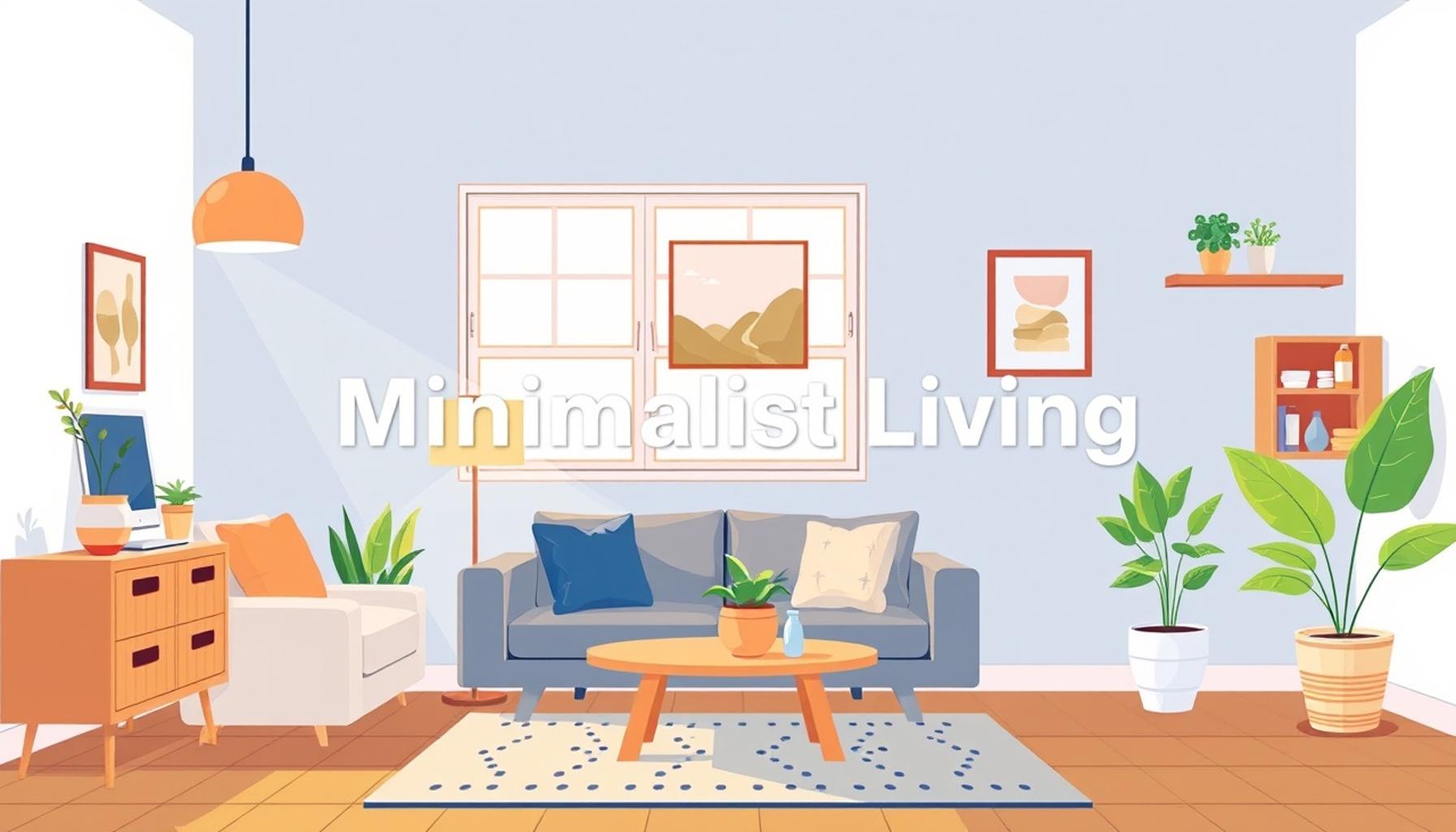
As life becomes increasingly hectic, the accumulation of possessions tends to create not just physical clutter but also mental chaos. In a world where consumerism reigns supreme, many find themselves surrounded by items that no longer serve any purpose in their lives. This clutter can dampen productivity, diminish focus, and contribute to feelings of anxiety. Engaging in decluttering is not merely about creating a tidy space; rather, it is a significant step toward cultivating an organized mindset.
The Benefits of a Clutter-Free Environment
The advantages of a decluttered environment are numerous, extending far beyond aesthetic appeal. Firstly, consider the aspect of increased productivity. Numerous studies show that a clean workspace can significantly boost concentration, allowing individuals to accomplish tasks more efficiently. For professionals working from home, maintaining an organized space can directly correlate with improved overall performance and job satisfaction.
In addition, a simplified environment contributes to a reduced level of stress. Research indicates that living in a cluttered space can trigger feelings of overwhelm. By removing excess items and creating a serene environment, one can cultivate a more peaceful atmosphere conducive to relaxation and mental clarity. Imagine walking into a room that breathes tranquility instead of chaos—it poses a stark contrast to clutter that may inadvertently draw attention away from what’s important.
Moreover, the act of decluttering can elicit an improved mood. Surprisingly, the process of sorting through belongings and letting go of those that no longer serve a purpose can promote a profound sense of accomplishment. This feeling, often accompanied by relief, nudges individuals toward a positive self-image, enhancing overall well-being.
Making Space for What Matters
With millions of Americans grappling with the burden of excess possessions, mastering the art of space optimization becomes crucial. Each item in our living spaces should ideally fulfill a role, either by providing joy or serving a functional purpose. The philosophy of minimalism advocates for a more intentional approach to belongings, encouraging individuals to reflect on what truly matters—be it cherished memories, essential tools, or meaningful connections.
As we delve deeper into the principles of decluttering, it is evident that less indeed means more. By relinquishing attachments to unnecessary items, we can clear the mental clutter that often clouds decision-making and creativity. The journey of decluttering can be transformative, allowing us to shift our focus from the trivial to the essential.
Join the Movement Towards Clarity
As we explore further the profound impacts of decluttering on mental clarity, we invite you to discover practical strategies and expert tips that can help lead to a more organized and fulfilling life. Whether you’re looking to tackle a single room or an entire home, the rewards of decluttering are within reach. Ultimately, embracing a decluttered lifestyle not only reshapes our physical environments but also paves the way for clarity and purpose in our daily lives.
DISCOVER: Click here to find creative ways to utilize your unused spaces
Rediscovering the Meaning Behind Your Belongings
One of the fundamental steps in the art of decluttering lies in understanding the emotional ties we form with our possessions. Many people find themselves hoarding items that carry memories or sentimental value, often leading to an overwhelming array of belongings. A critical approach to decluttering starts with evaluating what each item truly means to us. Ask yourself questions such as: Does this bring me joy? Is it useful in my daily life? Am I keeping it out of obligation or guilt? This introspection not only facilitates a more targeted decluttering process but also helps establish a healthy relationship with material items.
Practical Steps to Begin the Decluttering Journey
Embarking on the journey towards a more organized life can feel daunting. However, breaking the process down into manageable steps can significantly ease the transition. Consider the following practical strategies for effective decluttering:
- Start Small: Focus on one area at a time, such as a single drawer or corner of a room. Small victories build momentum.
- Establish Sorting Categories: Create categories such as ‘Keep’, ‘Donate’, ‘Recycle’, and ‘Trash’. This method provides clear paths for decision-making.
- Set a Time Limit: Allocate a specific time for decluttering sessions to prevent burnout. Even 15-30 minutes can make a significant difference.
- Use the “One In, One Out” Rule: For every new item you bring into your home, aim to remove one. This practice helps maintain balance.
- Document Progress: Take before-and-after photos of the spaces you declutter. Visualizing the transformation can serve as motivation.
These steps serve as a foundation for anyone looking to embrace the principles of space optimization while enhancing mental clarity. Each decision to part with an item becomes a stride toward a more focused and fulfilling life.
Creating a Vision for an Organized Space
As decluttering commences, it’s essential to create a vision for the space you wish to nurture. What do you want your living environment to evoke? Whether it’s calmness, functionality, or creativity, envisioning an ideal space can guide the decluttering process. Beyond merely making room for what you need or love, consider how the environment impacts your daily routines, creativity, and overall mental well-being. A well-organized space can act like a blank canvas, ready for you to engage fully in your personal and professional endeavors.
Ultimately, the journey of decluttering encompasses more than just clearing clutter—it’s about making room for clarity, calmness, and purpose. As we progress further into the nuances of space optimization, expect to uncover how these actionable insights lead to transformative life changes, enhancing mental clarity one item at a time.
The Impact of Space Optimization on Mental Clarity
The connection between physical space and mental well-being has been a topic of interest among psychologists and interior designers alike. As we delve into the intricate relationship between clutter and clarity, it becomes evident that a well-organized environment can significantly enhance cognitive function and emotional health. One of the most profound impacts of decluttering is the reduction of stress and anxiety. When our surroundings are cluttered, our brains can feel overwhelmed, making it difficult to focus and concentrate. Research has shown that people who maintain organized spaces report higher levels of productivity compared to those who work in chaotic environments. This highlights the importance of creating a serene setting where the mind can flourish.In addition, space optimization fosters creativity and innovation. An uncluttered workspace allows for free flow of ideas, enabling individuals to think outside the box. By eliminating distractions, we can engage deeply with our thoughts, leading to a boost in creativity. Many successful entrepreneurs and artists attribute their breakthroughs to the clarity gained from a minimalistic environment.Moreover, decluttering often aids in establishing a sense of control over one’s life. The act of organizing belongings translates to managing stressors more effectively, leading to improved decision-making skills. When you clear your physical space, you create room for positive emotional experiences, reinforcing a cycle of clarity and peace of mind.Implementing strategies such as the “one in, one out” rule can help maintain this sense of order. By constantly evaluating what serves a purpose in our lives, we not only optimize our spaces but also cultivate a mindset conducive to clarity. As we embrace the art of decluttering, we continue to discover new aspects of ourselves, revealing deeper mental insights and fostering overall well-being.
| Category 1 | Category 2 |
|---|---|
| Benefits of Decluttering | Enhances focus and reduces anxiety |
| Space Optimization Techniques | Promotes creativity and emotional well-being |
The process of decluttering is more than just a physical transformation; it is a gateway to mental clarity and emotional stability. Understanding how to effectively optimize space can lead to a profound shift in one’s overall quality of life, encouraging individuals to explore and revel in their newfound clarity.
DIVE DEEPER: Click here for innovative ways to maximize every corner
Reimagining Functional Spaces
Once you embark on your decluttering journey, space optimization becomes a key element in transforming your environment. It’s important to recognize that space is not merely a physical container for belongings; it shapes our daily experiences and influences our productivity and emotional state. By systematically organizing your belongings, you can create functional spaces tailored to your lifestyle and priorities.
Consider the layout of each room in your home. For example, your home office should inspire focus and creativity, which can be achieved by strategically repositioning furniture and maintaining an orderly desk. Incorporating storage solutions—like baskets, shelves, and file organizers—can eliminate distractions and cultivate a serene workspace. A recent study found that a clutter-free environment can enhance concentration by up to 30%, showcasing the extent to which clutter affects our cognitive functions.
Zones for Purposeful Living
Another effective space optimization strategy involves dividing your living areas into defined zones, tailored to specific activities. This segmentation allows you to allocate space according to function, which can yield profound benefits for both mental clarity and productivity. For instance:
- The Relaxation Zone: Create a cozy nook for relaxation with comfortable seating and personal items that evoke positive memories, such as photos or books.
- The Productivity Zone: Dedicate an area for work or hobbies, and ensure it’s equipped with all necessary tools while keeping distractions to a minimum.
- The Social Zone: Designate an inviting space for socializing that encourages interaction, clear of clutter that could hinder conversation flow.
By establishing these zones, not only do you enhance functionality, but you also reinforce the psychological boundaries necessary to switch between different activities. This promotes a sense of purpose, ensuring that each area of your home serves its intended function and contributes to your overall well-being.
Mindfulness in Organizing
Integrating mindfulness into the decluttering process can also amplify the benefits of space optimization. Approach each item with intention and focus, recognizing that the act of organizing is not merely transactional but a ritual that encourages reflection. Engaging in mindfulness can transform a mundane task into a rejuvenating experience.
As you sort through your belongings, practice being present. Look at each item while considering its impact on your mental state. The suitcase you haven’t used in years may evoke memories of past travels, but holding onto it may create an emotional burden. Instead, consider taking a photo of those memories while letting go of the physical item. This practice not only clears clutter but also provides an opportunity for emotional release.
Moreover, studies show that embracing mindfulness while eliminating clutter fosters resilience and emotional regulation, allowing for improved focus and less anxiety in your daily life. By combining the principles of space optimization with mindfulness, you lay the groundwork for a holistic approach to mental clarity.
Throughout your decluttering journey, remember that every small step contributes to creating a harmonious living environment. By engaging with your belongings purposefully and designing zones according to your needs, you can enhance your home and mental well-being simultaneously.
DISCOVER MORE: Click here to uncover creative ideas for your unused spaces
Conclusion: Embracing the Transformative Power of Decluttering
In conclusion, the journey towards embracing the art of decluttering is not merely about clearing physical space; it holds the key to unlocking mental clarity and enhancing overall well-being. By implementing space optimization techniques and creating purposeful zones within your living environment, you can cultivate a harmonious atmosphere that encourages focus, creativity, and relaxation.
The relationship between our surroundings and mental state is profound; a clutter-free space leads to improved concentration, as underscored by studies revealing heightened cognitive functioning in organized environments. Moreover, incorporating mindfulness into your decluttering process allows for emotional connection and intentionality, transforming an often-daunting task into an empowering ritual of self-discovery.
As you embark on this transformative process, consider the ripple effects of decluttering—enhanced productivity in your professional life, deeper connections in your social interactions, and a greater sense of peace in your personal sanctuary. Every item you evaluate and every space you optimize brings you one step closer to a lifestyle marked by clarity and intention.
Continuing on this path will not only enrich your living spaces but also enable a profound shift in your mindset. So take the plunge, reclaim your space, and find the liberation that comes with making conscious decisions about what you let into your life. In this artistic endeavor, you may discover that the most remarkable transformations lie within.
Related posts:
Vertical Organization: Utilizing Walls and Surfaces in Minimalist Environments
Maximizing Small Spaces: Creative Storage Solutions for Minimalist Living
The Psychology of Space: How Minimalism Influences Our Perception of Area
The Art of Letting Go: How Minimalism Can Help Optimize Workspaces
Shared Spaces: Optimization Strategies for Co-habitation in Minimalist Lifestyles
Minimalist Bedroom Retreats: Creating a Serene Space for Rest and Relaxation

Beatriz Johnson is a seasoned minimalist and writer with a passion for simplifying the complexities of personal organization and decluttering. With over a decade of experience in the field, she specializes in topics like minimalist living, efficient organization strategies, and creating intentional spaces. Through her work, Beatriz empowers readers to make mindful decisions about their belongings, streamline their lives, and embrace a more organized and fulfilling lifestyle.