
Unlock Problem Solving Benefits of Deductive Reasoning Techniques

The Power of Deductive Reasoning in Everyday Life
Diving into the world of deductive reasoning unveils a powerful tool for problem solving. This logical method not only fosters clarity but also aids in making informed decisions based on available data. Whether you are a student, a professional, or a curious individual, mastering deductive reasoning can significantly enhance your analytical skills.
Consider these remarkable advantages:
- Structured Approach: Deductive reasoning offers a systematic framework for tackling complex problems. For example, in mathematics, when proving a theorem, one often starts with established axioms and logically deduces the required conclusion. This same principle applies across fields, from law to science.
- Enhanced Clarity: By starting with general principles, it helps clarify specific situations effectively. Consider a detective unraveling a mystery; they might start with a broad understanding of criminal behavior before honing in on the suspect based on specific evidence. This methodology ensures that each conclusion is well-grounded.
- Time Efficiency: It often leads to quicker conclusions, saving valuable time during critical decision-making processes. In business, for instance, executives who utilize deductive reasoning can swiftly identify problems and implement solutions, ensuring that projects stay on track.
In a rapidly changing world, the ability to dissect problems logically is invaluable. Research has shown that individuals trained in deductive techniques can outperform their peers in scenarios requiring high-level reasoning. For instance, a study from the National Center for Education Statistics revealed that students employing these skills performed markedly better in standardized testing, suggesting a direct correlation between deductive reasoning proficiency and academic success.
Practical Applications of Deductive Reasoning
The applications of deductive reasoning extend beyond academic success. In everyday life, this skill plays a crucial role in various situations. For instance, when shopping for a car, a potential buyer might start with the general principle that safety should be a top priority. They would then evaluate specific models based on safety ratings, narrowing their options effectively.
In healthcare, doctors utilize deductive reasoning to diagnose patients. They start with a broad set of symptoms, use medical knowledge to narrow down potential conditions, and arrive at a focused diagnosis. This method not only streamlines the process but also increases the likelihood of effective treatment.
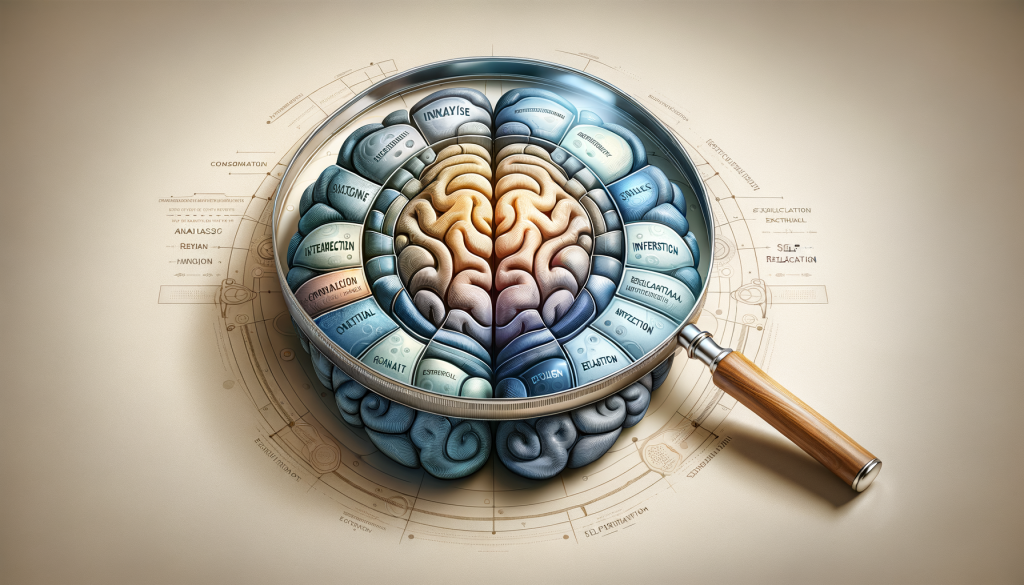
Refining Your Deductive Skills
To develop your deductive reasoning capabilities, consider engaging with puzzles and games that stimulate logical thinking, such as chess or Sudoku. Additionally, participating in debates can enhance your ability to construct well-supported arguments based on broad premises.
As we explore the intricacies of deductive reasoning, expect to uncover practical applications, techniques to refine your skills, and ways to integrate these strategies into your daily life. Join us on this journey to unlock the remarkable benefits of deductive reasoning and transform your approach to problem solving.
CHECK OUT: Click here to explore more
The Impact of Deductive Reasoning on Problem Solving
Deductive reasoning serves as a cornerstone for effective problem-solving in a myriad of situations. By applying this logical approach, individuals capacitate themselves to reach conclusions that are not only precise but also founded on reliable facts. The technique promotes a thorough understanding of issues and encourages individuals to think critically about each piece of information at their disposal.
One of the most significant benefits of using deductive reasoning is its ability to break down complex problems into manageable components. This process allows individuals to identify the underlying principles that govern their specific dilemmas. For example, programmers often employ deductive reasoning when debugging code. They begin with a general understanding of coding principles, then narrow it down to specific segments of the code to identify errors. This method not only enhances efficiency but also sparks innovative solutions to coding challenges.
Recognizing Key Characteristics of Deductive Reasoning
To fully appreciate the benefits of deductive reasoning techniques in problem-solving, it is essential to recognize the fundamental characteristics that make this approach effective:
- Logical Structure: Deductive reasoning follows a clear progression from general premises to specific conclusions, ensuring a coherent line of thinking. This is vital in disciplines like law, where attorneys analyze broad legal principles before applying them to individual cases.
- Accuracy in Conclusions: By deriving specific conclusions from well-accepted premises, deductive reasoning minimizes the chance of errors. In scientific research, for example, researchers formulate hypotheses based on existing theories and then conduct experiments to validate their conclusions.
- Adjustable Framework: Individuals can adapt deductive reasoning to various contexts, from personal life decisions to complex corporate strategies. Whether you’re deciding on a vacation destination based on the pros and cons of weather conditions or assessing a merger based on financial data and market trends, this flexibility is invaluable.
The predictive power of deductive reasoning also plays a critical role in its effectiveness. By anchoring decisions in established facts, individuals can predict outcomes with a higher degree of confidence. For instance, a financial analyst might assess market trends and apply established economic theories to forecast stock movements. This practice is not only common in finance but also finds parallels in fields like public health, where professionals analyze data to predict disease outbreaks.
Integrating Deductive Reasoning into Daily Life
Applying deductive reasoning techniques is not limited to academic or professional settings. In daily life, individuals can integrate these techniques into routines to make more informed decisions. This can range from analyzing personal budgets to determining the best route for travel based on traffic patterns. By incorporating deductive reasoning into everyday scenarios, you empower yourself to approach problems with clarity and confidence.
Moreover, developing these skills can lead to long-term benefits, fostering a habit of critical thinking that enhances decision-making capabilities across the board. It’s clear that the tools offered by deductive reasoning are indispensable for unlocking a more effective problem-solving mindset.
| Advantages | Description |
|---|---|
| Enhanced Clarity | Deductive reasoning provides clear pathways to solutions, reducing ambiguity and confusion. |
| Increased Efficiency | Applying deductive techniques streamlines problem-solving processes, saving time and resources. |
| Robust Decision-Making | It fosters a data-driven approach, leading to more informed and logical decisions. |
| Versatile Applications | Deductive reasoning can be applied in various fields, from mathematics to psychology, enhancing its usefulness. |
The exploration of deductive reasoning techniques reveals a wealth of problem-solving advantages that can empower individuals in various domains. One prominent benefit is the enhanced clarity it offers. By narrowing down possibilities and focusing on logical outcomes, individuals can tackle complex problems without getting lost in the details. Furthermore, the increased efficiency gained through structured thinking leads to quicker resolutions, a necessity in today’s fast-paced environments.In addition to these, employing deductive reasoning contributes to robust decision-making. Data-driven conclusions stem from the logical deductions made, reducing the likelihood of errors. It is also worth noting the versatile applications of these techniques, allowing for successful implementation across diverse fields such as law, science, and business strategy. Each layer of understanding enhances one’s capacity to navigate challenges effectively. This is just the tip of the iceberg in unlocking greater potential through deductive reasoning techniques. Discover more about how these strategies can transform your problem-solving abilities!
CHECK OUT: Click here to explore more
Enhancing Team Collaboration through Deductive Reasoning
In addition to its individual benefits, deductive reasoning significantly enhances teamwork and collaboration. In any setting—be it corporate offices, academic environments, or even volunteer groups—deductive reasoning facilitates a common language for problem-solving. By adopting a methodical approach to dissecting issues, teams can establish a foundation built on shared understanding and clear communication.
For instance, when a marketing team analyzes consumer feedback to adjust their strategies, they start with broad market trends derived from general consumer behavior studies. Using deductive reasoning, they can narrow down specific consumer preferences and tailor their campaigns accordingly. This method not only promotes cohesiveness among team members but also empowers them to make data-driven decisions with a high level of confidence.
Real-World Applications in Diverse Fields
Deductive reasoning isn’t limited to just business or scientific contexts; it extends its usefulness into numerous professional fields. Within the medical industry, healthcare providers often utilize deductive reasoning when diagnosing patients. They begin with universal medical knowledge and symptoms, leading to specific diagnoses. This structured approach not only increases diagnostic accuracy but also enhances patient care. For example, doctors may analyze the general symptoms of viral infections and, through deductive reasoning, ascertain whether a particular strain is responsible for the patient’s condition. This precision is essential, as it informs treatment options and improves patient outcomes.
Similarly, in education, educators can apply deductive reasoning techniques to enhance curriculum development. By starting with overarching educational goals—such as improving critical thinking skills—they can systematically assess individual lesson plans to ensure alignment with these objectives. This deliberate alignment is key to fostering an enriching learning environment that encourages students to engage deeply with content.
Training and Development for Deductive Reasoning
To further unlock the problem-solving benefits of deductive reasoning, training and workshops specifically designed to hone these skills can be incredibly beneficial. Organizations can conduct sessions on logical thinking, structured problem-solving, and critical analysis. These training programs instill confidence among employees, enabling them to harness deductive reasoning effectively in their roles. Evidence shows that companies investing in cognitive training see improved employee performance across various metrics, particularly in decision-making and problem-solving tasks.
- Workshops: Facilitate interactive workshops where teams engage in real-life scenarios to apply deductive reasoning techniques, such as case studies or problem-solving exercises.
- Mentorship Programs: Implement mentorship opportunities where seasoned professionals guide less experienced members in the practical application of deductive reasoning, reinforcing learning through experience.
- Peer Reviews: Encourage peer review processes where team members critique each other’s approach to problem-solving using deductive reasoning, thus fostering a culture of continuous improvement.
As the workplace environment continues to evolve, fostering deductive reasoning capabilities will serve as a powerful tool in equipping teams to tackle challenges with clarity and strategic insight. Embracing these techniques not only enables individuals and organizations to thrive in their respective fields but also enhances overall productivity and innovation.
SEE ALSO: Click here to read another article
Conclusion: The Lasting Impact of Deductive Reasoning on Problem Solving
In today’s complex world, unlocking the problem-solving benefits of deductive reasoning techniques is more crucial than ever. By providing a structured approach to analyzing and resolving issues, deductive reasoning empowers individuals and teams to make informed decisions grounded in logic and evidence. This methodology not only enhances individual capabilities but also fosters improved collaboration in diverse settings, including corporate environments and educational institutions.
The real-world applications of deductive reasoning are vast and impactful. From diagnosing health issues in medical fields to developing targeted educational curricula, the use of deductive reasoning enhances the accuracy of outcomes across various professions. As shown in our exploration, organizations that prioritize training and development in deductive reasoning create a culture of innovation, where critical thinking and data-driven strategies flourish.
As we navigate the challenges of an ever-evolving landscape, embracing deductive reasoning techniques is akin to unlocking a treasure trove of potential solutions. By equipping teams with the tools to reason logically, organizations can boost not only their problem-solving capabilities but also their overall productivity, efficiency, and adaptability. In conclusion, the enduring value of deductive reasoning lies in its ability to elevate problem-solving approaches, making it an indispensable asset for those seeking to thrive in today’s competitive environment.