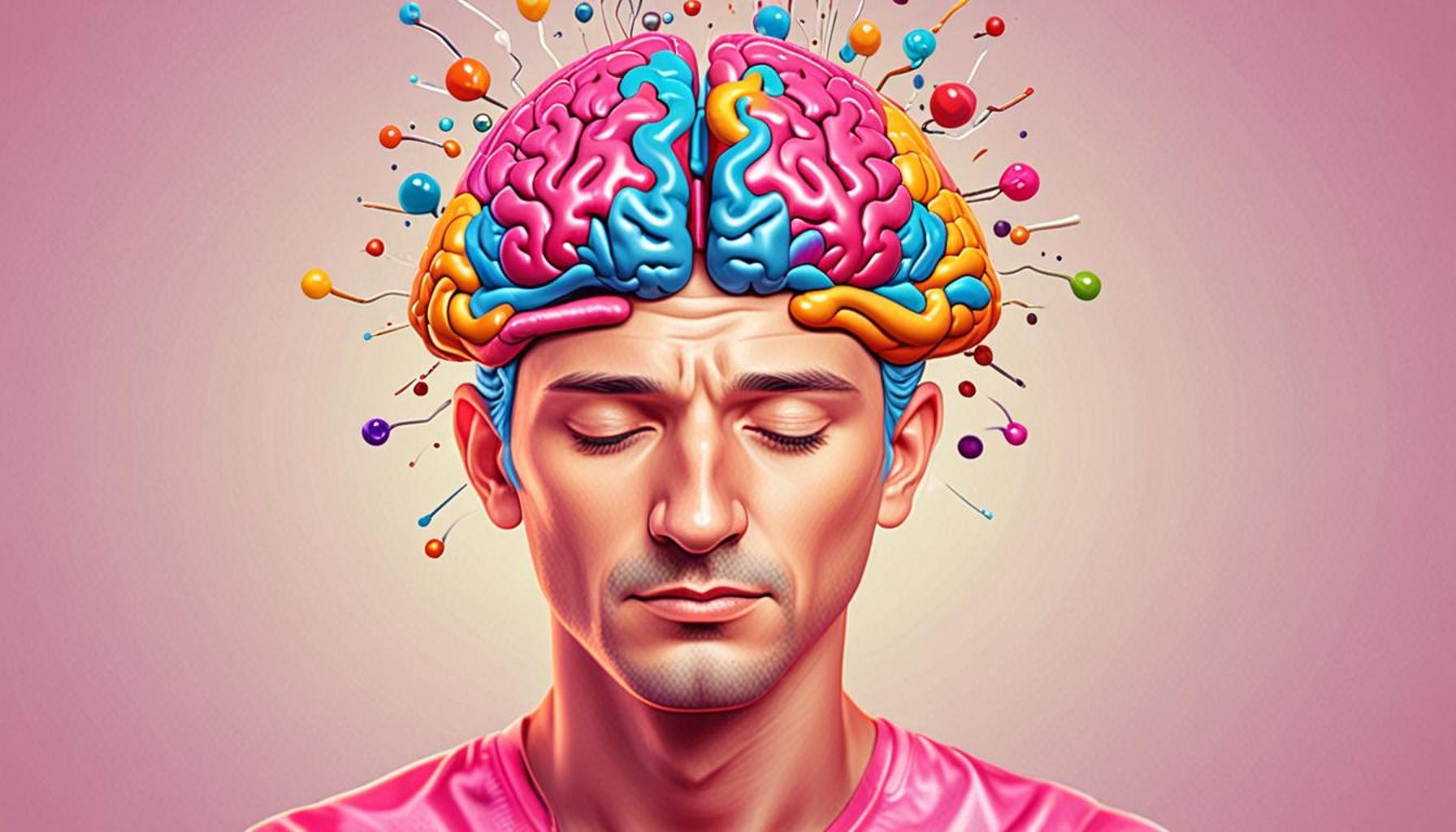
Tips to Keep Your Brain Young and Active Throughout the Years
The Importance of Keeping Your Mind Sharp
As we age, maintaining a sharp mind becomes increasingly important. The quality of our cognitive function can significantly impact our daily lives, decisions, and overall happiness. Engaging in practices that promote mental growth is essential for preserving the vitality of our brains throughout the years. The journey toward keeping your brain young and active requires a mix of lifestyle choices and stimulating activities that encourage mental engagement. By incorporating specific strategies into your daily routine, you can reap the benefits of a vibrant mind well into your later years.
Mental Exercise
Mental exercise is just as vital as physical exercise when it comes to overall health. Just like your muscles, your brain needs a workout to remain in top condition. Activities like playing chess, learning a new language, or even engaging in memory games can bolster cognitive function. For instance, studies have shown that individuals who regularly solve puzzles see improvements in problem-solving skills and memory retention. Online platforms such as Duolingo offer interactive lessons that not only challenge the mind but also expand one’s cultural awareness.
Physical Activity
Regular physical activity has profound effects on brain health. Exercise increases blood flow to the brain, supplying it with essential nutrients and oxygen. This boost in circulation can help improve mood, memory, and cognitive functioning. Aerobic activities like walking, swimming, or biking have been linked to neurogenesis, the growth of new brain cells, especially in areas associated with memory and learning. According to the American Heart Association, just 150 minutes of moderate-intensity aerobic exercise each week can make a significant difference in brain health.
Healthy Diet
What we eat plays a crucial role in how our brains function. A diet rich in fruits, vegetables, whole grains, and healthy fats, such as those found in nuts and fish, can protect against cognitive decline. Foods high in antioxidants, like blueberries and spinach, have been shown to mitigate oxidative stress on brain cells. The Mediterranean diet, which emphasizes plant-based foods and healthy fats, has gained popularity for its brain-boosting properties. Studies suggest that individuals adhering to this diet experience slower mental decline and improved memory retention.
Research indicates that staying mentally and physically active can lead to improved cognitive function. Simple activities like joining a book club or volunteering can also enhance brain health by promoting social engagement. This social connection not only provides emotional support, which is vital for mental health but also stimulates cognitive engagement through sharing ideas and experiences.

In essence, the path to a healthy brain encompasses a holistic approach that includes mental exercises, physical activity, and a nutritious diet. By taking deliberate steps to incorporate these practices into your life, you can unlock the secrets to a youthful mind. Let’s explore further into the fascinating world of brain wellness and discover innovative ways to keep your mind vibrant throughout the years.
CHECK OUT: Click here to explore more
Cognitive Stimulation and Lifelong Learning
Engaging in cognitive stimulation is vital for maintaining mental acuity as we age. Continuously challenging the brain through learning keeps neural connections strong and encourages the formation of new synapses, which is essential for retaining information and learning new skills. Lifelong learning can take many forms, from formal education to self-directed study and hobby exploration. Below are some practical ways to incorporate cognitive stimulation into daily life:
- Aging Mind Games: Regularly engage in activities such as crossword puzzles, Sudoku, or online brain-training games, which have been shown to enhance memory and problem-solving abilities.
- Learning New Hobbies: Consider picking up a musical instrument or taking up painting, as creative pursuits stimulate different areas of the brain and might even enhance emotional well-being.
- Participate in Workshops: Local community colleges and libraries often offer workshops on various topics, from art to technology, that can introduce new perspectives and skills.
- Educational Podcasts and Documentaries: Consuming informative media is a convenient way to discover new subjects and ideas while on the go.
According to a study conducted by the National Institute on Aging, individuals who are engaged in mentally stimulating activities throughout their lives tend to show lower rates of cognitive decline. This emphasizes the importance of finding learning experiences that resonate with personal interests, making them enjoyable and rewarding. Research also suggests that the excitement of acquiring new knowledge can translate into an increased sense of purpose and fulfillment in life.
The Impact of Social Interaction on Cognitive Health
Another crucial aspect of brain wellness is social interaction. Maintaining relationships and engaging with peers not only combats feelings of loneliness and depression but also stimulates cognitive engagement. Activities like joining community centers, participating in clubs, or even attending local events can enrich one’s social life and have demonstrated benefits for cognitive health. Studies have shown that social engagements can enhance memory and cognitive functioning by promoting conversations and sharing experiences.
To maximize the brain benefits through social interactions, consider the following:
- Join Book Clubs or Discussion Groups: Reading and then discussing books or shared interests helps develop critical thinking and comprehension skills.
- Volunteer Work: Engaging in community service not only provides emotional support to others but also enriches your life through new experiences and connections.
- Game Nights: Organizing regular game nights with friends or family can provide a fun way to challenge the mind while fostering social connections.
As we navigate through the aging process, it is imperative to recognize that our cognitive abilities can remain agile through dedicated practices. By focusing on continuous learning and fostering social ties, you lay the groundwork for a vibrant mind that flourishes through the years. Let’s dive deeper into the different facets of maintaining brain health as we explore other essential strategies.
Engaging Your Mind
As we age, keeping our brain engaged is essential to maintaining cognitive function. Activities that challenge our mind, such as puzzles, reading, or learning a new language, significantly contribute to mental agility. Studies show that lifelong learning not only builds new neural connections but also strengthens existing ones, making it easier to recall information later.
The Power of Socialization
Connecting with others provides both emotional benefits and cognitive stimulation. Social interactions can help to ward off feelings of isolation and depression, which are detrimental to brain health. Regularly engaging in conversations, joining clubs or groups, and participating in community activities can enhance your mental sharpness and deliver a sense of purpose.
| Cognitive Engagement | Benefits |
|---|---|
| Brain Games & Puzzles | Enhances problem-solving skills and memory retention. |
| Reading Regularly | Improves vocabulary, comprehension, and stimulates deep thinking. |
| Social Connections | Fosters mental resilience and emotional fulfillment. |
| Lifelong Learning | Maintains cognitive function, promoting adaptability. |
Physical Activity and Its Impact
Regular physical activity is not just for the body; it is equally important for the mind. Exercise increases blood flow to the brain, which can enhance functions such as learning and memory. Integrating aerobic exercises into your routine, such as walking, cycling, or swimming, can significantly boost brain health over the years. As you consider these tips, remember that the key to keeping your brain young and active lies in maintaining an engaging, balanced lifestyle. The combination of mental challenges, social interactions, and physical activity forms a powerful trifecta in promoting cognitive longevity.
SEE ALSO: Click here to read another article
Nutrition and Physical Health: Fueling Your Brain
A well-balanced diet and regular physical activity play a crucial role in maintaining cognitive health as we age. The connection between nutrition and brain function is profound, with certain foods offering protective benefits against cognitive decline. A nutrient-rich diet can help reduce inflammation, support blood flow, and promote the growth of new brain cells. Here are some dietary tips to consider for keeping your brain young and active:
- Prioritize Omega-3 Fatty Acids: Foods rich in omega-3s, such as salmon, walnuts, and flaxseeds, are known for their supportive role in brain health. Studies have indicated that omega-3s may help improve memory and slow age-related cognitive decline.
- Embrace Antioxidant-Rich Foods: Incorporate a variety of colorful fruits and vegetables, particularly berries, greens, and nuts, to combat oxidative stress in the brain. Antioxidants are linked to protection against neurodegenerative diseases, such as Alzheimer’s.
- Reduce Processed Sugars: High sugar consumption can lead to inflammation and cognitive decline. Substituting sugary snacks with healthy alternatives like dark chocolate or fruit may promote cognitive longevity.
- Stay Hydrated: Dehydration can impair cognitive performance, leading to memory fog and fatigue. Aim for at least 8 glasses of water a day to support optimal brain function.
In addition to a healthy diet, engaging in regular physical activity is vital for cognitive health. Exercise increases blood flow to the brain and stimulates the release of neurotrophic factors, which are proteins that enhance the growth and survival of neurons. A study published in the journal Neurology demonstrated that older adults who partake in moderate physical activity experience a significantly lower risk of cognitive impairment.
Sleep Hygiene and Stress Management
Adequate sleep is another fundamental pillar of brain health. Sleep plays a critical role in memory consolidation and overall cognitive function. During sleep, the brain processes information and forms connections, which is essential for learning and retaining knowledge. To improve sleep quality, consider the following:
- Establish a Sleep Routine: Going to bed and waking up at the same time every day can help regulate your body’s internal clock and improve the quality of your sleep.
- Create a Relaxing Environment: Minimize distractions in your bedroom, such as electronic devices and loud noises, to create an optimal sleeping environment.
- Practice Mindfulness: Incorporating practices such as meditation or deep-breathing exercises into your daily routine can help reduce stress levels, which are linked to cognitive decline. Engaging in activities that boost emotional well-being, such as yoga or tai chi, can also improve mental clarity.
Studies have shown that chronic stress can lead to elevated cortisol levels, negatively impacting cerebral function. Prioritizing stress management through mindfulness or physical activities can fortify your brain against emotional turmoil while promoting cognitive resilience.
By combining proper nutrition, physical activity, adequate sleep, and effective stress management practices, you can create a robust foundation for maintaining your brain’s vitality. These holistic approaches not only enhance cognitive function but contribute to an overall sense of well-being, making aging an enriching experience rather than a decline. As we look further, exploring the role of technology in cognitive health will provide additional insights into modern methods for enhancing brain fitness.
SEE ALSO: Click here to read another article
Conclusion: Embracing Lifelong Cognitive Wellness
Incorporating tips to keep your brain young and active into your daily routine is essential for fostering long-term cognitive health. By understanding the interconnectedness of aspects such as nutrition, exercise, sleep, and stress management, you can construct a comprehensive strategy that promotes a resilient and agile mind. Utilizing nutrient-dense foods that support brain function, engaging in regular physical activity, and prioritizing restorative sleep add critical layers to your cognitive defense. Additionally, effective stress management is vital, as it not only alleviates emotional distress but also shields your cognitive faculties from harmful impacts.
As you embark on this journey, remember that the key is consistency and balance. Integrate small yet meaningful changes into your lifestyle, allowing them to evolve into lifelong habits. For instance, setting achievable fitness goals, exploring diverse cooking methods to enhance your diet, and incorporating mindfulness practices such as meditation or yoga can create a vibrant tapestry of health and wellness.
There’s a wealth of emerging research highlighting the role of technology in enhancing brain fitness, from brain-training apps to virtual cognitive workshops. By staying informed and adaptable, you can harness these innovations to further support your cognitive well-being.
Ultimately, living a life of cognitive engagement and continuous curiosity not only keeps your mind sharp but enriches your overall experience as you age. Embrace the journey to nurture your brain, and witness how vitality and vigor can accompany you, regardless of the years that pass.