
The Role of Virtual Reality in Enhancing Cognitive Game Experiences

Understanding the Impact of VR on Cognitive Gaming
The landscape of gaming has undergone a seismic shift with the advent of virtual reality (VR). This cutting-edge technology has moved beyond mere entertainment, creating opportunities for deep cognitive engagement. As players step into immersive worlds, they encounter challenges that not only entertain but also foster mental development and problem-solving skills.
In the realm of cognitive games, the advantages of VR are both profound and diverse. For example, VR offers enhanced learning experiences. Traditional learning methods often struggle to retain attention, but VR promotes active participation. Players can engage with complex subjects, such as history or science, by experiencing them firsthand. Imagine navigating ancient Rome in a VR simulation, where players can explore historical landmarks while learning about the culture and society of the time.
Furthermore, the increased engagement that VR provides is a game-changer. Studies show that immersion in a virtual environment can sustain players’ focus far longer than conventional gaming formats. For instance, a VR puzzle game might require players to solve intricate challenges using logic and spatial awareness, captivating their minds and keeping them engaged for extended periods.
Additionally, VR excels in delivering realistic simulations. This capability is particularly beneficial for education and training. Consider medical students practicing surgeries in a virtual operating room. They can make mistakes in a safe environment and learn from them without the high stakes associated with real-life procedures. Similarly, VR flight simulators allow aspiring pilots to develop critical skills and experience emergency situations without the risk of physical harm.
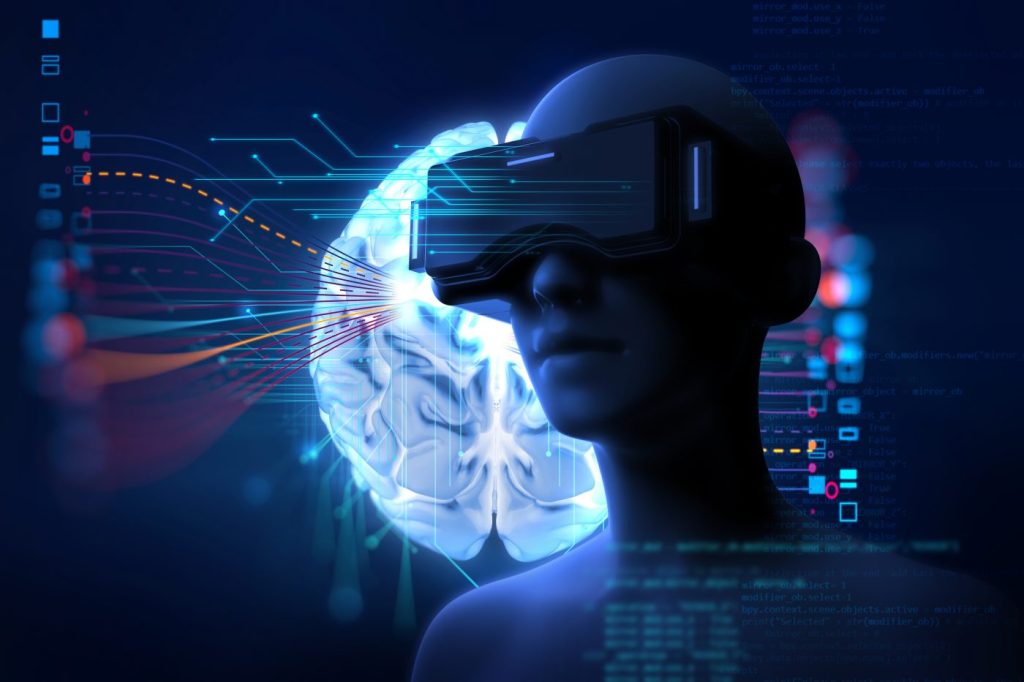
Emerging research underscores the notion that immersive VR experiences can significantly bolster problem-solving abilities and critical thinking among players. Developers are increasingly creating cognitive challenges that adapt to various learning styles. For example, a game designed to enhance math skills might adjust its difficulty level based on the player’s performance, providing a custom experience that maximizes learning potential.
This intriguing fusion of VR and cognitive gaming opens new avenues for players, educators, and developers to rethink how interactive experiences can contribute to mental agility. As VR technology continues to evolve, its potential to transform the gaming landscape and enhance cognitive capabilities remains vast and inviting. This suggests a future where educational and entertainment experiences are seamlessly integrated, creating a rich tapestry of learning opportunities that captivate and challenge the mind in unprecedented ways.
As the line between gaming and learning blurs, the dynamic relationship between virtual reality and cognitive enhancement invites us to imagine a future where every gaming session is not just an escape, but an opportunity for profound personal growth.
DISCOVER MORE: Click here to uncover the secrets of mnemonics
Innovation in Learning Through Virtual Environments
One of the most significant advantages of virtual reality (VR) in cognitive gaming lies in its capacity to revolutionize how users learn and interact with information. By immersing players in a 360-degree environment, VR transforms abstract concepts into tangible experiences. This kind of direct engagement allows for deeper understanding and retention. Games designed to facilitate learning can make complex theories more accessible. For example, VR platforms can simulate scientific experiments where players can manipulate variables and view instant results, creating a dynamic educational tool that textbooks cannot replicate.
The adaptability of VR experiences is particularly noteworthy. Developers are harnessing the power of adaptive learning systems, which assess player performance in real-time and adjust the difficulty of tasks accordingly. This ensures that every player, irrespective of their skill level, can find an appropriate challenge. For instance, in a VR math puzzle game, players struggling with multiplication could be presented with related problems that gradually escalate in difficulty, thereby fostering a supportive learning environment that encourages perseverance and growth.
The Social Aspect of Cognitive Gaming
Beyond individual learning, VR also introduces robust social elements into cognitive gaming. Multiplayer VR scenarios promote teamwork and collaboration, allowing players to tackle problems together in immersive settings. This social interaction can be instrumental in enhancing players’ communication skills and providing opportunities for shared learning experiences. Such environments can range from virtual classrooms to collaborative problem-solving scenarios in which peers guide each other through complex challenges, thus enhancing both cognitive and social skills.
- Increased Retention: Engaging visuals and interactions drastically improve retention rates for players engaging with educational content.
- Real-Time Feedback: Players receive immediate responses to their actions, allowing for quick adjustments in strategy and learning approaches.
- Accessible Learning: VR can cater to various learning styles—visual, auditory, and kinesthetic—making it a versatile tool for diverse audiences.
Moreover, VR enables players to revisit and practice skills in a safe, non-threatening environment. For instance, language learning applications utilize VR to immerse players in conversational situations where they can practice speaking with virtual characters. This practice not only improves language proficiency but also builds confidence. By simulating real-life interactions, players can experience language use in context, thereby reinforcing their learning.
As developers continue to innovate, it is evident that the intersection of virtual reality and cognitive gaming holds untold potential for educational reform and personal development. The immersive qualities of VR not only entertain but also challenge traditional learning paradigms by fostering greater engagement and more profound cognitive growth. This fusion lays the groundwork for a future where gaming is not only a source of enjoyment but also a powerful catalyst for lifelong learning.
| Benefits | Aspects |
|---|---|
| Immersive Learning | Virtual Reality (VR) engages users like traditional methods cannot, fostering stronger memory retention. |
| Enhanced Engagement | The realistic environments created in VR hold players’ attention, encouraging exploration and deeper involvement. |
| Social Interaction | VR enables players to connect and cooperate, enhancing cognitive and social skills through teamwork. |
| Personalized Experiences | VR allows customization of learning paths, catering to individual cognitive levels and preferences. |
Virtual Reality is revolutionizing how cognitive games are experienced, leading to a more interactive and effective learning paradigm. Immersion in VR settings allows players to engage fully, promoting not just fun but profound learning opportunities. By leveraging visuals, sound, and interactive environments, cognitive retention is significantly improved compared to traditional gaming formats.Furthermore, the social component of VR facilitates teamwork and interaction among players, indispensable for developing collaborative skills essential in today’s world. The personalized nature of gaming offered by VR supports tailored experiences suitable for various cognitive abilities, ensuring that each player can progress at their own pace while remaining challenged. As the technology advances, the potential of VR in enhancing cognitive gaming experiences continues to expand, sparking curiosity and inviting researchers and developers alike to dive deeper into its possibilities.
DISCOVER MORE: Click here to learn how mind games can boost your child’s problem-solving skills
Therapeutic Applications and Cognitive Development
Another pivotal area where virtual reality (VR) is making significant strides is in cognitive therapy and rehabilitation. Researchers and practitioners are increasingly recognizing the therapeutic potential of VR in helping individuals recover from various cognitive impairments. For instance, VR-based cognitive training programs are being used to aid stroke survivors, Alzheimer’s patients, and individuals with traumatic brain injuries by engaging them in stimulating cognitive tasks that promote neuroplasticity.
Programs that simulate everyday activities in controlled VR environments allow patients to practice and enhance their cognitive abilities in familiar, non-threatening settings. Consider the application of VR for stroke rehabilitation; patients can navigate through a virtual grocery store where they have to identify items, calculate costs, or manage limited budgets. Such engaging activities not only motivate players but can lead to measurable improvements in cognitive function and problem-solving skills. Studies suggest that these immersive experiences can lead to significant gains in memory retention and executive functions, showcasing the innovative intersection of VR technology and cognitive therapy.
Gamification of Mental Health Care
The integration of gamification in mental health care via VR further emphasizes its role in enhancing cognitive experiences. By incorporating game-like elements into therapy sessions, healthcare providers can foster greater engagement and commitment from patients. For example, VR environments tailored for mindfulness and stress reduction can turn what is traditionally a passive therapeutic approach into an interactive and engaging experience. Patients can explore serene virtual landscapes while practicing mindfulness techniques, helping to alleviate anxiety and depression more effectively.
Moreover, the addition of reward systems—where users earn points or unlock levels based on progression—can increase motivation and create a sense of achievement. This can be especially beneficial for younger patients, making the mental health treatment process more appealing and less daunting. Another example of this application is the VR-based exposure therapy for phobias, where users can confront their fears in a safe and controlled manner, gradually diminishing their anxiety response through repeated exposure.
Emerging Research and Future Perspectives
As the landscape of VR technology evolves, research continues to illuminate new ways that cognitive game experiences can be enhanced. Recent studies show that VR can significantly impact attention span and focus, especially among children diagnosed with attention deficit disorders. By immersing younger users in captivating environments, these games can help sustain attention for longer durations while simultaneously enhancing learning outcomes.
- Enhanced Engagement: VR’s interactive nature captures and retains players’ attention, keeping them engrossed in cognitive tasks.
- Measurable Outcomes: VR cognitive games provide quantitative data that help in tracking progress, offering insights for further development.
- Bridging Gaps: VR can fill the gaps in traditional educational methodologies, especially as an adjunct to classroom learning.
As academic institutions and tech companies collaborate to optimize VR platforms, the potential for cognitive gaming becomes even more pronounced. The insights gained from ongoing research could unlock new dimensions of learning, with VR offering tailor-made experiences that cater to an individual’s cognitive strengths and difficulties, fundamentally altering how we perceive education and cognitive development.
DISCOVER MORE: Click here to learn how memory games can enhance your social interactions!
Conclusion
In conclusion, virtual reality (VR) is reshaping the landscape of cognitive game experiences in remarkable ways. The integration of immersive technologies into cognitive training and therapy is not merely a trend; it represents a paradigm shift in how we approach mental health and cognitive development. From rehabilitation of stroke survivors to enhancing learning outcomes in children with attention deficit disorders, VR’s applications broaden our understanding of cognitive enhancement.
The marriage of gameplay mechanics with therapeutic practices fosters greater engagement and motivation among users, transforming standard methodologies into interactive experiences that captivate and challenge the mind. These gamified environments not only make treatment more appealing but also provide measurable outcomes, revealing significant insights into cognitive progress and areas needing focus.
Moreover, as research continues to unveil the versatile nature of VR, we can anticipate further breakthroughs in educational settings, bridging the gap between traditional teaching methods and modern learning requirements. With academic institutions and tech companies working cohesively, the potential for tailored VR experiences that cater specifically to individual cognitive needs will enhance our educational frameworks and rehabilitation strategies.
Embracing these innovations can help society reimagine the future of mental health care and cognitive development. As we stand on the brink of what could become a revolutionary approach to enhancing cognitive abilities, it is crucial to remain informed and supportive of the ongoing advancements in VR technology. The possibilities are as vast as the immersive worlds these technologies create, inviting us to explore and discover anew.
Related posts:
The Benefits of Cognitive Challenges in Developing Emotional Intelligence
How Collaborative Mind Games Can Improve Communication Skills Among Seniors
The Role of Cognitive Challenges in Stress Relief and Mental Well-Being
The Influence of Cultural Variations on Puzzle Preferences and Cognitive Engagement
The Role of Cognitive Challenges in Developing Resilience in Young Adults
Exploring the Connection Between Cognitive Challenges and Creativity Enhancement

Linda Carter is a writer and puzzle expert specializing in mind games, brain teasers, and cognitive challenges. With extensive experience helping individuals enhance their problem-solving skills and think critically, Linda shares her knowledge on our platform. Her goal is to empower readers with practical advice, engaging puzzles, and strategies to sharpen their minds and achieve success in the captivating world of mind games and puzzles.