
The Role of Strategic Thinking in Solving Complex Puzzles

Understanding the Role of Strategic Thinking
In our fast-paced world, every decision we make can lead to various outcomes, ranging from minimal to life-altering impacts. Amid this complexity, the importance of strategic thinking cannot be overstated. This skill empowers individuals and organizations to navigate through complex challenges effectively, providing a roadmap for problem-solving that goes beyond simple intuition.
For instance, consider the case of a tech startup facing fierce competition in the market. By engaging in strategic thinking, the leadership team can analyze market trends, consumer preferences, and competitor strengths to identify a unique value proposition. Such clarity not only helps them in crafting a compelling product but also informs their marketing strategy, ultimately resulting in better market penetration and growth.
The advantages of applying strategic thinking in tackling complex puzzles can be summarized as follows:
- Enhanced Clarity: By understanding the intricate relationships between various elements, individuals can gain clarity on the primary issues at hand. For example, in public health crises like the COVID-19 pandemic, effective strategic thinkers were crucial in recognizing the link between health policies and their socio-economic impacts, leading to more effective interventions.
- Improved Decision-Making: The ability to weigh diverse options allows leaders to foresee potential challenges and opportunities. A powerful example can be found in the financial sector, where strategic analysis of market fluctuations can guide investors in making informed decisions that maximize returns while managing risks.
- Increased Creativity: Strategic thinkers often embrace innovative solutions. Companies like Apple and Google thrive on this principle, encouraging teams to think outside the box and develop products that revolutionize entire industries.
As we witness the constant evolution of markets and technologies in the United States, the essence of adaptive strategies becomes paramount. Challenges should not merely be seen as roadblocks; they are, in fact, gateways to opportunities for advancement and innovation.
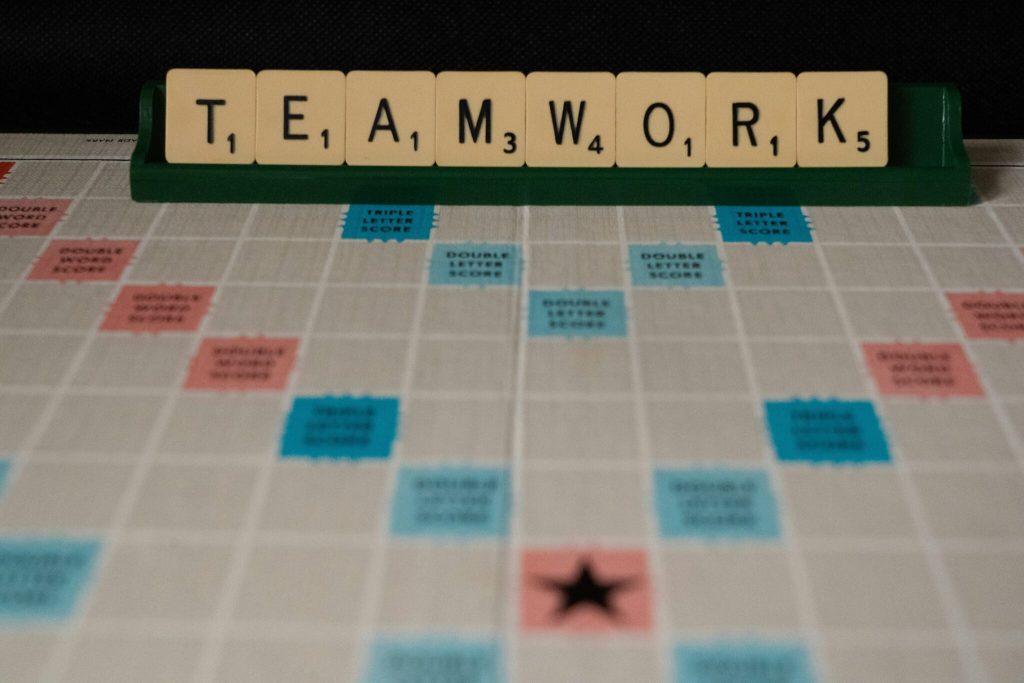
The capacity for strategic thinking can significantly distinguish successful individuals from those who struggle to keep pace with changes. In a recent study, organizations that adopted strategic thinking frameworks reported higher employee engagement and better problem-solving capabilities, showcasing how this mindset fosters a proactive culture rather than a reactive one.
Throughout this discussion, we will delve further into the intricacies of strategic thinking, examining its relevance across various industries, its practical applications, and effective methodologies that can unleash your potential. Join us on this journey to uncover how you can harness the power of strategic thinking and transform your approach to complex challenges into actionable insights.
DISCOVER MORE: Click here to delve into the science of problem-solving
Strategic Thinking: A Catalyst for Innovation and Problem Solving
Strategic thinking serves as a crucial framework that drives individuals and organizations to confront and resolve complex puzzles. By cultivating a mindset that embraces a forward-looking perspective, strategic thinkers are better equipped to navigate uncertainties and leverage opportunities. This proactive approach not only facilitates problem resolution but also fosters a culture of innovation.
At the core of strategic thinking lies the ability to dissect complicated scenarios into manageable components. This decomposition of challenges enables decision-makers to focus on specific aspects of a problem, leading to more effective solutions. For example, in the context of environmental sustainability, organizations tackling climate change must analyze various factors, from carbon footprints to legislative frameworks. Strategic thinkers in this space prioritize interventions that yield the greatest impact while considering both environmental and economic implications.
Furthermore, strategic thinking is characterized by a systematic evaluation of options, helping individuals avoid pitfalls associated with impulsive decisions. A classic illustration of this principle can be observed in the gaming industry, where companies like Electronic Arts (EA) and Activision Blizzard face the complexities of consumer preferences and technology trends. By employing methods such as market analysis and consumer behavior studies, these organizations can make informed decisions regarding product development and marketing strategies, resulting in highly successful game launches.
The following key elements highlight how strategic thinking facilitates the resolution of complex puzzles:
- Holistic Perspective: Adopting a comprehensive view allows teams to understand how different variables influence one another. In healthcare, for instance, strategic thinking plays a vital role in connecting patient care practices with healthcare technology advancements, ultimately enhancing treatment effectiveness.
- Collaborative Problem-Solving: Engaging diverse teams fosters creativity and innovation. For instance, in the automotive industry, cross-disciplinary teams can formulate new approaches to produce electric vehicles by merging insights from engineering, design, and energy sectors, leading to breakthrough advancements.
- Data-Driven Insights: The capacity to leverage analytics provides a strong foundation for convincing arguments and sound decisions. As businesses harness big data, they can draw insights about consumer behaviors and market dynamics, which help guide strategic initiatives that resonate with their target audience.
In today’s increasingly complex landscape, organizations that prioritize strategic thinking are more likely to foster resilience and adaptability. This adaptability is especially pertinent in fields such as technology, finance, and healthcare, where rapid changes constantly shape the competitive landscape. By embracing strategic methodologies, professionals can position themselves as leaders who not only solve existing puzzles but also foresee future challenges and opportunities.
The journey into understanding the depths of strategic thinking and its applications continues as we explore further practical frameworks and methodologies that have proven successful in various contexts. Together, we will uncover the significance of strategic thinking in not just decoding present complexities, but in preemptively addressing future obstacles, paving the way for sustained growth and transformation.
The Importance of Strategic Thinking in Complex Problem-Solving
Strategic thinking plays a pivotal role in navigating the labyrinth of complex puzzles, often characterized by intricate interdependencies and multifaceted challenges. To excel in this domain, individuals must adopt a mindset that prioritizes analysis, foresight, and adaptability. Utilizing strategic thinking enables one to break down problems into manageable parts, identify underlying patterns, and formulate solutions that are innovative yet practical.An essential aspect of strategic thinking is the ability to evaluate multiple perspectives. Approaching a puzzle from various angles allows individuals to uncover nuances that may not be immediately apparent. This holistic view fosters creativity in devising effective strategies, often leading to breakthroughs in solving the most daunting challenges.Moreover, strategic thinking encourages systematic planning and implementation. By defining clear objectives and milestones, individuals can track progress and adjust strategies as new information emerges. This iterative process is crucial in complex problem-solving, where unexpected variables and obstacles may arise, requiring agility and responsiveness.Additionally, collaboration plays a vital role in effective strategic thinking. Engaging with diverse teams brings together a wealth of knowledge and expertise, fostering collective intelligence that enhances the problem-solving capabilities of all members involved. Collaborative efforts often result in synergistic solutions that are more robust than those developed in isolation.In essence, the integration of strategic thinking into problem-solving not only enhances individual capabilities but also empowers teams to tackle complex puzzles with confidence and creativity.
| Category 1 | Category 2 |
|---|---|
| Strategic Analysis | Evaluates problems from multiple dimensions, uncovering complex interrelations. |
| Planning | Enables structured problem-solving processes through defined objectives. |
The amalgamation of these strategic principles can significantly bolster your ability to solve complex puzzles effectively. Engaging in structured thinking and collaboration is essential for navigating today’s intricate challenges, whether in business, technology, or social spheres. The journey to mastering strategic thinking can transform the way we approach problem-solving, inviting a deeper exploration into effective strategies that resonate with your personal or organizational goals.
DIVE DEEPER: Click here to discover more insights
The Practical Applications of Strategic Thinking in Diverse Fields
Strategic thinking transcends theoretical concepts, manifesting in practical applications that drive effective solutions across various sectors. This multifaceted approach not only aids in the resolution of immediate challenges but also establishes robust frameworks for addressing future complexities. By investigating specific domains, we can illuminate the critical role that strategic thinking plays in solving intricate puzzles.
In the realm of business management, strategic thinking is vital for navigating market dynamics. Companies like Amazon exemplify how a strategic mindset fuels innovation and resilience. When faced with fluctuating consumer behaviors and increasing competition, Amazon has consistently leveraged its vast data analytics capabilities. By analyzing customer purchasing patterns, they anticipate market shifts and adjust product offerings proactively. This strategic foresight enables them to maintain leadership in the e-commerce sector despite ever-changing landscapes.
Meanwhile, in the public health domain, strategic thinking is paramount in crisis management. The rapid response to the COVID-19 pandemic illustrated how strategic frameworks can dictate effectiveness in public health initiatives. Health organizations, such as the Centers for Disease Control and Prevention (CDC), utilized strategic models to identify critical areas for intervention, vaccination distribution strategies, and public communications. Their ability to analyze data trends and model potential outcomes played a key role in mitigating the virus’s spread and saving lives.
Education has also benefited tremendously from strategic thinking. By implementing strategic frameworks, educational institutions can better address the diverse needs of students and adapt to technological advancements. For instance, during the shift to online learning, many colleges and universities adopted strategic planning approaches to develop comprehensive distance learning programs. These strategies focused on curriculum adaptation, faculty training, and technology infrastructure—ensuring that students could access quality education seamlessly regardless of location.
Moreover, strategic thinking fosters community development through collaborative engagements. Nonprofit organizations often face the challenge of assembling diverse stakeholders to tackle social issues. By employing strategic planning processes, these organizations can create a shared vision that aligns the interests of various parties—including government agencies, businesses, and community members. Initiatives like community revitalization projects demonstrate how strategic thinking can mobilize resources and coordinate efforts to improve local conditions, from enhancing public spaces to reducing crime rates.
Even within the technology sector, where innovation is dictated by rapid movements, strategic thinking remains a cornerstone for success. Companies like Tesla have harnessed strategic approaches to not only address production challenges but also to redefine the automotive industry landscape. By integrating various technologies—such as advanced battery systems and autonomous driving capabilities—Tesla has created holistic strategies for electric vehicle development, thereby disrupting traditional automotive paradigms and creating new market opportunities.
As we delve deeper into the implications of strategic thinking in complex puzzles, it becomes clear that its applicability cuts across multiple fields. By cultivating a strategic mindset, organizations and individuals unlock innovative solutions, paving the way for advancements that resonate within their communities, industries, and beyond. The convergence of data analytics, collaborative efforts, and strategic foresight positions strategic thinking as an indispensable tool for overcoming present challenges while preparing for the complexities of the future.
DIVE DEEPER: Click here to unlock advanced strategies
Conclusion: Embracing Strategic Thinking for Complex Problem-Solving
In a world increasingly defined by complexity and ambiguity, the role of strategic thinking in solving intricate puzzles cannot be overstated. Whether in business, public health, education, or community development, organizations that embrace strategic methodologies are continually placed at an advantage. These frameworks not only provide immediate solutions to pressing problems but also lay the groundwork for long-term resilience and innovation.
The case studies examined—ranging from Amazon’s data-driven tactics in e-commerce to the CDC’s crisis management during the COVID-19 pandemic—underscore that strategic thinking harmonizes foresight with adaptability. In an ever-evolving landscape, this ability to anticipate trends and pivot accordingly has become essential for success. Educational institutions, through their strategic planning, have also demonstrated how innovative responses can effectively cater to diverse student needs, particularly in transitioning environments.
Furthermore, the rise of technology companies such as Tesla illustrates how strategic frameworks can redefine entire industries by merging innovation with calculated risk management. The ability to integrate various components within the operational strategy not only drives profitability but also fosters a culture of continuous improvement.
As we navigate the complexities of modern challenges, fostering a strategic mindset becomes imperative. Organizations and individuals alike must embrace this ethos to unlock potential and address the multifaceted puzzles that lie ahead. Ultimately, the key takeaway is clear: by harnessing the power of strategic thinking, we equip ourselves not just to solve problems but to transform challenges into opportunities for meaningful progress.
Related posts:
Modern Board Games: Learning Strategic Thinking through Collective Experiences
Competitive Card Games: How Strategic Thinking Can Define Winners
Using Board Games to Develop Strategic Thinking Skills
Logic Puzzles: The Intersection Between Creativity and Strategic Thinking
Unraveling the Game of Go: Long-Term Thinking Strategies and Move Anticipation
The Impact of Real-Time Strategy Games on Rapid Decision Making

Linda Carter is a writer and puzzle expert specializing in mind games, brain teasers, and cognitive challenges. With extensive experience helping individuals enhance their problem-solving skills and think critically, Linda shares her knowledge on our platform. Her goal is to empower readers with practical advice, engaging puzzles, and strategies to sharpen their minds and achieve success in the captivating world of mind games and puzzles.