
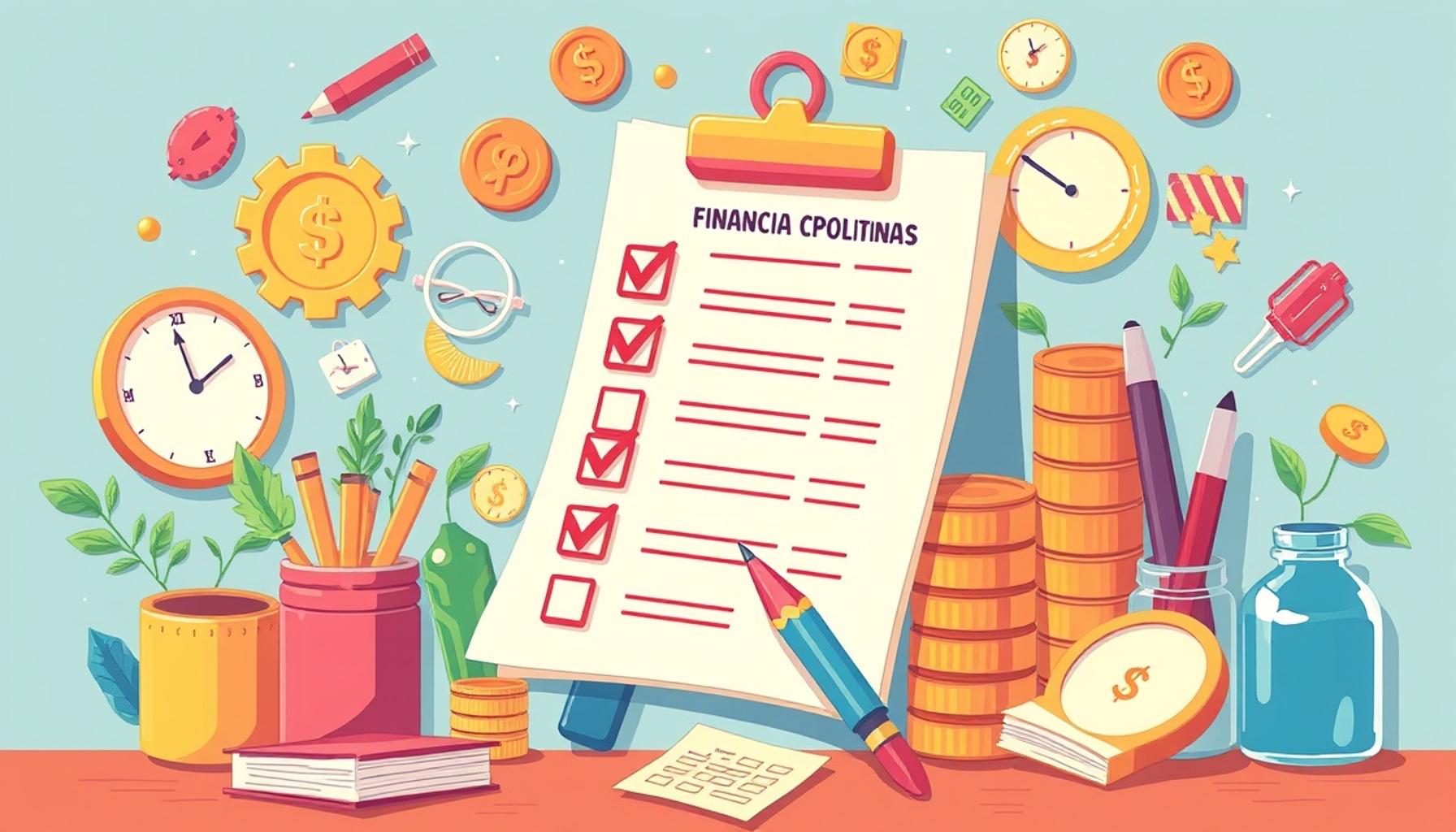
Unlocking Efficiency with Checklists and To-Do Lists
In today’s fast-paced world, maintaining productivity can feel overwhelming. Fortunately, checklists and to-do lists offer a simple yet powerful solution. By implementing these tools, individuals can streamline their daily tasks and enhance overall efficiency.
Why Use Checklists and To-Do Lists?
Checklists and to-do lists serve as reliable frameworks for success, providing numerous benefits that are crucial in a busy lifestyle. Understanding these benefits can help you harness their full potential.
- Organization: One of the key advantages of using checklists is the ability to keep tasks prioritized and manageable. Instead of feeling daunted by a sprawling list of responsibilities, you can categorize your tasks, enabling a clearer view of what needs to be done first. For instance, a project manager might create a checklist for a product launch, breaking it down into phases like market research, design, and marketing launch.
- Focus: Checklists and to-do lists allow you to minimize distractions by concentrating on one item at a time. This single-task approach is particularly effective; studies in psychology reveal that multitasking can reduce productivity by up to 40%. Thus, by focusing solely on completing one task from your list, you enhance your ability to work efficiently and effectively.
- Motivation: The act of checking off completed tasks can provide a significant psychological boost, fostering a sense of accomplishment. Each checkmark can serve as a reward, motivating you to tackle the next item on your list. Even simple everyday tasks, like doing the laundry or grocery shopping, can feel rewarding when you can visually confirm your progress.
Research indicates that routines play a vital role in productivity, making the integration of these tools essential. Whether at work, home, or school, checklists enable users to break down larger projects into actionable steps. For instance, a student might create a checklist for an upcoming exam that includes reviewing notes, practicing problems, and meeting with a study group.
Real-World Applications
From project management to daily chores, checklists and to-do lists can be tailored for various needs, enhancing efficiency across different aspects of life. Here are some key applications:
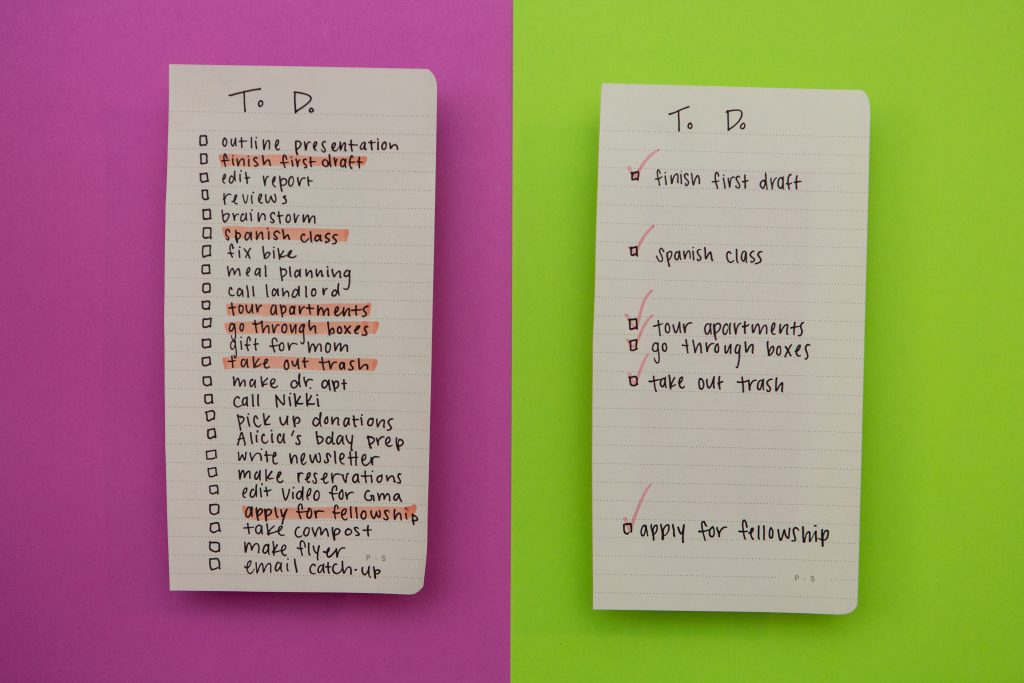
- Work Tasks: Professionals can utilize checklists for various purposes, from daily objectives, such as sending emails and attending meetings, to long-term projects involving multiple stages and phases.
- Household Chores: Creating checklists for cleaning schedules ensures that no corner of the house is overlooked. Moreover, grocery shopping can be made easier by listing out items categorized by sections of the store, preventing potential forgetfulness and saving time during shopping trips.
- Personal Goals: Checklists can play a transformative role in personal development as well. For those focusing on fitness, a checklist can include daily workouts, meal prep, and hydration reminders. Additionally, hobby enthusiasts might list tasks related to their interests, helping them stay committed to pursuing creative projects.
As we delve deeper into the subject, further examination of these essential tools will highlight innovative uses and their profound impact on cultivating effective routines. Discovering the nuances of how checklists and to-do lists can transform not only individual productivity but also the management of larger group projects and home organization can lead to an efficient way of tackling everyday challenges.
DISCOVER MORE: Click here to enhance your productivity
Maximizing Productivity through Structured Approaches
Checklists and to-do lists are more than mere reminders; they are essential components of an efficient lifestyle that helps to combat the chaos of everyday responsibilities. The systematic approach these tools promote can be the key to unlocking your highest potential in both personal and professional realms. By integrating checklists and to-do lists into your daily routine, you can foster a productive environment that not only streamlines tasks but also reduces stress associated with forgetfulness or overwhelming responsibilities.
Enhancing Clarity and Direction
Clarity is a cornerstone of effective routines. When faced with a multitude of tasks, it’s easy to feel lost or unsure about where to begin. A current study from the Dominican University of California reveals that people who set specific goals, often documented in checklists, are 50% more likely to achieve those goals compared to those who simply think about them. This statistic highlights the potent impact of clearly defined tasks, as checklists provide a roadmap for action.
- Prioritization: Checklists empower users to identify which tasks are most urgent and should be tackled first. For instance, a small business owner might prioritize inventory management and customer interactions at the start of the week, leaving less critical tasks for later. This prioritization helps in focusing efforts on what truly matters.
- Accountability: Utilizing to-do lists holds individuals accountable for their commitments. Whether at work or at home, each item on the list acts as an implicit promise to oneself. In corporate settings, team leaders often create collaborative checklists, ensuring that every team member understands their responsibilities, which helps in tracking progress collectively.
- Simplicity: The simplicity of a checklist allows users to engage in the effective practice of decluttering their mental space. By laying out tasks visually, rather than cluttering the mind with endless thoughts, one can decrease cognitive load and enhance creativity, allowing for better problem-solving.
Moreover, incorporating time management techniques alongside checklists can markedly improve workflows. Time blocking, for instance, is a popular method where individuals allocate specific time frames for each task listed. By merging this technique with checklists, a freelancer might designate two hours for client emails, followed by an hour of research, maximizing productivity without feeling overwhelmed.
Impact on Long-Term Goal Achievement
Beyond daily tasks, the impact of checklists and to-do lists extends into the realm of long-term goal achievement. Research indicates that individuals who break down larger aspirations into actionable steps are more likely to follow through. For example, consider a fitness enthusiast aiming to lose weight. A comprehensive checklist might include weekly workout plans, meal adjustments, hydration reminders, and tracking physical changes. Such detailed lists transform an intimidating goal into manageable day-to-day actions, steering individuals toward their objectives.
As we continue to explore the multitude of ways checklists and to-do lists can enhance productivity, it becomes evident that these tools are indispensable for anyone aiming to create effective routines. In our next discussion, we will look at how individuals across different professions and lifestyles adopt these strategies to achieve success and maintain balance amidst the demands of everyday life.
The Importance of Checklists and To-Do Lists in Creating Effective Routines
In today’s fast-paced world, keeping track of daily tasks and responsibilities can be overwhelming. Checklists and to-do lists serve as essential tools in managing time effectively, ensuring that important tasks are not overlooked. By breaking down larger goals into manageable steps, individuals can focus on completing tasks one at a time, leading to a greater sense of accomplishment.
Utilizing checklists not only enhances productivity but also aids in reducing stress levels. When tasks are written down, it alleviates the mental burden associated with remembering every detail. To-do lists provide a visual representation of tasks, allowing individuals to prioritize their actions based on urgency and importance. This prioritization is crucial in crafting an effective routine that maximizes time and effort.
Moreover, the practice of checking off completed tasks can foster a sense of achievement and motivate individuals to keep progressing through their lists. This technique cultivates a habitual structure, often leading to improvements in both personal and professional performance. The combination of checklists and to-do lists not only guides users but also encourages them to hold themselves accountable for their responsibilities.
Through consistent use of these tools, one can establish more organized routines that contribute to overall effectiveness in various aspects of life. The benefits extend beyond mere productivity; they contribute to better mental clarity and satisfaction with one’s daily accomplishments, leading to improved overall well-being.
| Category | Advantages |
|---|---|
| Enhanced Productivity | Allows users to structure tasks effectively, minimizing time spent on distractions. |
| Reduced Stress | Writing tasks down clears mental space, making it easier to focus on execution. |
| Accountability | Checklists encourage self-monitoring, leading to increased responsibility for tasks. |
| Greater Sense of Accomplishment | Crossing out completed tasks reinforces a feeling of progress and motivation. |
Through the integration of checklists and to-do lists into daily routines, individuals can harness a powerful method of achieving their goals with greater ease and efficiency. This practice not only leads to effective time management but also contributes to the development of positive habits that can transform one’s approach to both personal and professional life.
DISCOVER MORE: Click here to enhance your productivity
Building Consistency and Discipline through Routine
Establishing a routine is vital for personal and professional growth, and checklists and to-do lists are instrumental in building consistency and discipline. These tools do not merely serve as task managers; they are foundational elements in cultivating habits that lead to a more structured and fulfilling life. When individuals harness the power of checklists, they take decisive steps towards simplifying their days and reinforcing positive behaviors.
Creating Habits with Checklists
Habit formation is greatly aided by the use of checklists. According to a study published in the European Journal of Social Psychology, it takes an average of 66 days for a new behavior to become automatic. Checklists can bridge the gap during this transitional period by providing a constant reminder and visual cue to reinforce the desired action. For example, a student aiming to study more effectively can create a nightly checklist that includes specific tasks like reviewing notes, completing readings, and setting up a study environment. Over time, these actions can transform into automatic behaviors, contributing to academic success.
- Consistency: Regularly using checklists can instill a sense of discipline. The act of ticking off completed tasks promotes a sense of accomplishment and motivates individuals to adhere to their routines. For instance, an office worker might maintain a daily checklist that includes morning tasks such as organizing their workspace, responding to urgent emails, and attending daily stand-up meetings. This rhythm not only increases efficiency but also fosters a professional demeanor.
- Flexibility: While routines are meant to promote steadiness, they should not become rigid. Checklists provide adaptability by allowing individuals to rearrange tasks as needed without losing sight of their overarching goals. A project manager, for example, may need to reprioritize tasks based on team feedback or changing deadlines; checklists make it simple to adjust the plan without derailing progress.
- Reflection: Maintaining a checklist over time opens opportunities for reflection. By reviewing past lists, individuals can assess their productivity patterns, identifying which routines boost their effectiveness and which do not. This can aid in making necessary adjustments to enhance performance. For instance, a sales professional might analyze their weekly checklist to determine which tasks led to successful client engagement and revenue generation.
Combining Creativity with Structure
One might think checklists restrict creativity due to their structured nature, but in reality, they can provide a framework that nurtures creativity. A creative writer, for instance, can use a checklist to guide their writing process while still leaving room for inspiration to flow. By ticking off elements such as brainstorming ideas, drafting outlines, and setting word count goals, the writer creates a balance between structure and creativity, ultimately enhancing the quality of their work.
Furthermore, when individuals incorporate checklists within diverse contexts—be it personal, educational, or professional—they begin to recognize patterns in their workflow that maximize productivity. Tools such as digital apps have emerged to make this experience even more user-friendly. Tools like Todoist, Trello, or ClickUp allow users to create dynamic checklists that evolve as projects grow, providing a way to maintain focus and agility.
As we delve deeper into the role of checklists and to-do lists in effective routines, we will explore specific case studies, illustrating how various individuals and organizations have successfully leveraged these tools to transform their workflows and achieve their objectives.
DIVE DEEPER: Click here to learn how to create a sustainable habit loop</
Conclusion: Embracing the Power of Checklists and To-Do Lists
In today’s fast-paced world, where distractions are abundant and time is often scarce, checklists and to-do lists emerge as essential tools for creating effective routines. They not only foster consistency and discipline but also serve as catalysts for habit formation and productivity. By establishing a clear structure through these tools, individuals can navigate their daily tasks more effectively, leading to enhanced personal and professional success.
The benefits of integrating checklists into daily life are profound. As outlined, they promote consistency through reinforcing behaviors, provide flexibility to adapt to changing circumstances, and facilitate reflection to boost efficiency over time. Whether one is a busy parent juggling family duties, a student striving for academic excellence, or a professional targeting career advancements, the strategic use of checklists can illuminate paths to greater achievement.
Moreover, the intersection of creativity and structure, emphasized throughout this article, further highlights the versatility of these tools. When utilized correctly, checklists can enhance creativity instead of stifling it, ensuring that individuals create while maintaining a sense of order. The advent of digital apps has made these benefits more accessible than ever, introducing an innovative way to seamlessly manage tasks and goals.
As we move into an era increasingly driven by information and multitasking, the question remains: Are you ready to harness the power of checklists and to-do lists? Start today, and explore how this simple change can lead to profound transformations in your daily routine. By embracing these tools, you may not only achieve your objectives but also unlock new potential that lies within your organized approach to life.
Related posts:
The Power of Checklists and To-Do Lists in Effective Task Tracking
Self-Discipline Strategies: How Habit Building Can Improve Your Time Management
Streamlining Your Workflow: The Role of Checklists and To-Do Lists in Effective Project Planning
Maximizing Productivity with Time Blocking: Task Planning and Project Tracking
Transformative Routines: The Importance of Project Planning and Task Tracking
Harnessing the Power of Routines: Building a Daily Framework for Enhanced Productivity

Beatriz Johnson is a seasoned productivity strategist and writer with a passion for simplifying the complexities of time management and personal organization. With over a decade of experience in efficiency optimization, she specializes in topics like workflow design, habit formation, and productivity systems for modern professionals. Through her work, Beatriz empowers readers to take control of their schedules, eliminate overwhelm, and stay ahead in today’s fast-paced world.