The Impact of Visual Puzzles on Memory Recall
The Cognitive Benefits of Engaging with Visual Puzzles
Visual puzzles transcend mere entertainment; they are sophisticated instruments for cognitive enhancement. More than just a fun pastime, engaging in visual puzzles can lead to significant improvements in our memory recall, offering a joyful yet effective approach to sharpening our mental faculties. The intriguing relationship between visual stimuli and the brain’s processing mechanisms is a rich area of research, revealing that our brains are wired to respond positively to such challenges.
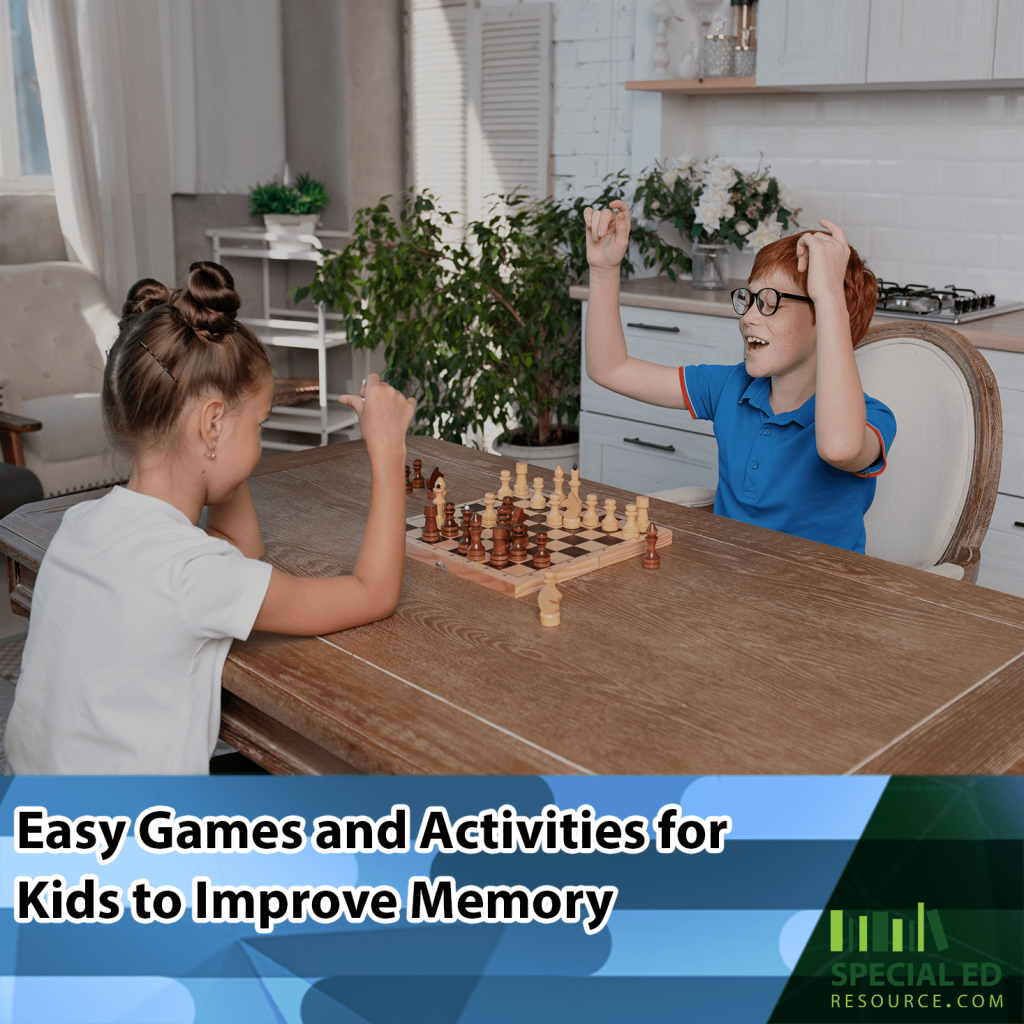
Studies in cognitive psychology indicate that solving puzzles stimulates a multitude of brain regions, allowing individuals to practice critical mental skills. An example can be found in the game of chess, which is often cited in research for enhancing strategic thinking and memory retention. Notably, visual puzzles like crosswords, Sudoku, or even jigsaw puzzles can yield similar benefits. Here are some key advantages of incorporating visual puzzles into your daily routine:
- Enhanced Memory Retention: Engaging regularly with visual puzzles can cultivate a remarkable capacity to remember information. For instance, a study involving older adults revealed that those who regularly participated in puzzles showed a slower decline in memory compared to those who did not.
- Increased Focus: The concentration needed to solve puzzles naturally sharpens attention spans. Engaging in these activities trains the brain to maintain attention over longer periods, which is especially beneficial in today’s fast-paced world where distractions are plentiful.
- Neuroplasticity: Challenges provided by puzzles encourage the brain’s natural adaptability, fostering connections that enhance cognitive abilities. This neuroplasticity is fundamental for learning new skills, ensuring that individuals remain mentally agile as they age.
Importantly, visual puzzles contribute significantly to both short-term and long-term memory improvement. This dual capacity highlights their versatility and effectiveness as a mental workout. With these puzzles widely available both online and in print, they have become accessible to a diverse audience, from schoolchildren enhancing their learning to seniors seeking to maintain their cognitive health. The burgeoning industry surrounding casual gaming and puzzle-solving underscores the appeal and importance of these activities.
Ultimately, the fascinating interplay between visual puzzles and memory warrants further investigation. As researchers continue to delve into this area, the findings may provide even more insights into how these enjoyable exercises can be strategically utilized for various cognitive benefits, paving the way for new practices in mental health and education.
DIVE DEEPER: Click here to explore the evolution of mind games
The Science Behind Memory and Visual Stimuli
The human brain is a complex organ, constantly processing vast amounts of information. Understanding how visual puzzles impact memory recall starts with grasping the fundamental role of visual stimuli in cognition. Visual puzzles engage our brain’s ability to decode, interpret, and respond to images and patterns. This interaction not only stimulates memory recall but also enhances overall cognitive processing.
According to cognitive neuroscience, visual memory is a crucial aspect of how we retain and recall information. This type of memory is particularly adept at encoding images, allowing us to retrieve memories with greater accuracy when visual prompts are involved. The incorporation of visual puzzles into our cognitive routines takes advantage of this natural inclination, as they provide both visual engagement and problem-solving challenges.
Recent studies have identified specific mechanisms through which visual puzzles can enhance memory recall:
- Pattern Recognition: Engaging with visual puzzles trains the brain to identify and remember patterns, which is a key aspect of memory. As individuals piece together a jigsaw puzzle or decode clues in a crossword, they are practicing this crucial skill, thereby reinforcing their memory circuits.
- Memory Visualization: Problems involving visual elements facilitate a mental representation of information. Research suggests that converting verbal or abstract concepts into imagery enhances memory retention. This phenomenon occurs when solving visual puzzles that demand mental visualization of components to arrive at a solution.
- Active Learning: Solving visual puzzles is an active learning process, which is more effective for memory retention compared to passive learning. When participants actively engage in spatial reasoning and strategic thinking, they strengthen their brain’s synaptic connections—a process critical for memory formation.
Moreover, an analysis published in the journal Memory & Cognition highlights that older adults who engage regularly in activities involving visual puzzles show a marked improvement in both working and long-term memory recall. The engaging nature of these puzzles motivates individuals of all ages, demonstrating a unique intersection between enjoyment and cognitive enhancement.
While the precise neural pathways activated by different kinds of puzzles are still being explored, the overarching theme remains clear: visual puzzles act as mental gymnasiums, strengthening memory recall and cognitive function. As we become increasingly aware of the importance of mental health, integrating visual puzzles into daily routines could represent a simple yet effective strategy for enhancing our cognitive abilities.
Ultimately, the impact of visual puzzles on memory recall is multifaceted. By understanding these mechanisms, we can further appreciate not only the entertainment value of puzzles but also their profound effects on cognitive well-being. As we delve deeper into this engaging subject, the potential applications for education, therapy, and everyday life become increasingly significant.
| Advantages of Visual Puzzles | Key Insights |
|---|---|
| Enhanced Memory Retention | Visual puzzles engage both visual and cognitive faculties, promoting improved memory retention. |
| Cognitive Flexibility | Regular engagement with these puzzles enhances the brain’s adaptability to new information, translating to better recall. |
As they delve deeper into the world of visual puzzles, researchers have consistently highlighted their role in enhancing memory recall. These puzzles not only serve as a form of entertainment but also act as a means of cognitive exercise that stimulates various brain functions. For instance, studies suggest that engaging with intricate visual patterns can forge stronger neural connections, subsequently aiding in memory retention.Moreover, the dual activation of visual and cognitive processes during puzzle-solving encourages greater cognitive flexibility. This quality is essential in adapting to evolving situations, leading to increased effectiveness in recalling previously learned information. As the popularity of visual puzzles continues to rise, further investigations promise to uncover even more intriguing connections between these brain-teasers and their potential benefits for memory enhancement.
DIVE DEEPER: Click here to discover how puzzles enhance your memory
The Role of Visual Puzzles in Educational Settings
The integration of visual puzzles in educational environments has gained traction, as educators recognize their potential to bolster memory recall and foster deeper learning experiences. In classrooms across the United States, visual puzzles—such as interactive maps, graphic organizers, and visual mnemonics—are employed to engage students actively, making the learning process both effective and enjoyable.
Research indicates that visual aids are particularly beneficial for visual learners, who retain information better when it is presented alongside visual elements. For instance, a study published in the International Journal of Educational Psychology reveals that students who utilized visual diagrams while studying for tests exhibited significantly improved memory recall compared to their peers who used text-only resources. This points to an essential consideration for educators: incorporating visual puzzles not only caters to diverse learning styles but also enriches the educational experience overall.
Moreover, visual puzzles can enhance collaboration among students. For example, engaging in group activities that involve assembling visual puzzles encourages peer interaction, communication, and the sharing of strategies. These collaborative efforts can lead to a stronger grasp of the material, as students discuss their thought processes and learn from one another. Higher levels of engagement in a learning setting using visual aids enhance motivation, leading to increased enthusiasm for learning.
In addition to formal education, visual puzzles are increasingly recognized in therapeutic practices. Neuropsychologists and occupational therapists utilize puzzles as rehabilitative tools for individuals recovering from cognitive deficits. For example, stroke survivors participating in cognitive rehabilitation often face memory challenges. Utilizing visual puzzles can facilitate recall skills through targeted brain exercises. Studies show that consistent engagement in such puzzles can lead to notable improvements in memory function, thereby aiding recovery.
An illuminating example comes from a program implemented at a rehabilitation center in Texas, where stroke patients collaborated on visual puzzles designed to stimulate various cognitive functions. The success of this program has implications for broader implementation in therapeutic settings, suggesting that visual puzzles may be a viable method for cognitive enhancement in those with memory impairments.
The potential of visual puzzles extends into the realm of technology as well. With the rise of applications and online platforms dedicated to visual learning, users can access a myriad of visual puzzles that offer instant feedback and adaptive learning experiences. By leveraging technology, users can tailor their puzzle experiences to match their cognitive capabilities and interests, thus promoting continuous brain engagement.
Furthermore, the advent of virtual reality (VR) presents a new frontier for the impact of visual puzzles on memory recall. VR environments can create immersive experiences in which users solve puzzles in dynamic settings. A study from the Journal of Virtual Reality and Broadcasting demonstrated that participants in VR-based puzzle activities showed marked improvement in both memory recall and spatial awareness compared to traditional methods, suggesting a potential shift in pedagogical approaches.
The multifaceted advantages of visual puzzles are clear. As we explore their applications in education, therapy, and technology, the landscape of memory recall enhancement continues to evolve. This trajectory not only highlights the necessity for ongoing research into the cognitive benefits of visual puzzles but also underscores their growing prominence in various sectors aiming to foster memory retention and cognitive resilience.
DIVE DEEPER: Click here to discover more
Conclusion
In summary, the transformative influence of visual puzzles on memory recall is both profound and multifaceted. From their integration into educational frameworks to their use in therapeutic contexts, visual puzzles serve not only as engaging tools but also as essential aids in enhancing cognitive functions. The ability of visual aids to cater to varied learning styles is a testament to their versatility; they improve retention rates and cultivate a richer understanding of material.
Moreover, the rise of technology has expanded the reach and effectiveness of visual puzzles, with interactive applications and virtual reality environments paving the way for innovative learning experiences. These advancements highlight a critical opportunity for educators, therapists, and cognitive health professionals to harness the potential of visual puzzles in promoting active engagement and effective memory strategies.
As ongoing research continues to unveil the comprehensive benefits of these cognitive tools, a greater emphasis on their implementation across sectors becomes increasingly imperative. Not only might visual puzzles assist in memory enhancement for students, but they also have significant implications for individuals recovering from cognitive injuries or impairments. Ultimately, the paths paved by visual puzzles are not merely a trend but a compelling approach towards cultivating a resilient, adaptive, and memory-conscious society. The journey into the impact of visual puzzles on memory recall invites readers and practitioners alike to explore and adapt these methods for a brighter cognitive future.
Related posts:
Using Memory Games to Improve Cognitive Flexibility
Top 10 Puzzles to Enhance Your Memory Skills
Exploring the Connection Between Brain Training and Memory Retention
The Benefits of Team-Based Mind Games for Memory Enhancement
How Memory Games Can Foster Social Connections and Cognitive Skills
How Mind Games Can Combat Age-Related Memory Decline

Linda Carter is a writer and puzzle expert specializing in mind games, brain teasers, and cognitive challenges. With extensive experience helping individuals enhance their problem-solving skills and think critically, Linda shares her knowledge on our platform. Her goal is to empower readers with practical advice, engaging puzzles, and strategies to sharpen their minds and achieve success in the captivating world of mind games and puzzles.