The Impact of Cognitive Puzzles on Brain Health in Aging Adults
Unraveling Brain Health
As individuals age, maintaining cognitive function becomes a pivotal aspect of overall health and well-being. In this context, cognitive puzzles, such as crosswords and Sudoku, have emerged as popular pastimes among aging adults. These brain-stimulating exercises not only provide entertainment but also play a significant role in enhancing brain health and fostering mental resilience. With the American population increasingly living longer, the importance of understanding the advantages of such cognitive challenges cannot be overstated.
The Benefits of Cognitive Puzzles
Engaging in cognitive puzzles has been linked to a myriad of benefits for older adults, making them an essential component of a healthy lifestyle. For example, studies have indicated that:
- Improved Memory: Regular participation in activities like crossword puzzles can significantly enhance memory retention. By stimulating various regions of the brain, these puzzles activate memory pathways, reinforcing recall abilities.
- Enhanced Problem-Solving Skills: The nature of puzzles forces individuals to think critically, promoting an analytical mindset that translates into more effective decision-making skills in real-life situations. This critical thinking sharpens their ability to navigate daily challenges.
- Increased Mental Agility: Engaging in puzzles keeps the brain active and can serve as a protective factor against cognitive decline. Research has found that consistent mental challenges may help delay the onset of dementia and other age-related cognitive impairments.
Beyond the cognitive benefits, there’s also a social component associated with solving puzzles. Working on these challenges with friends or family cultivates a sense of connection and collaboration, reminding us that mental wellness can often be a community effort. As the importance of mental health in communities across the U.S. continues to gain traction, the impact of mental exercises like puzzles becomes increasingly relevant.
Encouraging a Healthy Mindset
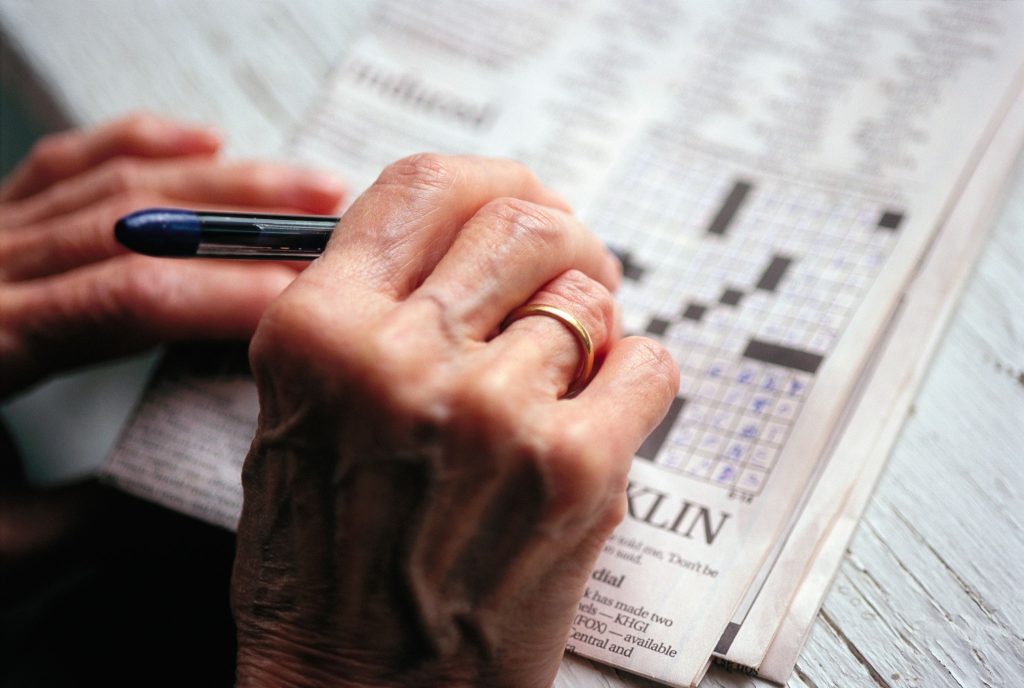
Incorporating puzzles into daily routines can be a straightforward yet potent method to nurture a healthier mind. For instance, many seniors gather in local community centers or at libraries to tackle crossword puzzles together, fostering not only cognitive improvement but also social interactions. As we delve deeper into the science behind cognitive puzzles, we uncover an array of strategies that enhance cognitive performance and promote overall well-being within aging populations.
As such, the exploration of cognitive puzzles is not merely about enhancing brain function; it serves as a gateway to a more fulfilling and connected life in our golden years. Making cognitive exercises a part of daily life could very well redefine what it means to age healthily in America.
DISCOVER MORE: Click here to dive deeper
The Science Behind Cognitive Engagement
Understanding the impact of cognitive puzzles on brain health in aging adults demands an exploration of the underlying science that supports these benefits. As we age, our brains undergo several changes, including reduced neural connectivity and the potential onset of cognitive impairments. However, growing evidence suggests that engaging in cognitive puzzles can help combat these declines by stimulating neuroplasticity—the brain’s ability to adapt and reorganize itself throughout life. This concept is crucial for aging individuals who seek to maintain their mental acuity and overall cognitive health.
How Cognitive Puzzles Stimulate the Brain
Cognitive puzzles act as a catalyst for brain activity, engaging multiple cognitive processes simultaneously. Research highlights several ways these puzzles contribute to enhanced brain function:
- Increased Blood Flow: Solving puzzles requires focused attention and cognitive effort, which increases blood flow to the brain. This enhanced circulation provides essential nutrients and oxygen to brain cells, fostering an environment conducive to better cognitive performance.
- Strengthening Neural Pathways: Regular engagement in puzzles promotes the formation of new neural connections. This neural strengthening is vital for both memory and learning, as it allows the brain to encode and retrieve information more efficiently.
- Stress Reduction: The act of solving puzzles can be meditative, allowing seniors to tune out external distractions. Lowering stress levels not only benefits mental health but also has been shown to improve cognitive function.
Moreover, many adults find that immersing themselves in puzzles also offers a break from the daily stresses of life. In cities across the United States, community groups focused on puzzle-solving have emerged, creating platforms for shared experiences. For instance, senior centers in places like Arizona and Florida often host puzzle tournaments, combining both social interaction and cognitive engagement.
Bridging the Gap: Cognitive Puzzles and Daily Life
The integration of cognitive puzzles into everyday routines can lead to interconnected benefits for both mind and community. While it may seem simple, this practice creates a balance of solitary and social activities that are crucial for holistic well-being in older adults. From participating in online puzzle forums to organizing friendly competitions within neighborhoods, the social aspect further enriches the mental challenges presented by various puzzles.
As more families recognize the importance of brain health, prioritizing cognitive activities can redefine how aging adults perceive their mental capabilities. Encouraging loved ones to engage in crossword puzzles or Sudoku can be a fun and effective way to boost cognitive function while creating lasting memories together. This pursuit of mental clarity not only fosters a sense of accomplishment but also ignites curiosity and a passion for continued learning in the later years of life.
The Art of Cognitive Engagement
As aging adults navigate the complexities of cognitive health, engaging in cognitive puzzles emerges as a powerful tool for mental stimulation. Research reveals that activities such as crosswords, Sudoku, and brain teasers can significantly enhance cognitive functioning, providing a mental workout that keeps the brain active. A stimulating environment promotes neuroplasticity, allowing the brain to form new connections and adapt to new challenges—essentially keeping it sharp as it ages.
Memory Retention and Cognitive Puzzles
Memory retention becomes increasingly crucial with age, and cognitive puzzles play an instrumental role. Activities that require recall, deductive reasoning, and problem-solving not only engage various brain regions but also bolster short-term and long-term memory. Studies have shown that regular engagement with cognitive puzzles can result in measurable improvements in memory performance among older adults, leading to enhanced daily functioning and independence.
Social Interaction Through Puzzles
Incorporating cognitive puzzles into group settings fosters social interaction, which is vital for mental health. Engaging in friendly competitions or collaborative puzzle-solving can significantly reduce feelings of isolation and depression, common concerns as individuals age. These community-oriented practices not only contribute to mental acuity but also promote a sense of belonging.
| Category | Advantages of Cognitive Puzzles |
|---|---|
| Mental Stimulation | Cognitive puzzles enhance neuroplasticity and improve overall brain health. |
| Memory Improvement | Regular practice leads to better memory retention and cognitive performance. |
Incorporating cognitive puzzles into daily routines is a proactive approach to support brain health for aging adults. The integration of such activities can foster not only cognitive engagement but also emotional well-being, making them a cornerstone of a healthy aging strategy.
DISCOVER MORE: Click here to dive deeper
Cognitive Puzzles: A Tool for Enhanced Mental Resilience
The relationship between cognitive puzzles and brain health in aging adults extends beyond mere entertainment; it represents a proactive approach to mental resilience. Utilizing puzzles as part of a regular mental fitness routine can significantly impact how older adults cope with cognitive decline and maintain a zest for life. Research indicates a robust correlation between engaging in challenging puzzles and the enhancement of cognitive functioning. A study conducted by the Alzheimer’s Association found that individuals who routinely engaged in mentally stimulating activities experienced a 30-50% reduction in the risk of developing Alzheimer’s disease and other forms of dementia.
Puzzles and Memory Improvement
One of the most profound ways in which cognitive puzzles bolster brain health is by enhancing memory. Engaging in activities like jigsaw puzzles, crosswords, and brain teasers requires the brain to utilize and strengthen its memory capabilities. As these puzzles often involve recalling information, synthesizing clues, and making connections, they actively engage regions of the brain associated with memory retention.
For instance, participating in crossword puzzles not only requires language skills but also promotes the recall of a broad vocabulary. Studies suggest that with regular practice, aged adults can improve both short-term and long-term memory responses significantly. Participants aged 60 and above who consistent engage in crossword puzzles have been reported to show improved performance in memory tests compared to those who do not engage in mental challenges.
The Community Aspect of Puzzle Solving
Social interaction plays a critical role in maintaining cognitive health, particularly among aging populations. Cognitive puzzles facilitate opportunities for social engagement that amplify the benefits of solitary problem-solving. Collaborative puzzle-solving activities—whether through local clubs, community centers, or online platforms—link the cognitive benefits of puzzles with vital social connections.
Interestingly, an American Psychological Association study highlighted that seniors who regularly participated in group puzzle activities showed signs of improved moods and cognitive function compared to those who engaged in mental exercises alone. This combination of social and cognitive interaction can produce a positive feedback loop, reinforcing the notion that community engagement is essential for holistic brain health.
A Cross-Generational Approach to Cognitive Puzzles
Encouraging family involvement in cognitive puzzles can promote intergenerational learning and strengthen relationships. Engaging youth with older family members can foster conversations that not only share wisdom but also inspire new ways of thinking. Consider arranging family puzzle nights where both young and older family members can connect through shared challenges. This approach not only enriches cognitive health but also builds a shared sense of purpose and accomplishment among family members.
As the demand for mental agility increases in today’s rapid-paced world, it is vital for aging adults to adopt strategies that support their cognitive health. The incorporation of cognitive puzzles into daily routines stands as a beacon of hope, offering ways to fend off cognitive decline while simultaneously enriching social bonds. As strategies for maintaining mental acuity evolve, cognitive puzzles should remain at the forefront of discussions about aging and brain health.
DIVE DEEP: Click here to uncover the science
Conclusion: Embracing Cognitive Puzzles for Longevity and Well-being
As we reflect on the profound impact of cognitive puzzles on brain health in aging adults, it becomes clear that these engaging activities serve as a multifaceted tool for enhancing mental well-being. With the ability to boost memory, encourage social interaction, and foster intergenerational bonds, puzzles are not merely a pastime; they are a powerful strategy for combating cognitive decline. The compelling evidence from research highlights that incorporating cognitive puzzles into daily routines can lead to a 30-50% reduction in the risk of developing Alzheimer’s disease and other forms of dementia.
Moreover, the mental sharpness gained through regular puzzle-solving not only helps maintain cognitive function but also enriches social connections. As seen in findings from studies focused on collaborative puzzle activities, engagement in group settings can enhance mood and mental acuity, creating an enriching environment for aging adults.
In an age where mental vitality is paramount, it is essential for both individuals and families to prioritize cognitive health. By fostering an atmosphere that encourages puzzle-solving, whether through family nights or community interactions, we open the door to a brighter, more connected future for our aging population. The versatility and accessibility of cognitive puzzles present an opportunity that cannot be overlooked, making them a key player in the quest for longevity and balanced mental health. As we move forward, let us champion the inclusion of cognitive puzzles in discussions about healthy aging, as they pave the way for a dynamic, joyous experience in our golden years.
Related posts:
The Role of Cognitive Challenges in Stress Relief and Mental Well-Being
The Influence of Cognitive Games on Memory Retention and Recall
The Influence of Cultural Variations on Puzzle Preferences and Cognitive Engagement
The Effect of Competitive Mind Games on Team Dynamics and Collaboration Skills
How Mind Games Enhance Problem-Solving Skills in Children
The Role of Cognitive Challenges in Developing Resilience in Young Adults

Linda Carter is a writer and puzzle expert specializing in mind games, brain teasers, and cognitive challenges. With extensive experience helping individuals enhance their problem-solving skills and think critically, Linda shares her knowledge on our platform. Her goal is to empower readers with practical advice, engaging puzzles, and strategies to sharpen their minds and achieve success in the captivating world of mind games and puzzles.