The Impact of Chess on Developing Long-term Strategic Thinking Skills

Harnessing Cognitive Growth Through Chess
Chess has long been esteemed not just for its entertainment value, but more importantly for its ability to cultivate long-term strategic thinking skills. Every chess game starts with an innocent move of a pawn, yet it quickly unfolds into a complex battlefield where critical thinking, foresight, and planning are essential. The game invites players to go beyond simple moves and engage in a profound mental exercise.
Research supports the notion that chess positively influences cognitive development. For instance, a study conducted by researchers at the University of Texas found that students who participated in chess programs demonstrated significant improvements in cognitive skills compared to their peers who did not play. These enhancements manifest in various forms:
- Planning and foresight: Players must anticipate the moves of their opponents, developing the ability to predict actions not just in chess but in real life as well. This skill translates into better project planning and proactive decision-making in professional environments.
- Problem-solving: Facing a formidable opponent forces players to navigate intricate scenarios and devise effective solutions. This practice enhances logical reasoning and creative thinking, preparing individuals for multifaceted challenges in everyday tasks.
- Decision-making under pressure: Chess mimics high-pressure situations in life and business, requiring quick, logical decisions. The ability to maintain composure and make sound judgments amidst stress is invaluable in various career fields, particularly those involving crisis management.
The benefits of chess extend well beyond the confines of the game. Studies have illustrated that children who learn chess show improved academic performance in subjects such as mathematics and science, as the strategic concepts and problem-solving skills they develop influence their approach to learning. This correlation suggests that incorporating chess into educational curricula could be an effective strategy to boost overall academic achievement.
Furthermore, the discipline and patience cultivated through regular chess play are instrumental in personal and professional success. As players analyze their games, they develop a reflective mindset where they learn from mistakes, enhancing their capacity for strategic thinking—a skill that proves beneficial not only in chess but throughout life.
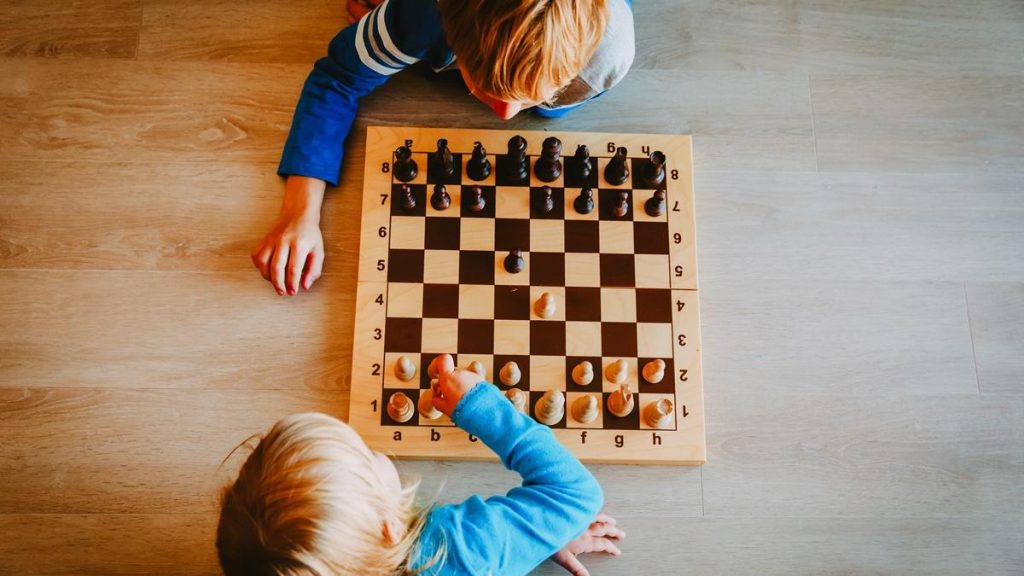
In our fast-paced world, where instant gratification often overshadows thoughtful consideration, chess remains a compelling alternative for those willing to engage in deep, long-term decision-making. The game’s strategic depth provides valuable insights that encourage us to deliberate rather than rush, fostering a mindset that prioritizes meaningful results over quick fixes. Join us as we explore the intricate relationship between chess and the evolution of strategic thought.
DISCOVER MORE: Click here to dive deeper
The Journey of Strategic Development in Chess
At the heart of chess is the intricate dance of strategic planning. Players are not merely concerned with immediate gains; instead, they must build a roadmap that stretches several moves ahead, anticipating not just their own strategy but countering that of their opponents as well. This fundamental characteristic of chess fosters a unique blend of cognitive abilities that aligns perfectly with the essential skills needed in today’s complex environments.
The art of chess equips players with certain competencies that enhance their long-term strategic thinking capabilities. Among these, several stand out as particularly vital for both personal and professional growth:
- Enhanced Critical Thinking: Chess demands a high level of analysis and evaluation. Players regularly assess potential moves, contemplating the implications of each decision. This practice nurtures critical thinking skills that are applicable in various situations, from business negotiations to personal conflict resolution.
- Long-term Goal Setting: Winning a chess game is about more than just survival; it’s about positioning oneself for victory many moves later. By engaging in this future-oriented mindset, players learn to set realistic and achievable goals that are critical for success in professional environments, where long-term planning is paramount.
- Adapting to Complexity: Chess is never as straightforward as it seems. Each match presents new threats and opportunities, compelling players to adapt their strategies accordingly. This adaptability is a cornerstone of strategic thinking, essential for navigating the unpredictable nature of business landscapes.
A fascinating aspect of chess lies in its dual nature: while it is a game of individual skill, it also drives collaborative learning. Players often engage in post-match analyses, learning from each other’s strategies and mistakes. This reflection not only deepens understanding but also strengthens the bonds within teams, fostering a spirit of collaborative problem-solving that is invaluable in professional settings.
Research continues to underline the transformative effects of chess on cognitive skills. For example, a study published in the Journal of Educational Psychology found that students engaged in chess interventions exhibited advancements in mathematical problem-solving abilities compared to those who did not participate in such activities. This underscores the game’s role as a catalyst for academic enhancement, aligning well with many educational institutions’ trends of adopting chess programs to boost student performance.
Moreover, the strategic depth of chess promotes a culture of patience and resilience. Players learn to handle setbacks gracefully—whether losing a piece or an entire game—and develop the emotional fortitude to analyze their errors. This capability of persevering through challenges translates seamlessly into life skills that encourage individuals to tackle obstacles head-on, fostering solutions rather than succumbing to frustration.
In a society increasingly driven by quick decisions and fast outcomes, the thoughtful deliberation inspired by chess offers a refreshing contrast. The game trains players to commit to long-term strategies and mindful decision-making, qualities that are essential not only in the realm of chess but in our everyday lives.
| Advantage | Description |
|---|---|
| Enhanced Problem-Solving Skills | Chess stimulates analytical thinking, helping players to evaluate various possible moves and outcomes. |
| Improved Patience and Discipline | Players learn to stay focused for prolonged periods, a vital trait in both chess and real-life strategic situations. |
| Foresight and Planning | Chess requires one to anticipate opponents’ moves, translating to real-world decision-making and planning. |
| Strategic Thinking Development | Building long-term strategies in chess aids in cultivating holistic thinking applicable in business and personal goals. |
Engaging in chess has broader implications beyond the game itself. Each move is a decision influenced by both immediate and potential future outcomes, embodying complex strategic thinking that mirrors real-life problem-solving scenarios. Chess players not only sharpen their analytical skills but also cultivate a disciplined approach towards challenges, requiring patience in order to achieve success. In addition, the foresight needed to predict an opponent’s moves contributes significantly to developing a forward-thinking mindset. By continuously evaluating different scenarios and outcomes, chess encourages players to perceive events from a broader perspective. Exploring these benefits reveals how the game of chess can serve as a crucial tool in enhancing strategic thinking abilities that extend to various aspects of life.
DISCOVER MORE: Click here to enhance your cognitive skills
The Transformative Power of Chess in Real-World Applications
As chess continues to gain traction in educational and business sectors, its transformative power is becoming impossible to ignore. Numerous organizations, from nonprofit foundations to corporate training programs, recognize the game’s potential in developing long-term strategic thinking skills. For instance, the implementation of chess programs in schools across the United States has led to improvements not only in student cognitive abilities but also in emotional intelligence and interpersonal communication. These skills are integral in today’s collaborative work environments, where teamwork and communication are essential for success.
In particular, programs like the Chess in the Schools initiative have proven how chess can empower students from underserved communities. By engaging with chess, young learners develop critical social skills, including patience, discipline, and respect for others. This foundational change positively impacts their academic performance and personal growth, preparing them for careers where strategic thinking is paramount.
A key aspect of long-term strategic thinking in chess extends beyond the board and seeps into various industries. For example, professionals in fields like finance and project management leverage chess principles to structure their decision-making processes. The capacity to evaluate potential risks, predict outcomes, and formulate intricate plans allows these individuals to navigate complex projects with confidence. Chess teaches players how to think several steps ahead, a vital skill in fields where the stakes are as high as a multimillion-dollar merger.
Moreover, companies such as IBM and Accenture have begun adopting chess training for employees to enhance problem-solving skills and strategic foresight. These organizations utilize chess as a tool for employee development, cultivating a mindset that embraces risks while systematically evaluating the potential for success. This practical application reveals chess as not simply a game but a framework for addressing real-world challenges.
The Role of Chess in Personal Development
The significance of chess also transcends professional domains and filters into personal life. Individuals who regularly play chess often report heightened levels of concentration and focus. In a world filled with distractions, this mental clarity is crucial not only for strategic pursuits but also for everyday responsibilities, from budgeting household finances to balancing work and family life. For instance, a parent managing multiple roles can apply chess-like planning skills to optimize daily tasks, ultimately leading to a sense of accomplishment and increased overall well-being.
The ongoing study of the intersection between chess and cognitive development has led to compelling findings. A notable investigation by the University of Memphis highlighted that participants who engaged in chess exhibited significant improvements on standardized tests, particularly in areas requiring spatial reasoning. This capacity for enhanced spatial awareness can be instrumental in fields such as architecture and engineering, where visualizing complex designs is needed for success.
A New Cultural Paradigm
As the cultural landscape in the United States shifts towards valuing critical and strategic thinking skills, chess embodies an accessible tool for fostering these abilities. Initiatives to integrate chess into after-school programs and community centers have contributed to a growing appreciation for the game’s importance in shaping thoughtful, well-rounded individuals. The recent rise of online chess platforms, especially during the pandemic, has opened new avenues for people of all ages to engage in this ancient game, encouraging a diverse audience to embrace its educational benefits.
In summary, the impacts of chess on developing long-term strategic thinking skills permeate multiple facets of life, from education to professional settings and personal growth. By adopting the lessons from this timeless game, individuals can cultivate a mindset that is not only strategic but also adaptable, ultimately leading to better decision-making in an increasingly complex world.
LEARN MORE: Click here to discover the benefits of cognitive puzzles
Conclusion: Embracing Chess as a Tool for Strategic Mastery
The profound impact of chess on developing long-term strategic thinking skills is increasingly evident across various sectors and aspects of life. As explored throughout this article, the game’s ability to hone critical cognitive abilities such as problem-solving, risk assessment, and foresight places it at the forefront of educational and professional development strategies. From enriching the minds of schoolchildren through initiatives like Chess in the Schools to enhancing corporate training programs at leading companies like IBM and Accenture, chess serves as a dynamic tool for cultivating not only strategic insights but also essential life skills.
Moreover, the benefits of engaging with chess extend beyond the confines of formal settings. On a personal level, players often experience heightened concentration, improved emotional intelligence, and a greater capacity to handle the complexities of daily life. This aligns with the growing cultural recognition of the importance of strategic thinking in today’s fast-paced world. With several studies supporting the cognitive advantages associated with chess, it is evident that this timeless game holds the potential to shape thoughtful leaders and empower individuals across demographics.
Looking ahead, as our society increasingly values adaptability and strategic insight, integrating chess into various learning and development frameworks could pave the way for a new generation equipped to tackle multifaceted challenges. Chess is more than just a game; it is a pathway to mastering the art of strategic thinking — an invaluable skill for navigating the complexities of our ever-evolving world. As such, it invites individuals of all ages to delve deeper into its intricacies, uncovering the transformative potential that lies within each move on the board.
Related posts:
Unraveling Sudoku: Mental Strategies to Enhance Cognitive Agility
The Art of Chess: Developing Strategic Thinking Through Ancient Strategies
Logic Puzzles: The Intersection Between Creativity and Strategic Thinking
The Influence of Video Games on the Improvement of Strategic Thinking
The Impact of Real-Time Strategy Games on Rapid Decision Making
Using Board Games to Develop Strategic Thinking Skills

Linda Carter is a writer and puzzle expert specializing in mind games, brain teasers, and cognitive challenges. With extensive experience helping individuals enhance their problem-solving skills and think critically, Linda shares her knowledge on our platform. Her goal is to empower readers with practical advice, engaging puzzles, and strategies to sharpen their minds and achieve success in the captivating world of mind games and puzzles.