The History of Brain Teasers: From Ancient Riddles to Modern Challenges
Understanding the Enduring Allure of Brain Teasers
Brain teasers have captured the human imagination for centuries, evolving from ancient riddles to contemporary cognitive challenges that leverage modern technology. These mental exercises are not just pastimes; they serve as tools for intellectual development, cultural reflection, and communal interaction. Their multifaceted roles in society reveal much about our values and intellectual pursuits.
The purpose of brain teasers transcends mere entertainment. Let’s explore their diverse functions in greater detail:
- Intellectual stimulation: Brain teasers engage cognitive faculties by challenging individuals to think critically and creatively. They often require lateral thinking, which is the ability to solve problems through an indirect and creative approach. For instance, puzzles like Sudoku or logic problems encourage analytical thinking and improve concentration and memory.
- Cultural expression: Riddles often encapsulate the ethos of their times, employing clever wordplay that reflects the language and society of the era. For example, the riddle “What has keys but can’t open locks?” (the answer being a piano) creatively illustrates cultural themes related to music, art, and human experience.
- Social bonding: Collaborative puzzle-solving fosters camaraderie and teamwork. In settings such as escape rooms—popular in urban areas across the United States—friends and family members must work together to crack codes and solve puzzles, thereby enhancing interpersonal bonds and communication skills.
Throughout history, various examples highlight the fascinating evolution of brain teasers:
- Ancient Greece: The riddle of the Sphinx posed to Oedipus is perhaps one of the world’s most famous riddles. Its clever structure and dramatic implications reflect not only the intellectual challenges of the age but also its deep philosophical inquiries about knowledge and identity.
- Shakespearean riddles: The Bard often infused his works with riddles that reveal deeper meanings about love, ambition, and human folly. For example, in “Hamlet,” the character uses riddles to expose the duplicity of others whilst illuminating his internal conflicts.
- Modern puzzles: Today, brain teasers manifest in various forms, from online quizzes that test general knowledge to elaborate puzzles designed for virtual reality platforms. These contemporary challenges are often infused with technology, making them accessible to a broader audience.
As we venture further into the history and significance of these brain teasers, we uncover how they not only entertain but also educate. Join us on this exploration to better understand the transformative power of puzzles in shaping our thoughts, culture, and social interactions. Delving into their history reveals the intricate tapestry of human intellect and creativity, inviting us to engage with the riddles that enrich our lives today.
DISCOVER: Click here to dive into the world of puzzles across cultures
The Evolution of Riddles Through the Ages
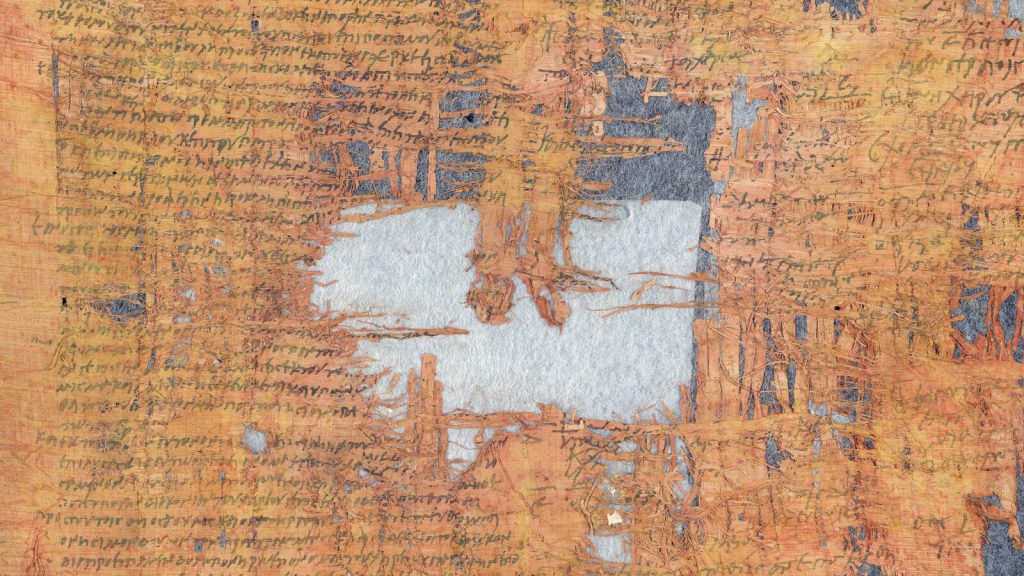
The art of crafting and solving riddles dates back to ancient civilizations, where they served both as entertainment and as a means to convey knowledge. The earliest recorded riddles can be traced to Mesopotamia around 2350 BC, where clay tablets bore inscriptions featuring riddling questions. These intricate word puzzles acted as both intellectual exercises and forms of storytelling, captivating audiences while encouraging critical thinking.
As societies evolved, so too did their brain teasers. In Ancient Egypt, hieroglyphs often contained riddles that challenged readers to think beyond the surface meaning. A popular example from this era is the riddle of the “sphinx” which has transcended time. This riddle not only entertained but was intricately linked to Egyptian mythology, emphasizing the importance of knowledge and wisdom. Through clever wordplay, riddles mirrored the societal values of the time, emphasizing a connection between intellect and social standing.
Fast forward to the medieval period, and we find that riddles became an essential component of folk traditions in various cultures. The book “Riddles of the Sphinx” from this period illustrates how these puzzles were used in educational settings. Scholars would engage with riddles not merely for amusement, but as a way to refine their reasoning abilities. This spirit of inquiry continued through the teachings of scholars and poets, who often accompanied their lessons with brain teasers that required students to employ both logic and creativity.
In addition to historical significance, brain teasers have often mirrored the cultural dynamics of different eras. The Renaissance period saw a surge in the popularity of word riddles, with notable figures like William Shakespeare peppering his plays with clever puzzles that revealed deeper truths about human nature. Hamlet’s musings scattered with riddles demonstrate how these challenges can serve as a commentary on life’s complexities, engaging the audience in active participation.
With the advent of the 19th century, the format of brain teasers began to evolve dramatically. Books dedicated to puzzles emerged, with popular collections like “The Baffler” capturing the interests of the public. The introduction of language games, anagrams, and logic problems in leisure activities further cemented the importance of brain teasers. Meanwhile, periodicals began including dedicated sections for riddles and puzzles, indicating that interest in these brain workouts was flourishing in society.
- Ancient Mesopotamia: The earliest riddles written on clay tablets served both as entertainment and didactic tools.
- Ancient Egypt: Complex riddles tied to mythology emphasized the societal values of intelligence and wisdom.
- Medieval period: Riddles became prevalent in educational contexts, sharpening cognitive skills among scholars.
- Renaissance: Prominent figures utilized riddles in literature, revealing deeper insights and engaging audiences in thought.
- 19th century: A surge in riddle books and puzzle-related periodicals broadened accessibility and interest.
As we navigate through these pivotal moments in the history of brain teasers, we begin to see how they have transformed over time, reflecting our evolving approach to knowledge, creativity, and social interaction. This exploration invites us to delve into the intricacies of these fascinating puzzles and their lasting impact on both individual and collective intelligence.
The Evolution of Brain Teasers Through Time
As we delve into the history of brain teasers, it becomes apparent that these intellectual challenges have morphed significantly across centuries. Ancient riddles, often rooted in myth and folklore, captivated both the minds and the hearts of our ancestors. For example, the famous riddle of the Sphinx from Greek mythology posed a question that determined the fate of travelers, blending danger with an intellectual challenge. This interplay of wisdom and peril illustrates how such puzzles were not merely entertainment but vital aspects of cultural narratives.
Moving through the ages, the Middle Ages introduced brain teasers into literature, with works like the Book of Riddles gaining popularity among nobility. The playful use of language demonstrated the era’s linguistic creativity and served as a critical tool for education and intellectual engagement. Scholars would often use riddles to sharpen critical thinking skills and promote conversation among peers, reflecting societal values that prized wit and intelligence.
Transitioning into the modern era, the advent of print media in the 18th and 19th centuries saw an explosion of brain teasers in newspapers and books. This democratization of puzzles made them accessible to the general public, fostering a burgeoning interest in problem-solving. Today, we witness a blend of traditional riddles with modern challenges, transforming brain teasers into captivating escape room experiences, interactive games, and online quizzes. As technology continues to evolve, so does the medium through which we engage with these timeless challenges.
In this fascinating exploration, brain teasers not only reflect the changing dynamics of human thought but also serve as a testament to our enduring quest for knowledge and entertainment across cultures and eras. Each riddle, each puzzle tells a story, inviting us to connect with our past while challenging our present.
| Category 1 | Category 2 |
|---|---|
| Ancient Riddles | Puzzles that combine storytelling with intellectual challenges, often found in mythology. |
| Literary Evolution | The integration of brain teasers in literature served to enhance critical thinking and social dialogue. |
Understanding this evolution reveals the richness of brain teasers, urging us to engage with and appreciate these intellectual traditions in our modern lives.
DISCOVER MORE: Click here to learn how brain teasers can boost your memory
Brain Teasers in the Age of Enlightenment and Beyond
The Age of Enlightenment, spanning the 17th and 18th centuries, ushered in a new wave of intellectual thought, sparking curiosity and innovation across Europe and, later, the United States. During this period, brain teasers evolved from simple play to complex challenges that reflected emerging scientific understanding and philosophical inquiry. This era saw the rise of logic puzzles, mathematical riddles, and the introduction of puzzles that required more than just linguistic skill; they demanded clear reasoning and analytical thought.
The fascination with puzzles was also evident in the groundwork laid for modern mathematics and philosophy. Figures such as Gottfried Wilhelm Leibniz and George Boole contributed significantly to logical reasoning, and their works influenced puzzle creation. One particular achievement was the widespread publication of mathematical riddles that challenged solvers’ abilities to apply algebraic principles creatively, giving birth to a genre of puzzles that continues to thrive today.
As society advanced into the 19th century, the format of brain teasers continued to diversify. Puzzle enthusiasts began to gather in clubs and societies dedicated solely to riddles and games of intellect. One notable creation was the crossword puzzle, which made its debut in a newspaper in 1913, paving the way for a new genre of brain teasers that combined vocabulary and reasoning. This invention resonated strongly in America, leading to crossword puzzles becoming a staple among readers, especially during the Great Depression, when they provided both a source of entertainment and a means to engage the mind amidst challenging times.
In the 20th century, the introduction of technology reshaped the landscape of brain teasers. The emergence of computers allowed for the advent of digital puzzles, expanding accessibility and variety to broader audiences. Online platforms now serve as hubs for puzzle solvers, offering an endless array of challenges ranging from logic puzzles to virtual escape room experiences. This digital shift emphasizes the democratic nature of riddles, as individuals from diverse backgrounds can engage with and find joy in these cerebral challenges.
Moreover, the integration of brain teasers into education has gained momentum in modern teaching methodologies. Educators recognize that puzzles enhance problem-solving skills, critical thinking, and creativity, making them valuable tools in the classroom. Programs geared towards gifted students often incorporate brain teasers as a way to hone their abilities while keeping learning enjoyable. This approach aligns with the rich history of riddles, where the blend of entertainment and education continues to foster intellectual development.
- Age of Enlightenment: A period that expanded the complexity of brain teasers, focusing on logic and scientific inquiry.
- 19th Century: Growth in puzzle clubs and the invention of the crossword puzzle as a new form of engaging entertainment.
- 20th Century: Digital technology transformed brain teasers, broadening accessibility and variety.
- Modern Education: Puzzles are now integrated into teaching methods, enhancing problem-solving skills and creativity.
The historical journey of brain teasers, from ancient riddles to the modern-day challenges encountered in digital formats, encapsulates humanity’s enduring love for intellectual pursuits. Each era not only carved its unique niche in the world of riddles but also illustrates how deeply intertwined these puzzles are with societal evolution and educational advancements.
DISCOVER MORE: Click here to learn about cultural influences on puzzle preferences
Conclusion: The Everlasting Allure of Brain Teasers
The exploration of brain teasers through the ages reveals a captivating journey that reflects humanity’s curiosity, creativity, and desire for intellectual engagement. From the enigmatic riddles of ancient cultures to the innovative digital puzzles that dominate our screens today, brain teasers have adapted and evolved, mirroring the changing landscapes of society, education, and technology.
Each era has contributed unique elements, from the logical frameworks established during the Age of Enlightenment to the crosswords that became a cherished pastime in American households during the Great Depression. The influence of mathematics and logic in shaping modern puzzles exemplifies how brain teasers not only entertain but serve as valuable tools for enhancing cognitive skills and problem-solving abilities.
As we advance into a digital future, it is essential to appreciate that these challenges can be more than mere diversions; they are gateways to critical thinking and collaborative learning. Online platforms encourage global participation, making brain teasers accessible to diverse audiences, thus reaffirming their democratic nature.
In an educational context, integrating puzzles into curricula not only makes learning more engaging but also fosters creativity and resilience among learners. With this rich legacy, brain teasers continue to be an integral part of human culture, intertwining entertainment with education and inspiring future generations to unlock their full intellectual potential.
Ultimately, the history of brain teasers serves as a reminder that no matter the era or medium, the pursuit of intellectual challenge remains a timeless endeavor, encouraging us all to think, reason, and play.
Related posts:
The Role of Brain Teasers in Developing Problem-Solving Skills in Adults
Brain Teasers and Education: How to Use Them to Stimulate Learning in Children
The Evolution of Brain Teasers in the Digital Age: How Modern Technologies Transform Classic Challen...
The Psychology of Brain Teasers: Why Do We Love Mental Challenges?
Brain Teasers and Creativity: How Mental Challenges Stimulate Innovative Thinking
Brain Teasers as a Team Building Tool: Strengthening Relationships at Work

Linda Carter is a writer and puzzle expert specializing in mind games, brain teasers, and cognitive challenges. With extensive experience helping individuals enhance their problem-solving skills and think critically, Linda shares her knowledge on our platform. Her goal is to empower readers with practical advice, engaging puzzles, and strategies to sharpen their minds and achieve success in the captivating world of mind games and puzzles.