The Art of Chess: Developing Strategic Thinking Through Ancient Strategies
The Multifaceted Benefits of Chess
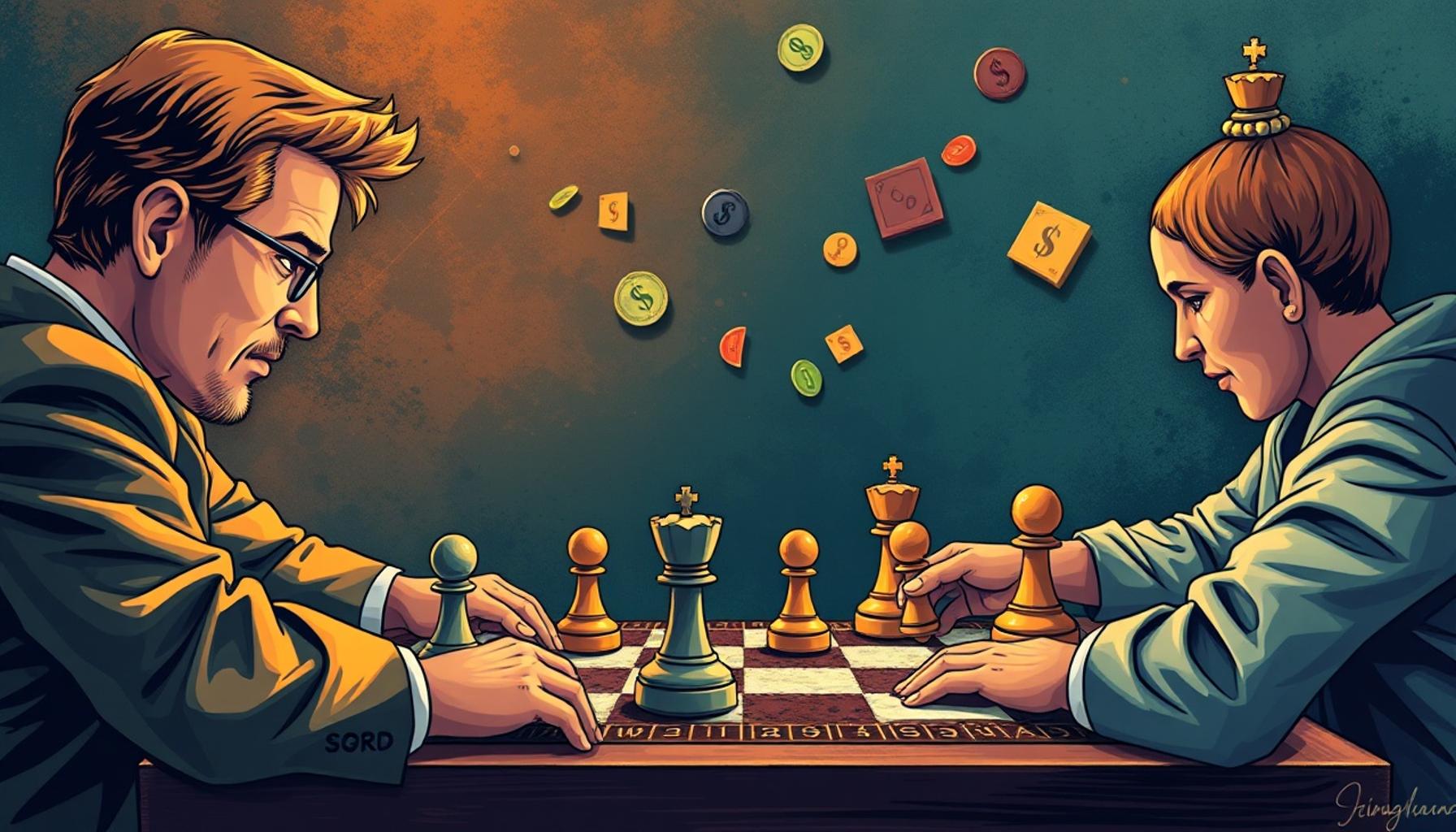
Chess is more than just a game; it serves as a profound exercise in strategic thinking. Throughout history, it has provided individuals with a platform to cultivate essential cognitive skills, such as problem-solving and decision-making. The intricate nature of chess makes it an intriguing challenge that engages players in deep thought and analysis.
Since its origins in ancient India, where it was known as Chaturanga, chess has evolved into a game cherished globally. Its tactics and strategies, some of which date back centuries, offer insightful lessons about planning, foresight, and even psychology. Engaging with chess can significantly enhance various cognitive abilities, creating a ripple effect that transcends the chessboard.
Benefits of Playing Chess
- Enhances critical thinking skills: Chess players learn to analyze and evaluate different positions systematically. By considering the potential outcomes of each move, they develop the ability to think critically and make informed decisions under pressure.
- Fosters patience and discipline: The slow-paced nature of the game teaches players to think several steps ahead, which cultivates a sense of patience. Learning to wait for the right moment to strike can translate into better self-control in everyday life.
- Promotes creativity: Developing unique strategies enables players to adopt innovative ways to confront challenges. The flexibility required in chess encourages out-of-the-box thinking and the ability to adapt when faced with obstacles.
Furthermore, chess has been linked to improved academic performance in subjects such as mathematics and reading. Numerous studies indicate that students who participate in chess tournaments tend to demonstrate higher levels of focus and improved problem-solving abilities compared to their peers. For example, programs like Chess-in-the-Schools in New York City have been successful in utilizing the game to bolster students’ academic skills and engagement.
As players delve into Classical chess strategies and famous games from grandmasters like Garry Kasparov and Bobby Fischer, they connect with a rich tapestry of history. Each move on the board reflects centuries of thought, adaptation, and cultural influence. The game has been an essential part of many civilizations, with different countries contributing their unique styles and techniques to its evolution.

Embracing History and Wisdom
Diving into the depths of chess not only sharpens the mind but also opens the door to understanding profound historical wisdom. By embracing these time-honored practices, players can significantly improve their strategic thinking abilities. The game teaches resilience, as players learn to handle losses and setbacks—an invaluable lesson that applies to much more than just the chessboard.
Ultimately, the transformative power of chess lies in its ability to cultivate essential life skills. Whether played in the quiet corners of a park or in prestigious tournaments, chess continues to serve as a bridge connecting generations and cultures, inviting all to unlock their potential through this timeless game.
DIVE DEEPER: Click here to uncover more insights
The Foundations of Strategic Thinking in Chess
At its core, chess is a vivid representation of strategic thought and planning, requiring players to orchestrate complex maneuvers and anticipate their opponent’s reactions. This intricate gameplay reflects not only the mastery of the game but also the profound understanding of strategy that has been honed over the centuries. As players engage with chess, they naturally begin to internalize ancient strategies that emphasize key principles of strategic thinking.
One of the fundamental aspects of chess that aids in developing strategic thinking is the concept of control. Dominating key squares on the board is similar to gaining influence in various life situations; it allows players to dictate the tempo of the game. This idea extends beyond the chessboard, encouraging individuals to recognize the importance of having a firm grasp on their environment, whether in academic settings, business negotiations, or personal relationships.
Ancient Strategies and Modern Applications
Many time-tested strategies rooted in the game’s history remain relevant and teach valuable lessons. For example, the Opening Principles guide players in developing their pieces effectively, safeguarding their king, and controlling the center. These principles are akin to the foundational strategies of project management and business planning, where establishing a solid foundation is critical for success.
- Central control: Players who aim to occupy and control the center of the board can create more opportunities to attack, reflecting the strategic importance of positioning in any endeavor.
- Piece development: Just as in business, where leveraging resources and skills effectively can lead to greater success, chess emphasizes the need to develop all pieces efficiently to create a cohesive strategy.
- King’s safety: Prioritizing the safety of one’s king translates into understanding risk management and protection in various aspects of life, reinforcing the value of minimizing vulnerabilities.
As players enhance their game through these foundational strategies, they cultivate foresight—the ability to predict the implications of their current actions on future outcomes. This anticipatory mindset fosters a greater appreciation for long-term planning, aligning with modern concepts like strategic foresight in business and project management. The ability to engage in this level of thoughtful preparation can create significant advantages in any competitive arena.
Cultivating a genuine understanding of these ancient strategies can stimulate an interest in delving deeper into the history of chess itself. By studying past masters such as Mikhail Botvinnik and Anatoly Karpov, players can glean insights into the evolving nature of strategy and adaptability, while drawing parallels to contemporary situations. For anyone keen on achieving mastery in their field, understanding the historical context within which strategies were developed can provide valuable perspectives and lessons for future application.
As we explore chess’s intricate tapestry further, we uncover the timeless wisdom embedded within each strategic maneuver. Through the lens of chess, players are not merely engaging in a game but embarking on a journey of continuous learning that sharpens their own strategies, approaches, and ultimately their success in life’s endeavors.
The Art of Chess: Enhancing Cognitive Skills
In the world of strategic games, chess stands out as a beacon of intellectual challenge. Not only does it provide entertainment, but it also serves as a remarkable tool for enhancing cognitive skills. As players delve into the intricacies of this ancient game, they develop essential abilities that can benefit them across various aspects of life. The mental engagement required in chess promotes critical thinking, problem-solving, and decision-making skills. One of the profound advantages of chess is its ability to foster patience and perseverance. As players navigate through complex positions, they learn to analyze multiple possibilities before making a move. This process instills a sense of discipline, which is invaluable in both personal and professional settings. Furthermore, chess encourages players to adopt a long-term perspective, helping them understand the consequences of their actions before acting impulsively.Moreover, chess embodies the concept of strategic foresight. Players must anticipate their opponent’s moves, allowing them to devise counter-strategies effectively. This anticipatory thinking is crucial not just in gameplay but also in real-life situations. By analyzing scenarios and preparing for potential outcomes, individuals can make informed choices that align with their objectives.The educational benefits of chess have garnered attention in educational institutions worldwide. Numerous studies highlight its positive impact on academic performance. By integrating ancient strategies found in chess into modern learning practices, educators can cultivate a generation of critical thinkers equipped to tackle future challenges.
| Cognitive Skills | Benefits |
|---|---|
| Critical Thinking | Improves analytical skills and decision-making abilities. |
| Strategic Planning | Fosters foresight and the ability to anticipate outcomes. |
As curiosity around the game continues to grow, more people are discovering how chess can transform not only their minds but also their approach to life’s challenges. Engaging with this timeless game opens up avenues for personal growth and strategic exploration, urging individuals to look beyond the board and into the depths of their own capabilities.
DISCOVER MORE: Click here to enhance your memory skills
Applying Tactical Skills to Decision-Making
While the overarching strategies in chess play a crucial role in developing strategic thinking, the game’s tactical dimension further enhances this process. Tactics in chess refer to short-term sequences of moves that can lead to a favorable position or even a direct win. This aspect of the game mirrors critical decision-making skills required in various professional and personal scenarios.
Understanding common tactical motifs—such as forks, pins, skewers, and discoveries—enables players to spot opportunities that can create decisive advantages. For instance, when two pieces are simultaneously attacked (a fork), it forces the opponent to make difficult choices. This principle is analogous to real-world situations, such as competitive job markets, where candidates may need to differentiate themselves through unique skills or insights, often underscoring the importance of timing and positioning.
- Forks: The tactical advantage gained from attacking two pieces at once teaches players to recognize dual opportunities in life. This might mean leveraging one’s strengths while simultaneously addressing weaknesses in negotiations or during performance reviews.
- Pins: Understanding how to immobilize an opponent’s piece can translate to effectively managing and influencing stakeholders in business contexts. The ability to realize when to apply pressure on a pivotal individual can lead to favorable outcomes.
- Skewers: Utilizing skewers involves forcing an opponent to move a more valuable piece out of the way, demonstrating the importance of prioritization in decision-making. This tactic can be readily applied in project management where prioritizing certain tasks can yield outsized benefits.
The practice of identifying and executing these tactical plays empowers players to think critically and adapt quickly to changing situations or unexpected developments. These skills are indispensable in various facets of life, including business operations and personal relationships, where rapid adaptability is essential. Such strategic thinking involves a continuous evaluation of the dynamics at play and the ability to pivot when necessary.
Reflections on Famous Matches and Their Lessons
Studying iconic chess matches not only serves to appreciate the richness of the game but also to extract lessons from historical contexts that can provide modern insights. For example, Bobby Fischer’s famous match against Boris Spassky in 1972 is viewed not merely as a battle of intellect but also as a testament to psychological warfare and strategic patience. Understanding how Fischer tilted the dynamics in his favor through innovative tactics invites players to explore the broader implications of psychological strategy in competition.
Further, the 1997 clash between Garry Kasparov and IBM’s Deep Blue exemplifies the interplay between human intuition and machine logic. This match serves as a reminder of the importance of adaptability and the need to revisit fundamental strategies as new challenges arise. Kasparov’s eventual defeat led to reflections on the evolving nature of game theory and technology, illustrating the significance of integrating new tools while maintaining a solid foundational strategy.
By exploring these matches, aspiring players can earn lessons in resilience, adaptability, and the value of mental preparation. Incorporating such historical perspectives enhances their overall understanding and appreciation of the expansive strategic canvas that chess offers and highlights how ancient strategies have adapted to modern challenges.
Ultimately, the intricate world of chess offers players a profound way to refine their strategic thinking. With each move and game played, individuals have the opportunity to cultivate not just their chess skills, but also a holistic approach to strategic decision-making applicable in every aspect of life.
DIVE DEEPER: Click here to discover more
Conclusion: Embracing Strategic Depth in Chess and Beyond
As we conclude our exploration of The Art of Chess: Developing Strategic Thinking Through Ancient Strategies, it becomes clear that chess is much more than a mere game. It is a sophisticated laboratory for honing the cognitive and tactical faculties necessary for success in various aspects of life. The ancient strategies embedded within chess provide a robust framework for cultivating strategic thinking, encouraging players to evaluate, adapt, and refine their approaches in real-time.
The lessons drawn from tactical motifs like forks, pins, and skewers not only apply to the chessboard but resonate deeply within the realms of business, personal relationships, and career advancement. They invite individuals to think critically about positioning, resource allocation, and the pivotal moments when decisions are crafted. Moreover, reflections on historic matches remind us of the critical lessons in resilience and adaptability, underscoring the importance of psychological acuity in competitive environments.
Ultimately, embracing the art of chess enables individuals to navigate complex situations with grace, ensuring they are not just passive players in the game of life but strategic thinkers capable of influencing outcomes. By continuously revisiting and evolving their strategies, players can foster a deeper understanding of human dynamics and enhance their problem-solving abilities. As you venture into your next chess match or face a critical life decision, remember that each play, like each choice, creates a larger narrative—one filled with lessons waiting to be learned.
Related posts:
The Influence of Video Games on the Improvement of Strategic Thinking
Modern Board Games: Learning Strategic Thinking through Collective Experiences
Unraveling Sudoku: Mental Strategies to Enhance Cognitive Agility
Unraveling the Game of Go: Long-Term Thinking Strategies and Move Anticipation
Strategic Reasoning in Simulation Games: Learning from Virtual Scenarios
Competitive Card Games: How Strategic Thinking Can Define Winners

Linda Carter is a writer and puzzle expert specializing in mind games, brain teasers, and cognitive challenges. With extensive experience helping individuals enhance their problem-solving skills and think critically, Linda shares her knowledge on our platform. Her goal is to empower readers with practical advice, engaging puzzles, and strategies to sharpen their minds and achieve success in the captivating world of mind games and puzzles.