
Simplicity in Decoration: Creating Cozy and Functional Environments with Fewer Items
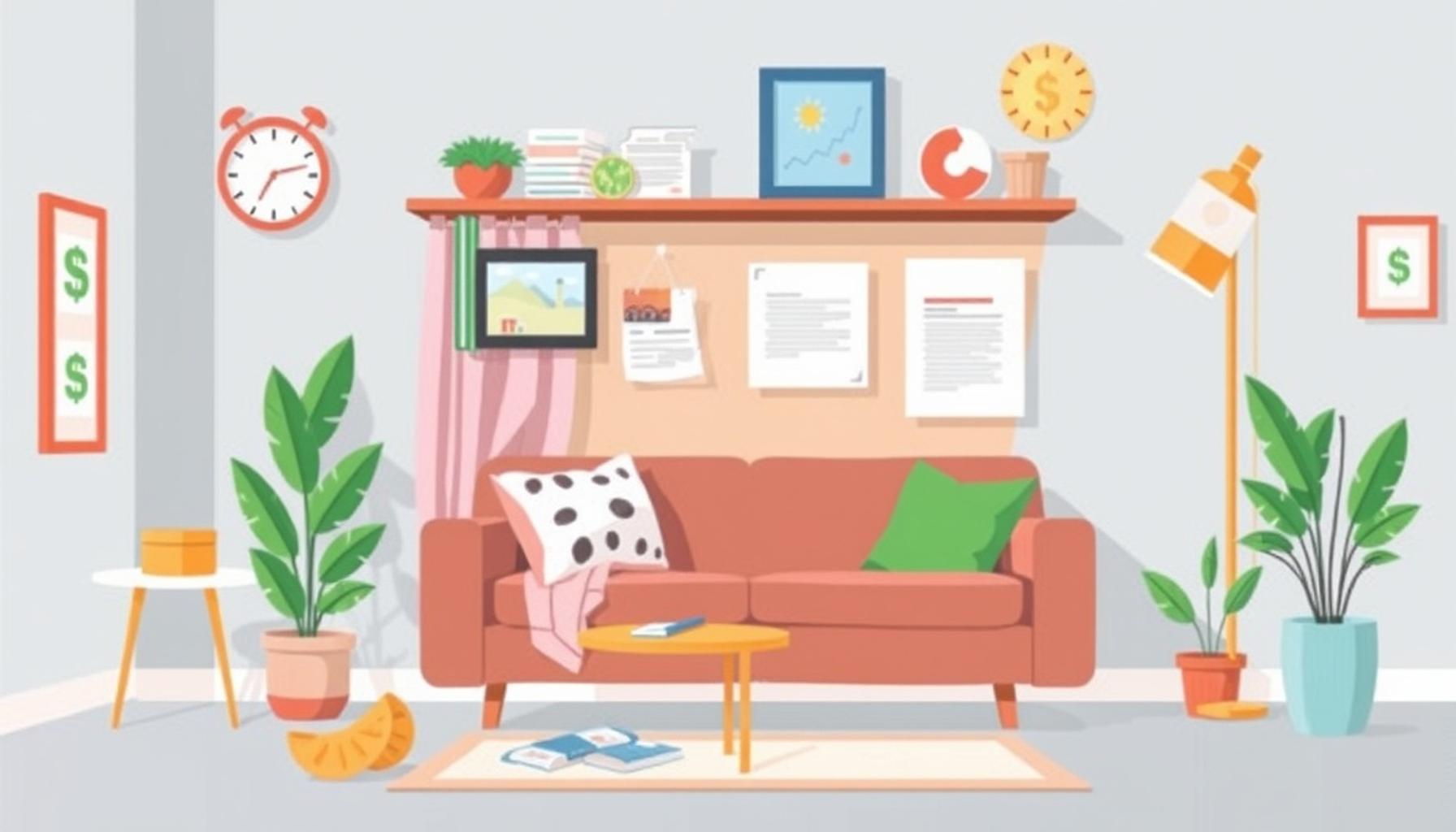
Discover the Art of Minimalism
Embracing a simple decor style transcends mere aesthetics; it reshapes our living spaces into cozy and functional environments. In today’s fast-paced era, many individuals gravitate toward clutter-free areas that foster relaxation and mindfulness. The concept of minimalism encourages us to prioritize quality over quantity, resulting in a sanctuary that caters to our needs while remaining visually appealing. By honing in on select pieces that resonate with us, we can create spaces infused with character and purpose.
Key Benefits of Simplicity in Decoration
- Enhanced Focus: A minimalistic approach reduces distractions, enabling better concentration on daily tasks. For instance, a serene workspace devoid of excess decorations can lead to increased productivity, allowing the mind to engage fully in work or creative pursuits.
- Increased Space: Removing excess items creates an illusion of larger, more open rooms, making them more inviting. This is particularly significant in urban environments like New York City or San Francisco, where living spaces tend to be more compact. A decluttered area not only feels larger but also encourages a more airy atmosphere conducive to peace and inspiration.
- Easy Maintenance: With fewer possessions, the time spent on cleaning and organizing diminishes significantly. This simplicity enables individuals to redirect their energy towards activities that bring joy, whether it’s reading, entertaining friends, or engaging in outdoor pursuits.
When considering what elements to incorporate into your home, focus on pieces that enhance both comfort and functionality. For example, a carefully placed armchair can serve as a cozy reading nook, while a multi-purpose coffee table can offer storage and surface area without adding visual clutter. The challenge lies in curating a collection of items that reflect personal style without overwhelming the senses.
The Journey to Cozy
By concentrating on fewer items, we nurture a deeper connection with each piece we select. This intentionality grants us a chance to appreciate the stories or emotions behind them, leading to more meaningful interactions with our surroundings. For instance, a family heirloom or a travel souvenir doesn’t just adorn the space; it becomes a focal point filled with personal history.
Exploring the principles of simplicity is not just about minimalism for its own sake; it’s about cultivating an environment that promotes mental clarity and emotional well-being. Start your journey towards a more tranquil living space and discover how less truly can be more. By focusing on simple decor principles, you invite peace into your life, enhancing your overall experience in your home. Embrace minimalism, and you may begin to realize that an orderly space leads to a more ordered mind.
DISCOVER MORE: Click here for creative ideas
The Essentials of Minimalist Decor
Understanding simplicity in decoration involves more than just reducing clutter; it’s about selecting foundational elements that elevate comfort and functionality in your space. The essence of minimalist decor is rooted in the idea that every item should serve a purpose or bring joy to your life. Here, we explore key strategies to help you cultivate a home that reflects these principles.
Identifying Key Pieces
To start your journey towards a minimalist home, begin by evaluating your existing possessions. Ask yourself: Does this item enhance my space? Does it fulfill a practical need or evoke positive emotions? Consider focusing on the following essential categories of items:
- Furniture: Invest in quality furniture that serves multiple functions. For example, a sofa bed allows you to entertain guests without needing an extra room, while a nesting table offers flexibility for gatherings and saves space.
- Textiles: Opt for neutral textiles that add warmth without overwhelming the eye. Incorporating a few textured throws or natural fiber rugs can enhance comfort while keeping the atmosphere airy.
- Art and Decor: Choose art pieces that resonate personally. A single large painting or a carefully curated gallery wall can act as a striking focal point, replacing the need for multiple smaller, less meaningful items.
By curating these key pieces, you create a balance between style and utility. Remember, it’s not about how many items fill your space but how those items create a sense of harmony and comfort.
Color Palette and Lighting
Another vital aspect of achieving simplicity and a cozy environment is your color palette and lighting. Opt for a cohesive color scheme that invites tranquility. Soft, muted tones combined with contrasting accents can define areas in your home while promoting a serene atmosphere.
Lighting also plays a crucial role in minimalistic design. Natural light should be maximized to create an open and airy feel. Use sheer curtains to allow sunlight to filter through while providing a sense of privacy. Additionally, incorporate layered lighting options like floor lamps and sconces that lend warmth during the evening without feeling overwhelming.
The goal of simplicity in decoration isn’t to strip your space of all personality but rather to thoughtfully curate an environment that feels cohesive and tranquil. By focusing on essential items and creating a harmonious color scheme, you build a home that nurtures both the soul and the senses. Each choice you make should reflect your personal taste, contributing to a more intentional and peaceful living experience. This journey toward minimalism encourages you to embrace the concept that, indeed, less can be more.
In an era where our lives are filled with excessive clutter and distractions, simplicity in decoration offers a refreshing approach to interior design. Focusing on fewer items not only enhances the aesthetic appeal of a space but also promotes a sense of tranquility and comfort. Central to this philosophy is the idea that cozy and functional environments can be achieved through strategic choices in decor and furniture.
By selecting multi-functional furniture, homeowners can maximize space while minimizing the number of items needed. For instance, a sofa bed provides seating during the day and transforms into a sleeping area at night, merging utility with comfort. This versatility is essential for smaller living areas, allowing for efficient use of space without compromising on style.
Moreover, the use of a neutral color palette enhances the feeling of openness and calmness in a room. Soft tones such as whites, beiges, and pastels not only create a cohesive look but also make spaces feel larger and more inviting. When paired with thoughtfully chosen accents—like a singular statement piece of art or a carefully selected decorative item—the room maintains character without feeling overwhelmed.
Lighting also plays a critical role in achieving a cozy atmosphere. Natural light, alongside strategically placed lamps and candles, can transform a minimalistic space into a warm haven. Emphasis on layers of light helps to highlight specific areas, creating depth and interest while still adhering to the principle of simplicity.
This design philosophy attracts those seeking relief from busy lifestyles, encouraging mindfulness and intention in their home environments. As the trend of minimalism continues to grow, it becomes essential to explore how these choices not only improve aesthetics but also enhance overall well-being. A house designed with simplicity at its core fosters a harmonious balance, making it an ideal backdrop for cherished moments and experiences.
| Category 1 | Category 2 |
|---|---|
| Multi-Functional Furniture | Maximizes space and utility with fewer items |
| Neutral Color Palette | Enhances openness and tranquility in design |
| Layered Lighting | Creates warmth and highlights space without clutter |
Discovering the essence of simplicity in decoration leads not just to aesthetically pleasing environments but also to peace and functionality in daily living. Removing excess allows individuals to focus on what truly matters, embracing a lifestyle that champions mindfulness and intention in every space.
DISCOVER MORE: Click here to find creative uses for every corner
Enhancing Space with Strategic Organization
One of the most effective ways to achieve a cozy and functional environment is through strategic organization. By thoughtfully arranging your space, you can enhance both aesthetics and functionality, proving that simplicity does not equate to emptiness but rather a well-curated living experience. Here are several methods that emphasize organization without sacrificing style.
Smart Storage Solutions
The right storage solutions can transform cluttered areas into serene spaces. Consider multifunctional pieces like ottomans with hidden compartments or coffee tables with shelving underneath. These allow you to keep necessary items close at hand while maintaining visual appeal. Additionally, utilize vertical space by installing shelves that not only display decorative items but also keep frequently used articles within easy reach.
- Baskets and Bins: Use attractive baskets or decorative bins to store items such as blankets, magazines, or toys. These serve a dual purpose, providing both functionality and contributing to your decor while maintaining a clean look.
- Clear Storage Containers: Invisible organization can be achieved with clear containers, which help you to maximize a minimalist approach while letting you quickly identify contents. They are particularly effective in kitchens and offices where items tend to accumulate.
- Creative Use of Hooks: Incorporate hooks in unexpected places to store items like bags or scarves. Decorative wall hooks not only keep your space tidy but also serve as an artistic element, showcasing your style.
Employing smart storage solutions allows for easier access to your possessions, ensures your living spaces remain uncluttered, and complements a minimalist aesthetic seamlessly.
Creating Zones through Layout
Incorporating designated zones in your home is essential for cultivating a functional living environment. This can be accomplished by evaluating how each area of your home serves its purpose and optimizing its layout accordingly. For example, if you have an open-concept living space, consider defining areas for relaxation, work, and dining through furniture arrangement and area rugs.
Defining zones encourages a more organized and purposeful use of space. In a living room, you can use a sectional sofa to create a conversation area, while a small desk tucked in the corner can transform an underutilized space into a productive workspace. This thoughtful design approach allows inhabitants to enjoy a sense of clarity and function amid simplicity.
Emphasizing Personal Touches
While minimalism advocates for fewer items, it doesn’t negate the importance of personalization. In fact, incorporating elements that tell your story can make a space feel warm and inviting. Opt for a few carefully selected decorative pieces that evoke cherished memories, such as a family heirloom or a travel souvenir. This helps maintain a connection to your past, providing a comforting atmosphere without overwhelming the senses.
To further personalize your home, consider using plants as decor. They add a refreshing touch of nature, purify the air, and naturally complement the simplicity of a minimalist design. Choose low-maintenance plants, such as succulents or snake plants, which provide greenery without excessive upkeep.
By focusing on organization, layout, and personal touches, you can create a home that reflects simplicity while remaining inviting and highly functional. The attention to detail and the integration of thoughtful solutions ensure that every corner aligns with the principles of simplicity in decoration, generating a harmonious living environment that resonates with both comfort and efficiency.
DIVE DEEPER: Click here to uncover innovative ways to utilize every inch of your home
Conclusion: The Art of Simplicity in Decoration
In a world that often equates abundance with beauty, embracing simplicity in decoration can be a transformative journey towards creating a cozy and functional home. By curating your environment with fewer items, yet more intention, you open the door to a space that is not only aesthetically pleasing but also genuinely reflective of your lifestyle. The practices discussed—smart storage solutions, intentional layout design, and the infusion of personal touches—show that it is possible to achieve a harmonious atmosphere where every item has its place and purpose.
The essence of minimalism is rooted in clarity and calm, a stark contrast to the chaos of clutter. As you redefine spaces with carefully chosen elements, remember that every corner tells a story, harmonizing comfort with functionality. Consider the soft glow of a well-placed lamp or the vibrant life brought in by a few carefully-selected plants; these not only enhance your space but also nourish your soul.
Moreover, adopting simplicity doesn’t mean sacrificing style. Instead, it encourages creativity—creating a haven that resonates with your unique personality while promoting well-being and ease in daily life. As you reflect on your own spaces, ask yourself: Which items truly bring joy? Which areas can become more functional with less? By answering these questions, you pave the way for a home that is a true sanctuary, reflecting the art of living well with less. Dive deeper into the realm of simplicity in decoration, and watch as your surroundings evolve into a canvas of peace and functionality.
Related posts:
Financial Simplicity: How to Organize Your Finances to Reduce Stress and Increase Freedom
The Art of Making Things Simple: How a Focus on Simplicity Transforms Spaces and Minds
Deconstructing Excess: The Role of Focus in Simplicity to Create Effective Work Environments
Digital Simplicity: Organizing Your Virtual Space for a More Minimalist Life
Financial Minimalism: Strategies to Simplify Your Personal Finances and Increase Your Well-Being
The Power of No: Learning to Say No to Prioritize What Really Matters in Life

Beatriz Johnson is a seasoned productivity strategist and writer with a passion for simplifying the complexities of time management and personal organization. With over a decade of experience in efficiency optimization, she specializes in topics like workflow design, habit formation, and productivity systems for modern professionals. Through her work, Beatriz empowers readers to take control of their schedules, eliminate overwhelm, and stay ahead in today’s fast-paced world.