
How Logical Games Can Improve Cognitive Performance in Children and Adults

Unleashing Cognitive Skills Through Engaging Activities
Games have long been associated with leisure, but their influence extends far beyond simple enjoyment. Logical games, in particular, serve as powerful tools for mental stimulation, enhancing cognitive capabilities at any age. From childhood through adulthood, these games have proven effective in training the brain, making them an invaluable resource for personal development.
Numerous studies back the assertion that logical games can lead to substantial improvements in a variety of cognitive skills, including:
- Problem-Solving: Engaging with logical games enhances one’s ability to approach challenges methodically. For example, games like chess require players to think several moves ahead, fostering strategic thinking that can be applied in real-life decision-making scenarios.
- Memory: Memory enhancement is another key benefit, as these games typically require players to recall rules, patterns, or previous moves effectively. Classic puzzles such as Sudoku challenge individuals to remember numbers and their positions, improving overall memory performance.
- Critical Thinking: Logical games nurture a deeper understanding of reasoning and logic. Participating in strategy-based games such as Settlers of Catan encourages players to analyze opponents’ moves and predict future strategies, honing critical thinking skills.
Beyond their cognitive advantages, logical games offer a unique platform for promoting mental resilience. In today’s fast-paced world, the ability to remain calm and think clearly under pressure is invaluable. When individuals engage in games that involve competition or timed challenges, they learn to navigate stress and unpredictability effectively, attributes vital in both personal and professional environments.
The accessibility of logical games today is another factor in their appeal. Options abound, from traditional board games and intriguing puzzles to innovative mobile applications that deliver engaging challenges on-the-go. Each type offers distinct benefits; for instance, board games often facilitate social interaction, providing an opportunity for players to collaborate or compete, while puzzles can be tackled alone, making them ideal for quiet reflection and concentration.
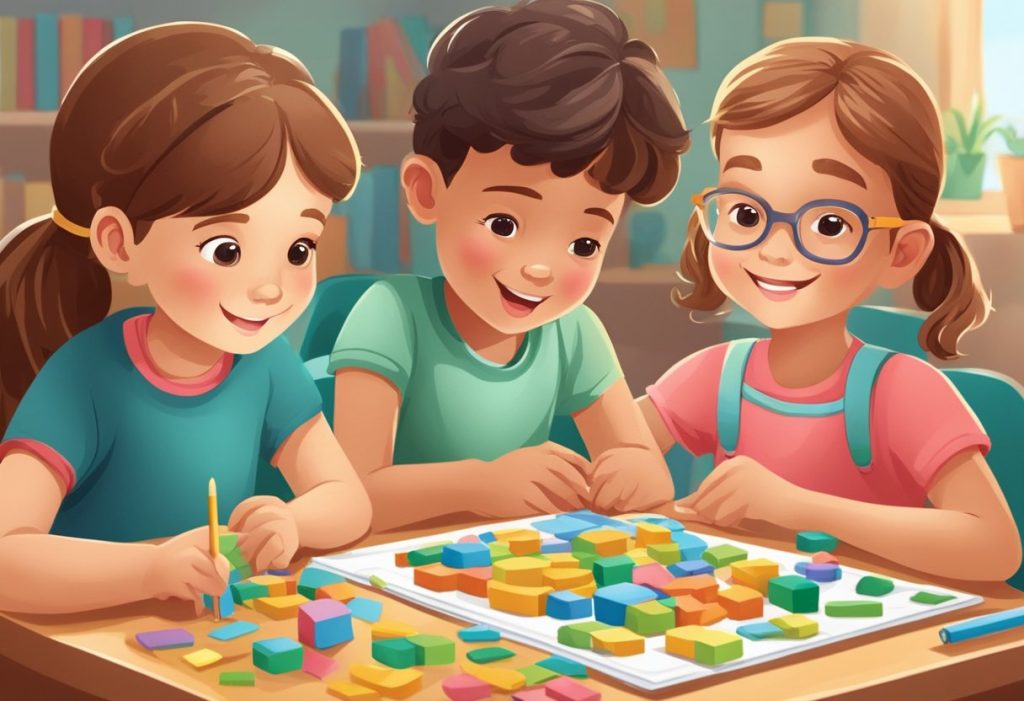
Exploring the world of logical games opens doors to improved mental acuity and cognitive flexibility. As individuals seek to enhance their mental skills and engage their minds, these games provide a beacon of opportunity. So, whether you rediscover an old favorite like Monopoly or embark on the exciting world of digital strategy games, remember that each play is a step towards unlocking your full cognitive potential. Are you ready to challenge your mind and embrace the excitement of logical gameplay?
DIVE DEEPER: Click here to discover top puzzles for memory enhancement
The Cognitive Benefits of Logical Games
Logical games, whether enjoyed at a kitchen table or on a digital platform, have a fascinating ability to refine cognitive skills and challenge the brain’s capacity. Understanding how these games bolster cognitive performance in both children and adults requires a closer examination of the specific skills improved through gameplay.
Enhancing Problem-Solving Abilities
One of the most significant advantages of engaging in logical games is their potential to enhance problem-solving abilities. Logical games like Rubik’s Cube or strategy board games compel players to devise solutions under constraints. Consider how chess players meticulously calculate their moves: the game’s complexity fosters advanced problem-solving skills that extend beyond the board and into real-world scenarios. By critically analyzing situations, evaluating options, and anticipating outcomes, players learn to tackle everyday challenges with greater efficiency.
Boosting Memory Skills
Memory is a cornerstone of cognitive function, and logical games excel in enhancing this vital skill. Games such as concentration or memory card matches require players to remember the location of cards while making strategic decisions. Additionally, games like Mahjong challenge players to unite matching tiles while recalling previous movements and patterns. Evidence suggests that regular participation in these games can improve different types of memory, including short-term and working memory, essential for daily tasks such as learning and information retention.
Sharpening Critical Thinking
Logical games also play an integral role in developing critical thinking skills. Engaging in activities that demand strategic planning, like Settlers of Catan or logic puzzles, allows players to analyze causes and outcomes. These games often require individuals to make decisions based on limited information, bolstering their ability to think critically and reflectively. Much like academic assessments, high-level strategic gameplay encourages players to weigh alternatives and develop effective strategies based on systematic reasoning.
Fostering Mental Resilience
The competitive edge fostered by logical games also nurtures mental resilience. Games that require quick thinking and adaptability can help participants learn how to cope with stress. For example, timed puzzle challenges push players to act promptly while making calculated decisions, ultimately instilling the ability to stay composed and functioning under pressure. This resilience translates not just to leisure activities, but also benefits professional and academic environments where stress and decision-making are common.
As adults and children alike engage in logical gaming, they pave the way for a host of cognitive improvements. From enhanced problem-solving abilities and sharper memory skills to fortified critical thinking and increased mental resilience, the potential benefits are extensive. Incorporating these games into one’s routine can make a significant difference in cognitive performance and overall mental health.
In conclusion, the world of logical games offers more than entertainment; it serves as a foundation for cognitive development that individuals of all ages can benefit from. By embracing these engaging challenges, players take proactive steps toward strengthening their minds and expanding their mental horizons.
How Logical Games Enhance Cognitive Abilities
Logical games are not simply a pastime; they serve as powerful tools for cognitive enhancement across different age groups. Engaging with these games effectively challenges the brain, leading to improved memory, problem-solving skills, and overall mental agility.One of the key advantages of logical games is their ability to develop critical thinking. Many of these games require players to analyze situations, make decisions based on limited information, and think several steps ahead. For instance, games like chess or Sudoku encourage strategic planning, which enhances one’s ability to foresee potential outcomes and make informed decisions. Moreover, logical games foster concentration and focus. In a world full of distractions, maintaining attention has become essential, especially for children and adolescents. Engaging in activities such as puzzles or logic-based video games can refine one’s ability to concentrate for extended periods, which is beneficial not only in academic settings but also in everyday life.Additionally, these games can positively affect mental well-being. Participating in logical games can serve as a stress reliever. The immersive nature of these activities allows players to shift their minds away from stressors and gradually improve mood, leading to better cognitive performance. This has been observed in various studies where individuals who regularly engage in such games report lower levels of anxiety and a more positive outlook.Furthermore, logical games teach valuable lessons in persistence and resilience. The process of overcoming challenges in these games builds a growth mindset, encouraging individuals to embrace difficulties rather than shy away from them. This attitude is vital in both personal and professional environments, leading to greater success and fulfillment.In summary, logical games are an effective means to boost cognitive performance in children and adults alike. By fostering critical thinking, improving concentration, aiding mental health, and teaching resilience, these games contribute not only to enhanced intellectual capabilities but also to overall life skills.
| Advantage | Description |
|---|---|
| Enhanced Critical Thinking | Games like chess foster strategic planning and decision-making skills. |
| Improved Focus | Puzzle-solving enhances concentration abilities crucial for academic success. |
| Stress Relief | Engaging in logical games can elevate mood and reduce anxiety levels. |
| Resilience Building | Overcoming challenges in games fosters a growth mindset and determination. |
DISCOVER MORE: Click here to dive deeper
Social and Emotional Advantages of Logical Games
While the cognitive benefits of logical games are profound, they also promote important social and emotional advantages that enhance overall mental performance in both children and adults. The interaction with other players during gameplay helps develop vital interpersonal skills such as communication, cooperation, and emotional intelligence.
Encouraging Teamwork and Collaboration
Many logical games are designed for multiple players, encouraging teamwork and collaboration. Games such as cooperative board games require players to work closely together, strategizing and sharing responsibilities. This interaction fosters a sense of community and belonging while teaching participants how to negotiate and compromise. For children, this experience can be especially formative, laying the groundwork for future collaborative skills essential in both academic and professional settings. Adults too can benefit from this development, as effective teamwork is increasingly recognized as a key competency in today’s workplace.
Improving Emotional Regulation
Participating in logical games can also help players better manage their emotions. Games often involve a competitive edge, where emotions can run high, and learning to navigate these feelings is a crucial life lesson. Controlled environments offer a safe space for individuals to experience wins and losses, helping them develop coping strategies to deal with disappointment and frustration. Research shows that individuals who frequently engage in value-rich games tend to have better emotional regulation, leading to enhanced relationships and greater self-awareness.
Building Confidence and Self-Esteem
Another remarkable aspect of logical games is their ability to build confidence and self-esteem. Winning a challenging game or mastering a complex puzzle can provide an immediate boost to an individual’s self-perception. Children, in particular, benefit from this reinforcement; successfully completing tasks gives them a sense of pride and accomplishment. For adults, logical games of strategy and skill showcase their mental agility and ability to think on their feet, further enhancing their self-confidence in other areas of life, including professional challenges.
Cultivating Patience and Focus
Logical games teach players the value of patience and focus—skills that are increasingly vital in a fast-paced digital age. Many games require sustained attention and prolonged mental effort, core aspects of cognitive performance that are essential for both academic achievement and work-related tasks. In a world filled with distractions, dedicating time to solve a complex puzzle or strategize for a board game allows individuals to practice deep concentration. This focus can then transfer to schoolwork and other responsibilities, leading to improved productivity and results.
Strengthening Community Bonds
Logical games often create community bonds as families and friends gather to engage in thoughtful competition. These social interactions not only provide enjoyment but also help develop a sense of belonging and shared purpose. Serious and entertaining gaming clubs have sprung up across the United States, where individuals of all ages can connect. Studies indicate that such social involvement can significantly reduce feelings of isolation and loneliness, which are increasingly common issues, particularly among seniors and adolescents.
By incorporating both the cognitive and the social-emotional aspects, logical games transcend mere entertainment. They act as tools for personal development, fostering skills that can lead to a healthier, more engaged lifestyle. As families and communities continue to explore the world of logical gaming, the potential for enhanced cognitive performance and meaningful connections grows exponentially.
DIVE DEEPER: Click here to discover more about mnemonics
Conclusion: Unlocking Potential Through Logical Games
In conclusion, the exploration of logical games reveals their multifaceted benefits for cognitive performance in both children and adults. As illustrated throughout this article, these games not only enhance critical thinking and problem-solving skills but also foster vital social and emotional development. Engaging in logical games sharpens cognitive functions such as memory, attention, and reasoning, creating a robust cognitive foundation that can translate into academic success and workplace efficiency.
Moreover, the social interaction facilitated by these games cultivates interpersonal skills and emotional intelligence while promoting teamwork and collaboration. As individuals navigate the competitive nature of gameplay, they learn to regulate their emotions effectively, which can be particularly beneficial in high-pressure scenarios. The boost in self-confidence achieved through mastering challenges further empowers individuals to tackle obstacles beyond the gaming environment.
As we embrace the fast-paced demands of modern life, the focus required in logical games serves to counteract distractions, nurturing patience and sustained attention. Additionally, the sense of community formed through engaging in logical games can combat feelings of isolation, reinforcing social bonds that are so crucial in today’s society.
Ultimately, integrating logical games into daily routines presents a fun and enriching opportunity for individuals of all ages. By unlocking the cognitive and emotional potentials, these engaging activities pave the way for lifelong learning, personal growth, and meaningful connections. As awareness of these benefits continues to grow, the future of logical gaming holds the promise of not just improved cognitive performance but also a more connected and empathetic society.
Related posts:
Unveiling Mysteries: The Application of Logical Puzzles in Corporate Training
Logical Puzzles and Mental Health: How They Can Reduce Stress and Enhance Well-Being
Logical Puzzles as Educational Tools in School Environments
The Intersection of Logical Games and Artificial Intelligence: Algorithms that Solve Puzzles
The Impact of Logical Games on Socialization and Collaboration among Groups
The Influence of Logic Puzzles on Everyday Problem Solving

Linda Carter is a writer and puzzle expert specializing in mind games, brain teasers, and cognitive challenges. With extensive experience helping individuals enhance their problem-solving skills and think critically, Linda shares her knowledge on our platform. Her goal is to empower readers with practical advice, engaging puzzles, and strategies to sharpen their minds and achieve success in the captivating world of mind games and puzzles.