How Collaborative Mind Games Can Improve Communication Skills Among Seniors
The Importance of Communication for Seniors
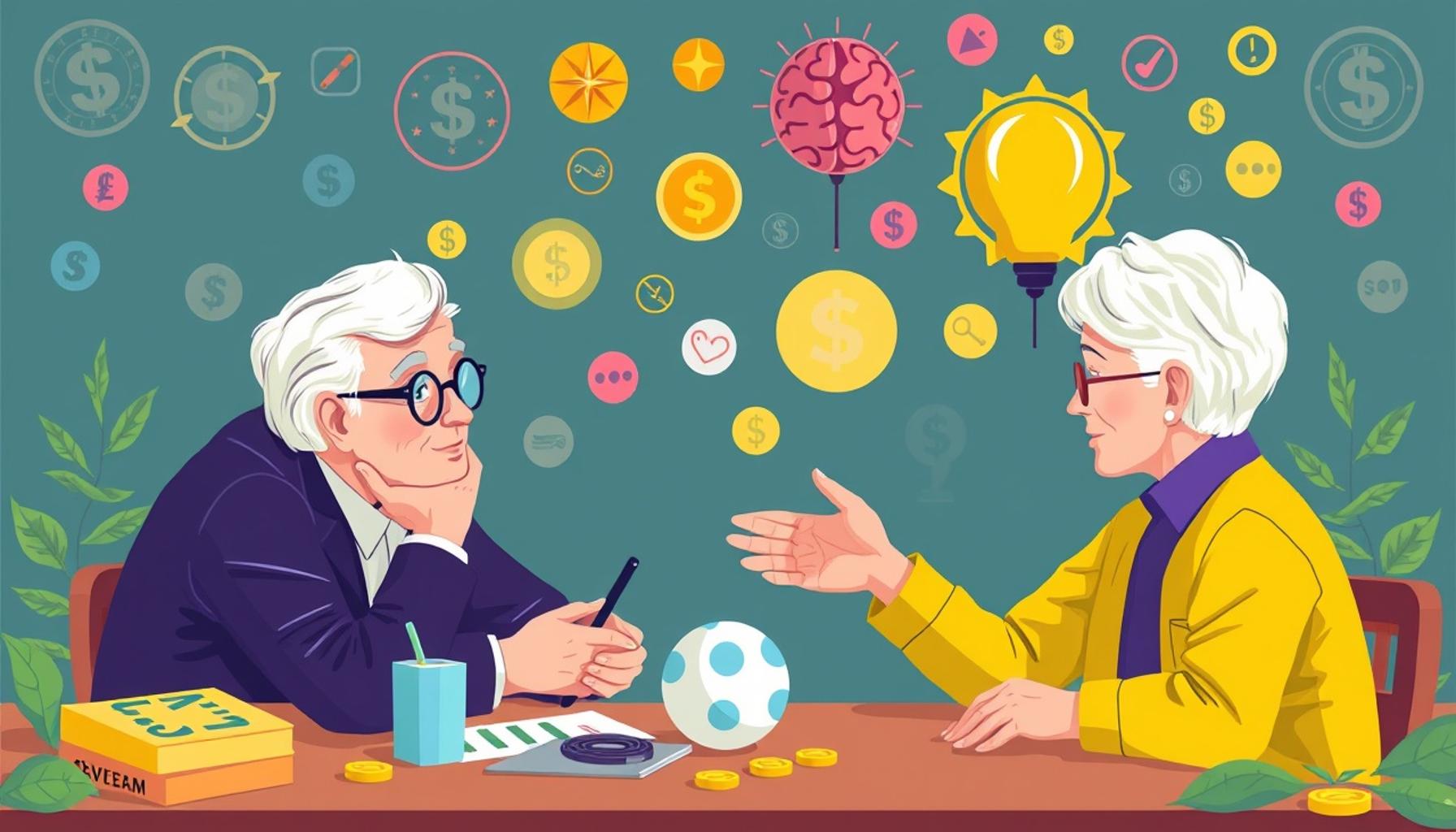
Maintaining effective communication is crucial for seniors, as it significantly impacts their emotional and mental well-being. With increasing social isolation becoming a pressing issue among older adults, integrating enjoyable activities that promote interaction is essential. Collaborative mind games serve as a unique solution, blending entertainment with a focus on refining communication skills.
Benefits of Collaborative Mind Games
Engaging in collaborative mind games has a variety of advantages that extend beyond mere fun. These games create a stimulating environment where seniors can hone their social skills while enjoying moments of camaraderie and competition.
- Boosting cognitive flexibility – By participating in collaborative games, players learn to adjust their strategies and approaches based on team dynamics. For example, in a game like Pictionary, one player must interpret clues from their partner, fostering adaptability in problem-solving.
- Encouraging active listening – Collaborative play demands that seniors pay close attention to their teammates’ thoughts and ideas. This heightened focus can translate into better communication in everyday conversations, ensuring that they feel heard and understood.
- Building trust and relationships – Unified efforts in games promote teamwork and strengthen relationships. Such interactions can create a foundation of trust, allowing seniors to feel more comfortable sharing personal stories and experiences.
Research Findings
Numerous studies have demonstrated the positive correlation between group activities—especially those that challenge cognitive skills—and improved communication among seniors. Improved communication leads to:
- Enhanced clarity of expression – As seniors gain confidence in engaging in group discussions, they become more adept at articulating their thoughts clearly and concisely, whether it’s in a casual conversation or during family gatherings.
- Increased empathy – By exposing themselves to varying viewpoints through games, seniors learn to appreciate different perspectives, enhancing their ability to relate personally to others’ experiences and feelings.
- Greater participation in discussions – The supportive atmosphere fostered by teamwork encourages seniors to contribute their opinions more freely, thus enriching group dialogues and interactions.
Types of Collaborative Mind Games
The landscape of collaborative mind games is diverse, catering to a wide array of interests and skill levels. Options range from classic board games like Scrabble and Bridge, which promote wordplay and strategic thinking, to innovative online platforms that offer virtual gaming experiences. For instance, apps such as Words With Friends allow players to connect with friends and family, regardless of geographical distance, reinforcing social ties in a digital age. Moreover, trivia-style games that prompt discussion on various topics can spark interest and foster new conversations among participants.
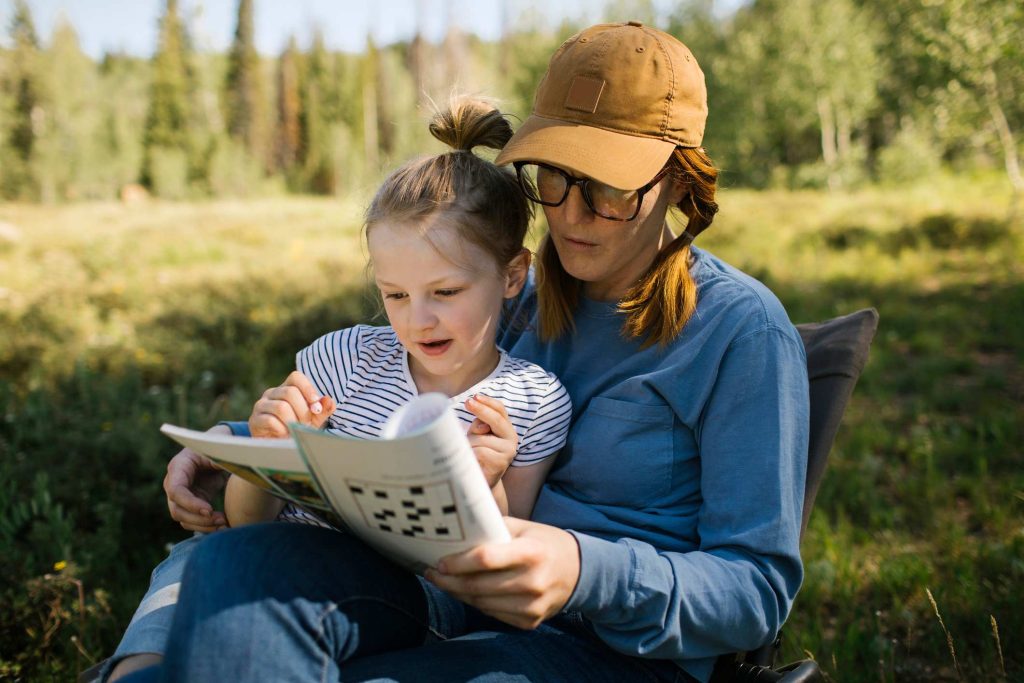
In summary, incorporating collaborative mind games into the daily routine of seniors not only serves as an enjoyable pastime but also plays a vital role in enhancing communication skills. As caregivers and family members, creating opportunities for seniors to engage in such activities can lead to lasting improvements in their social interactions, bolstering their overall well-being.
DISCOVER MORE: Click here for insights on enhancing problem-solving skills
Fostering Communication through Cooperative Play
Collaborative mind games provide a unique opportunity for seniors to improve their communication skills while engaging in entertaining and thought-provoking activities. By participating in these interactive experiences, seniors are not only refining their verbal abilities but also enhancing non-verbal communication skills, such as body language and facial expressions. This synergy of verbal and non-verbal cues plays a crucial role in daily interactions, leading to deeper connections with family and friends.
Enhancing Verbal Skills in Interactive Settings
At the core of most collaborative mind games lies the need for players to articulate their thoughts, share strategies, and often negotiate with teammates. For instance, in games like charades, players must convey concepts without words, relying on gestures and expressions to elicit responses from their team. This form of engagement encourages seniors to find creative ways to communicate, enhancing their ability to express themselves clearly and effectively.
Moreover, games that involve discussion, such as team trivia or partnered word games, require seniors to formulate their responses thoughtfully. The process demands that participants listen actively and respond to teammates’ contributions, promoting a dynamic dialogue that sharpens their verbal acuity. As a result, seniors often find themselves more confident in articulating their thoughts in everyday situations.
Building Confidence through Group Interactions
Confidence is a crucial element when it comes to effective communication. Collaborative mind games foster a supportive environment where seniors can practice speaking up without the fear of judgment. The friendly competition and teamwork inherent in these games create a space for players to express their opinions, enhancing their willingness to participate in conversations outside the gaming context.
- Increased willingness to share ideas – Seniors are likely to share their thoughts more freely when they feel valued and understood among teammates.
- Reduction in social anxiety – The non-pressurized atmosphere of collaborative games helps ease the apprehension often associated with social interactions, making communication feel more natural.
- Encouragement to engage with others – The playful nature of the games prompts seniors to seek out group interactions, leading to a richer social life.
Encouraging Inclusive Communication Styles
Another significant benefit of collaborative mind games is the promotion of inclusive communication styles. These games often require seniors to negotiate and compromise, which cultivates a sense of teamwork. Players learn the value of taking turns, recognizing when to listen, and appreciating differing opinions. As a direct result, seniors become more adaptable communicators, allowing them to navigate a variety of social settings with greater ease.
Ultimately, collaborative mind games act as an effective tool for enhancing communication skills among seniors. By blending fun and social interaction, these games create valuable opportunities for practicing and refining essential communication abilities that can enrich seniors’ relational lives.
Exploring Important Benefits
The impact of collaborative mind games on enhancing communication skills among seniors can be profound. These activities foster not only cognitive engagement but also promote social interaction, which is crucial for maintaining mental health in later years. By integrating fun and teamwork, seniors can significantly improve their ability to express thoughts, listen actively, and interact meaningfully with peers.
Furthermore, the innovative nature of these games encourages seniors to step outside their comfort zones. This exploration cultivates a healthier state of mind and boosts self-confidence. As they play together, they can share experiences and cultures, which enriches the communication process and leads to a better understanding of each other’s perspectives.
| Category 1 | Category 2 |
|---|---|
| Cognitive Engagement | Promotes mental stimulation through challenging puzzles and tasks. |
| Social Interaction | Encourages verbal exchange, enhancing listening skills and empathy. |
These mind games effectively bridge the gap between cognitive functions and enhance meaningful conversations. Research indicates that regular participation in collaborative activities can lead to a noticeable decrease in the feelings of isolation that some seniors may experience.
Incorporating collaborative mind games into the daily routines of seniors not only meets social needs but also provides a fun avenue for skill development. The benefits extend beyond the games themselves, leading to lasting improvements in their overall communication capabilities.
As more seniors engage in these activities, the community can expect a positive shift in social dynamics, allowing for more vibrant and fulfilling interactions among peers.
DISCOVER MORE: Click here to dive deeper
Strengthening Relationships through Shared Experiences
Collaborative mind games not only enhance communication skills among seniors but also serve to strengthen relationships by creating shared experiences. Engaging in these games fosters camaraderie and promotes understanding, while simultaneously offering a platform for participants to explore complex social dynamics. As seniors come together over a common goal, they develop a bond that transcends the game itself, cultivating lasting friendships.
Cultivating Empathy and Emotional Intelligence
Participating in collaborative mind games encourages seniors to tap into their emotional intelligence, which is crucial for effective communication. As players navigate the intricacies of teamwork, they must consider the feelings and perspectives of their fellow teammates. This process cultivates empathy, enabling seniors to respond to others with sensitivity and understanding. For instance, during outlet discussions in games like Pictionary or taboo, players may experience frustration or excitement based on the successes or struggles of their teammates. Recognizing these emotions helps seniors learn to moderate their responses to create a positive environment.
The art of collaboration demands that players express their emotions authentically. These moments in games allow seniors to practice articulating feelings and reactions, fostering a greater comfort level when discussing emotions in real-life situations. As emotional intelligence grows, so too does the ability to communicate needs and desires clearly, strengthening interpersonal connections.
Encouraging Multigenerational Interaction
Collaborative mind games can also bridge the generational gap, inviting younger family members to join in. Many games, such as Scrabble or Codenames, are suitable for varying age groups, prompting seniors to interact with grandchildren or younger friends. This multigenerational play allows seniors to understand different communication styles, preferences, and contemporary slang, which ultimately enriches their conversations and relationships. By engaging in playful exchanges, seniors gain confidence in addressing issues that arise between different generations, thus enhancing overall family communication dynamics.
Creating Tailored Communication Strategies
In collaborative settings, seniors often face diverse approaches to problem-solving and communication. As they explore these varied styles during gameplay, individuals learn to develop tailored communication strategies that accommodate different personalities and preferences. For example, when working with a teammate who prefers detailed explanations while another thrives on concise instructions, seniors can practice adapting their own communication to meet the needs of their companions. This fluidity not only boosts flexibility in discussions but also instills the appreciation for diverse perspectives.
Moreover, as seniors learn to navigate these different communication styles, they become more adept at conflict resolution and negotiation. The challenges presented during collaborative mind games often require consensus-building, which promotes patience, active listening, and compromise—skills that can be directly transferred to everyday interactions.
By offering rich opportunities for collective problem-solving and diverse interactions, collaborative mind games empower seniors to develop vital communication skills that have a profound impact on their personal and social relationships. As they embrace the art of dialogue and teamwork, seniors not only refine their speaking abilities but also foster connections that stand the test of time.
DISCOVER MORE: Click here for insights on mind games and problem-solving
Conclusion
In conclusion, collaborative mind games present a unique and engaging opportunity for seniors to enhance their communication skills while fostering personal connections. Through shared experiences that encourage teamwork and emotional resonance, these games allow seniors to practice essential skills such as empathy and active listening, which are critical for effective communication. The ability to articulate feelings and perspectives not only promotes a deeper understanding among peers but also facilitates smoother interactions across generations, bridging gaps in communication styles and enriching family dynamics.
Moreover, the variety of gameplay encourages seniors to develop tailored communication strategies, equipping them with the tools to adapt to diverse personalities and preferences. This adaptability is invaluable in navigating both social and familial contexts. As they work towards common goals, seniors cultivate patience and understanding, which undoubtedly enhances their relational skills beyond the game itself.
As more seniors embrace the mental and social benefits of collaboration through gaming, they also pave the way for a richer, more connected life. The power of collaborative mind games goes beyond mere entertainment; it serves as a catalyst for personal growth and meaningful relationships. By investing time in these activities, seniors not only sharpen their communication skills but also create bonds that last a lifetime, ultimately contributing to their overall well-being and happiness. Thus, incorporating collaborative mind games into the lives of seniors can lead to enriching experiences that foster both communication and connection.
Related posts:
The Influence of Cultural Variations on Puzzle Preferences and Cognitive Engagement
The Role of Cognitive Challenges in Developing Resilience in Young Adults
Exploring the Connection Between Cognitive Challenges and Creativity Enhancement
The Influence of Cognitive Games on Memory Retention and Recall
How Different Types of Puzzles Can Foster Critical Thinking Skills
The Role of Cognitive Challenges in Stress Relief and Mental Well-Being

Linda Carter is a writer and puzzle expert specializing in mind games, brain teasers, and cognitive challenges. With extensive experience helping individuals enhance their problem-solving skills and think critically, Linda shares her knowledge on our platform. Her goal is to empower readers with practical advice, engaging puzzles, and strategies to sharpen their minds and achieve success in the captivating world of mind games and puzzles.