

Understanding Effective Personal Organization
In the midst of our hectic lives, mastering the art of effective personal organization is essential. The competence to not only set but also achieve your goals is a major determinant of your overall success and mental well-being. Whether you’re balancing a demanding academic load, handling a complex professional environment, or managing personal commitments, implementing a structured approach to organization can significantly enhance productivity and reduce stress.
Let’s delve deeper into the vital components of your goals checklist:
- Clarity: Start by articulating what you genuinely desire to accomplish. For instance, instead of vaguely stating, “I want to become fit,” specify a measurable goal like “I want to lose 10 pounds in three months” or “I want to run a 5K.” Clear goals lay the groundwork for precise planning and motivation.
- Prioritization: With a plethora of tasks vying for your attention, it’s crucial to highlight those that have the most significant impact on your long-term aspirations. For instance, if your ultimate aim is to advance in your career, prioritize projects that demonstrate your skills and align with your boss’s objectives.
- Accountability: Sharing your goals can significantly enhance your commitment. Consider partnering with a friend or colleague who can provide constructive feedback and encouragement. Alternatively, joining support groups, either online or in person, can foster a shared sense of purpose and accountability.
- Flexibility: Life is inherently unpredictable, necessitating an adaptable mindset. If you encounter unforeseen challenges or opportunities, be prepared to amend your objectives. For instance, you might need to adjust your study plan if a significant personal obligation arises during your exam preparation period.
Establishing a robust framework with structured goal-setting paves the way for developing sustainable habits that can positively influence every facet of your life. However, the question that often arises is: how can you ensure your methods are truly effective? By exploring various strategies and techniques, you can discover optimal pathways for organization and self-motivation.
The journey of habit building and personal organization is distinct for everyone, shaped by individual experiences and environments. However, through the application of common principles, personalized to fit your unique circumstances, you can cultivate a productive and fulfilling lifestyle. Engaging with the strategies outlined in this article will provide you with the tools necessary to craft your goals checklist, enabling you to tackle personal challenges with renewed clarity and direction.
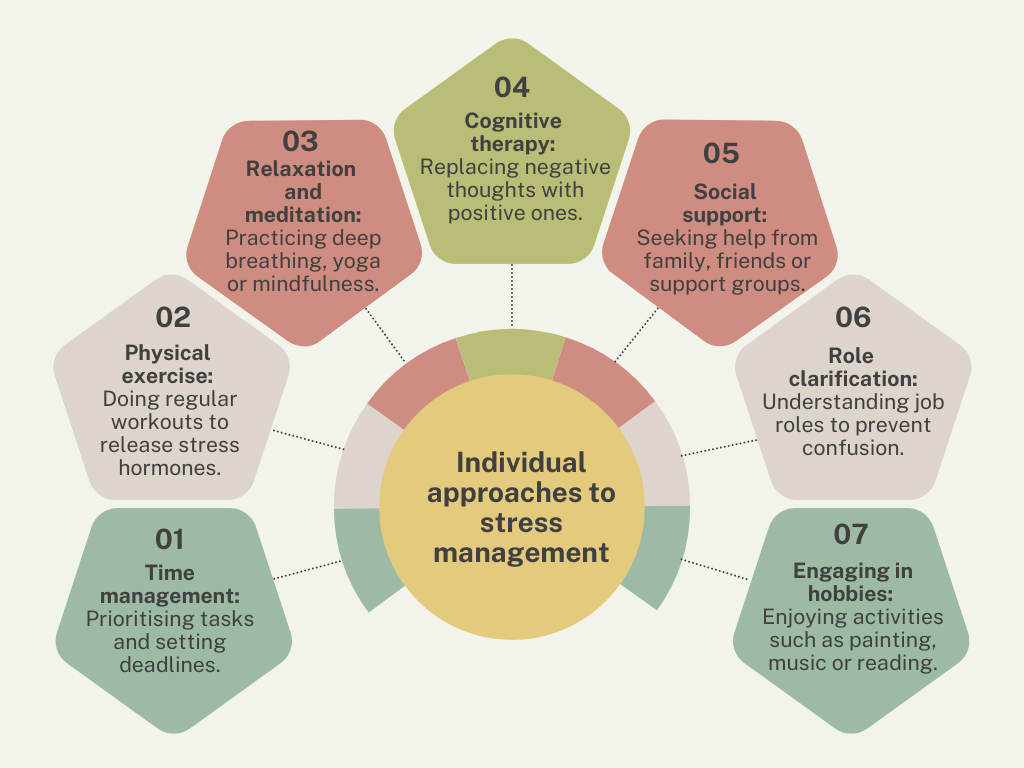
In this increasingly interconnected world, the importance of productivity and self-management cannot be overstated. Embracing these principles can lead to profound improvements in not only how you manage your responsibilities but also in the overall quality of life.
DISCOVER MORE: Click here to dive deeper
Essential Principles of Goal Setting for Habit Building
Building effective habits and maintaining personal organization hinges upon a solid understanding of goal setting. By incorporating certain key principles into your strategy, you can pave the way for more meaningful achievements in both your personal and professional life. Each element contributes towards not just setting goals, but cultivating a mindset geared towards sustained growth.
Let’s explore some fundamental principles that can fortify your goals checklist:
- SMART Goals: Utilize the SMART criteria to frame your objectives: Specific, Measurable, Achievable, Relevant, and Time-bound. For example, instead of stating, “I want to save money,” a SMART goal would read, “I will save $500 by the end of June by setting aside $100 each month.” This approach transforms vague aspirations into actionable tasks.
- Visualization: Envisioning your success can significantly bolster motivation. Create a vision board or maintain a journal where you document your goals alongside positive affirmations. Studies show that visualization can enhance focus and commitment, making your objectives feel more tangible.
- Incremental Progress: Breaking larger goals into manageable chunks can make them feel less daunting. For instance, if your objective is to write a book, aim to write two pages a day. This newfound cadence can turn a seemingly overwhelming goal into a series of manageable tasks, ultimately leading to completion.
- Reflective Practice: Dedicate time to regularly assess your progress. This could involve a weekly or monthly review of what you’ve accomplished and where you may need to pivot. Reflection fosters growth by allowing you to identify strengths and weaknesses in your approach. Understanding what strategies work for you is integral to sustaining momentum.
Incorporating these principles into your goals checklist not only clarifies your intentions but also propels you toward actionable steps. However, it’s essential to realize that setting goals is merely the first phase of the journey. The heart of habit building lies in the careful execution of these objectives.
Moreover, establishing a conducive environment for achieving your goals can significantly speed up the process. This involves creating systems and routines that support your aspirations. For instance, if your goal is to read more books, designate specific times each week dedicated to reading—free from distractions. Environment plays a pivotal role in our ability to stick to our plans, and ensuring that you are surrounded by positive influences can make a world of difference.
As we continue to explore techniques for habit building and personal organization, remember that perseverance and adaptability are key components. Your journey may sometimes take unexpected turns, but with a clearly defined goals checklist, you can steer your way toward success with confidence.
| Advantage | Explanation |
|---|---|
| Enhanced Clarity | A goals checklist provides a clear vision of your objectives, helping to differentiate between necessities and distractions. |
| Accountability & Tracking | By structuring your goals, you enhance personal responsibility, making it easier to track progress and achievements. |
Effective structuring is vital in the realm of personal organization and habit building. A well-defined goals checklist not only helps in prioritizing tasks but also assures that you maintain focus on your long-term objectives. Within this framework, each listed goal can be paired with specific steps and timeframes, creating a roadmap for successful habit integration.For instance, incorporating time management techniques such as the Pomodoro Technique alongside your checklist can further optimize productivity. When goals are segmented into smaller, manageable tasks, tracking progress becomes significantly easier, allowing for quick adjustments in real-time.Moreover, this approach fosters a sense of achievement with each completed task, serving as positive reinforcement that propels you towards larger milestones. Ultimately, the combination of a goals checklist with effective personal organization strategies can transform what may seem like overwhelming aspirations into achievable, structured actions. This synergy not only motivates individuals but also cultivates lasting habits over time.
DISCOVER MORE: Click here to enhance your productivity
Strategies for Effective Habit Formation
Once you have established a robust goals checklist framed around the essential principles of goal setting, the next step is to translate those goals into consistent habits. Developing effective habits is akin to crafting a framework for personal organization; it requires both strategy and intentionality. Here, we delve into actionable strategies that can facilitate successful habit formation and enhance your overall organizational prowess.
One of the most powerful techniques for forming new habits is the concept of habit stacking. This involves attaching a new habit to an existing one. For instance, if you already have a habit of making coffee each morning, you might stack a new habit of journaling immediately after. By anchoring new behaviors to established ones, the transition becomes more seamless and less daunting. This technique not only reinforces daily routines but also fosters a sense of accomplishment as you build upon existing habits.
Another pivotal strategy is the utilization of accountability partners. Engaging someone else in your journey can significantly enhance your commitment to your goals. This could be a friend, family member, or even a group with shared objectives. Regular check-ins or progress updates foster a sense of responsibility and can motivate you to stay the course. Research suggests that people are more likely to achieve their goals when they share them with others, making this a valuable addition to your checklist.
Leveraging technology can also be a game changer in your pursuit of personal organization and habit building. Numerous apps are available that facilitate tracking your goals and habits through reminders, progress charts, and even rewards systems. For example, applications like Habitica and Trello integrate gamification elements, turning the pursuit of your goals into a fun and engaging experience. Utilizing such tools can help you stay focused and organized while managing multiple tasks effortlessly.
Time blocking is another powerful technique to consider in your habit-building strategy. This method involves scheduling specific blocks of time throughout your day dedicated exclusively to working on your goals. For instance, reserving an hour every morning for deep work allows you to immerse yourself in your projects without distractions. Not only does this approach promote better time management, but it also reinforces a structured routine that can drive consistency and productivity.
Moreover, it’s crucial to cultivate a sense of self-discipline to maintain your habits. Practicing mindfulness techniques such as meditation can enhance your emotional resilience and decision-making capabilities. By honing your ability to concentrate and redirect your focus, you can better manage distractions that could derail your progress. The development of self-discipline reinforces the foundation for your habits, allowing you to engage in actions that align with your goals consistently.
Lastly, embrace the idea of celebrating small wins. Acknowledging and rewarding yourself for progress—no matter how minor—is fundamental in maintaining motivation. It reinforces the behavior and creates a positive feedback loop that encourages you to continue striving toward larger goals. Each achievement, whether big or small, becomes a stepping stone toward your ultimate objectives, making the journey both fulfilling and inspiring.
As you continue refining your goals checklist and integrating these strategies into your daily routine, remember that habit building is a marathon, not a sprint. With each deliberate choice, you cultivate a lifestyle conducive to growth and personal organization.
DISCOVER MORE: Click here to enhance your task management skills.
Conclusion
Navigating the path to personal organization and successful habit formation prompts a transformative journey, guiding you toward not just achieving your goals but also enriching your daily life. By crafting a solid goals checklist founded on clarity, ambition, and strategic action, you are laying the groundwork for meaningful changes. Implementing techniques like habit stacking, partnering with accountability buddies, and utilizing technological tools can elevate your commitment and motivation to new heights. As you forge habits, remember that time blocking enables focused effort while cultivating a vital sense of self-discipline keeps distractions at bay.
Moreover, the practice of celebrating small wins adds joy to your journey, reinforcing positive behaviors that drive long-term results. Embrace the cumulative power of these strategies; each small step ultimately contributes to the larger tapestry of your aspirations. Your approach to personal organization acts as a mirror reflecting your values and passions, influencing your effectiveness in both personal and professional arenas.
Ultimately, this journey is not a sprint but a marathon, where persistence and intentionality become your strongest allies. Recognize that each day offers a new opportunity to align your actions with your goals. So, step forward with your checklist in hand—let it guide you, invigorate your purpose, and illuminate the way toward a more organized and fulfilling future.
Related posts:
Harnessing the Pomodoro Technique for Better Task Tracking and Routines
Leveraging the Getting Things Done (GTD) Method for Effective Task Tracking and Goal Achievement
Creating Efficient To-Do Lists and Checklists for Successful Project Planning
Utilizing Time Blocking and Checklists to Streamline Project Planning and Prioritize Goals
The Importance of Task Lists in Habit Building: How to Organize Your Day to Achieve Goals
Using Time Blocking and Deep Work Strategies to Optimize Personal Organization and Productivity

Beatriz Johnson is a seasoned productivity strategist and writer with a passion for simplifying the complexities of time management and personal organization. With over a decade of experience in efficiency optimization, she specializes in topics like workflow design, habit formation, and productivity systems for modern professionals. Through her work, Beatriz empowers readers to take control of their schedules, eliminate overwhelm, and stay ahead in today’s fast-paced world.