
Escape Rooms: How Group Challenges Foster Strategic Thinking and Collaboration
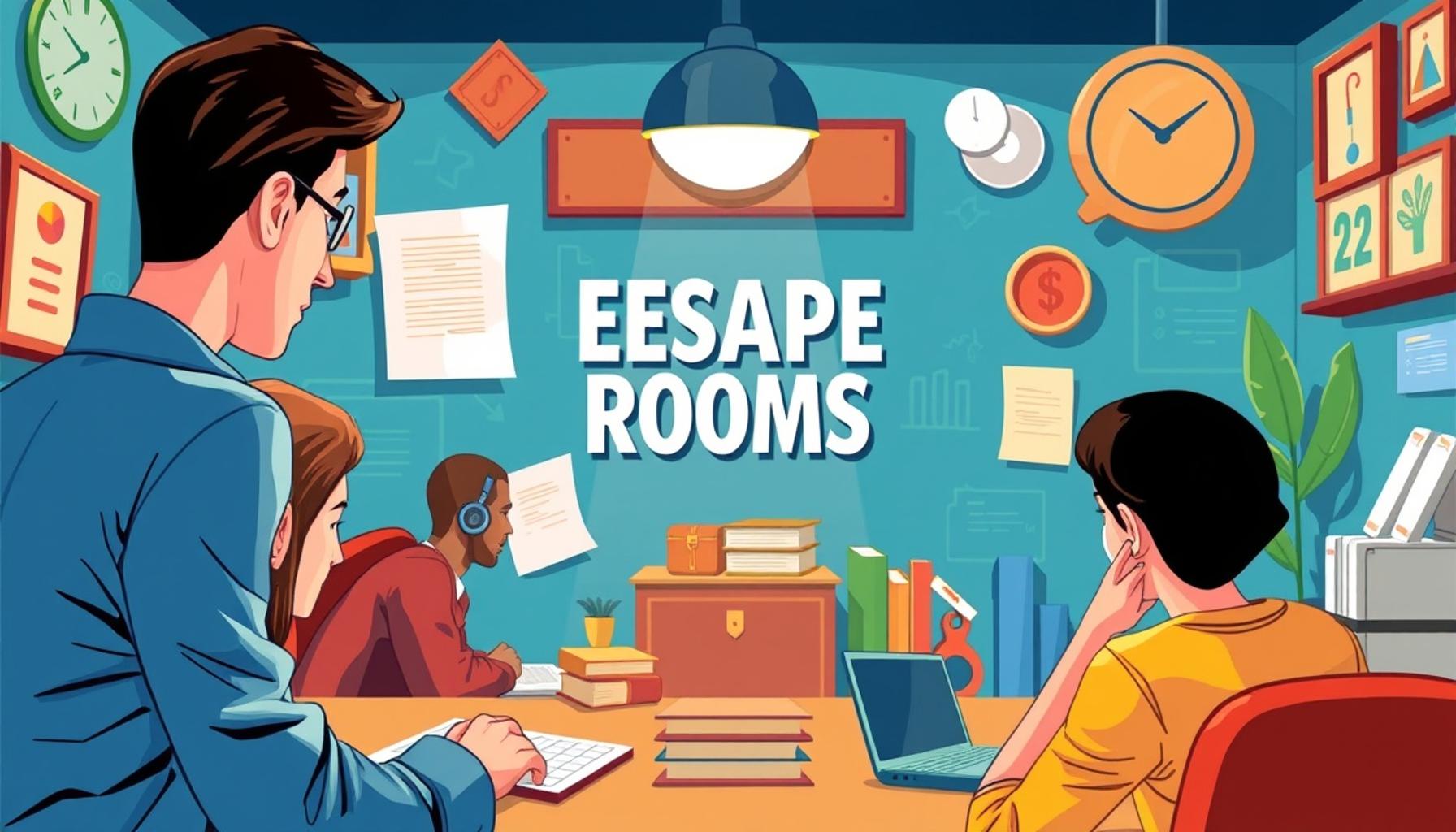
Unveiling the Allure: The Experience of Escape Rooms
The rise of escape rooms in the entertainment landscape reflects a growing demand for interactive and engaging activities that challenge both individual abilities and collective teamwork. These immersive environments combine elements of mystery, critical thinking, and excitement, making them perfect for varied groups—from colleagues in a corporate setting to families and friends looking for a unique outing.
One of the foremost attractions of escape rooms is their emphasis on teamwork. Participants quickly realize that effective communication is essential. In a typical scenario, a group might find themselves locked in a themed room, such as an abandoned pirate ship or a vintage detective’s office. They must work collaboratively to find hidden clues and unlock the secrets necessary to make their escape. This communal effort not only builds camaraderie but also pushes individuals to vocalize their thoughts and ideas, enhancing communication skills in a non-traditional context.
In addition to teamwork, strategic planning plays a crucial role in these adventures. Once participants are familiar with their environment, they must assess information rapidly and devise tactics to navigate challenges. For instance, a team may encounter a combination lock with a series of riddles that must be solved to obtain the code. Here, collaboration and strategic division of tasks can be pivotal. Only by recognizing each member’s strengths—such as logical reasoning or lateral thinking—can the team successfully clutch victory from the jaws of defeat.
Furthermore, time management is intricately woven into the escape room experience. Most challenges have a strict time limit, typically ranging from 60 to 90 minutes. Teams quickly learn to prioritize tasks and allocate roles efficiently. The pressure of ticking clocks teaches participants about urgency, decision-making, and the consequences of inaction, all vital skills that translate into daily life and workplace efficiency.
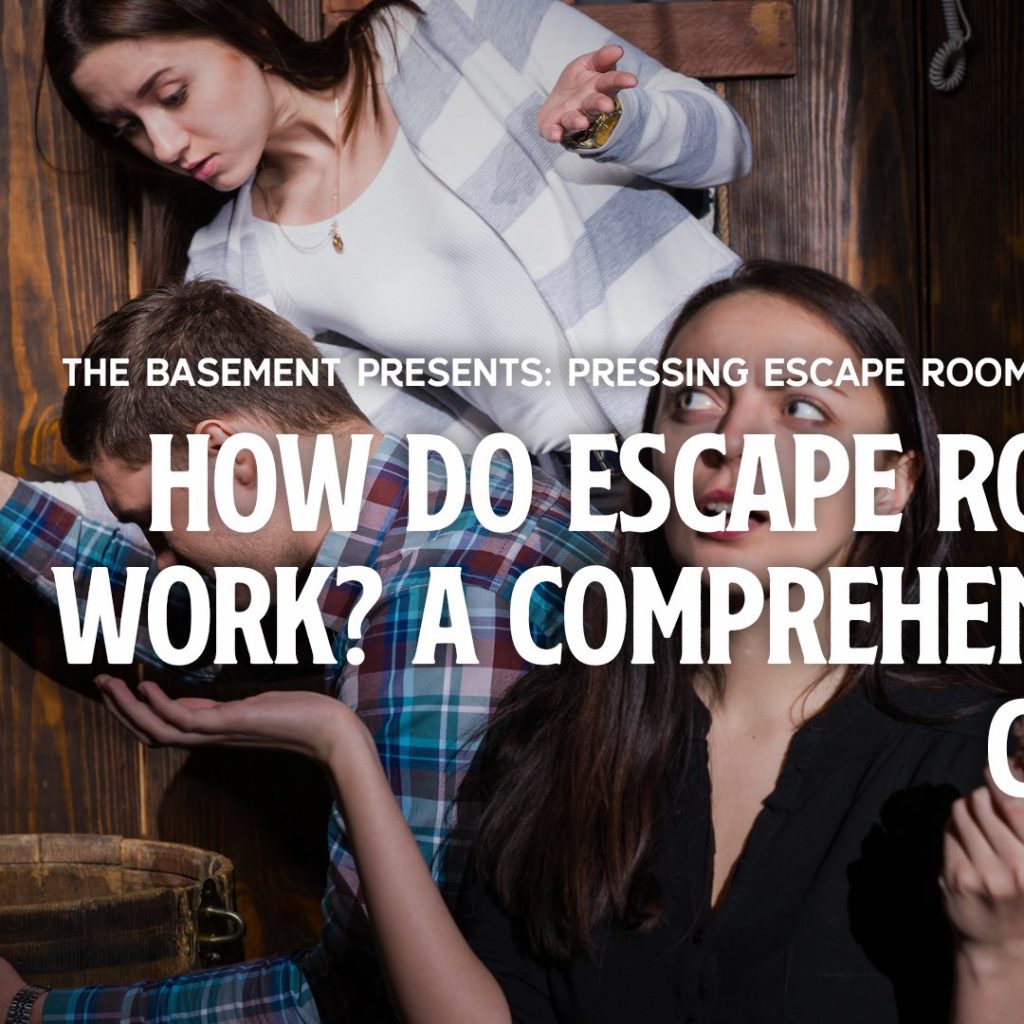
Interestingly, empirical studies support the notion that engagement in escape rooms fosters greater group cohesion. Researchers have observed that shared experiences in these high-stakes scenarios often result in enhanced interpersonal relationships. This camaraderie can carry over into the workplace, where teams work better together after having faced—and conquered—obstacles in the escape room setting.
As such, organizations are beginning to incorporate escape room experiences into their team-building strategies, recognizing the potential benefits for enhancing employee morale and collaboration. Moreover, the budding trend of escape rooms continues to captivate diverse demographics across the United States, demonstrating their universal appeal in fostering social bonds and promoting critical skills.
This thriving phenomenon prompts a more profound inquiry into the dynamics of teamwork and problem-solving. What can we take away from these engaging experiences? Perhaps a newfound appreciation for collaboration and an understanding of how fun can productively meld with the challenges of teamwork—truly a rich ground for both psychological exploration and social interaction.
DISCOVER MORE: Click here to learn how brain teasers can enhance team dynamics
Dive Deeper: The Mechanics of Team Dynamics
Understanding the intricate mechanics of how escape rooms enhance strategic thinking and collaboration begins with recognizing the array of skills employed during these challenges. Teams aren’t merely racing against the clock; they are engaged in a multifaceted training ground that cultivates essential life and professional skills. The nature of these challenges allows participants to not only think critically but also to develop a keen sense of adaptability, as each room presents a unique set of obstacles and mysteries.
To break it down further, here are some key aspects of how escape rooms foster these vital group dynamics:
- Problem-Solving Skills: Participants are often faced with puzzles that require a blend of both analytical and creative reasoning. For example, decoding a cipher or interpreting a series of clues demands quick thinking and the ability to analyze information from multiple angles.
- Role Identification: Each participant typically has a distinct skill set, which naturally leads to specific roles within the group. Whether it’s the organizer, the puzzle solver, or the communicator, recognizing these roles is essential for effective collaboration.
- Conflict Resolution: Due to the high-pressure environment, differing opinions and strategies can lead to disagreements. Navigating these conflicts teaches teams how to compromise and find common ground, a skill that is invaluable in any collaborative setting.
- Trust Building: As team members rely on one another to contribute their unique skills, a foundation of trust is established. This is particularly significant in corporate environments, where trust translates into more effective teamwork in day-to-day operations.
The time constraints inherent in escape rooms also serve as a catalyst for swift decision-making. When faced with imminent deadlines, participants must weigh their options quickly and determine the best course of action. This real-life application of strategic thinking is mirrored in workplace scenarios where quick, informed decisions can make all the difference.
Moreover, taking part in escape rooms often yields surprising insights into personal and team dynamics that may not be visible in a conventional workplace setting. The informal atmosphere allows individuals to express their personality traits and potential leadership abilities in unexpected ways. A quiet analyst may suddenly emerge as a logical thinker who takes charge, while a typically outgoing team member may surprise peers with a knack for detail-oriented tasks.
In effect, escape rooms embody a microcosm of workplace challenges, providing an ideal space for teams to hone their skills while pursuing a fun and engaging activity. By paralleling these group challenges with the skills essential for professional success, escape rooms not only entertain but also inform—teaching participants that collaborative success is rooted in a blend of strategic thinking and cohesive teamwork.
| Advantage | Description |
|---|---|
| Enhanced Problem-Solving Skills | Participants must think critically and strategically to solve challenges, improving their analytical abilities in real-time scenarios. |
| Collaboration and Teamwork | Escape rooms require strong communication and collaboration among team members, fostering a deeper sense of camaraderie and trust. |
Delving into the realm of escape rooms, one quickly unravels their potential as incubators for enhancing group dynamics. Enhanced problem-solving skills emerge as a profound benefit, as participants grapple with complex scenarios that stretch their analytical capabilities. Each challenge necessitates a fresh perspective, prompting players to analyze clues methodically and devise strategies swiftly. Moreover, these immersive environments cultivate teamwork, as members must unite their strengths for a successful outcome. The value of clear communication and mutual support cannot be overstated—skills honed in these exhilarating settings often translate into improved collaboration back in the workplace. The dynamic interplay of strategy and human connection makes escape rooms an extraordinary conduit for personal and professional development. For organizations seeking innovative ways to foster strategic thinking and collaboration, escape rooms may just be the ultimate solution worth exploring.
DISCOVER MORE: Click here to uncover the benefits
The Psychological Aspect: Unleashing Creativity Under Pressure
When participants enter an escape room, they are often thrust into a high-stakes environment that triggers the brain’s natural response to challenges. This psychological aspect is crucial in fostering both strategic thinking and collaboration. Research indicates that immersive activities, like those found in escape rooms, can enhance cognitive flexibility, creativity, and problem-solving skills. Neurologically, the pressure-cooker atmosphere prompts the release of cortisol and adrenaline, hormones that sharpen mental acuity while simultaneously fostering a sense of urgency.
One fascinating element of escape rooms is the principle of flow. This psychological state occurs when individuals find themselves fully immersed in a task, straddling the fine line between skill and challenge. Achieving flow leads to heightened creativity, as individuals tap into their most innovative selves. In workplace environments, this means that when teams experience high levels of engagement, they produce more out-of-the-box solutions. Escape rooms effectively create conditions for flow by pushing individuals beyond their comfort zones.
Consider the example of a tech startup that incorporated escape rooms into their team-building exercises. Employees reported feeling less about hierarchy and more like equal contributors since everyone played a vital role in cracking codes and solving puzzles. This environment helped dismantle barriers typically present in corporate settings, leading to a seamless flow of ideas, which resulted in innovative product developments. The camaraderie forged in these high-pressure situations not only helped strengthen interpersonal relationships but also led to a noticeable uptick in overall productivity.
- Enhanced Communication Skills: Escape rooms necessitate constant communication. Teams must articulate their thoughts succinctly and listen actively to harness collective intelligence. These skills translate directly into workplace performance, improving day-to-day interactions between colleagues.
- Empathy Development: Engaging in an escape room experience allows team members to step into each other’s shoes. Recognizing different communication styles and problem-solving approaches leads to emotional intelligence and promotes empathy, which is paramount in a collaborative environment.
- Celebration of Diversity: With each room presenting a unique dilemma, diverse teams must leverage their varied backgrounds and perspectives to devise solutions. This diversity often becomes a strength, as teams blend different viewpoints and insights, leading to well-rounded and strategic thinking.
Furthermore, the use of a debriefing session post-escape room experience can amplify the learning outcomes. Teams can dissect their performances and discussion of what worked or what didn’t fosters a culture of continuous improvement. Professionals can pinpoint effective strategies while also identifying areas for growth. This reflective practice encourages ongoing personal and team development within the workplace.
In a world increasingly influenced by digital communication, opportunities for rich, hands-on collaboration are all the more necessary. Escape rooms deliver a unique platform for individuals to practice teamwork, adaptability, and strategic thinking in a tangible setting, effectively providing organizations with a modern approach to talent development. As businesses across the United States recognize the value of fostering these skills, escape rooms are quickly becoming a mainstay for both fun and functional team-building exercises.
LEARN MORE: Click here to discover the benefits of memory games
Conclusion: The Transformative Power of Escape Rooms
As we’ve explored, escape rooms serve not just as thrilling entertainment but as powerful tools for enhancing strategic thinking and fostering effective collaboration among team members. The immersive experience encourages participants to tackle problems creatively, leverage diverse perspectives, and communicate effectively, all under the pressure that propels them to perform at their best. These environments mimic real-world challenges, making them ideal for developing skills that are pertinent in today’s fast-paced workplaces.
Further, the psychological benefits gained from the escape room experience—such as heightened empathy, improved communication, and the ability to work cohesively as a unit—are invaluable in nurturing a collaborative culture within organizations. By breaking down hierarchical barriers and promoting inclusivity, escape rooms create a space where every voice matters, enhancing team morale and productivity. Businesses can use the reflective debriefing sessions post-escape room activities to cement these lessons, leading to a cycle of continuous improvement and learning.
In an era where remote work and digital communication often dominate, engaging in hands-on, challenging activities becomes essential for building robust interpersonal relationships. As companies across the United States increasingly recognize the multifaceted benefits of escape rooms, they are not only redefining team-building exercises but also paving the way for long-term professional growth. It is clear that in the realm of strategic development and team dynamics, escape rooms are proving to be invaluable instruments that merit further exploration and implementation.
Related posts:
Unraveling the Game of Go: Long-Term Thinking Strategies and Move Anticipation
Logical Puzzles: How Solving Challenges Stimulates the Strategic Mind
The Impact of Real-Time Strategy Games on Rapid Decision Making
Unraveling Sudoku: Mental Strategies to Enhance Cognitive Agility
The Art of Chess: Developing Strategic Thinking Through Ancient Strategies
Modern Board Games: Learning Strategic Thinking through Collective Experiences

Linda Carter is a writer and puzzle expert specializing in mind games, brain teasers, and cognitive challenges. With extensive experience helping individuals enhance their problem-solving skills and think critically, Linda shares her knowledge on our platform. Her goal is to empower readers with practical advice, engaging puzzles, and strategies to sharpen their minds and achieve success in the captivating world of mind games and puzzles.