Decluttering with Children: Teaching Organization and Minimalism Habits from an Early Age
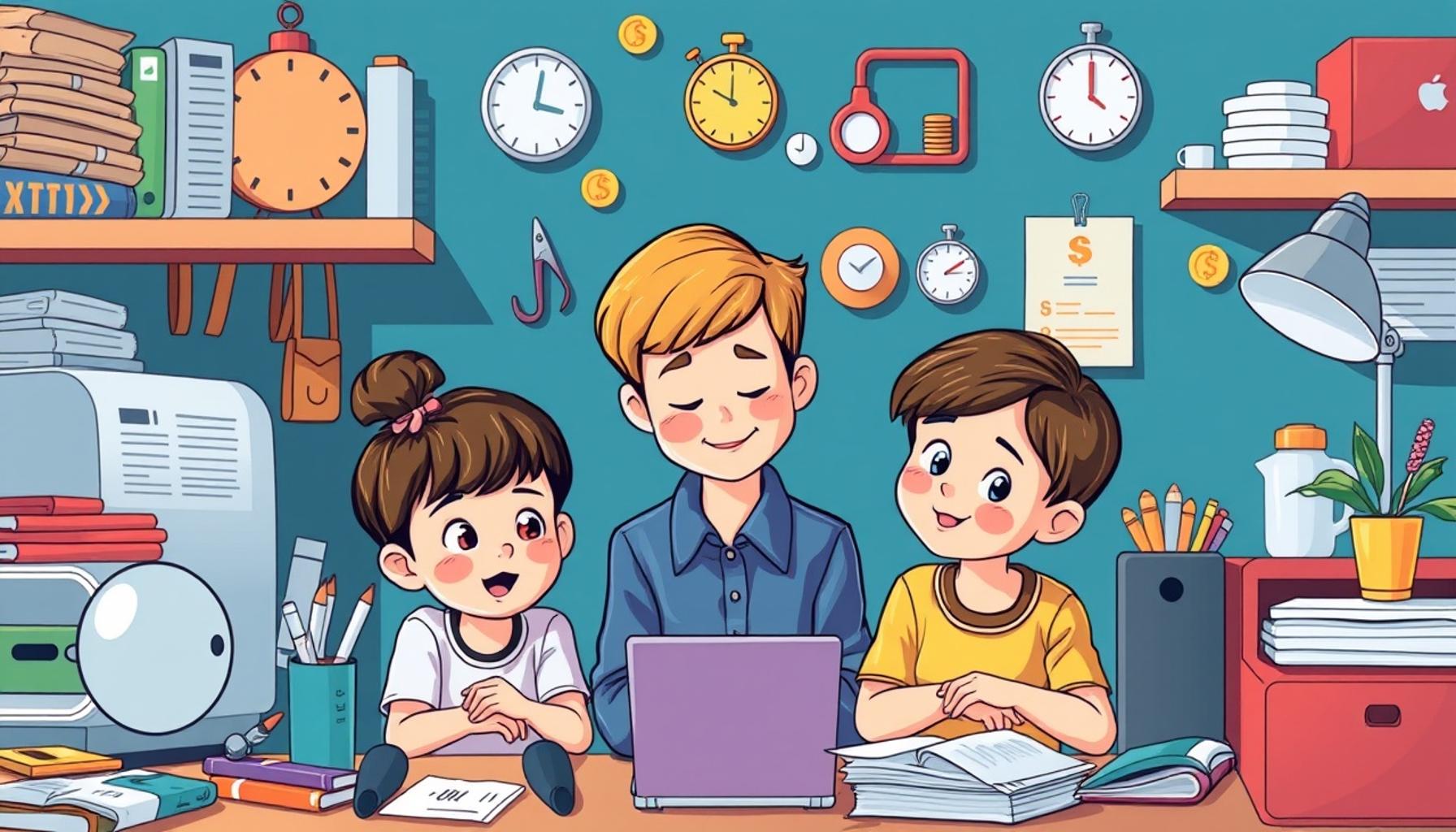
Creating Lifelong Habits through Decluttering
In today’s fast-paced society, where consumerism dominates our daily lives, learning how to manage personal belongings is a vital skill for children. Teaching them about organization and the art of decluttering promotes responsibility and mindfulness, nurturing thoughtful decision-making that can last a lifetime.
The journey towards a more minimalist lifestyle can start with small, manageable steps, making it accessible and enjoyable. Here are some techniques parents can implement:
- Incorporate Fun Activities: Transform decluttering into a game to keep children engaged. For example, create a “treasure hunt” where children can search for toys they no longer play with, competing to see who can collect the most items to donate. This not only makes the process enjoyable but also cultivates a sense of achievement when they realize they are helping others.
- Set Examples: Show your children how you declutter your own spaces. Whether you’re organizing a closet, tidying up the kitchen, or purging old papers, verbalize your thoughts as you sort. Say things like, “I haven’t used this in a year; it’s time to let it go.” Children emulate adults, so witnessing you in action reinforces the significance of decluttering.
- Encourage Decision Making: Involve your children in choosing which of their belongings they truly value. This could be as simple as prompting them to pick five favorite toys from a larger collection. Encouraging such decisions teaches them about value, attachment, and prioritization of possessions, empowering them and helping build self-esteem.
The benefits of instilling decluttering habits in children extend far beyond mere organization. Research indicates that kids who learn how to manage their belongings effectively experience:
- Enhanced Focus: A tidy environment allows for improved concentration. Children are less easily distracted and can focus better on their schoolwork and other activities.
- Reduced Stress: A clutter-free space minimizes feelings of overwhelm associated with chaotic environments. Studies show that children in organized spaces report feeling calmer and more grounded.
- Life Skills: The skills learned through decluttering—decision-making and organization—are invaluable as they transition into adulthood. From managing finances to maintaining a tidy home, these early lessons translate into lifelong habits.
Incorporating these enjoyable and meaningful lessons into your parenting approach can significantly impact your child’s development. As they acquire the skills of organization and mindful consumption, they are better equipped to navigate the complexities of life. Ultimately, the lessons learned in childhood can create a ripple effect, shaping their perspectives on possessions, consumption, and responsibility well into their adult lives.
DISCOVER MORE: Click here for creative ways to utilize unused spaces
Engaging Children in the Decluttering Process
One of the most effective ways to instill a sense of organization in children is to actively involve them in the decluttering process. Engaging in hands-on activities not only makes them feel important but also fosters a deeper understanding of why decluttering is essential. Involving children allows them to take ownership of their space, making it more likely they will appreciate and maintain the changes made.
Start by doing a preliminary sorting of items in shared spaces. This exercise can be a valuable opportunity to discuss the purpose and value of each item, highlighting what should stay and what can go. However, the real magic happens when you allow children to assess their personal belongings. Here are some strategies to consider:
- Establish a Routine: Create a habit by setting aside time each month for decluttering sessions. Consistency helps children grow accustomed to the process and view it as a normal part of life rather than an occasional chore. This routine can be as simple as a weekend afternoon spent together organizing their rooms.
- Make it Visual: Utilize visual aids, such as charts or labeled bins, to help children understand what belongs where. Color-coded boxes for toys, books, and clothes can make the decluttering process more visual and less overwhelming. This tangible approach aids in reinforcing the concept of organization.
- Celebrate Progress: Take time to celebrate the achievements made during decluttering sessions. Whether it’s a dance party after finishing or creating a “before and after” photo album, celebrating these moments makes the process rewarding. Children learn that their efforts lead to positive changes, reinforcing a cycle of organization and mindfulness.
Moreover, incorporating educational aspects into the decluttering process can amplify its benefits. For instance, discussing the environmental impact of excess consumption encourages awareness of sustainability. Children can learn about the importance of choosing quality over quantity, developing a sense of responsibility that extends beyond their immediate surroundings.
Scientific research supports the notion that children who engage in decluttering and organized behavior experience higher academic performance and emotional well-being. According to a study published in the journal *Child Development*, kids in organized environments tend to exhibit better focus and decreased feelings of anxiety compared to their peers. By establishing an organized home setting, parents can set the foundation for their children to thrive academically and emotionally.
In a world inundated with choices and distractions, teaching children the art of decluttering can be a vital life skill. By making the process engaging and educational, parents can influence their children’s outlook on possessions and the importance of maintaining an organized lifestyle. This shift towards minimalism is not just about reducing physical clutter; it fosters a clearer mind, enabling children to focus on what truly matters.
Exploring Decluttering Strategies for Families
As families strive for a more organized home environment, the benefits of teaching children organizational skills and minimalism from an early age become increasingly evident. Implementing effective decluttering strategies can enhance not only the physical space but also the mental clarity of both parents and children. Here are some innovative ways to engage children in decluttering:
Incorporating Fun into Decluttering
Turn decluttering into a fun activity! Children are naturally curious and playful, and integrating games into the process can make it enjoyable. Use a timer for quick decluttering challenges, setting a goal to see how many items can be sorted in five minutes. This approach not only makes the activity lively but also fosters a sense of achievement when they successfully clear out unwanted items.
Creating Rituals for Organizing
Establishing rituals around organization can instill a sense of responsibility in children. For example, designate a specific day each week as “organization day,” where everyone participates in tidying up their spaces. During this time, encourage children to evaluate their belongings, retain what they truly love, and rediscover the joy of a clutter-free environment. This habit promotes mindfulness and illustrates the value of ownership.
Encouraging Charity and Conscious Gifting
Teach children about the importance of giving by discussing how their unwanted toys and clothes can benefit others in need. Establishing a donation box in your home allows children to learn about charity while decluttering. This not only helps them understand the impact of their actions but also encourages them to think critically about their possessions and the role they play in their lives.
Setting Clear Limits
To prevent unnecessary accumulation, set clear boundaries regarding the number of toys or clothes children can keep. For instance, you could introduce a “one in, one out” policy, where every new item received requires the donation or discarding of an old item. This strategy ensures children appreciate the value of their belongings while learning to prioritize quality over quantity.
Engaging Resources and Tools
Utilizing resources like books and apps designed for children can enhance their understanding of organization principles. Interactive tools help introduce the concept of minimalism through storytelling and engaging visuals. By incorporating such resources, children can cultivate a deeper understanding of their emotional connections to objects while also fostering a desire to embrace simplicity.By actively participating in decluttering and organization, children develop lifelong skills that benefit them as they grow. Fostering these competencies encourages a harmonious living space and helps cultivate a mindset oriented toward mindfulness and intentional living, laying a solid foundation for their future habits.
DISCOVER MORE: Click here to uncover innovative ways to use every corner
Cultivating Minimalist Mindsets
While involving children in the decluttering process is essential, shaping their mindset towards minimalism can be equally impactful. A minimalist mentality, characterized by valuing experiences over possessions, helps children develop a healthy relationship with material items from an early age. As parents, you can guide your children toward understanding that less can indeed be more.
One effective method to cultivate this mindset is through storytelling. Sharing stories about characters who thrive on simplicity or face challenges due to excess clutter can provoke thought and reflection. For example, tales like *The Lorax* by Dr. Seuss emphasize environmental stewardship, while *The Life-Changing Magic of Tidying Up* has sparked interest in tidying rituals among families. Such narratives prompt discussions about not just what possessions are important but also why they matter.
To further develop the minimalist mindset, consider these approaches:
- Introduce “One In, One Out” Policy: Encourage children to follow the practice of letting go of one item for every new item they receive. This fosters a sense of moderation, teaching them to think critically about incoming possessions and their worth. It can be particularly effective during holidays or birthdays when the potential for excess is high.
- Encourage Quality Over Quantity: Shift the focus from acquiring numerous items to investing in a few high-quality products. Engaging in conversations about craftsmanship or durability helps children appreciate what they own, prompting mindful ownership rather than impulsive accumulation.
- Engage in Community Sharing: Instilling the practice of sharing can help children understand the concept of community and the joy of giving. Organizing a neighborhood book swap or donating toys they no longer use reinforces the idea that possessions can have a life beyond one’s personal space.
Additionally, integrating decluttering and minimalism into daily routines further solidifies these habits. Create challenges, such as 30-day decluttering tasks where each week focuses on a different area—books, toys, or clothes. Children can learn to assess their belongings critically and develop a sense of achievement when tasks are completed. This method not only builds a habit of assessment but also increases their engagement through gamified experiences.
As parents guide their children toward a minimalist way of life, it’s important to model these values in their actions as well. Research indicates that children learn significantly from observing their caregivers. When parents embrace minimalism by intentionally choosing fewer items and maintaining organized spaces, children receive a powerful message about the value of simplicity.
Moreover, discussions surrounding the emotional benefits of decluttering can profoundly impact children’s perspectives. Helping children identify feelings associated with clutter—like stress or frustration—can foster emotional intelligence. They can learn to associate clean spaces with relaxation, focus, and creativity, further encouraging an organized lifestyle.
As families navigate this journey of decluttering and minimalism, it’s vital to remember that small steps yield big changes. Shaping a child’s approach to organization not only benefits their immediate environment but also prepares them for a future filled with mindful choices and appreciation for the essentials in their lives.
DISCOVER MORE: Click here for innovative ideas
Conclusion
In an age where consumerism often overshadows the essence of living simply, teaching children the principles of decluttering and minimalism can yield profound, lifelong benefits. By introducing children to organization skills and encouraging them to value experiences over material possessions, parents can foster a sense of mindfulness that will serve them well into adulthood. The lessons learned through the decluttering process—not just about physical space but emotional well-being and community—are invaluable.
Implementing simple yet impactful strategies, such as the “One In, One Out” policy and emphasizing quality over quantity, lays a sustainable foundation for children to appreciate their belongings. Moreover, encouraging community sharing helps cultivate a spirit of generosity, reinforcing the idea that items can bring joy beyond personal ownership. Integrating these practices into family routines transforms decluttering from a chore into an engaging, enriching activity.
As children grow, their ability to navigate their environments with clarity and intent will become crucial in a world filled with distractions. By modeling minimalist values and maintaining organized spaces, parents send a clear message about the benefits of simplicity. This journey of decluttering can often lead to unexpected rewards, such as enhanced creativity, emotional resilience, and a more harmonious home life.
Ultimately, the journey of teaching organization and minimalism to our children is not merely about reducing clutter; it is about instilling values that encourage a balanced lifestyle. As families embrace these practices together, they create not just an uncluttered space, but also a nurturing environment that celebrates the joy of simplicity and mindfulness for generations to come.
Related posts:
Challenges of Decluttering: Overcoming Common Barriers and Maintaining Motivation
The Emotional Impact of Decluttering: Releasing Space and Mind for the New
Emotional Decluttering: How to Release the Sentimental Burden Linked to Accumulated Objects
The Art of Letting Go: Decluttering Techniques for Beginners
Effective Decluttering Methods: How to Keep Your Space Organized Long-Term
Digital Decluttering: Strategies to Organize Your Devices and Improve Productivity

Beatriz Johnson is a seasoned productivity strategist and writer with a passion for simplifying the complexities of time management and personal organization. With over a decade of experience in efficiency optimization, she specializes in topics like workflow design, habit formation, and productivity systems for modern professionals. Through her work, Beatriz empowers readers to take control of their schedules, eliminate overwhelm, and stay ahead in today’s fast-paced world.