Competitive Card Games: How Strategic Thinking Can Define Winners
The Importance of Strategy in Competitive Card Games
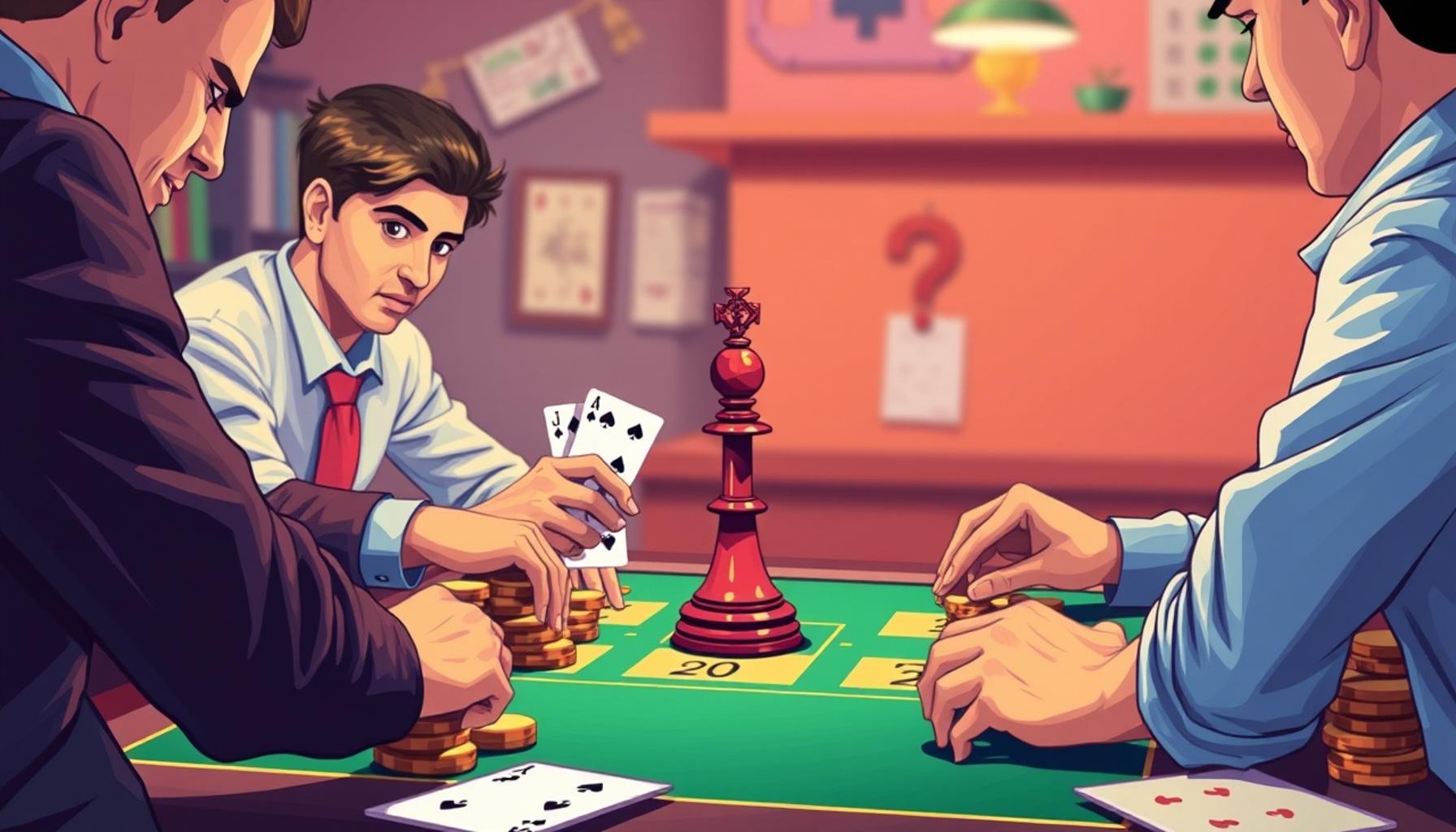
In contemporary competitive card games, strategy reigns supreme as players encounter an intricate web of choices that demand analytical prowess and foresight. Unlike many games that are driven by random chance, titles such as Magic: The Gathering, the Pokémon Trading Card Game, and Texas Hold’em Poker place emphasis on the mental acuity of players. These games illustrate a reality where success is firmly in the hands of those who can think critically and adapt their tactics on the fly.
Let’s delve deeper into how strategic thinking operates in these popular titles. For instance, in Magic: The Gathering, effective deck construction is vital. A player who understands the synergies among various card types can create a deck that not only maximizes personal strengths but also minimizes potential weaknesses against a variety of opponents. This involves careful selection of cards that work cohesively, such as choosing creatures that complement spell usage or selecting colors that provide tactical advantages in gameplay. The decision to play aggressive versus defensive strategies can shift the tide of the game depending on the flow of matches.
Similarly, in the Pokémon Trading Card Game, players navigate a landscape punctuated by type advantages, which can make or break a match. The knowledge of which Pokémon types counter others is critical; for example, using a Water-type Pokémon against a Fire-type opponent can provide that crucial edge needed for victory. Additionally, understanding the concept of synergy where particular cards enhance each other’s abilities can lead to devastating combinations that leave opponents struggling to fend off powerful attacks.
Furthermore, in the world of Texas Hold’em Poker, players must engage in psychological warfare. The careful calculation of odds and reading of opponents’ behaviors are essential. A seasoned player will assess not only the cards on the table but also the betting patterns of their rivals, gauging when to bluff and when to fold. The ability to adopt varied strategies based on the dynamics of the game is what transforms casual players into high-stakes contenders.
The Rise of Competitive Gaming
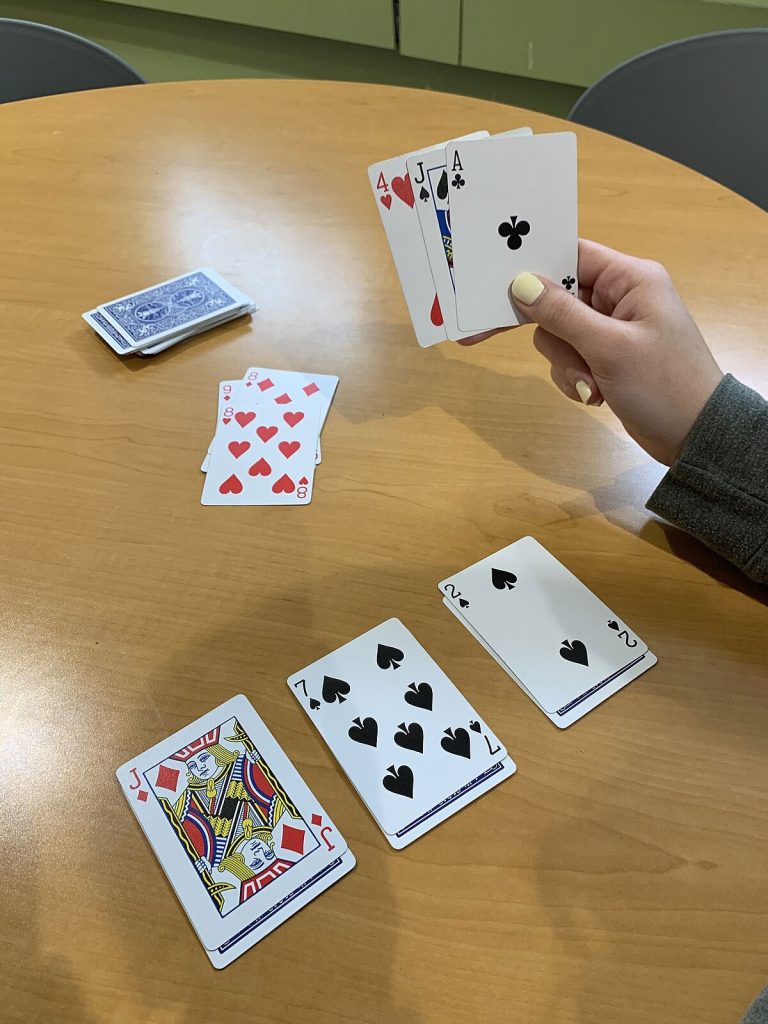
The emergence of eSports has brought competitive card games to the forefront, captivating audiences worldwide. Major tournaments such as the Magic: The Gathering Pro Tour and the annual Pokémon World Championships boast substantial prize pools that attract the most skilled players. With thousands of spectators tuning in to watch live streams online, the pressure to perform has reached new heights.
As strategies evolve, players continue to innovate, creating a constantly shifting landscape within competitive gaming. This intellectual warfare does more than just elevate the level of gameplay; it fosters a community where collaboration and shared learning are encouraged. As players discuss strategies, analyze gameplay footage, and participate in forums, the collective knowledge grows, leading to a dynamic environment that continually pushes the limits of the game.
Ultimately, those who master the essential elements of game mechanics, the ability to read opponents, and the practice of calculating odds will not only enhance their gameplay but also contribute to the rich tapestry of competitive gaming, influencing new players and inspiring future champions.
DIVE DEEPER: Click here to uncover more insights
Decoding Strategy: The Mechanics Behind Winning Card Games
To appreciate the complex world of competitive card games, it is essential to unpack the intricate strategies that players employ to enhance their chances of victory. At the core of these games lies a deep understanding of game mechanics, which are the fundamental rules and systems that govern play. Players who grasp these mechanics can effectively navigate the battlefield, leading them to exploit opportunities and turn the tides in their favor.
In competitive card games, players utilize several key strategies that can define winners:
- Deck Optimization: The construction and curation of a deck is a meticulous process that involves selecting cards that create a balanced and effective synergy. Players often engage in trial and error, ensuring their deck not only plays to their strengths but also has contingencies against common strategies.
- Resource Management: In games like Magic: The Gathering, players must manage resources effectively, deciding how and when to deploy cards. This includes balancing offensive plays with the necessity of saving resources for defense, ultimately shaping the pacing of the game.
- Situational Awareness: Being attentive to the current game state is critical. Players need to assess not only their own hand but also the potential plays of their opponents, predicting moves while preparing counterstrategies.
- Adapting Tactics: Flexibility is paramount in competitive card games. A successful player adapts strategies based on the current state of play, switching from aggressive tactics to a more defensive posture as needed.
Moreover, the ability to conduct a comprehensive analysis post-match is another hallmark of strategic thinking. Top-tier players often review their gameplay to identify patterns, mistakes, and missed opportunities. This practice not only hones their skills but also fortifies their understanding of the game’s meta, which refers to the current prevailing strategies and trends within the community.
The community aspect of competitive card games cannot be overlooked. Players frequently engage in discussions and collaborate on strategy development, sharing insights that can elevate the entire competitive scene. Social media platforms and dedicated forums serve as arenas for players to dissect matches, discuss deck lists, and brainstorm counters to trending strategies. This symbiotic relationship within the community fosters an environment ripe for innovation and adaptation, where even a small piece of advice can exponentially increase a player’s prowess.
As players engage with their communities and learn from each other’s experiences, they not only enhance their individual skillsets but also contribute to a greater understanding of what makes a winning strategy. The ramifications of this collective wisdom are considerable, as they can steer the direction in which competitive card games evolve, influencing everything from tournament regulations to the introduction of new game elements.
| Strategy Type | Description |
|---|---|
| Aggressive Play | A strategy focused on overpowering opponents quickly, often through high-stakes moves that can lead to swift victories or riskier outcomes. |
| Defensive Play | This tactic emphasizes protection and control, allowing players to counteract aggressive opponents and react strategically to gameplay developments. |
| Resource Management | Effective management of cards and in-game resources is crucial. Players who balance short-term gains with long-term objectives tend to excel. |
| Psychological Tactics | Understanding opponents’ psychology can define play style. Bluffing, feigning weakness, or reading tells can give strategic advantages. |
In the universe of competitive card games, knowledge is as powerful as the cards in hand. The right strategies can dictate the tide of battle, leading to pivotal victories or heartbreaking losses. Employing aggressive play can pay off with assertive tactics, pressuring opponents into hasty decisions and creating openings for victory. Conversely, a defensive play approach can be invaluable, solidifying a player’s standing while waiting for the perfect moment to strike back.Furthermore, mastering resource management allows players to utilize their cards most effectively, ensuring that neither power nor potential is wasted. Lastly, those who grasp psychological tactics can manipulate the emotional landscape of the game, gaining advantages through deception and insight. Understanding these strategic elements not only enhances gameplay but also cultivates an atmosphere of skillful challenge among players. Each tactic explored leads one to wonder: Which strategy holds the key to becoming a champion in the competitive card gaming arena?
DISCOVER MORE: Click here to enhance your critical thinking skills
Mastering the Mind Game: Psychological Tactics in Competitive Card Play
Beyond the basic mechanics and strategies, the psychological aspect of competitive card games adds an intriguing layer to the pursuit of victory. Players not only battle against cards but also against each other’s minds, employing psychological tactics to gain leverage and control the flow of the game. Understanding how psychology plays a role can be just as important as knowing how to play the cards in hand.
One of the most effective psychological strategies in competitive card games is bluffing. Similar to poker, players often mislead their opponents about the strength of their hand or the state of the game. A well-timed bluff can force opponents into making rash decisions, leading to their downfall while creating opportunities for the bluffing player to capitalize and secure a win.
Another key element is reading opponents. Top players develop an intuitive sense for their adversaries’ thought processes and tendencies. By paying attention to subtle cues such as body language, gameplay rhythm, or even the patterns of card play, they can discern when an opponent is confident or hesitant. This heightened awareness enables players to craft tailored strategies that exploit perceived weaknesses in their opponents’ approaches.
Cognitive load management is another critical psychological aspect. Players must process a multitude of factors—from their own cards and potential plays to the myriad possibilities of their opponent’s next moves. Effective card players often train themselves to handle this cognitive load without succumbing to stress or indecision. This is particularly crucial in high-pressure competitive environments, such as major tournaments where the stakes are elevated.
The Role of Deception and Misdirection
Deception extends beyond bluffing; it often involves a systematic approach to mislead and manipulate the flow of gameplay. Players may create intentional distractions or play low-value cards at critical moments to signal a more formidable hand than they actually hold. Such tactics can induce opponents into underestimating their own position, leading to strategic errors that can be exploited.
For instance, in games such as Hearthstone or Yu-Gi-Oh!, cunning players may play low-cost, seemingly harmless cards to lure opponents into a false sense of security. This misdirection is often designed to set up a powerful combination that can swing the game unexpectedly. Experienced players learn to anticipate these tricks, making it a true war of wits at each turn.
Building a Strategic Edge Through Predictive Analytics
In today’s digital age, players now have access to advanced predictive analytics tools that can enhance their strategy. By analyzing vast amounts of gameplay data, these sophisticated programs provide insights into card trends, win probabilities, and common strategies employed by opponents. Information such as this allows players to build more effective decks and develop counterstrategies that directly address perceived threats to their success.
For example, in competitive formats of card games like Legend of the Five Rings or Gwent, top players often utilize analytics tools to review not just their play, but the play patterns of others in the competitive scene. This insight allows for informed decision-making, fine-tuning the ability to adapt strategies mid-game and potentially changing the outcome based on real-time inferred data.
Ultimately, the intersection of strategy and psychology in competitive card games creates a rich tapestry of possibility for players willing to delve into its depths. As the community grows, the understanding of these elements—combined with the technical skills of deck building and resource management—shall continue to define the titans of competitive card play.
DISCOVER MORE: Click here to delve deeper
Conclusion: Embracing the Complexity of Competitive Card Games
In the dynamic realm of competitive card games, the distinction between victory and defeat is often found in the nuanced interplay of strategy and psychology. Players are not merely pitting their deck against another; they must engage in an intricate dance of tactics, deception, and mental fortitude. From the art of bluffing to the tactical insights gained through predictive analytics, every decision carries weight, sculpting the path to triumph.
As we have explored, top competitors utilize a combination of cognitive management and awareness to navigate the complexities of card play. The effectiveness of misdirection and reading opponents signifies that success transcends raw skills and enters the psychological battlefield where understanding the human mind can change the course of a game. Moreover, emerging technologies enhancing analysis provide players with tools to refine their strategic approaches, making the game accessible to practically anyone willing to invest time and effort.
Ultimately, the multifaceted nature of competitive card games offers players not only a platform for competition but also an opportunity for personal growth and skill enhancement. Engaging with this mental sport encourages critical thinking, adaptability, and a deep understanding of one’s own strengths and weaknesses. As the community around these games thrives, aspiring contenders are invited not only to learn the rules but to immerse themselves in the profound strategic elements that define true winners in the world of competitive card play. The journey is rich, the rewards substantial, and the challenge ever-present—beckoning a new generation of players to rise and redefine the landscape of this captivating pursuit.
Related posts:
Unraveling the Game of Go: Long-Term Thinking Strategies and Move Anticipation
Developing Problem-Solving Skills Through Mathematical Puzzles
Logic Puzzles: The Intersection Between Creativity and Strategic Thinking
Logical Puzzles: How Solving Challenges Stimulates the Strategic Mind
The Art of Chess: Developing Strategic Thinking Through Ancient Strategies
The Influence of Video Games on the Improvement of Strategic Thinking

Linda Carter is a writer and puzzle expert specializing in mind games, brain teasers, and cognitive challenges. With extensive experience helping individuals enhance their problem-solving skills and think critically, Linda shares her knowledge on our platform. Her goal is to empower readers with practical advice, engaging puzzles, and strategies to sharpen their minds and achieve success in the captivating world of mind games and puzzles.