Brain Teasers for Kids: Developing Cognitive Skills from an Early Age
Unleashing Your Child’s Potential
From the moment children begin to explore their surroundings, they’re in a constant state of learning. Every question they ask and every game they play contributes to their cognitive development. Brain teasers for kids serve as a fun and effective tool to enhance these essential skills.
Why Brain Teasers Matter
Engaging kids with brain teasers can lead to significant growth in various cognitive areas. Here are some key benefits:
- Critical thinking: Teasers encourage children to think outside the box. When faced with a riddle, for instance, children must analyze the words and interpret them, leading to the development of their reasoning skills.
- Problem-solving: Kids learn to approach challenges strategically. For example, by working through a puzzle, they must navigate obstacles and make decisions that will ultimately lead them to the solution.
- Memory enhancement: Regularly practicing these puzzles sharpens memory retention. This helps kids in their academic endeavors, as improved memory can translate to better recall in subjects like history and science.
Types of Brain Teasers
Brain teasers come in many forms, appealing to different interests and age groups. Some popular types include:
- Riddles: Short, clever questions that challenge language skills. For example, asking, “What has keys but can’t open locks?” encourages kids to think creatively, leading to the answer: a piano.
- Puzzles: Jigsaw and logic puzzles that stimulate visual and analytical skills. Engaging with puzzles like Sudoku or crosswords can make learning math and language fun and interactive.
- Math challenges: Fun equations that promote numerical thinking. Kids can enjoy math-themed brain teasers that challenge their numerical ability, such as simple algebra equations presented as a game.
As parents and educators seek innovative ways to enhance learning, utilizing brain teasers can transform playtime into a powerful tool for cognitive development. Encouraging children to solve these engaging problems fosters lifelong skills that are vital for their educational journey. Moreover, platforms like educational apps or family game nights featuring brain teasers can seamlessly integrate learning into everyday life, making it not only productive but also enjoyable.
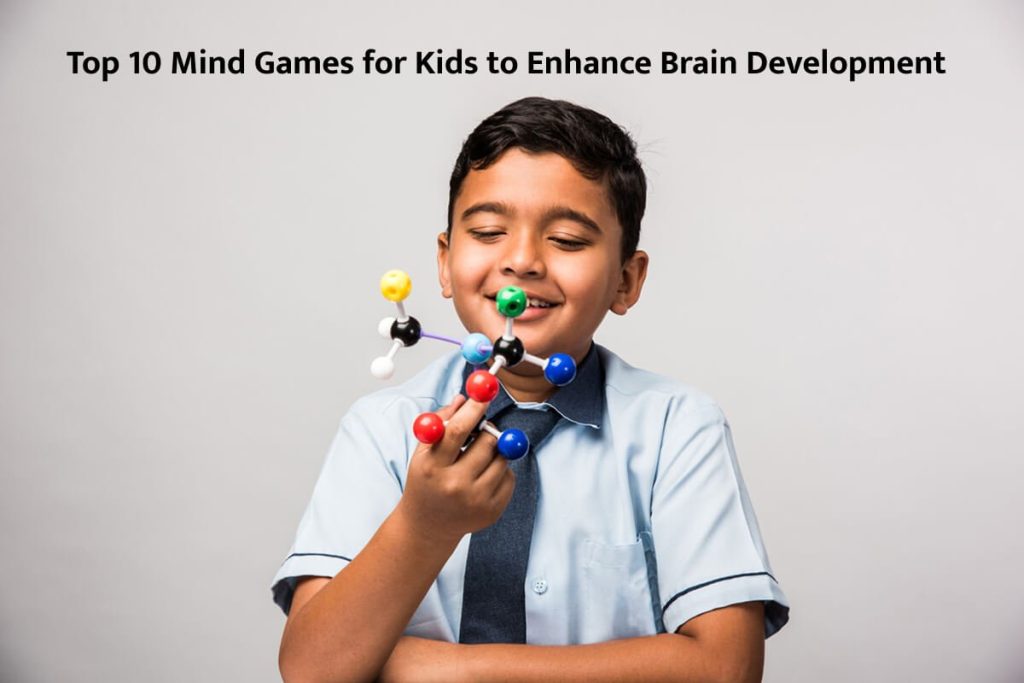
Furthermore, engaging with brain teasers allows children to collaborate with peers or family members, enhancing their social skills and teamwork abilities. As they share ideas and solve problems together, they learn the value of different perspectives and insights.
In summary, brain teasers are not just a fun activity; they serve as a crucial component in developing a child’s cognitive abilities. Implementing these engaging challenges can truly unleash your child’s potential and set them on a path of lifelong learning and curiosity.
DISCOVER MORE: Click here to dive deeper
Enhancing Learning Through Play
Brain teasers for kids not only serve as a source of entertainment but also play a pivotal role in their cognitive development. These engaging challenges stimulate young minds, leading to the exploration and enhancement of critical thinking, problem-solving, and memory skills. Research has shown that children who actively participate in brain teasers exhibit improved reasoning capabilities and academic performance.
Building Blocks of Cognitive Skills
Engaging brain teasers can help children develop essential cognitive skills in various ways. Here are some key areas where brain teasers can make a notable impact:
- Analytical thinking: Many brain teasers require children to break down complex problems into manageable parts. For instance, logic puzzles often present a scenario that challenges kids to think logically and sequentially to arrive at the correct conclusion.
- Creativity: Rarely do answers come directly; children must employ imaginative thinking to find solutions. Riddles, in particular, ask children to consider multiple perspectives, catalyzing their creative processes.
- Concentration: Solving brain teasers requires focus and sustained attention. Children learn to concentrate on the task at hand, honing their ability to block out distractions–an essential skill across academic subjects.
By integrating brain teasers into daily routines, parents and educators can transform ordinary moments into powerful learning experiences. Simple activities like riddles at the dinner table or quick puzzles in the car during long trips can make a world of difference in strengthening cognitive functions. Furthermore, with the rise of technology, a wealth of online resources and apps cater specifically to brain teasers for kids, making them readily accessible and engaging.
Moreover, these puzzles spark curiosity, encouraging children to question and seek answers actively. By fostering a mindset that embraces challenges, kids become more adept at handling academic pressures as they grow. Notably, children exposed to brain teasers from a young age may develop a lifelong love for learning, as they discover the joy in solving complex problems.
Incorporating brain teasers into your child’s day not only enhances their cognitive skills but also creates opportunities for family bonding. Solving puzzles together strengthens relationships and fosters teamwork, enabling children to communicate their ideas effectively. This collaborative spirit nurtures social skills that are critical in their development.
Through the lens of brain teasers, learning transforms into a delightful challenge that benefits children academically, socially, and emotionally. By weaving brain teasers into children’s lives, we can cultivate a generation of inquisitive learners ready to tackle the complexities of the world with confidence and creativity.
| Advantage | Details |
|---|---|
| Enhanced Problem-Solving Skills | Brain teasers encourage children to think critically, analyze situations, and develop innovative solutions. |
| Increased Engagement and Focus | Interactive challenges captivate children’s attention, fostering a desire to learn and explore new concepts. |
Exploring the realm of brain teasers for kids opens a gateway to a plethora of cognitive benefits that are vital for their intellectual growth. The first significant advantage is the enhancement of problem-solving skills. These puzzles challenge young minds to step outside their comfort zones, compelling them to think critically and creatively. Such skills are not only essential for academic success but also applicable in real-world scenarios.Moreover, brain teasers harness an increased level of engagement and focus. As kids navigate through quirky scenarios and intricate riddles, they become invested in the task at hand. This not only sharpens their attention span but also ignites a sense of curiosity and eagerness to tackle more complex challenges. By introducing these stimulating activities, parents and educators can effectively nurture a spirit of inquiry and lifelong learning in children. Expanding their cognitive toolkit at such an early age lays the groundwork for a brighter future.
DISCOVER MORE: Click here
Variety in Learning: Different Types of Brain Teasers
One of the remarkable aspects of brain teasers is the variety of formats they come in, each targeting a unique set of cognitive skills. By exposing children to different types of brain teasers, parents and educators can ensure a well-rounded development of the mind. Here are some intriguing categories of brain teasers to consider:
- Logic Puzzles: These often take the form of riddles or scenarios requiring deductive reasoning. An example could be a scenario where three friends each have a different favorite color, and the child must deduce which color belongs to whom based on a set of given clues. Engaging with logic puzzles not only enhances reasoning skills but also promotes patience as children learn to sift through information methodically.
- Math Teasers: Integrating math with fun, these teasers can range from simple addition puzzles to complex word problems that require multiple steps to solve. For instance, a puzzle stating, “If a farmer has 30 apples and he gives away 12, how many does he have left?” encourages children to practice basic arithmetic operations while reinforcing their understanding of real-world applications.
- Word Games: Crossword puzzles and word searches improve vocabulary and spelling while fostering a passion for language. Children learn to recognize and form words in various patterns, making these activities not only educational but also enjoyable. Engaging with word games can facilitate improvement in reading comprehension skills as well.
- Visual Puzzles: Jigsaw puzzles or optical illusions stimulate visual processing and spatial awareness. They challenge children to think about how pieces fit together or how images can represent different perspectives. Working on visual puzzles encourages meticulous attention to detail and further promotes patience and perseverance.
Research suggests that children who engage with a variety of brain teasers exhibit greater adaptability in their thinking patterns. Not only does diversity in puzzles keep the learning process fresh and exciting, but it also prevents boredom, which can often be detrimental to cognitive engagement.
The Role of Technology in Brain Training
In our digital age, technology plays a significant role in how children interact with brain teasers. Numerous apps and websites offer a rich assortment of puzzles designed to entertain while educating. Children as young as five can explore interactive logic games tailored to their developmental level, capturing their attention longer than traditional methods might. Some popular tools like Prodigy Math and Brainiacs offer customized challenges that adapt as a child’s skills improve.
Furthermore, these platforms often include a social aspect, allowing children to compete against peers or collaborate on challenges. This engagement not only improves cognitive skills but also fosters a sense of community and social belonging among young problem-solvers, bridging the gap between learning and social interaction.
To expand learning beyond solitary play, parents can incorporate family game nights centered around brain teasers using board games or quiz apps. This combination of face-to-face interaction and stimulating puzzles can enhance familial bonds while developing cognitive and emotional skills simultaneously.
As brain teasers increasingly migrate to electronic formats, it is essential to balance screen time with hands-on activities to maximize cognitive benefits. By promoting both types of engagement, caregivers can create a comprehensive learning environment where children thrive academically and socially.
DISCOVER MORE: Click here to learn how logical puzzles can enhance your well-being</p
Conclusion: Unlocking Potential Through Brain Teasers
In conclusion, brain teasers for kids serve as invaluable tools for fostering cognitive development from a young age. The diverse formats—ranging from logic puzzles to math teasers, word games, and visual challenges—tap into various cognitive skills that are essential for a well-rounded education. These engaging activities not only enhance critical thinking, problem-solving abilities, and creativity but also instill a sense of perseverance and patience in young learners.
Moreover, the incorporation of technology through interactive apps and online platforms presents exciting opportunities for children to engage with brain teasers in ways that resonate with their digital experiences. This harmonious blend of traditional and modern approaches can enrich their learning journey while also promoting social interaction and collaborative skills.
Parents and educators are encouraged to embrace this playful yet educational method to enrich children’s cognitive landscapes. Encouraging regular practice with brain teasers can lead to long-lasting benefits that extend beyond classroom walls, empowering children to tackle challenges with confidence as they grow. As we continue to recognize the potential of these mind-stimulating activities, we open the door for a generation of critical thinkers and lifelong learners.
By prioritizing engagement with brain teasers, families can cultivate both academic skills and treasured moments of connection. In this way, the journey of learning becomes not just a task, but a joyful adventure—one that prepares children for the complexities of the world around them.
Related posts:
Brain Teasers and Creativity: How Mental Challenges Stimulate Innovative Thinking
Brain Teasers and Education: How to Use Them to Stimulate Learning in Children
Brain Teasers and Neuroscience: What Happens in Our Brain During Problem Solving
The Importance of Brain Teasers in Stress Reduction and Increased Concentration
Brain Teasers and Age: How Different Age Groups Approach Mental Challenges
The History of Brain Teasers: From Ancient Riddles to Modern Challenges

Linda Carter is a writer and puzzle expert specializing in mind games, brain teasers, and cognitive challenges. With extensive experience helping individuals enhance their problem-solving skills and think critically, Linda shares her knowledge on our platform. Her goal is to empower readers with practical advice, engaging puzzles, and strategies to sharpen their minds and achieve success in the captivating world of mind games and puzzles.