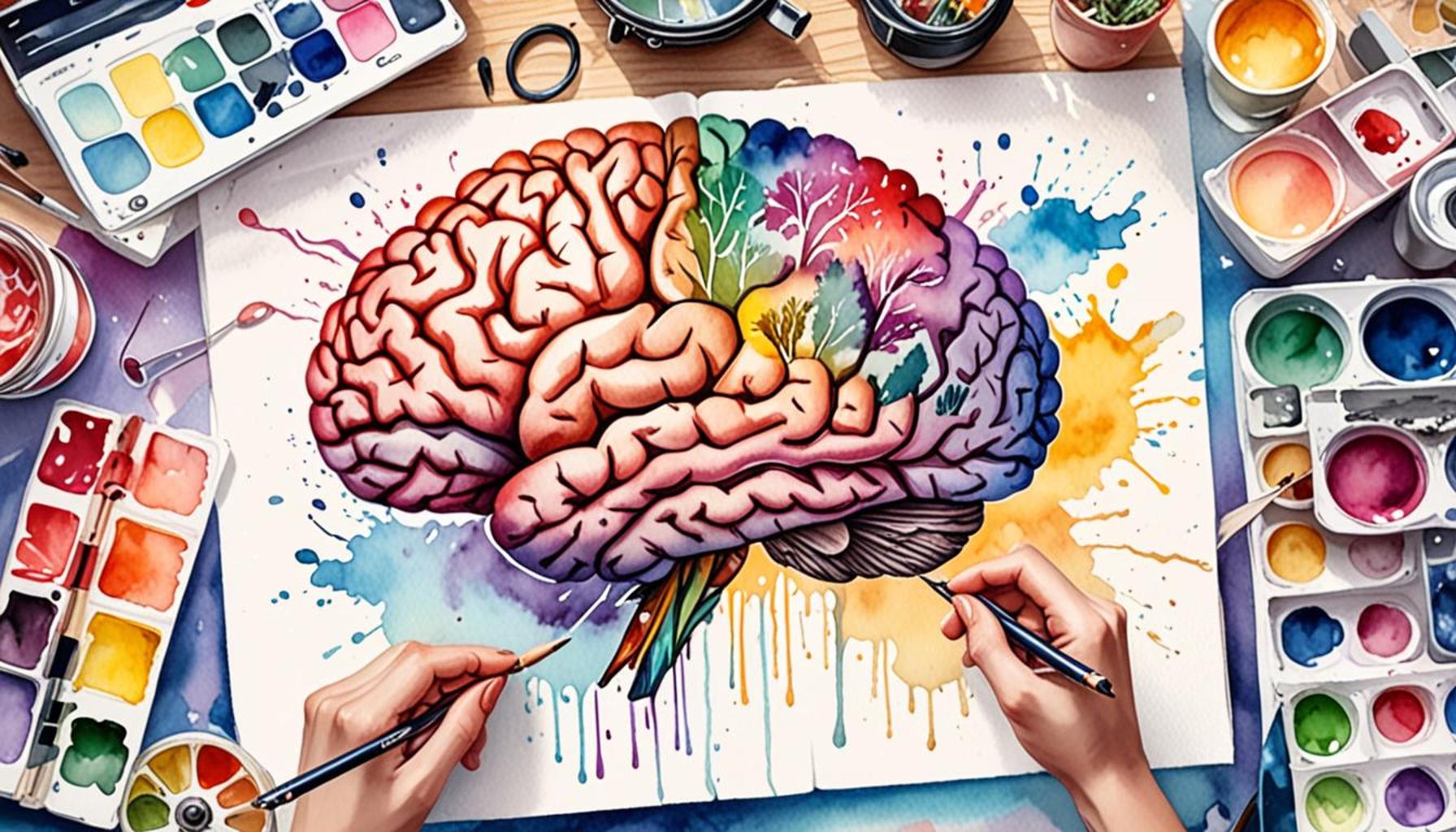
Boost Your Mood with Constant Mental Challenges Proven Benefits

Discover the Power of Mental Stimuli
Engaging in constant mental challenges can truly transform your mood. From solving complex puzzles to mastering a new language, keeping your brain active offers significant benefits that extend beyond mere entertainment. Mental fitness is increasingly recognized as vital for holistic well-being, especially in our contemporary world where cognitive demands can often feel overwhelming.
One of the most impactful benefits of regular brain workouts is enhanced cognitive function. Activities such as memory games, chess, and even trivia can vastly improve one’s memory, concentration, and critical thinking skills. A fascinating study by the University of Michigan found that just a couple of hours a week spent engaging in cognitively engaging tasks can lead to measurable improvements in memory and reasoning capabilities.
- Enhanced Cognitive Function: Regular brain workouts can improve memory, focus, and critical thinking.
- Stress Reduction: Immersing yourself in a challenging task can serve as a distraction, reducing anxiety levels.
- Increased Happiness: Completing challenges releases dopamine, a chemical linked to feelings of pleasure and motivation.
Additionally, the effects of mental challenges extend to emotional well-being. Engaging in stimulating tasks acts as a natural remedy for stress, allowing individuals to immerse themselves in focused and productive activities, effectively reducing anxiety levels. For instance, many people find that working on a difficult crossword puzzle or engaging in woodworking not only distracts from their day-to-day worries but also fosters a sense of accomplishment and creativity.
Moreover, challenges act as a natural mood booster, helping to combat feelings of depression and mental fatigue. Research suggests that completing challenging tasks triggers the release of dopamine, a neurotransmitter closely linked to feelings of pleasure, satisfaction, and motivation.
In today’s fast-paced world, where distractions are ubiquitous, it’s more important than ever to carve out time for regular mental challenges in your routine. You can explore various stimulating avenues such as:

- Brain-training apps like Lumosity or Peak, which offer personalized training regimens
- Classic board games and intricate puzzles that challenge your problem-solving abilities
- Creative writing, painting, or refreshing a forgotten skill like playing a musical instrument.
By committing to these activities, you not only enhance your mental fitness but also pave the way for improved emotional resilience. So why not harness the proven benefits of mental challenges today? Engaging with your mind in new and exciting ways can yield rewards that affect your daily mood and overall well-being. Explore beyond the conventional pathways and discover a myriad of opportunities to invigorate your mental health.
CHECK OUT: Click here to explore more
Unlocking the Emotional Advantages of Mental Engagement
In our pursuit of happiness and well-being, it’s essential to recognize the role that mental challenges play in shaping our emotional states. Engaging in activities designed to stimulate the brain not only sharpens cognitive skills but also fosters a more positive outlook on life. Numerous studies underscore the idea that mental challenges generate tangible benefits for mood enhancement and can serve as a powerful antidote to feelings of stress and anxiety.
When we dive into a complex mental task, the brain responds by stimulating the production of neurotransmitters like serotonin, known to have a direct influence on our mood and emotional health. This chemical response can lead to a feeling of euphoria akin to the joy experienced after physical exercise. One study conducted by the University of California revealed that those who engaged in mental challenges experienced a boost in mood comparable to that of individuals who participated in regular physical activities. This correlation highlights how both mental and physical challenges are crucial to a balanced and fulfilled life.
Moreover, the sense of achievement derived from successfully completing a challenge can elevate self-esteem and promote a feeling of control over one’s life. For instance, learning a new language or mastering a difficult concept not only builds knowledge but can also significantly enhance your confidence. As you overcome one challenge after another, you cultivate a psychological resilience that can help ward off feelings of helplessness and despair.
- Social Connections: Participating in group activities such as trivia nights or book clubs fosters social interaction, which is vital for emotional well-being.
- Routine Structure: Regularly scheduled mental challenges can provide a sense of purpose and routine, making life feel more predictable and manageable.
- Mindfulness: Focusing intently on a task encourages mindfulness, helping to ground you in the present moment, further reducing anxiety.
As we navigate through life’s challenges, it’s also important to remember that not all mental exercises require vast amounts of time or resources. Simple adjustments to your daily routine can yield significant benefits. For instance, trying a new recipe, engaging in daily journaling, or learning fun facts about a subject of interest can invigorate your mind and lift your spirits. The key lies in consistency—regularly pushing the boundaries of your mental capabilities can unlock hidden potential and opportunities for happiness.
Incorporating these mental challenges into your life is not merely an abstract concept; it is a tangible way to boost mood, enhance self-worth, and foster emotional stability. By prioritizing mental engagement, you’re taking essential steps towards creating a more joyful and fulfilling existence. Whether picking up a book, challenging yourself with a brain teaser, or joining a discussion group, each activity can contribute to your overall well-being in ways you may have never imagined.
| Category | Advantages |
|---|---|
| Cognitive Flexibility | Engaging in constant mental challenges enhances your ability to adapt your thinking and approach to difficult situations. |
| Stress Relief | Challenging your mind can lead to increased endorphin release, contributing to lower overall stress levels. |
| Enhanced Concentration | Regular mental challenges cultivates focus, making it easier to concentrate on tasks and improving productivity. |
| Emotional Resilience | Mastering new challenges builds confidence, which fortifies emotional resilience against life’s setbacks. |
| Social Connections | Engaging in group challenges fosters teamwork and camaraderie, thereby strengthening social bonds. |
Boosting your mood through mental challenges is not only an intriguing concept but also a scientifically backed method to enhance overall well-being. Engaging your brain in activities like puzzles, games, and new learning experiences can trigger a cascade of benefits, influencing both emotional state and cognitive function. Each cognitive exercise acts as a mini-workout for your brain, training it to perform better and adapt to new information.Furthermore, by regularly stepping outside your comfort zone and attempting challenging tasks, you unlock new pathways in your brain. This neuroplasticity leads to improved creativity and problem-solving skills. Overall, consistently engaging in mental challenges is not simply an exercise; it’s a pathway to a happier and more fulfilling life, inviting readers to explore ways to incorporate these activities into their daily routines.
SEE ALSO: Click here to read another article
Cognitive Engagement: A Pathway to Enhanced Emotional Resilience
As we delve deeper into the realm of mental challenges, it’s imperative to consider the long-term cognitive benefits that stem from consistent mental engagement. Regularly engaging the brain in complex tasks can actually strengthen neural pathways and enhance overall brain health. This phenomenon, known as neuroplasticity, plays a crucial role in facilitating mental growth and emotional recovery. Research shows that individuals who remain mentally active are less likely to experience cognitive decline as they age, which in turn can help maintain a positive emotional state throughout later years.
Moreover, it has been shown that problem-solving exercises, such as puzzles or brain games, not only boost cognitive function but also contribute to emotional stability. The renowned psychologist Dr. Barbara Fredrickson emphasizes that engaging in challenges promotes a state of flow, wherein an individual is fully immersed and focused on a task. This immersive experience fosters feelings of joy and satisfaction, contributing to an enhanced overall mood. When we become absorbed in a task, emotional disturbances often fade into the background, creating a brief respite from our daily stressors.
To further illustrate the emotional benefits of mental challenges, consider the findings from a study published in the Journal of Affective Disorders, which revealed that individuals who dedicated time to solving complex problems exhibited significant reductions in symptoms of depression and anxiety. These findings suggest a direct link between cognitive engagement and emotional well-being, highlighting the practicality of introducing mental challenges into our daily lives. The beauty of this approach lies in its versatility; whether through strategic board games, engaging in mathematics, or tackling brain teasers, the potential to elevate mood remains constant.
- Creative Expression: Activities like painting or writing can serve as constructive outlets for emotions while simultaneously challenging the mind.
- Skill Development: Learning new skills, from coding to playing a musical instrument, facilitates growth and sparks feelings of accomplishment.
- Goal Setting: Setting achievable and challenging goals can provide motivation, fostering both personal development and emotional uplift.
Importantly, the societal aspect of mental challenges should not be overlooked. Participating in group mental activities, like trivia nights or chess clubs, promotes camaraderie and boosts social interactions. These connections are vital for emotional well-being and can provide an additional layer of support, making it easier to navigate personal challenges. The typical American lifestyle, with its fast pace and emphasis on productivity, often neglects the significance of relationships; thus, engaging in shared mental tasks can bridge that gap.
Furthermore, integrating mental challenges into family life can help build stronger bonds among members. Activities like collaborative storytelling or family game nights don’t just stimulate the mind but also strengthen the emotional ties that enhance familial happiness. The concept of shared experiences leading to emotional satisfaction is reinforced by research showcasing that quality time spent together can lead to happier families.
Ultimately, embracing mental challenges is not solely about boosting mood temporarily; it’s about cultivating a life rich in emotional awareness and resilience. By prioritizing cognitive engagement in everyday life, one can harness proven benefits that extend far beyond momentary joy—setting the stage for sustained emotional fulfillment and psychological health.
CHECK OUT: Click here to explore more
Embracing Mental Challenges for a Brighter Tomorrow
In conclusion, the journey toward emotional well-being and resilience is intricately linked to the consistent engagement of our minds. As we’ve explored, participating in constant mental challenges not only fosters cognitive function but also serves as a powerful ally in enhancing our overall mood. The principles of neuroplasticity illuminate how our brains can adapt and grow with regular stimulation, ultimately setting the stage for constructive emotional transformations.
The evidence supporting the benefits of mental challenges, from reducing symptoms of depression and anxiety to cultivating social connections, underscores their importance in our daily lives. Activities such as puzzles, creative expression, and collaborative games are not just pastimes; they contribute to a greater sense of fulfillment and happiness. These mental exercises encourage a state of flow, where our thoughts can drift away from daily stressors, allowing room for joy and satisfaction.
Moreover, fostering an environment that prioritizes cognitive engagement can strengthen family bonds and build community ties. In a society where the fast pace of life often overshadows emotional connections, intentionally integrating mental challenges into our routines can bridge the gap, leading to richer relationships and a more profound sense of belonging.
As you ponder how to enhance your mood, remember that the path to emotional upliftment lies in the embrace of new cognitive pursuits. Whether it’s through games, creative outlets, or shared experiences, the proven benefits of boosting mood with constant mental challenges are waiting to be explored. Take that first step; your mind—and your heart—will thank you.