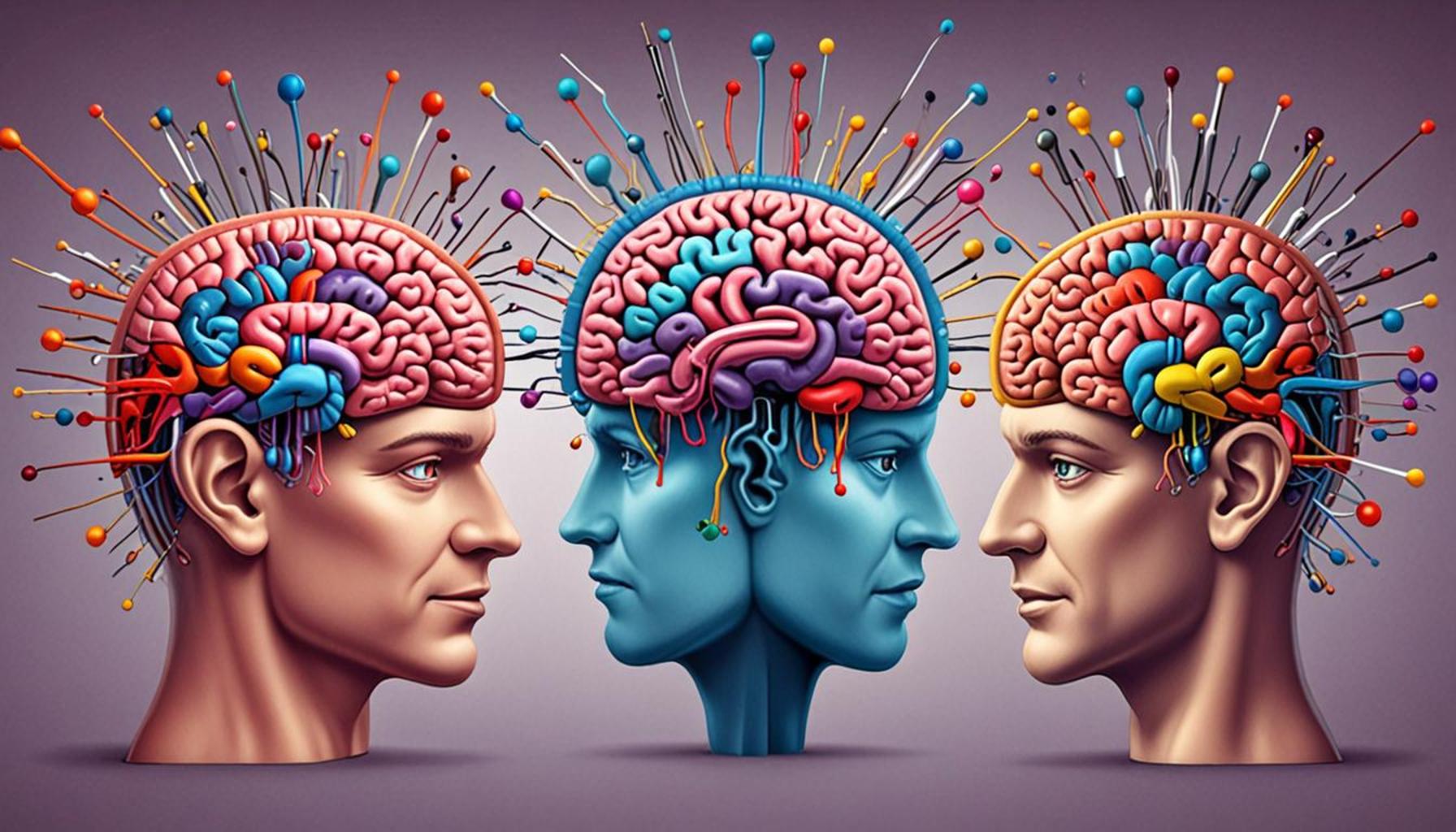
Boost Your Brain The Impact of Word Games on Mental Agility
Unleashing Cognitive Potential
Engaging in word games is more than just a pastime; it’s a dynamic way to enhance your mental agility. From crossword puzzles to Scrabble, these games offer myriad benefits that can sharpen your cognitive skills and boost brain health. In an increasingly digital age, where distractions are plentiful, word games present a unique opportunity to not only entertain oneself but also to cultivate essential mental faculties.
Why Word Games Matter
Word games are instrumental in improving various aspects of mental function. Here’s how they contribute:
- Vocabulary Expansion: Regular play introduces players to new words, enhancing their lexicon. For example, games such as Boggle or Scrabble encourage players to explore less common terms, which can lead to a richer language comprehension. This expanded vocabulary can serve practical purposes as well, aiding in clearer communication and effective writing skills.
- Cognitive Flexibility: Players learn to think quickly and adjust strategies in real-time. This is particularly evident in games like Taboo, where quick thinking is necessary to convey a concept without using certain restricted words. Such activities foster adaptability, enabling players to approach challenges outside of games with greater creativity and innovation.
- Memory Improvement: Remembering word placements and strategies can significantly strengthen memory recall. Engaging in word games like crosswords requires not only the retention of vocabulary but also the ability to recall the spelling and meanings of words under time pressure. Various studies have highlighted that seniors who regularly participate in these cognitive exercises exhibit slower rates of cognitive decline.
In the U.S., the popularity for such games is soaring, with millions turning to apps like Words With Friends or enjoying classic board games like Scrabble. The appeal of these games has spread across demographics, proving that intellectual growth can be both enjoyable and accessible. According to various research studies, routine participation in these activities can lead to notable improvements in cognitive functions, particularly as we age. The American Psychological Association has published findings suggesting that elderly individuals who regularly engage in word-based games demonstrate enhanced problem-solving abilities compared to their peers.
Reap the Rewards
Understanding the full impact of word games can inspire a lifelong habit that yields lasting benefits. Not only do they provide entertainment, but they also serve as effective tools for enhancing brain health. The social aspect of participating in word games, whether at home with family or online with global opponents, fosters connections and promotes mental well-being. Dive deeper into the world of word games and discover how they can transform your mental acuity.
For those looking to get started, consider setting aside a few hours each week to engage in word-based games, whether through mobile apps, online platforms, or traditional board games. Through consistent play, you will not only have fun but also unlock your cognitive potential in ways you may never have imagined.
SEE ALSO: Click here to read another article
Words as Mental Workout
In an era where quick thinking and mental sharpness are paramount, word games offer a compelling way to keep your brain in shape. By engaging with words, players not only have fun but also sharpen their mental faculties in numerous ways. The act of arranging letters and forming valid words taps into various cognitive skills, leading to an overall enhancement of mental agility.
Engagement and Focus
One primary benefit of word games is their ability to boost focus and concentration. As players navigate challenges presented by games such as Words With Friends or crosswords, they are required to immerse themselves fully in the task at hand. This level of engagement fosters a mental discipline that can translate into improved performance in other areas of life, such as work or study. The necessity to block out distractions while focusing on word formation can cultivate better attention skills, making it easier to tackle complex tasks outside the realm of games.
Brain Exercises for All Ages
The beauty of word games lies in their accessibility. From young children learning spelling to seniors looking to maintain cognitive health, these activities cater to all age groups. Engaging in word games regularly has been linked to several cognitive benefits:
- Enhanced Problem-Solving Skills: The strategic thinking required in these games demands that players assess options and anticipate outcomes, effectively honing problem-solving abilities.
- Critical Thinking: Players must analyze and decipher clues or word combinations to succeed, encouraging a habit of deep thinking.
- Emotional Well-Being: Beyond the cognitive benefits, the joy of playing and the interactions with opponents can boost mood and reduce feelings of isolation, particularly in a post-pandemic world where connection is more valuable than ever.
Research supports the notion that word games play a significant role in cognitive maintenance and enhancement. A study published in the journal Cognitive Science examined the effects of engaging with word puzzles on brain function, finding that those who regularly participated in such activities exhibited improved executive control and memory performance compared to non-players. This suggests that those who make word games part of their routine could experience protective effects against cognitive decline.
Social Interaction and Competition
Another appealing aspect of word games is their social component. Whether in a friendly competition with family or a strategic match with friends online, word games foster connections and encourage healthy social interaction. The thrill of competition can invigorate the mind and motivate players to raise their skill levels while forging relationships that enhance overall well-being. By sharing this experience, players not only cultivate cognitive flexibility but also create memorable moments centered around intellectual stimulation.
As you delve into the world of word games, you are not just playing; you are actively participating in a workout for your brain, one that promises benefits that extend far beyond the gaming table. The potential to boost cognitive function, enrich vocabulary, and foster social bonds makes word games a powerful tool in our quest for mental agility.
| Category | Details |
|---|---|
| Cognitive Flexibility | Engaging with word games promotes creative problem-solving and enhances adaptability in thinking styles. |
| Memory Improvement | Regular participation in games boosts short-term and long-term memory, leading to better retention of information and quicker recall. |
| Vocabulary Expansion | Playing word games introduces players to a broader lexicon, enhancing language skills and communication abilities. |
| Social Interaction | Many word games foster teamwork and competition, encouraging social skills and connectivity among players. |
Word games are more than just entertainment; they serve as a robust tool for enhancing mental acuity. Engaging in these games stimulates various cognitive functions, ultimately improving overall brain health. With numerous studies backing the positive impacts of word games on neuroplasticity, it is evident that these playful challenges can lead to significant improvements in various mental capabilities. By incorporating word games into daily routines, players can expect not only to enjoy the challenge but also to gain substantial benefits in cognitive performance and mental flexibility. Explore more about the transformative benefits of word games and discover how they can be a fun addition to your mental fitness regimen.
SEE ALSO: Click here to read another article
Unlocking Cognitive Potential
Word games have evolved remarkably, advancing from simple paper-and-pencil puzzles to engaging digital platforms. This evolution has allowed for an explosion of formats designed to appeal to diverse audiences, proving that these games are not only enjoyable but also a vital aspect of cognitive improvement and mental agility. As technology integrates deeper into our lives, word games have adjusted to meet contemporary demands, bringing cognitive training into the digital age.
The Neuroscience Behind Word Play
Research in cognitive neuroscience has shed light on how engaging with word games actively engages different brain regions. A fascinating study conducted by the University of California, Berkeley, sought to understand the impact of word puzzles on the neural pathways associated with memory and language processing. The findings indicated that consistent players of word games showed heightened activation in the left inferior frontal gyrus, a region associated with language production and cognitive operations. This suggests that regular engagement in such activities might significantly enhance language-related cognitive functions.
Boosting Vocabulary and Language Skills
Another crucial aspect of playing word games is their role in expanding one’s vocabulary. Each game serves as an opportunity to encounter new words, learn their meanings, and understand their contexts. A report by the National Literacy Trust emphasizes that playing word games can increase word knowledge, especially among children, enhancing literacy skills. By challenging players to think critically about word formations, these games stimulate a sense of curiosity towards language, paving the way for lifelong learning.
Moreover, for those learning English as a second language, word games offer a relaxed environment to practice without the pressures often associated with formal assessments. In this context, games like Scrabble and Boggle become referenced resources that build confidence and language proficiency.
Gamification of Mental Health
The gamification of mental wellness has gained traction in recent years, and word games play a vital role in this trend. Engaging in leisure activities such as word puzzles has been shown to decrease stress levels, with a study by the University of Sussex revealing that reading and engaging in word games can reduce stress by up to 68%. The calming nature of these games can create a positive mindset, allowing players to focus more clearly and experience mental clarity.
- Community and Peer Engagement: Online forums and social media platforms have created vibrant communities around word games, allowing players to share strategies and celebrate achievements.
- Educational Integration: Many educators have embraced word games as teaching tools to enhance language acquisition in the classroom, inviting students to engage with content actively.
- Accessible Fun: With countless mobile applications available, word games are easily accessible, ensuring that individuals from various socio-economic backgrounds can participate and experience their benefits.
The interconnectedness of word games with mental health, cognitive function, and social interaction underlines their importance in our lives. As we become increasingly aware of the need for continuous brain engagement, the combination of enjoyment and cognitive challenge provided by word games embodies a winning formula for mental agility. By committing time to these tasks, players are essentially investing in their brains, unlocking pathways that lead to improved memory, enhanced social connections, and a sharper overall intellect.
CHECK OUT: Click here to explore more
Embracing the Power of Word Games
In conclusion, the profound impact of word games on mental agility cannot be overstated. These engaging activities not only serve as a source of entertainment but are also instrumental in enhancing cognitive function, memory, and language skills. As explored throughout this article, word games stimulate intricate brain networks, promoting neural connections that are essential for efficient language processing and problem-solving.
The benefits extend beyond mere vocabulary expansion; they provide a significant boost to mental well-being by reducing stress and fostering a sense of community among players. With platforms embracing the essence of gamification, word games have become a vital tool for both learning and leisure. They reach diverse audiences, appealing to individuals from all walks of life, including students, language learners, and casual players seeking to improve their cognitive health.
As awareness grows about the importance of mental fitness, incorporating word games into daily routines can be a simple yet effective strategy to enhance brainpower. With studies indicating a correlation between word play and cognitive resilience, now is the time to embrace these playful challenges as part of our commitment to lifelong learning. So, challenge yourself—whether through a friendly game of Scrabble with friends or a solo session of an engaging word puzzle—and discover how boosting your brain with word games can open up new avenues of mental agility.