
The History of Logical Games: From Antiquity to the Digital Age
Discovering the Rich History of Logical Games
Logical games have captured the imagination of people across the globe for centuries. These cognitive challenges span a vast array of forms, from ancient board games to contemporary online puzzles. Importantly, they do not merely serve to entertain; they are designed to stimulate critical thinking, enhance creativity, and sharpen problem-solving skills. Delving into the origins and evolution of these games provides valuable insight into the journey of human intellectual development.
Key Milestones in the Evolution of Logical Games
- Ancient Origins: The earliest examples of logical games can be traced back to civilizations like Ancient Egypt and China. For instance, Senet, one of the oldest known board games, dates back to around 3100 BCE in Egypt, where it was played with a unique set of rules that are still debated today. Similarly, Go, originating from China over 2,500 years ago, demonstrates deep strategic thinking with its simple yet profound gameplay involving black and white stones and a 19×19 grid.
- Medieval Europe: The advent of chess in medieval Europe marked a groundbreaking transformation in the realm of logical games. Gaining popularity among nobility, chess became an intellectual battlefield, encouraging strategic thought and tactical planning. Each piece represents different capabilities, leading to endless possibilities for game play. Chess tournaments also fostered social connections and competition, establishing a blueprint for organized competitive play that continues today.
- Modern Developments: Moving into the 20th century, puzzles like Sudoku swiftly gained traction, with their simple grid format igniting interest in logical problem-solving. First introduced in the United States in the late 1970s, Sudoku became a national obsession by the 2000s, appearing regularly in newspapers and leading to numerous apps. This puzzle format not only serves as entertainment but also helps improve memory and cognitive skills, attracting players of all ages.
- Digital Revolution: In our current digital age, logical games are more accessible than ever before, thanks to the rise of mobile applications and online platforms. Games such as Lumosity and The Witness engage players in brain training and immersive environments, appealing to the minds of both casual gamers and serious puzzle enthusiasts. These platforms have allowed for endless variations of logical challenges, from classic crosswords to sophisticated escape rooms, all of which can be enjoyed at one’s convenience.
The rich tapestry of logical games illustrates their universal appeal and adaptability across cultures and eras. Importantly, as we explore this captivating history, it’s clear that these games not only mirror the intellect of societal epochs but also evolve alongside technological advancements, ensuring their relevance and enjoyment in today’s fast-paced world. Logical games will continue to adapt and grow, influencing and reflecting our collective cognitive endeavors for generations to come.
DISCOVER MORE: Click here to dive deeper
From Ancient Civilizations to the Renaissance: The Birth of Logical Games
The journey of logical games begins in ancient civilizations, where the foundations of strategic thinking and problem-solving were first laid. These games were not mere pastimes; they served as tools for education, social interaction, and even a reflection of one’s status in society. This history uncovers how different cultures contributed to the evolution of logic-based entertainment and how these games fostered mental agility over the ages.
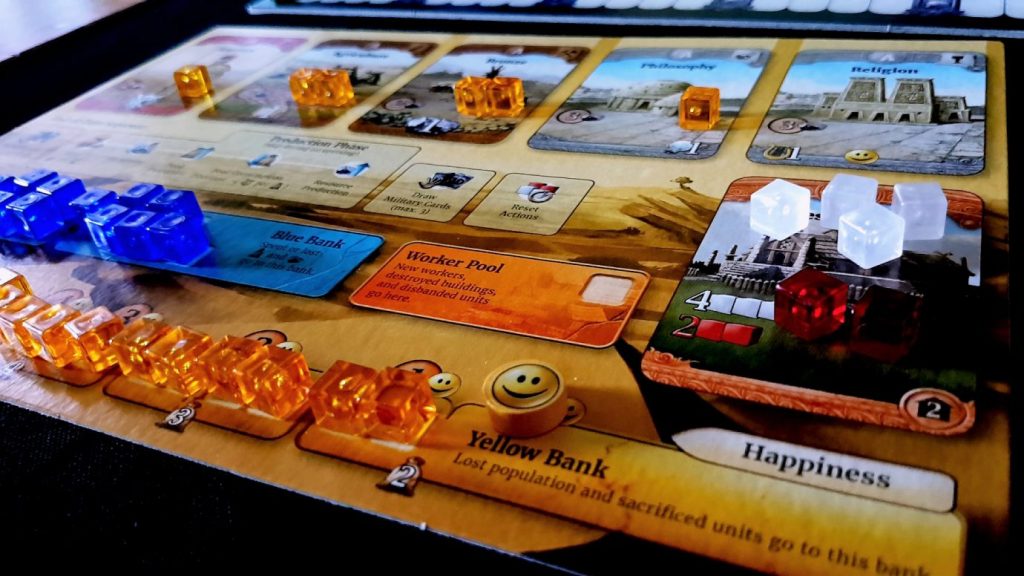
Ancient Inspirations
As we explore the earliest examples, we find artifacts from Ancient Egypt, where Senet was played, often considered one of the world’s oldest board games. Dating back to around 3100 BCE, this game involved a 30-square board and pieces that players moved based on the results of throw sticks. While the exact rules remain a mystery, parallels can be drawn to modern logic games in their emphasis on strategy and chance.
In Ancient China, the game of Go emerged approximately 2,500 years ago. Renowned for its deep tactical elements, Go consists of placing black and white stones on a gridded surface, with the objective to control territory. This ancient game not only encourages strategic planning but has been employed as a teaching tool for critical thinking throughout history. The complexity of Go, with its seemingly simple rules leading to profound strategies, reflects the intelligence and creativity inherent in logical gameplay.
The Impact of the Middle Ages
The Medieval period marked a significant turning point with the advent of chess. This game, believed to have originated from earlier Indian versions such as Chaturanga, reached Europe through trade routes. By the 15th century, chess had evolved into the format we recognize today, becoming an intellectual staple among the European elite. This period saw chess transform from a royal pastime into a widespread social phenomenon, fostering gatherings and competitions. The structured gameplay of chess, characterized by its various pieces each with unique movements, reflected strategic depth that appealed to thinkers and tacticians of the time.
During this era, logical games also began to intertwine with educational practices, serving not only as entertainment but as instruments for developing judgment, foresight, and cognitive reasoning. The rise of chess as a competitive activity laid the groundwork for many of today’s organized games, creating a blueprint that informed the structure of tournaments and competitive arenas.
Cultural Exchange and Growth
The Renaissance period further catalyzed the growth of logical games as global trade and exploration intensified cultural exchanges. The influence of various civilizations led to the adaptation and reconfiguration of many games. This era laid the groundwork for the modern logical games we enjoy today, blending diverse strategies and accessibility.
- Shahmat: An early form of chess that gained popularity in Persia before reaching Europe.
- Backgammon: Another ancient game that dates back to Mesopotamia, reflecting elements of chance and strategy similar to those in modern logical games.
- Zoological variations: Variants of board games sprung up across Europe, each promoting unique approaches to logical thinking.
Through this eclectic mix of cultural influences, logical games began to morph into complex forms, encouraging players to harness their analytical capabilities.
As we explore the evolution of logical games, it’s essential to recognize their profound influence on human cognition and culture throughout history. The origins of these games date back to ancient civilizations, where they played an essential role in education and strategy development. In ancient Egypt and Mesopotamia, games like Senet and the Royal Game of Ur not only served as leisure activities but also as platforms for social interaction and mental exercise. Fast forward to the classical era, and we encounter the Greeks and Romans, who refined logical games into more structured formats. The game of Chess, believed to have originated in India before spreading across Persia and into Europe, exemplified strategic thinking, foresight, and tactical planning. It became a mirror reflecting the complexities of war strategies and diplomacy. In the modern era, particularly during the 19th and 20th centuries, logical games began to be formalized into psychological and educational tools. The introduction of mathematical puzzles and codes added a new dimension to logical gameplay, challenging players to think critically and creatively. The inception of tabletop games and board games during this period sparked widespread interest and laid the groundwork for today’s gaming culture. Today, as we find ourselves in the digital age, logical games have transitioned into a virtual realm, embracing technology to create interactive and immersive experiences. From mobile applications to online platforms, these games have broadened their appeal, attracting a diverse audience eager to test their logical reasoning and problem-solving skills. The integration of artificial intelligence and online multiplayer options has further enriched the gaming landscape, offering players worldwide the opportunity to compete and collaborate in real-time.To take a closer look at the benefits of engaging with logical games through different eras, the following table outlines the advantages of these timeless intellectual challenges:
| Advantage | Description |
|---|---|
| Cognitive Development | Logical games enhance critical thinking and problem-solving abilities. |
| Social Interaction | These games foster teamwork and communication among players. |
| Stress Relief | Engagement in logical games provides a pleasant escape and mental challenge. |
Through an intricate tapestry of developments, logical games have remained relevant across millennia, adapting to cultural shifts and technological advancements. Each era contributes uniquely to their rich history and enduring legacy, inviting further exploration of their impact on human intellect and society.
DISCOVER MORE: Click here to learn about mind games that can help memory
Logical Games in the Modern Era: Innovation and Accessibility
As we transitioned into the modern era, particularly from the 18th century onward, the landscape of logical games evolved drastically. The rise of the printing press and advancements in technology catalyzed the creation and distribution of board games, puzzles, and card games, making them more accessible to the public. This period saw a surge in popular games that would lay the foundation for recreational and cognitive exercises enjoyed by countless individuals.
The Birth of Modern Board Games
The 19th century witnessed the introduction of games that emphasized both chance and skill, a stark departure from chess and Go, which focused mainly on strategy. The game of Monopoly, developed in the early 20th century, became an iconic representation of American capitalism. It provided players with an intricate blend of luck, negotiation, and strategic investment, thus embodying principles of logic in a familiar societal context. Monopoly’s widespread popularity underscores the importance of engaging gameplay in logical reasoning, as players must make critical decisions based on the fluctuating dynamics of the game.
Puzzles and Their Logical Appeal
The 20th century also marked the dawn of logic puzzles, notably with the creation of the Rubik’s Cube in 1974. This three-dimensional combination puzzle challenged not just children but adults as well, demanding visual-spatial reasoning and problem-solving skills. The cultural phenomenon it inspired led to competitions and communities devoted to mastering the cube, reinforcing the idea that logical games could build a sense of community while also honing one’s cognitive abilities.
The Advent of Digital Logical Games
Entering the late 20th century and the early 21st century, the arrival of computer technology brought about a seismic shift in how logical games were created and played. Video games began to flourish, with titles like StarCraft and Portal incorporating complex logic and strategy that appealed to a broad audience. These games engaged players not only through entertainment but also by encouraging critical thinking and problem-solving under time constraints.
Moreover, the emergence of mobile gaming apps has revolutionized access to logical games. Classic games like Sudoku and new brain-teasers became staples on smartphones, allowing players to challenge their minds anytime and anywhere. The accessibility of these games has significantly increased their popularity, especially among younger generations who can now compete with friends or engage in global leaderboards.
The Rise of Online Gaming Communities
The digital age has fostered vibrant online communities centered around logical games. Websites and platforms have sprung up that host tournaments, provide tutorials, and facilitate peer interactions. Chess.com and Puzzle-Chat are prime examples where players can enhance their logical skills through practice and collaboration. These platforms leverage social media, enabling enthusiasts to share strategies, discuss tactics, and celebrate victories from around the globe.
This accessibility marks a significant departure from the previous centuries when participating in such games often required dedicated spaces and face-to-face interactions. In reshaping the experience, the internet has democratized logical gaming, ensuring that the intellectual pursuit embedded in these games continues to thrive, regardless of geographical boundaries or time constraints.
As we move further into the digital age, the evolution of logical games reflects deeper cultural shifts, showcasing how they adapt and respond to societal needs and technological advancements. This ongoing transformation hints at a future where logic-based entertainment will continue to innovate, challenging and delighting generations to come.
LEARN MORE: Click here to discover the benefits of cognitive puzzles
Conclusion: The Timeless Evolution of Logical Games
The journey of logical games from antiquity to the digital age illustrates a fascinating tapestry of cultural evolution and technological advancement. Beginning with foundational strategy games like chess and Go, these pastimes have not only challenged the intellect but have also served as a reflection of the societies that embraced them. As we traversed through eras marked by innovation—from print to digital—the accessibility and design of these games have profoundly transformed, making them inclusive and engaging for a global audience.
The introduction of classic board games in the 19th century laid the groundwork for future generations, promoting skills like negotiation and investment through games like Monopoly. Meanwhile, the 20th century birthed a myriad of logic puzzles, such as the Rubik’s Cube, that not only created communities but also championed cognitive development. Digital gaming further revolutionized this landscape, integrating complex narratives and logic-based challenges that continue to captivate players.
As we venture into the future, the interplay of technology and gaming promises to push boundaries even further, with emerging platforms fostering collaboration among players worldwide. The rich history of logical games serves as a reminder of their enduring appeal and their role in shaping critical thinking skills. For those seeking intellectual stimulation and social engagement, logical games remain a dynamic avenue worth exploring, ensuring that this captivating tradition will endure for generations to come.
Related posts:
The Intersection of Logical Games and Artificial Intelligence: Algorithms that Solve Puzzles
The Impact of Logical Games on Socialization and Collaboration among Groups
Unveiling Mysteries: The Application of Logical Puzzles in Corporate Training
The Role of Logical Games in the Development of Logic and Reasoning Skills
Logical Puzzles and Mental Health: How They Can Reduce Stress and Enhance Well-Being
Logical Puzzles as Educational Tools in School Environments

Linda Carter is a writer and puzzle expert specializing in mind games, brain teasers, and cognitive challenges. With extensive experience helping individuals enhance their problem-solving skills and think critically, Linda shares her knowledge on our platform. Her goal is to empower readers with practical advice, engaging puzzles, and strategies to sharpen their minds and achieve success in the captivating world of mind games and puzzles.