The Role of Logical Games in the Development of Logic and Reasoning Skills

Understanding the Power of Logical Games
In an era where attention spans wane and distractions abound, enhancing cognitive abilities has become crucial for various populations, from schoolchildren to professionals. Logical games present an engaging method to not only entertain but also provide a significant boost to one’s logic and reasoning skills. With roots that span centuries, these games have evolved into modern formats that cater to the diverse interests and needs of contemporary audiences.
Logical games encompass a wide variety of formats—board games like chess or checkers, card games such as bridge, and even digital formats like Sudoku or online escape rooms. But what sets these games apart is their ability to foster essential cognitive skills. Here are several specific advantages:
- Critical Thinking: Engaging with logical games requires players to analyze situations thoroughly. For instance, in chess, players must constantly evaluate their positions, anticipate their opponent’s strategies, and make decisions based on patterns and evidence. This type of analytical thinking is crucial in real-life scenarios, from business negotiations to complex problem-solving in the workplace.
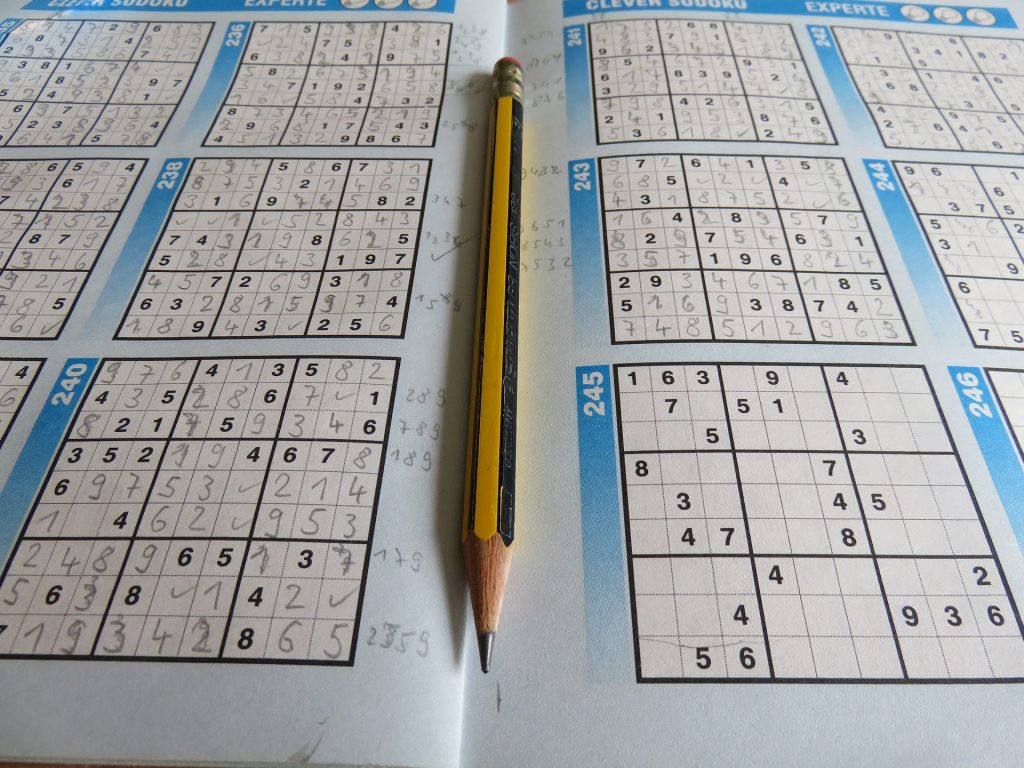
- Problem-Solving: Every challenge presented in logical games encourages players to find creative solutions. Consider the popular game of Sudoku, where players must fill a grid with numbers without repeating them in rows, columns, or boxes. This exercise in logic not only hones problem-solving skills but also enhances patience and persistence.
- Strategic Planning: Successful players learn to anticipate their opponents’ moves, fostering skills in foresight and tactical exploration. For example, the game of Settlers of Catan requires players to consider resource management and strategic positioning, teaching valuable lessons about planning and negotiation.
Beyond entertainment, studies have shown that regular engagement with logical games can lead to notable improvements in brain function for all ages. Research suggests that individuals participating in these cognitive workouts experience improvements in memory, mental agility, and overall brain health. This is especially beneficial for older adults, who may face cognitive decline; games like Scrabble encourage vocabulary expansion and mental exercise.
The wide array of logical games available today provides ample opportunities for personal and social development. Whether sitting down with friends for a night of board games, tackling a daily crossword puzzle, or engaging in online brain-training apps, there’s a world of cognitive enhancement waiting to be explored. As we peel back the layers of this captivating domain, we invite readers to discover not only the games themselves but also the psychological advantages they provide—fostering a brighter, more capable mind.
DISCOVER MORE: Click here to learn about team dynamics
Enhancing Cognitive Abilities Through Logical Games
The impact of logical games on cognitive development is profound and multifaceted. These games are not merely tools for entertainment; they serve as structured platforms where players can exercise their minds. Through various challenges, players engage in a mental workout that sharpens their reasoning skills, making logical games an essential part of intellectual enrichment.
At the core of many logical games is the principle of cause and effect. Players must grasp how their decisions influence the outcome of the game, fostering a deeper understanding of the logical sequences in both game mechanics and real-life situations. This dynamic is especially prevalent in games like chess, where each move has consequences that require a player to predict their opponent’s reactions. Such engagement not only enhances strategic thinking but also lays the groundwork for improved decision-making skills applicable in everyday life.
Moreover, the variety of logical games available today allows for tailored cognitive experiences. Here are some essential skills that players can develop through these activities:
- Analytical Skills: Many logical games, including card games like bridge or digital puzzles such as Sudoku, demand that players analyze information critically. They must assess patterns, draw conclusions, and adapt their strategies as the game evolves. This analytical practice promotes a higher level of cognitive function that translates to improved evaluation skills in real-world circumstances.
- Creative Problem-Solving: Each logical game presents unique challenges that require creative approaches to problem-solving. For example, in games like Rush Hour, players must navigate a gridlock of cars, employing innovative strategies to find a path to victory. This fosters an ability to think outside the box, which is invaluable in academic and professional settings.
- Social Interaction Skills: Many logical games are designed for multiple players, encouraging collaboration and competition. This interaction alludes to another layer of skill development: social and emotional intelligence. Players learn to negotiate, read non-verbal cues, and adapt their tactics based on opponents’ behaviors, enhancing their interpersonal skills in the process.
Evidence supporting the cognitive benefits of logical games is mounting. Research conducted by institutions like the University of California suggests that engaging with puzzles and strategic games on a regular basis can lead to enhanced executive function in children and adults alike. This supportive data points to the notion that not only do logical games build reasoning skills, but they also play a vital role in maintaining cognitive health through aging.
Furthermore, the accessibility of logical games in today’s digital landscape has broadened participation. Online platforms and mobile applications offer brain-training exercises designed to boost cognitive function. The integration of technology into traditional gameplay means that individuals can conveniently engage in mental challenges, making it easier than ever to incorporate these beneficial activities into daily life.
In essence, embracing the world of logical games provides players with not just enjoyment but also a formidable tool for cognitive enhancement, bridging the gap between leisure and meaningful growth. As we delve deeper into this topic, it becomes increasingly evident how these activities can mold analytical thinkers, innovative problem solvers, and effective communicators, qualities essential for success in any endeavor.
The Impact of Logical Games on Cognitive Development
Logical games are not just a form of entertainment; they play a pivotal role in enhancing cognitive abilities such as logic and reasoning skills. One notable aspect is their ability to cultivate critical thinking in players. When individuals engage with these games, they are often required to analyze situations, make predictions, and devise strategies, which can be beneficial in real-life scenarios. For example, strategic board games like chess or puzzles like Sudoku force players to think several steps ahead, fostering the ability to anticipate outcomes based on their decisions.
Furthermore, these games can enhance problem-solving skills among participants. By presenting challenges that must be solved logically, players learn to approach problems methodically. This is particularly important in educational settings where students face complex subjects and require innovative strategies to comprehend and solve academic challenges.
| Advantages of Logical Games | Potential Benefits |
|---|---|
| Enhanced Reasoning Skills | Players develop the ability to evaluate situations and draw conclusions efficiently. |
| Improved Problem Solving | Engagement in logical games encourages systematic approaches to tackle challenges. |
In addition, logical games significantly promote social skills among players. Many logical games require teamwork, communication, and negotiation, which are essential skills for personal and professional relationships. As players discuss strategies and collaborate to win, they enhance their ability to work with others effectively.
The alignment of logical games with both cognitive and social development underlines their importance in various contexts, making them a valuable tool not just for personal entertainment but also for educational advancements. Delving deeper into this topic reveals the various forms of logical games and their specific applications in different age groups and settings, ultimately emphasizing the impact of such games on lifelong learning and adaptability.
DISCOVER MORE: Click here to dive deeper
Fostering Critical Thinking Through Strategic Engagement
In addition to enhancing foundational cognitive abilities, logical games play a pivotal role in cultivating critical thinking skills, which are increasingly essential in today’s complex world. Unlike rote memorization or passive learning approaches, logical games engage players in an active thought process, demanding that they evaluate, synthesize, and apply information in real-time. This dynamic form of engagement drives the development of a sophisticated thought process, allowing individuals to navigate challenges both on and off the gaming board.
A key aspect of logical games is their ability to improve deductive reasoning. In games such as Clue or Logic Grid Puzzles, players must deduce the correct answers based on limited information. They learn to recognize clues, formulate hypotheses, and test their assumptions against the data presented. This form of reasoning not only sharpens their logic skills but also enhances their ability to approach problems methodically—a skill transferable to academic fields such as science, mathematics, and even the humanities.
Another significant benefit derived from logical games is their potential to boost numeracy skills. Based on mathematics, many logical games incorporate elements of strategy that require players to calculate probabilities, assess risk, and make informed decisions based on numerical outcomes. Games like Yahtzee and Monopoly exemplify how players must continuously engage with numbers to optimize their strategies. Studies suggest that regular involvement with such games can bolster mathematical understanding and performance, essential skills throughout various educational stages and professional careers.
Furthermore, the richness of logical games often opens avenues for interdisciplinary learning. For instance, games such as “Settlers of Catan” encompass not only strategic thinking but also resource management and economic principles. By engaging with these multifaceted aspects, players develop an integrated approach to learning that mirrors real-world scenarios. This cross-disciplinary skill set is highly sought after in the modern workforce, where adaptability and comprehensive understanding bring competitive advantages.
According to a study published in the Journal of Educational Psychology, students who regularly participate in logical problem-solving activities showcased greater resilience and improved academic performance compared to their peers. This finding underscores the notion that logical games are not just pastimes; they serve as powerful catalysts for academic and personal growth, enhancing abilities that are crucial for navigating the demands of contemporary society.
Moreover, the rise of online and mobile logical games has heightened accessibility, encouraging participation among a broader audience, regardless of age or background. Platforms such as Lumosity and BrainBashers offer a multitude of challenges specifically designed to enhance logical thinking and reasoning skills. These platforms often provide users with personalized feedback, allowing players to track their progress and challenge themselves at various difficulty levels. This tailored experience makes cognitive engagement not only effective but also enjoyable, seamlessly integrating it into the daily routine of users across demographics.
The impact of logical games is magnified when paired with social interaction. Multiplayer formats encourage debates and discussions on strategies, further refining critical thinking and communication skills. Research indicates that verbalizing thought processes in collaborative settings significantly enhances understanding and retention, making logical games a communal learning experience as much as it is an individual challenge. This dual-natured approach to learning allows players to interact with diverse perspectives, promoting deeper cognitive engagement and insights into human reasoning.
DIVE DEEPER: Click here to discover more
Conclusion: Embracing the Power of Logical Games
In summary, logical games serve as invaluable tools in enhancing not only reasoning and logic skills but also critical thinking and numeracy proficiency. Their unique ability to engage players in a dynamic, problem-solving environment fosters active learning, allowing individuals to cultivate a sophisticated understanding of complex concepts. Whether through deductive reasoning in classic board games or numerical assessments in strategy-based games, these activities empower players to think critically and strategically—a vital skill set in both academic and real-world contexts.
Moreover, the accessibility of online and mobile platforms has democratized the benefits of logical gameplay, inviting people of all ages to participate in cognitive development. This varied engagement not only enhances individual capabilities but also promotes collaboration and communication skills in multiplayer formats, leading to a richer understanding of differing perspectives.
As society faces increasingly intricate challenges, incorporating logical games into educational programs and daily routines may prove essential. Research highlights their capacity to boost resilience and academic performance, underscoring their role as more than mere entertainment. They are engines of growth, refining one’s ability to process information, strategize effectively, and adapt to change. By recognizing the transformative power of logical games, educators and individuals alike can embrace innovative methods to nurture the critical thinkers of tomorrow.
As we continue to explore the intersection of play and learning, engaging with logical games might just be the key to unlocking a future filled with adept problem-solvers ready to tackle the complexities of our world.
Related posts:
Logical Games as a Tool for Assessment in Selection Processes: Increasing Recruitment Effectiveness
How Logical Games Can Improve Cognitive Performance in Children and Adults
The Intersection of Logical Games and Artificial Intelligence: Algorithms that Solve Puzzles
The Influence of Logic Puzzles on Everyday Problem Solving
Unveiling Mysteries: The Application of Logical Puzzles in Corporate Training
The History of Logical Games: From Antiquity to the Digital Age

Linda Carter is a writer and puzzle expert specializing in mind games, brain teasers, and cognitive challenges. With extensive experience helping individuals enhance their problem-solving skills and think critically, Linda shares her knowledge on our platform. Her goal is to empower readers with practical advice, engaging puzzles, and strategies to sharpen their minds and achieve success in the captivating world of mind games and puzzles.