

The Benefits of Embracing Checklists and To-Do Lists for Enhanced Productivity
In a fast-paced environment filled with competing demands, maintaining a sense of order is not just advantageous; it is necessary. This is where checklists and to-do lists come into play. These tools have surged in popularity over recent years, particularly among busy professionals, students, and even parents, as they seek ways to maximize their efficiency and minimize stress.
One of the hallmark advantages of using lists is the clarity they provide. When you jot down tasks, you create a visual roadmap of what needs to be accomplished, which can alleviate the mental burden of remembering every detail. For instance, consider a college student balancing various coursework, extracurricular activities, and social outings. A well-crafted to-do list allows them to visualize their workload, thus making it easier to prioritize which assignments require immediate attention.
Moreover, this leads us to another compelling reason to utilize lists: enhanced focus. In a world rife with distractions, from smartphones to loud environments, a list can serve as a beacon that guides your attention toward what truly matters. By isolating your priorities, you are less likely to get sidetracked by less significant tasks. For example, a corporate professional might designate their top three projects for the day on their to-do list, ensuring that they channel their energy where it is most needed.
Feeling a sense of accomplishment is also a critical feature of checklists and to-do lists. There’s an undeniable satisfaction that comes from crossing off completed tasks, which can foster a positive cycle of motivation and productivity. Whether you’ve finished a presentation at work or wiped your kitchen clean, each tick mark is a mini celebration of success.
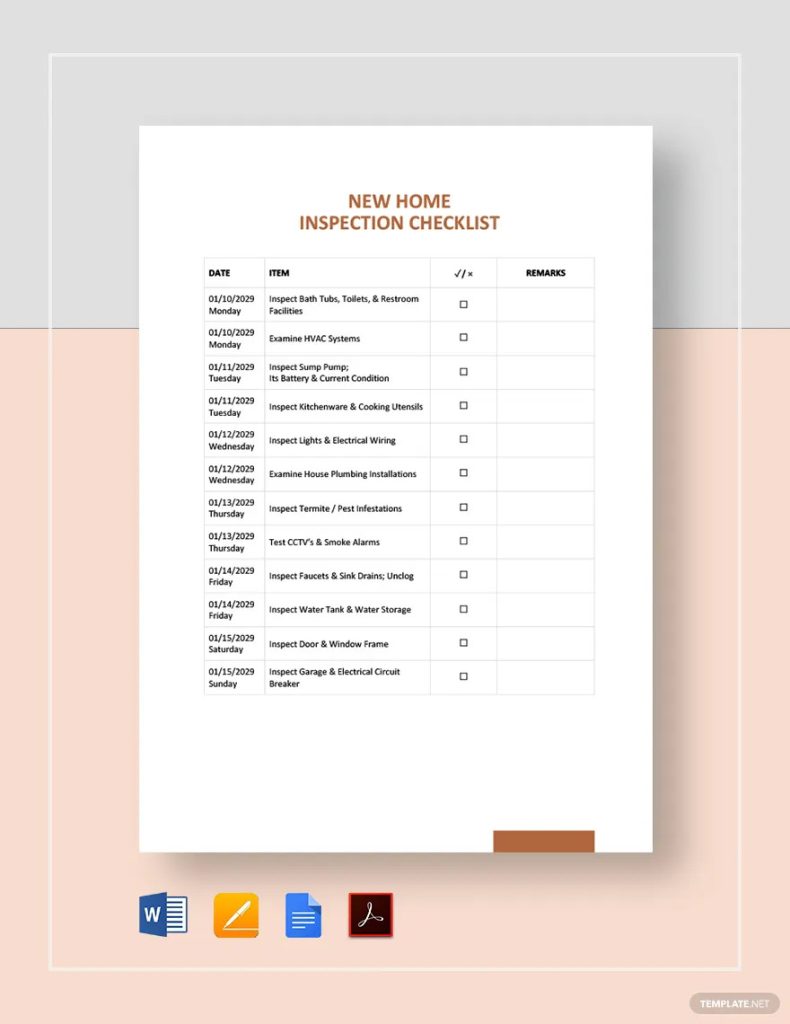
Additionally, the versatility of these tools makes them suitable for various applications in everyday life. For instance:
- Daily to-dos can help structure workdays, ensuring that you stay on track and meet deadlines.
- Grocery lists streamline shopping trips, saving time and helping to avoid impulse purchases at the store.
- Project checklists allow you to break down larger tasks into actionable steps, facilitating progress tracking and keeping teams accountable.
As you delve deeper into the world of organization through checklists and to-do lists, you will discover innovative techniques such as digital tools and apps, collaborative lists for team projects, and even customized templates designed for specific needs. These insights will equip you to redefine your personal organization strategy, paving the way toward a more productive and less chaotic existence.
Ultimately, embracing the simple act of listing can catalyze significant changes in how you approach both your personal and professional life. The journey toward greater efficiency and balance starts with a single checklist or to-do list entry.
DIVE DEEPER: Click here to unlock effective time management strategies
Unlocking the Potential of Checklists and To-Do Lists
At their core, checklists and to-do lists are more than just fleeting notes; they are powerful tools that can transform chaos into simplicity. Research shows that written lists help improve retention and enhance focus. In fact, according to a study published in the journal Applied Cognitive Psychology, people who use lists report a higher sense of control and well-being. This scientific backing reinforces what many users have instinctively felt: lists streamline our lives.
One of the key strengths of these tools lies in their ability to facilitate prioritization. Life is a continuous battle against time, and making choices about what tasks deserve our immediate attention can be daunting. A finely-tuned to-do list empowers individuals to sift through their obligations and determine what truly matters. For example, a busy parent managing work, children’s activities, and household chores can categorize tasks such as urgent school activities versus long-term goals like planning a family vacation. By distinguishing these priorities, they can allocate limited time more wisely.
Another significant benefit of checklists and to-do lists is their role in task delegation. In a collaborative environment, whether in professional settings or project-based undertakings, lists serve as an effective communication tool. They allow teams to assign responsibilities clearly and track progress transparently. For instance, when organizing a community fundraiser, a project leader can outline specific roles—such as sponsorship, marketing, and logistics—thus ensuring each member understands their contribution and timeline. This clarity not only promotes accountability but also fosters teamwork.
Moreover, the act of creating lists can serve as a cognitive exercise, promoting greater clarity of thought and reduced anxiety. In the mental clutter of everyday life, jotting down tasks helps to offload worries onto paper. This simple act can prevent an overwhelming sense of pressure that often accompanies busy schedules. A 2022 survey indicated that approximately 77% of Americans experience stress related to deadlines and task management. Utilizing lists can counteract this stress by providing a clear, organized approach to what sometimes feels like an insurmountable workload.
As you embark on your personal organization journey, consider the various types of lists available, which include:
- Project break-down lists, ideal for managing intricate tasks by dividing them into smaller, manageable components.
- Goal-setting lists that can help individuals cement their aspirations, both personal and professional, and outline steps to achieve them.
- Habit trackers that combine the elements of checklists and to-do lists, enabling users to monitor daily activities in a structured manner.
The evolution of technology has further augmented the utility of checklists and to-do lists. Digital tools and mobile apps have emerged, transforming traditional methods into dynamic systems that are syncable across devices. This convenience provides easy access and real-time updates, empowering users to adapt their plans as circumstances change. In a world where interruptions are inevitable, having an agile organizational tool can be a game changer, allowing for quick adjustments without losing sight of the end goals.
In summary, checklists and to-do lists stand as indispensable fixtures in the realm of personal organization. They do not merely help individuals manage tasks—they promote a mindset of efficiency and clarity that leads to greater accomplishments. The journey begins with the simple stroke of a pen or tap on a screen; an organized life awaits those who choose to embrace the structure that these lists offer.
| Category | Details |
|---|---|
| Time Management | Checklists and to-do lists help prioritize tasks, ensuring crucial activities are completed on time. |
| Clarity and Focus | Utilizing these tools grants clear visibility of daily objectives, enhancing focus and reducing stress. |
| Productivity | Regularly updating your lists can increase efficiency, turning chaotic tasks into manageable portions. |
| Motivation | Checking off completed tasks provides a sense of accomplishment, bolstering motivation to tackle the remainder of the list. |
In essence, embracing the power of checklists and to-do lists can fundamentally transform personal organization. These essential tools not only streamline processes but also instill a sense of ownership over one’s time and responsibilities. By fostering an environment where tasks are organized and prioritized effectively, individuals can experience a marked increase in productivity and motivation, leading to a more structured and rewarding daily routine. Whether utilized for daily chores, professional tasks, or long-term projects, these tools are indispensable for achieving a balanced life filled with purpose and accomplishment.
DISCOVER MORE: Click here to learn how to boost your productivity
The Psychological Impact of Lists: Boosting Motivation and Achieving Satisfaction
Beyond their practical applications, checklists and to-do lists have a profound psychological effect that can significantly enhance motivation and overall satisfaction. When individuals check off completed tasks, they experience a notable surge of dopamine—a neurochemical associated with pleasure and reward. This sense of accomplishment not only fosters motivation to continue working but also reinforces healthy habits. A 2021 study found that 78% of respondents who maintained and utilized lists reported heightened enthusiasm toward their daily tasks, revealing a compelling link between list-making and positive mindset.
This idea of “ticking things off” extends the motivational benefits of list-making into the long term. People who create consistently executed lists tend to cultivate a sense of control over their lives, leading to increased productivity levels. This principle is particularly significant in settings such as educational institutions or workplaces, where individuals increasingly face complex demands. A teacher balancing lesson plans, grading, and extracurricular activities can derive immense satisfaction from each task completed, thus propelling them toward achieving larger educational objectives.
Moreover, checklists can serve as reassurance—a comforting reference point amidst the busyness of life. Consider the modern professional juggling meetings, project deadlines, and personal commitments. By having a comprehensive list, they can visualize what lies ahead and combat procrastination—one of the most common challenges faced today. A 2023 survey indicated that 52% of employees feel overwhelmed by the volume of tasks, resulting in delay. Here, lists can function as a road map, guiding individuals through a labyrinth of obligations.
Interestingly, the explicitness of checklists and to-do lists allows for a more mindful approach toward personal organization. The act of breaking down tasks into specific, actionable steps can yield greater focus and effectiveness. For example, instead of merely writing “clean the house,” a more structured list might include “vacuum the living room,” “wipe kitchen counters,” and “dust shelves in the bedroom.” This level of detail enables a clear route to completion, eliminating ambiguity and enhancing productivity.
As with any tool, the effectiveness of checklists and to-do lists is partially dependent on how individuals manage them. To maximize their benefits, several strategies can be employed:
- Time blocking: Allocate specific time slots for tasks on your to-do list. This helps create a sense of urgency and a dedicated focus period.
- Daily review: Spend a few minutes each morning or evening assessing what was accomplished and adjusting tasks for the next day. This practice enhances accountability.
- Celebrate small wins: Acknowledge and reward yourself for completing tasks, no matter how small. This reinforces positive behavior and motivates further action.
The incorporation of checklists and to-do lists within one’s routine can transcend traditional organization into a lifestyle philosophy, wherein order and intention govern actions. As innovative organizational methods continue to emerge, the fundamental principles remain unchanged—the inherent power of lists in presenting clarity and fostering achievement is universal.
Engaging deeply with tasks through targeted checklists can simultaneously nurture self-discipline and flexibility—a unique balance necessary in today’s evolving world. While they provide tangible benefits in personal organization, checklists and to-do lists also nurture our mental landscape, leading to a holistic approach that includes emotional and psychological well-being.
DISCOVER MORE: Click here to learn how to enhance your project planning
Conclusion: Embracing the Power of Lists for a Balanced Life
In a world driven by constant demands and distractions, checklists and to-do lists emerge as indispensable tools that empower individuals to take charge of their personal organization. These lists not only streamline daily responsibilities but also offer a profound psychological boost, enhancing motivation and fostering a sense of achievement. The simple act of crossing off items on a list releases dopamine, creating a rewarding cycle that encourages further productivity and a positive mindset.
As highlighted, the effectiveness of these tools is rooted in their ability to provide structure and clarity. By breaking down larger tasks into manageable, actionable steps, individuals can navigate complexities with greater ease. Moreover, incorporating strategies such as time blocking and daily review can further amplify the impact of checklists, transforming organization from a mundane task into a productive habit.
Ultimately, embracing checklists and to-do lists can ignite a lifestyle where intention and focus lead the way. As today’s fast-paced environment continues to evolve, maintaining a sense of control becomes paramount. Whether in the workplace, at home, or pursuing personal goals, these organizational tactics offer a roadmap to success while nurturing emotional and psychological well-being. The transition toward list-making is not merely a trend; it is a profound shift towards cultivating order, achieving aspirations, and enriching our lives with a sense of purpose. As you explore the myriad possibilities that come with effective personal organization, consider embedding these powerful tools within your daily routine and experience the transformative journey they promise.
Related posts:
Demystifying the Pomodoro: How Time Blocking Can Revolutionize Your Project Planning
Prioritization Methods: Comparing the Eisenhower Matrix and ABC Method
The Art of Saying No: How to Prioritize Tasks to Increase Productivity
The Impact of Technology on Task Prioritization: Tools and Apps that Help
The Psychology Behind Task Prioritization: How Our Emotions Influence Our Decisions
Building Productive Rituals: How Task Lists and Getting Used to Tracking Progress Can Increase Your ...

Beatriz Johnson is a seasoned productivity strategist and writer with a passion for simplifying the complexities of time management and personal organization. With over a decade of experience in efficiency optimization, she specializes in topics like workflow design, habit formation, and productivity systems for modern professionals. Through her work, Beatriz empowers readers to take control of their schedules, eliminate overwhelm, and stay ahead in today’s fast-paced world.