

Understanding the Power of Checklists and To-Do Lists
In a world overflowing with information and distractions, organizing our tasks is more important than ever. Checklists and to-do lists are not merely items to cross off; they are strategic tools designed to enhance one’s productivity and efficiency. By implementing these frameworks, individuals can navigate their daily responsibilities with greater ease and intention.
One of the primary advantages of using checklists is their ability to provide clarity. When tasks are written down, they become tangible, transforming vague ambitions into concrete objectives. This can range from creating a grocery list for a busy week to outlining the steps involved in launching a new project at work. When everything is laid out clearly, it reduces the cognitive load and allows individuals to focus their mental energy on execution rather than remembering what they need to do.
Additionally, checklists foster a sense of focus. By prioritizing tasks according to urgency and importance, users can make informed decisions about where to direct their efforts first. Tools like the Eisenhower Matrix can be especially effective in this regard, helping individuals categorize tasks by their urgency and significance. For example, a marketing manager may prioritize urgent tasks like responding to client emails over less immediate ones such as scheduling future meetings.
Moreover, checklists inherently promote accountability. When progress is tracked, it compels individuals to take responsibility for their actions. A classic example is the use of weekly check-in meetings within teams, where members use project management tools to update their completed tasks. This transparency not only enhances team collaboration but also establishes a culture of accountability where everyone stays engaged and motivated.
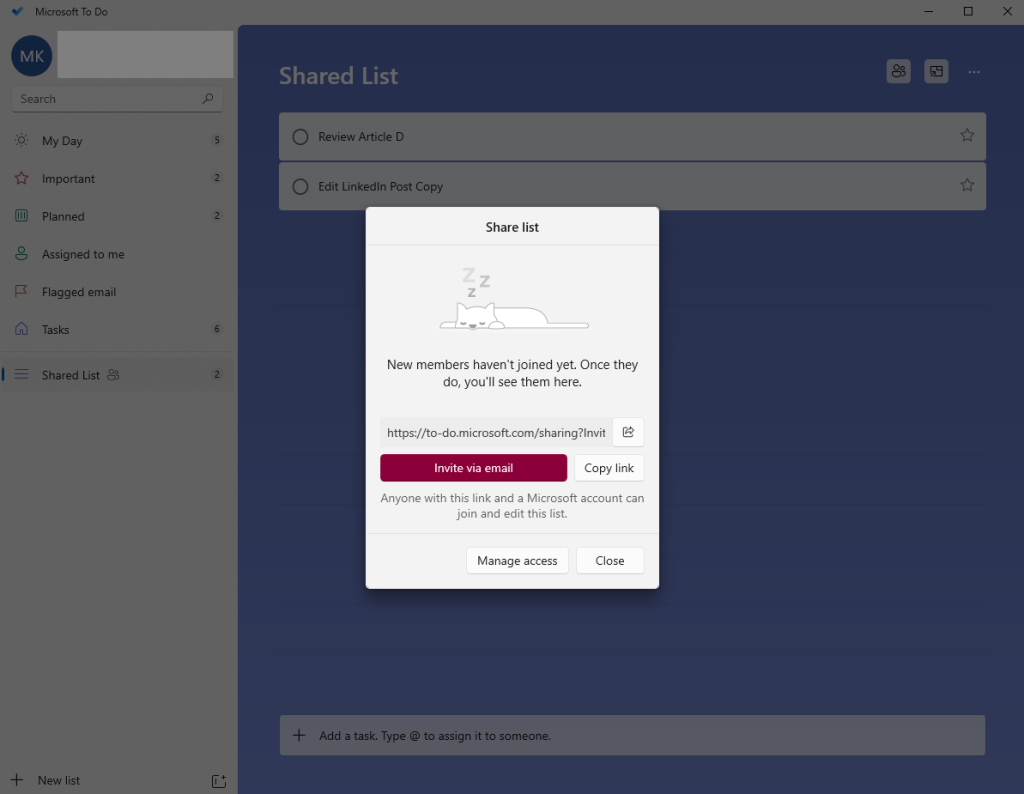
The importance of checklists is corroborated by research, including findings from the Dominican University of California, which suggest that writing down goals significantly improves the likelihood of achieving them. This phenomenon can also be observed in various scenarios, such as athletes who use performance checklists to refine their routines before competitions, ensuring no detail is overlooked.
What makes checklists particularly appealing is their versatility. They can be adapted to fit an array of contexts, enhancing life’s various facets:
- Personal Life: Utilizing checklists for daily routines, grocery shopping, or even meal planning aids in creating structure in one’s day-to-day activities.
- Workplace: In corporate environments, teams often rely on milestone checklists to track project timelines and assign tasks, ensuring all aspects of a project are addressed systematically.
- Education: Students benefit from using checklists to organize their study schedules and keep track of assignment deadlines, ensuring they remain on top of their academic responsibilities.
In conclusion, checklists and to-do lists are invaluable tools that can optimize productivity across various aspects of life. As we explore different techniques and resources for utilizing these tools effectively, remember that the true potential lies not only in the act of listing tasks but in the subsequent execution that follows. Whether you seek to enhance personal effectiveness, team collaboration, or academic performance, embracing checklists can lead to noticeable improvements in productivity and goal achievement.
DISCOVER MORE: Click here for insights on optimizing your work routine
Unlocking the Potential of Checklists and To-Do Lists
Checklists and to-do lists are more than simple reminders; they serve as powerful frameworks for effective task tracking and management. In an age where multitasking is the norm, the value of these tools cannot be overstated. They help streamline our daily activities, from professional obligations to personal errands, holding the promise of better organization and focus. By understanding how to leverage this potential, individuals can transform their chaotic schedules into structured plans, leading to improved outcomes in various aspects of life.
At the core of their efficacy is the concept of incremental progress. Checklists offer a visual representation of tasks, enabling users to see what has been completed and what remains. The act of checking off completed items provides a sense of accomplishment, reinforcing positive behavior and encouraging continued progress. According to a study published in the Journal of Applied Psychology, individuals are more likely to complete a task when they can track their progress through a list. This phenomenon, often referred to as the “Zeigarnik Effect,” highlights our tendency to remember incomplete tasks more vividly than those we’ve finished, thus reinforcing the merits of keeping track.
Moreover, checklists promote effective time management. By breaking down larger tasks into smaller, manageable steps, they allow for better planning and execution. For instance, a typical work project can be divided into tasks such as “research,” “draft outline,” and “finalize presentation,” making it less daunting and more achievable. This method of segmentation minimizes procrastination and provides clarity on what needs to be done, especially for complex endeavors. In fact, professionals often utilize project management software that integrates checklist functionality to monitor timelines and ensure nothing slips through the cracks.
Furthermore, the psychological impact of checklists enhances motivation. The simple act of checking off items not only provides visual confirmation of progress but also triggers the brain’s reward system. This sense of achievement can mitigate feelings of stress or overwhelm, creating a more positive and productive mindset. In a survey conducted by the productivity tool company Todoist, nearly 90% of users reported feeling more accomplished after using to-do lists, underscoring the intrinsic motivation spurred by task tracking methods.
The usefulness of checklists extends into many areas, reflecting their versatility:
- Home Management: Organizing household chores, planning vacations, or packing for trips can be streamlined with checklists that ensure nothing is overlooked.
- Health and Wellness: Fitness enthusiasts are known to use checklists to track workout routines or meal prep, providing structure that aids in achieving health goals.
- Event Planning: Organizing events—be it a birthday party or a corporate conference—benefits from checklists that segregate sections like guest lists, catering, and venue arrangements, preventing last-minute chaos.
In essence, embracing the power of checklists and to-do lists not only enhances personal efficiency but also cultivates a routine of systematic task completion. As we delve deeper into effective strategies for utilizing these tools, it’s vital to recognize that their true value lies in transforming abstract intentions into achievable action plans, fostering both goal clarity and fulfillment in our endeavors.
The Significance of Checklists and To-Do Lists
Checklists and to-do lists serve as invaluable tools for effective task tracking, enabling individuals to organize their duties systematically. The act of jotting down tasks not only aids memory retention but also provides a tangible sense of achievement as items are crossed off. This simple yet powerful strategy fosters improved motivation and focus.Moreover, utilizing a checklist provides a clear visual representation of what needs to be accomplished. This is particularly beneficial for complex projects where various tasks might otherwise feel overwhelming. By breaking down larger goals into manageable actions, users can effectively reduce feelings of anxiety and enhance clarity.In the realm of productivity, the familiarity of checklists instills a habit of consistency. Individuals often find that maintaining a daily or weekly list allows them to track their progress better and identify potential areas for improvement. Such a structured approach not only aligns tasks with daily priorities but also ensures that essential actions are not overlooked, leading to increased overall efficiency.To further explore the benefits of using checklists and to-do lists, consider a variety of contexts in which they excel: from personal errands to professional project management. In a world characterized by multi-tasking and distractions, harnessing the power of simple lists can significantly streamline efforts toward achieving set objectives.
| Advantages | Key Benefits |
|---|---|
| Enhanced Focus | Allows prioritization of tasks, leading to improved concentration. |
| Reduced Anxiety | Breaking tasks into smaller items makes them feel more achievable. |
By recognizing these advantages, individuals can cultivate effective habits that promote not only personal productivity but also team collaboration in workplace settings. The power of checklists and to-do lists is undeniable; they are critical allies in the quest for organization and efficiency.
DISCOVER MORE: Click here to unlock your productivity potential
Enhancing Productivity Through Smart Checklist Strategies
As we dive deeper into the transformative role of checklists and to-do lists, it becomes evident that the real power lies not just in their existence but in how they are crafted and utilized. Understanding the nuances of effective checklist design can elevate their impact from mere lists to essential tools for productivity. To fully harness this potential, several strategic approaches can be adopted.
Prioritization is a critical component of an effective checklist. When tasks are listed without discernible priority, the risk of feeling overwhelmed increases. Implementing a system such as the Eisenhower Matrix can provide clarity. This method categorizes tasks into four quadrants based on urgency and importance—allowing users to focus on high-impact activities first. By highlighting essential tasks, individuals can allocate their time more efficiently, ensuring that important projects receive the attention they deserve.
Another powerful technique involves employing the SMART criteria—Specific, Measurable, Achievable, Relevant, and Time-bound—when drafting checklist items. For instance, instead of writing vague tasks like “work on report,” users can refine it to “draft the introduction of the quarterly report by Friday.” This specificity not only clarifies expectations but also establishes a deadline, instilling a sense of urgency that can further motivate completion.
The integration of technology with checklists enhances their efficacy significantly. Numerous applications and digital tools, such as Trello, Asana, and Todoist, allow users to create dynamic, interactive to-do lists that can sync across multiple devices. This functionality enables tracking progress in real-time and fosters collaboration among teams. For example, in a corporate setting, team members can assign tasks, set deadlines, and monitor completion rates, paving the way for streamlined communication and project advancement.
Furthermore, incorporating reminders and notifications into checklist applications can serve as a gentle nudge toward task completion. Research indicates that regular reminders can improve task performance by more than 20%. Whether through smartphone alerts or email notifications, these reminders not only keep individuals accountable but also reduce the likelihood of tasks falling through the cracks amidst a busy schedule.
Cultivating a routine around checklists enhances their effectiveness. For instance, dedicating the first ten minutes of each day to review and update a to-do list helps set the tone for productivity. This simple practice not only ensures that the upcoming tasks are fresh in mind but also allows for adjustments based on shifting priorities or new responsibilities. Regular reflection on completed tasks can also foster a greater sense of purpose and progress throughout the day.
Finally, self-awareness plays a crucial role in the use of checklists. Understanding one’s peak productivity hours can inform when to tackle the most challenging tasks. Some individuals may find they perform best early in the morning, while others thrive after lunch. Tailoring task assignments to align with personal energy levels ultimately enhances focus and efficiency.
The journey towards effective task tracking through checklists and to-do lists goes beyond simple lists of activities. It is about adopting strategic methods that personalize task management, ultimately leading to a more organized and productive life. As we continue to explore these tools, it’s imperative to recognize that their effectiveness hinges upon thoughtful design, prioritization, and a tailored approach that adjusts to individual needs and contexts.
DIVE DEEPER: Click here to discover effective organization strategies
Conclusion: Unlocking the Full Potential of Task Management
In our fast-paced world, the art of effective task tracking has never been more essential, and checklists and to-do lists stand out as powerful allies in this endeavor. As we have explored, their significance extends beyond mere organization; they are pivotal in enhancing productivity and efficiency when applied with intention. By employing strategies such as prioritization through frameworks like the Eisenhower Matrix and adhering to the SMART criteria, individuals can transform nebulous tasks into actionable steps that drive progress.
Moreover, the integration of technology amplifies the benefits of these tools, turning static lists into dynamic platforms that foster collaboration and real-time progress tracking among teams. For many, setting reminders not only ensures accountability but also serves as a powerful motivator, making the daunting task load feel more manageable. Creating a routine around reviewing checklists can help set a productive tone for each day, while understanding personal productivity peaks further enhances task efficiency.
Ultimately, the power of checklists and to-do lists lies in their adaptability and the personalized approaches that individuals can take to manage their responsibilities. As readers reflect on their own task management styles, embracing these insights can lead to a more structured, purposeful, and fulfilling daily experience. In a society where distractions abound, let us recognize the simple yet profound impact that well-crafted checklists can have—transforming chaos into clarity and ambition into achievement.
Related posts:
Deep Work and the Pomodoro Technique: Unleashing Focused Productivity in a Distracted World
Self-Discipline Strategies: How Habit Building Can Improve Your Time Management
Transformative Routines: The Importance of Project Planning and Task Tracking
Project Planning Made Easy: Integrating Task Tracking with the Getting Things Done (GTD) Method
Streamlining Your Workflow: The Role of Checklists and To-Do Lists in Effective Project Planning
Weekly Planning: How to Structure Your Days to Maximize Results

Beatriz Johnson is a seasoned productivity strategist and writer with a passion for simplifying the complexities of time management and personal organization. With over a decade of experience in efficiency optimization, she specializes in topics like workflow design, habit formation, and productivity systems for modern professionals. Through her work, Beatriz empowers readers to take control of their schedules, eliminate overwhelm, and stay ahead in today’s fast-paced world.