How Mind Games Can Combat Age-Related Memory Decline
Understanding Age-Related Memory Decline
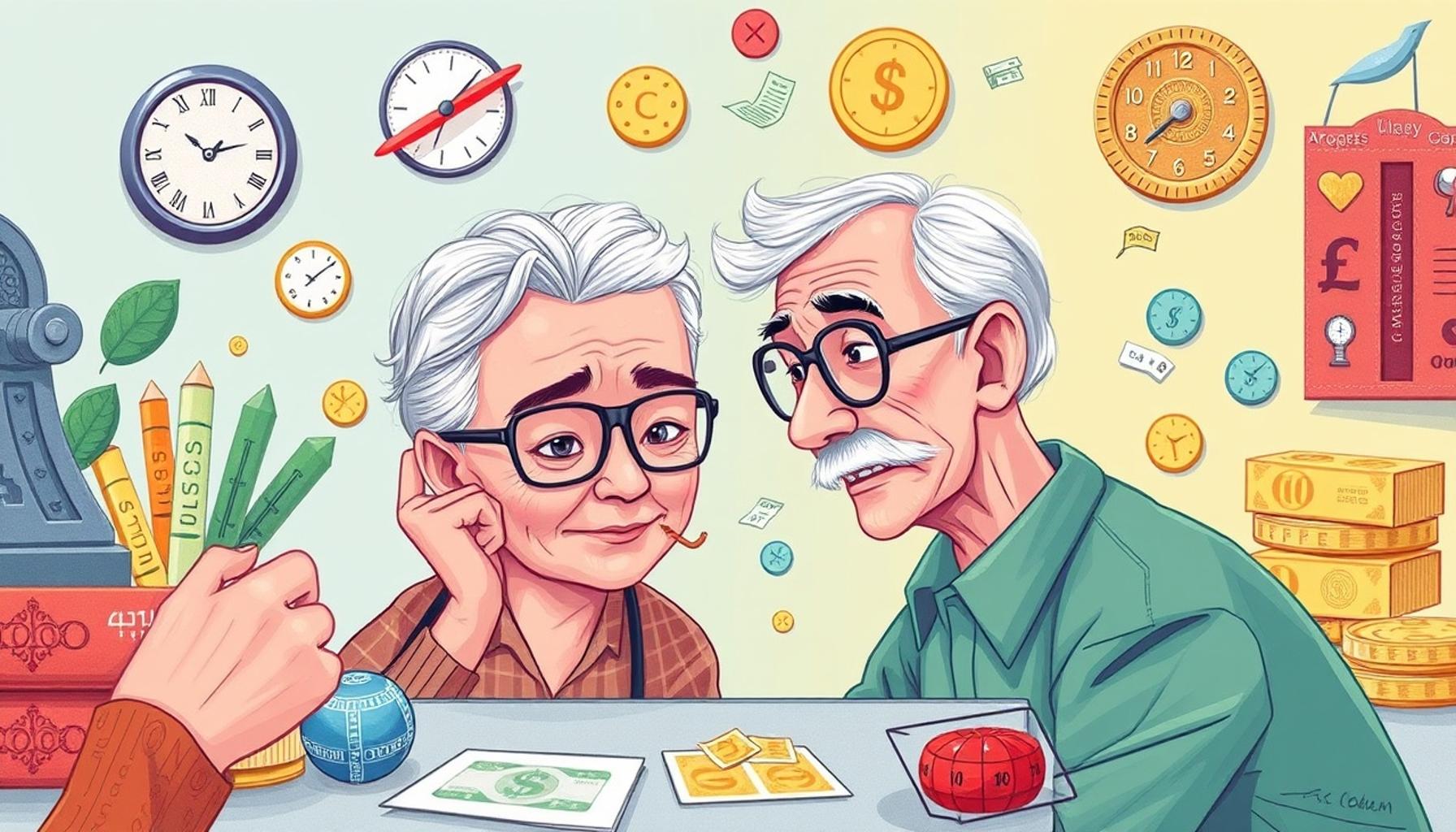
As individuals grow older, they often face various challenges associated with age, one of which is the decline in memory and cognitive function. This natural progression can manifest in numerous ways, from difficulty recalling names and events to trouble concentrating on tasks or remembering appointments. Such cognitive decline not only hampers daily living but can also diminish overall life satisfaction, leading to feelings of frustration or isolation.
Fortunately, emerging research has identified effective strategies to help mitigate these effects. Engaging in mind games presents an exciting avenue for maintaining and enhancing cognitive vitality. These activities, often enjoyed in a playful context, serve to not only challenge the brain but also provide a sense of achievement that can inspire individuals to persevere.
Types of Engaging Mind Games
Incorporating diverse mind games into your routine can yield profound benefits. Here are some popular options:
- Crossword puzzles: These word-based challenges improve verbal skills and enhance problem-solving abilities. Solving crosswords requires recalling words and facts, which is an exercise for the brain that can improve vocabulary over time.
- Sudoku: This number-placement game is cherished for its ability to sharpen logical thinking and concentration. Each puzzle presents a unique challenge, requiring players to think critically and plan ahead, engaging different areas of the brain.
- Memory games: Simple yet effective, these games often involve matching pairs or recalling sequences, which enhance recall abilities and attention to detail. Such activities force the brain to navigate through memory pathways, thereby reinforcing neuronal connections.
- Board games: Many traditional and modern board games promote social interaction, strategic thinking, and even teamwork. Games like chess or Settlers of Catan encourage players to think several steps ahead while providing a social outlet that is essential for mental well-being.
Broader Benefits of Mind Games
Engaging in these mental exercises extends far beyond mere memory enhancement. Research has shown that regularly playing mind games can lead to:
- Reduced stress levels: The focus required to engage in these activities can act as a form of mindfulness, lowering anxiety and stress.
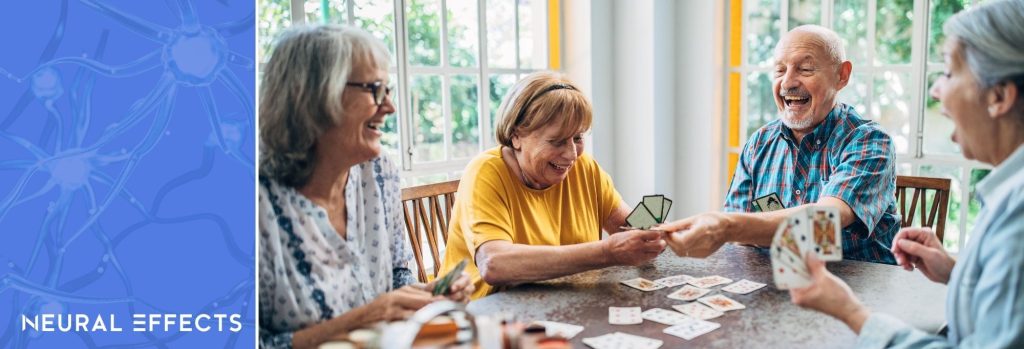
- Encouraged social engagement: Many mind games can be played with friends or family, fostering connections and reducing feelings of loneliness, which is vital as individuals age.
- Improved mood and emotional well-being: The joy derived from completing a challenging puzzle or winning a game can uplift spirits and enhance overall emotional health.
The compelling evidence highlights that intertwining enjoyable mental exercises within daily life not only combats the cognitive impairments associated with aging, but also enriches one’s emotional landscape. As we proceed, we will explore further the diversity of mind games available today and offer practical tips on seamlessly integrating these activities into an everyday lifestyle. Join us in this journey to uncover how mundane actions can wield significant power over enhancing memory and mental flexibility as we gracefully navigate the aging process.
DISCOVER MORE: Click here to delve into the evolution of mind games
The Science Behind Mind Games and Memory Enhancement
The human brain possesses remarkable plasticity, which is the ability to adapt and evolve throughout one’s life. This adaptability allows for the potential improvement of cognitive functions, even in the face of age-related memory decline. According to research, engaging in regular mental exercises can stimulate the brain’s neuroplasticity, thereby creating new neural pathways that support improved memory and cognitive health.
Studies have suggested that the act of focusing on mental challenges, such as those presented by mind games, can enhance the brain’s performance significantly. For example, a key study published in the journal Psychological Science found that older adults who engaged in cognitive training exercises experienced measurable gains in their cognitive acuity, translating into enhanced memory function and processing speed. These exercises are not only beneficial for recall but can also improve overall cognitive flexibility, allowing individuals to adapt more seamlessly to new situations.
Furthermore, the type of mind games that stimulate memory often require a player to engage in strategic thinking, problem-solving, and planning, thereby pushing cognitive boundaries. The following aspects play a vital role in the efficacy of mind games in combating age-related memory decline:
- Active Engagement: Mind games require active participation, which means users must think critically and focus their attention. This state of engagement combats mental stagnation and keeps the brain actively functioning.
- Repetition and Practice: Like physical muscles, the brain strengthens its networks through repetitive use. Regular engagement with mind games allows for frequent practice of cognitive functions, reinforcing memory circuits and improving retention capabilities.
- Variety and Challenge: Different types of mind games can target various cognitive skills. Engaging with a range of games—from word puzzles to logic challenges—ensures that the brain remains stimulated and is not limited to repetitive patterns that may lead to cognitive decline.
As we delve deeper into the world of mind games, it is essential to highlight not just their cognitive benefits but also the social and emotional advantages they bring. Participating in these games often creates opportunities for collaboration and competition, fostering interactions that enhance emotional health. For instance, group activities or partner-based games can spark conversations, laughter, and camaraderie, which are key to a fulfilling aging experience.
The intersection of mental exercise, social interaction, and emotional health plays a multifaceted role in how seniors can strengthen their cognitive abilities. As the upcoming sections will reveal, choosing the right mind games tailored to personal interests can effectively combat memory decline and promote a vibrant quality of life during the golden years.
Understanding Mind Games
As we age, our cognitive abilities can begin to decline; however, engaging in mind games is a proven method to stimulate mental function and combat this decline. These activities, ranging from puzzles and memory games to strategic board games, not only serve as entertainment but also challenge the brain in constructive ways. By compelling individuals to recall information and make decisions, mind games help maintain and even improve memory, attention, and problem-solving skills.
Different Types of Mind Games
There are various types of mind games that can be particularly beneficial for older adults. For instance, crossword puzzles and Sudoku enhance vocabulary and numerical skills, while memory card games can improve recall. Recent studies suggest that regular engagement in these activities can lead to measurable improvements in cognitive resilience. Additionally, interactive digital games designed for brain training offer tailored exercises that adapt to individual skill levels, fostering an environment conducive to learning.
Social Interaction and Cognitive Health
Engaging in mind games also provides a unique opportunity for social interaction. Whether played with family, friends, or in community settings, these activities can enhance social bonding and reduce feelings of isolation, which is often a concern for older adults. This combination of cognitive challenge and social engagement proves to be highly beneficial for mental wellbeing, as it creates a supportive atmosphere that encourages participation and continued learning.
| Category 1 | Category 2 |
|---|---|
| Types of Mind Games | Crossword puzzles, Sudoku, memory card games |
| Cognitive Enhancements | Improves memory, enhances problem-solving, fosters resilience |
Research-Backed Benefits
Research supports the idea that participatory mental exercises can stave off cognitive decline and even promote neuroplasticity—the brain’s ability to reorganize itself. Scientific studies indicate that individuals who regularly engage in mind-stimulating activities have a lower risk of developing debilitating conditions like Alzheimer’s disease and other forms of dementia. By incorporating mind games into daily routines, individuals can enhance their cognitive longevity while making the process enjoyable.
DIVE DEEPER: Click here to explore the evolution of mind games
Choosing the Right Mind Games for Cognitive Health
The effectiveness of mind games in mitigating age-related memory decline significantly hinges on the selection of appropriate activities. With a plethora of options available, it is crucial to identify games that not only challenge the mind but also align with individual preferences and interests. Customizing the mental workout can maximize engagement, ensuring that older adults remain motivated and enjoy the process of cognitive enhancement.
Popular categories of mind games include puzzles, strategy games, word games, and memory challenges. Each category offers unique benefits to cognitive health:
- Puzzles: Jigsaw puzzles and sudoku encourage spatial reasoning and logical thinking. A study published in the Journal of Cognitive Psychology noted that individuals who regularly engaged in such activities displayed substantial improvements in visuospatial recall—an essential function as we age.
- Strategy Games: Board games like chess and checkers require players to think strategically and plan ahead. These games not only elevate cognitive engagement but also enhance critical skills such as foresight and adaptability, which can be invaluable in daily decision-making.
- Word Games: Activities such as crosswords and Scrabble are especially effective in enhancing verbal memory and language skills. Engaging with words can stimulate various cognitive areas, and research indicates that this activity is directly correlated with improved verbal fluency in older adults.
- Memory Challenges: Games like memory matching cards create opportunities for practicing recall, honing attention to detail, and improving the ability to remember faces and names—skills that often decline with age.
Moreover, digital platforms have made mind games more accessible than ever. Applications and websites dedicated to cognitive training offer tailored programs that adapt as users improve, ensuring an ongoing challenge. Programs like Lumosity and Brain Age are designed to engage users with activities that have been scientifically validated to boost memory and processing speed, serving as a modern tool against cognitive decline.
The Role of Consistency in Cognitive Training
While the type of game is undoubtedly important, consistency in engaging with these activities is key to reaping cognitive benefits. Studies suggest that just as physical exercise requires regularity to produce results, so too does mental conditioning. Setting aside dedicated time each day for mental workouts can establish a routine that not only combats memory decline but also promotes overall brain health.
Research published in the journal Neuropsychological Research found that individuals who consistently engaged in mind games demonstrated a significant decrease in cognitive deterioration compared to those who did not. This frequency of engagement encourages continuous growth and adaptation of the brain’s neural networks.
Integrating game nights with family or friends can further enhance the experience. Not only does this foster a sense of community, but social interactions also improve mood and emotional well-being, offering a comprehensive approach to combating memory decline. Game nights become more than just a pastime; they transform into a cognitive training regimen, bringing together mental exercise and social engagement.
In conclusion, the strategic selection and consistent practice of mind games have the potential to greatly impact cognitive health in aging adults. As one delves deeper into the realm of mental exercise, the multifaceted benefits of these activities will undoubtedly become clear. By choosing the right games and committing to them, individuals have an opportunity to enhance their memory and cognitive resilience, enriching their experience in the later stages of life.
DIVE DEEPER: Click here to uncover the benefits
Conclusion: Embracing Mind Games for Enhanced Cognitive Longevity
In the quest to combat age-related memory decline, the integration of mind games emerges as a powerful ally. The evidence supporting their efficacy is compelling, demonstrating that engaging in mental activities can significantly bolster cognitive health and counteract the natural deterioration associated with aging. Not only do these games provide stimulating exercise for the brain, but they also promote emotional well-being through social interaction when enjoyed with friends or family.
The journey to cognitive resilience begins with thoughtful selection of games that align with individual interests, as enjoyment is pivotal in sustaining motivation. Whether it’s tackling puzzles, strategizing over chess, or diving into word challenges, the choice of activity should be as personalized as it is purposeful. Furthermore, embracing consistency in engaging with these exercises is crucial – just as we prioritize physical activity for our bodies, our minds equally require dedication and routine to thrive.
As technology advances, digital platforms provide accessible avenues for cognitive training, allowing individuals to monitor progress and adapt challenges to their growing capabilities. By blending traditional gaming with innovative digital resources, older adults can create a comprehensive suite of brain-boosting activities tailored to their needs.
Ultimately, by incorporating mind games into daily life, individuals can not only enhance their memory and cognitive abilities but also enrich their overall life experience in the later stages. As we invest time in nurturing our minds, we open doors to a fulfilling and dynamic aging process, paving the way for long-lasting vitality and mental sharpness. Embrace the challenge – your brain will thank you for it.
Related posts:
The Science Behind Memory Boosters in Mind Games
The Benefits of Team-Based Mind Games for Memory Enhancement
How Memory Games Can Foster Social Connections and Cognitive Skills
How Sudoku and Crosswords Stimulate Memory Function
Top 10 Puzzles to Enhance Your Memory Skills
The Influence of Color and Design in Memory-Enhancing Puzzles

Linda Carter is a writer and puzzle expert specializing in mind games, brain teasers, and cognitive challenges. With extensive experience helping individuals enhance their problem-solving skills and think critically, Linda shares her knowledge on our platform. Her goal is to empower readers with practical advice, engaging puzzles, and strategies to sharpen their minds and achieve success in the captivating world of mind games and puzzles.