

Unlocking Your Productivity Potential
In today’s fast-paced world, managing time effectively is a crucial skill that can define success. With countless tasks vying for our attention, the ability to prioritize becomes essential. Integrating checklists and routines not only streamlines our focus but also enhances our productivity levels. These tools serve as anchors in our daily routines, helping us navigate through the distractions that can derail even the best-laid plans.
Consider these key benefits of prioritizing tasks:
- Clarity: A well-structured list clarifies which tasks need immediate attention. For instance, a project at work may have multiple facets, from research to presentation. By outlining what needs to be done first, you can focus your energies where they will yield the most results.
- Focus: Routines help maintain concentration on what’s most important. A study from the Dominican University of California demonstrated that individuals who regularly set goals, create plans, and maintain a routine are significantly more productive. Establishing set hours for specific tasks can enhance this focus, minimizing distractions and promoting a flow state.
- Efficiency: Checklists allow for quick tracking of progress and completion. Visualizing tasks as you check them off provides a sense of accomplishment and motivates continued productivity. For example, using a digital tool like Trello or a simple paper checklist can turn overwhelming assignments into manageable pieces, enhancing overall efficiency.
By creating a systematic approach, you can transform your working habits. Prioritization techniques can be customized to fit individual needs, making them accessible for everyone. From busy professionals balancing multiple deadlines to students managing coursework and extracurricular activities, each person can harness the power of effective planning.
Want to explore practical methods? Dive into the world of productivity tools that elevate your task management experience. Techniques such as the Eisenhower Matrix—which helps categorize tasks based on urgency and importance—and the Pomodoro Technique, which encourages focused work sessions followed by short breaks, can serve as excellent starting points. These methodologies not only promote productivity but also help in managing stress by breaking work into manageable chunks.
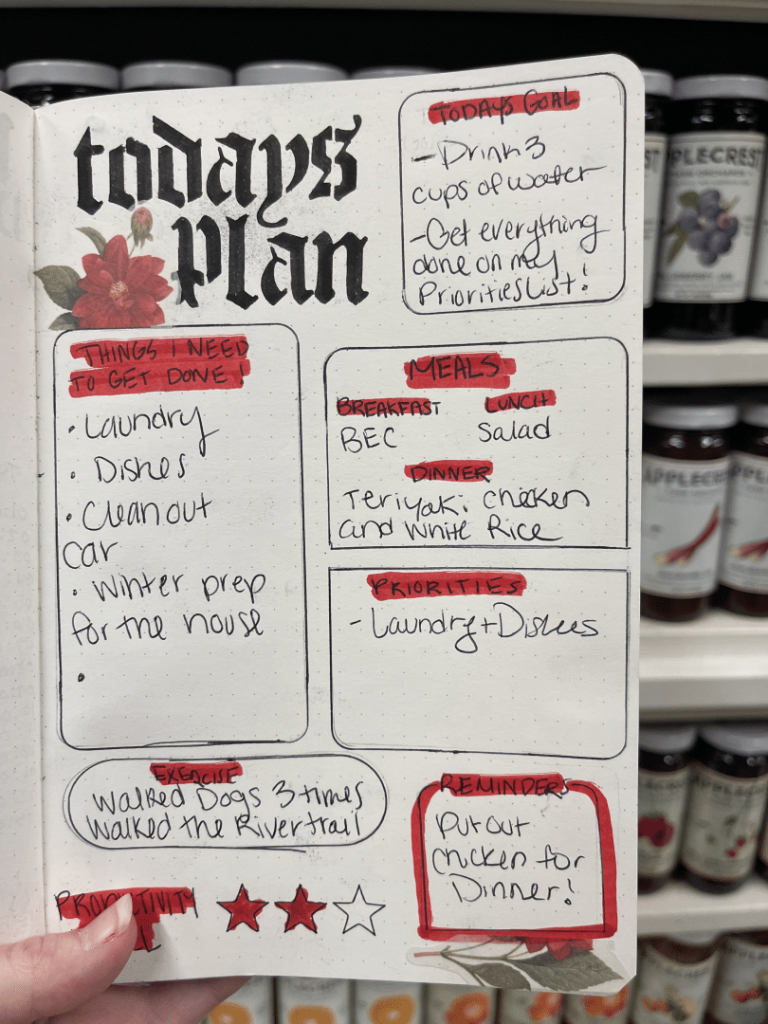
Incorporating these elements into daily life may initially seem complex, but the investment pays off. With dedicated planning and a structured approach, you can unlock your full productivity potential. As you experiment with various techniques, be open to tweaking them to better fit your personal style and workflow. The journey to productivity is as much about self-discovery as it is about efficiency, paving the way for a more fulfilling and successful life.
DIVE DEEPER: Click here to learn about the Pomodoro Technique
Establishing a Foundation of Prioritization
Prioritizing tasks is not just a one-time activity; it is a continuous process that can fundamentally alter how we approach our daily responsibilities. To effectively integrate checklists and routines into your life, you need to first understand your unique workload and define your goals clearly. This clarity becomes the bedrock upon which all productive endeavors are built.
One of the most effective ways to start this journey is through the creation of a comprehensive task inventory. This inventory acts like a personal operating system where you catalog everything that needs to be accomplished. The following steps can guide you in this process:
- Brain Dump: Take 10–15 minutes to write down every task, project, and idea rolling around in your mind. Don’t hold back—include big projects, daily chores, and even long-term goals. The objective is to clear your mental space.
- Categorization: Organize these tasks into categories like “Work,” “Personal,” “Urgent,” and “Long-term.” This helps highlight what requires immediate attention versus what can wait. It also showcases patterns in your workload, allowing you to make informed decisions.
- Assign Priorities: Use a ranking system, such as the ABCD method. “A” tasks are high-priority items that must be dealt with immediately, whereas “D” tasks can be delegated or eliminated altogether. This method helps you focus on what truly matters.
With your tasks categorized and prioritized, it’s time to incorporate them into a checklist. Checklists are powerful because they provide not only a roadmap but also an avenue to visualize progress. The satisfaction derived from checking off completed items can also generate a psychological boost, propelling you forward in your productivity journey.
Building upon your checklist, implementing a consistent daily routine becomes vital. According to a study conducted by the American Psychological Association, establishing a routine helps individuals reduce anxiety and improve their focus. Routines create predictability in your day, providing a structured environment conducive to productivity.
A good daily routine should include:
- Time Blocks: Allocate specific time periods in your day for dedicated tasks or categories of tasks. For instance, start your mornings with high-priority work projects, followed by meetings or administrative tasks.
- Break Periods: Schedule short breaks regularly. Using techniques like the Pomodoro Technique can help maximize focus during work sessions while ensuring you recharge adequately.
- Evening Reviews: Spend the last 10 minutes of your day reviewing what you accomplished and planning tasks for the next day. This not only helps you stay organized but also keeps you motivated as you witness your steady progress.
Integrating checklists and routines into your productivity strategy creates synergy that empowers your effectiveness. Whether you are a professional striving to meet deadlines or a student navigating academic demands, adopting these methodologies can help you regain control over your tasks, guiding you toward your goals with increased clarity and focus.
The Art of Prioritizing Tasks: Integrating Checklists and Routines to Maximize Productivity
As we delve deeper into the intricacies of prioritizing tasks, it’s essential to examine how effective checklists and routines can elevate our productivity levels. Both elements serve as critical tools that not only streamline our responsibilities but also enhance our motivation and focus throughout the day.
Understanding the Role of Checklists
Checklists are not merely lists; they are powerful assets that can propel your productivity by breaking larger tasks into more manageable, actionable steps. This segmentation allows individuals to experience a sense of accomplishment as they tick off items, thus fostering a positive feedback loop. Studies show that using checklists can significantly reduce the chance of errors by ensuring that no critical steps are overlooked. Furthermore, they provide a tangible way of organizing thoughts, thereby making it simpler to prioritize tasks based on urgency and importance.
Importance of Routines
Routines bring structure to your day, helping you establish a rhythm that aligns with your peak productivity hours. By integrating consistent practices such as daily planning or time-blocking, individuals can maximize their efficiency. Implementing a morning routine, for instance, has been linked to increased focus and reduced stress levels. This consistency not only habituates task completion but also sets a mental state conducive to productivity.
Combining Checklists with Routines
Integrating checklists into your daily routine creates a framework that can lead to heightened accountability. When tasks are scheduled into a routine, it ensures continuous progress towards goals without overwhelming oneself. For example, allocating specific time slots each morning to tackle items on your checklist can transform chaotic workflows into streamlined, goal-oriented paths. This intentional design of your daily activities fosters a proactive rather than reactive approach to productivity challenges.
The real boon comes when individuals learn to tailor these tools based on personal preferences. Discovering what types of tasks require lists—be they weekly goals or daily activities—and identifying optimal times of the day for focused work is paramount. Remember, the goal of utilizing checklists and routines is to maximize productivity while minimizing stress.
To further explore the benefits of integrating these concepts, let’s examine how that might look in practical application.
| Category | Key Benefits |
|---|---|
| Checklists | Ensure no important tasks are missed and improve focus |
| Routines | Develop consistency, reduce decision fatigue, and create a productive flow |
These powerful tools, when employed effectively, create a comprehensive framework to tackle the demands of daily life with finesse. By embracing the art of prioritizing with checklists and routines, we not only enhance our productivity but also cultivate a healthier work-life balance.
DISCOVER MORE: Click here to learn how to enhance your task management
Maximizing Efficiency through Flexible Adaptation
Once you have established a solid foundation with your checklists and routines, the next step is to understand the importance of flexibility in your productivity approach. Life is inherently unpredictable, and the ability to adapt your plans while maintaining focus is a vital skill. This adaptability doesn’t just enhance your day-to-day functioning; it also promotes long-term growth and resilience against potential interruptions.
One key strategy for maintaining flexibility is the incorporation of a weekly review. This practice encourages you to step back and evaluate what worked and what didn’t over the past week. Scheduled to take place preferably on a Sunday evening or Monday morning, the weekly review should involve:
- Assessing Achievements: Examine your completed tasks against your set goals. Acknowledge your successes and identify areas that may need refining.
- Reprioritizing Tasks: Given the shifting nature of workload and responsibilities, revisiting your task inventory is fundamental. New tasks may arise, or certain projects may require immediate attention, necessitating a reassessment of priorities.
- Setting Intentions: Formulate your primary focus for the upcoming week based on your evaluations. These intentions will serve as a guiding principle, helping you to streamline your efforts.
Beyond the weekly review, leveraging technology can also significantly enhance your productivity framework. Numerous applications, such as Todoist, Trello, and Asana, allow you to create checklists, set deadlines, and monitor progress from anywhere. These tools often come equipped with reminders and auto-scheduling features, which can be particularly beneficial for those managing multiple projects or remote teams. A 2021 survey by Gartner revealed that approximately 80% of professionals believe productivity tools enhance their performance, highlighting the impact of integrating technology into traditional productivity strategies.
However, it is essential to strike a balance. Over-reliance on technology can lead to pitfalls, such as screen fatigue or distraction from your primary tasks. Thus, a hybrid approach that combines digital tools with physical checklists is often advantageous. Consider carrying a small notebook to jot down tasks or progress throughout the day. You might find that the tactile act of writing can enhance memory retention compared to typing on a device.
Additionally, understanding your peak productivity hours plays a crucial role in task prioritization. Everyone has specific times in the day when they feel most focused and energetic. For some, it might be early morning; for others, late at night. Tailoring your most important tasks to align with these periods can dramatically increase efficiency. Utilize tools like time-tracking apps, which can help you identify these productive peaks and plan your schedule accordingly.
Emotional intelligence is another facet to consider when prioritizing tasks. Being in tune with your feelings, stress levels, and overall mood can significantly influence your productivity. If you notice a task is draining your energy or motivation, it may be wise to either delegate it or break it into smaller, more manageable parts. By nurturing your emotional well-being, you create an environment where productivity can flourish organically.
Finally, remember that prioritization is an ongoing dialogue with yourself. Regularly check in on your systems, reassess your workload, and make adjustments as necessary. Embrace the idea that flexibility and prioritization aren’t mutually exclusive; rather, they work in tandem to help you navigate the complexities of work and life with greater efficacy.
DISCOVER MORE: Click here to learn about the benefits of checklists
Conclusion: Harnessing the Power of Task Prioritization
Mastering task prioritization is essential for anyone striving to maximize productivity in an ever-demanding world. The integration of checklists and routines serves as a formidable foundation for this endeavor, allowing individuals to maintain clarity amid chaos. However, the key to true productivity lies not just in structure but in the ability to remain adaptive. By embracing flexibility through strategies like the weekly review and leveraging technology, such as productivity apps, you create an environment that fosters growth and resilience.
It’s crucial to recognize that understanding your peak productivity hours and nurturing your emotional intelligence can significantly enhance your efficiency. Being in tune with your natural rhythms allows for optimal task scheduling, while emotional awareness supports a healthier work-life balance. With these approaches, task prioritization becomes more than a mere checklist; it evolves into a personalized system that empowers you to navigate daily challenges effectively.
As you embark on your journey of mastering the art of prioritizing tasks, remember that it’s an ongoing process. Reassessing and refining your techniques is vital to sustained success. By merging the discipline of checklists and routines with the agility of adaptability, you set yourself on a path to not only meet your goals but also elevate your overall productivity. Explore new methods, experiment with different tools, and continuously engage in a dialogue with yourself about what works—because in the realm of productivity, personal growth and achievement are both a journey and a destination.
Related posts:
Project Planning with Time Blocking: The Key to Efficient Productivity
The Importance of Checklists in the Implementation of the Getting Things Done Technique
Exploring the Pomodoro Technique Combined with Time Blocking to Increase Focus
How to Incorporate Routines and Project Planning for Efficient Task Management
Checklists and To-Do Lists: Essential Tools for Personal Organization
Building Productive Rituals: How Task Lists and Getting Used to Tracking Progress Can Increase Your ...

Beatriz Johnson is a seasoned productivity strategist and writer with a passion for simplifying the complexities of time management and personal organization. With over a decade of experience in efficiency optimization, she specializes in topics like workflow design, habit formation, and productivity systems for modern professionals. Through her work, Beatriz empowers readers to take control of their schedules, eliminate overwhelm, and stay ahead in today’s fast-paced world.