How Sudoku and Crosswords Stimulate Memory Function
The Cognitive Benefits of Puzzles
Challenging our brains with puzzles like Sudoku and crosswords isn’t merely a fun pastime; it plays a vital role in enhancing our memory function. Research suggests that engaging in these activities can lead to significant cognitive benefits, especially as we age. Let’s explore how these popular number and word games can help sharpen our minds.
Memory Enhancement
Regularly solving Sudoku and crosswords not only provides a sense of achievement but also significantly boosts both short-term and long-term memory. Numerous studies have shown that these activities can help reinforce neural connections and even generate new brain cells, a phenomenon known as neurogenesis. For example, a study published in the journal *Neuropsychology* found that people who engaged in puzzle-solving activities regularly performed better on memory tests compared to those who did not. This suggests that puzzle games could be a key component in enhancing memory and cognitive longevity.
Pattern Recognition
These puzzles greatly improve our ability to identify patterns, which is crucial for memory recall. In Sudoku, players must recognize numerical patterns and understand how they interact with one another. Similarly, in crossword puzzles, solving clues often involves recognizing the relationships between words and their meanings. This exercise not only keeps the mind active but also fosters creative thinking and enhances problem-solving skills—both essential cognitive functions in everyday life.
Focus and Concentration
Engaging with Sudoku and crosswords also increases mental clarity and aids in maintaining focus. The immersive nature of these games demands attention and concentration, therefore training the brain to minimize distractions. Many people find that their productivity increases when they incorporate a brief puzzle session into their daily routine, allowing them to refocus on tasks at hand with renewed energy. This benefit is particularly valuable in our fast-paced world, where attention spans have drastically decreased due to constant digital distractions.

Cognitive Decline and Mental Fitness
In a world where cognitive decline is a growing concern, incorporating puzzles into our daily routine can serve as a simple yet effective strategy. Studies indicate that activities like these have the potential to delay the onset of conditions such as dementia and Alzheimer’s disease. According to a study from the *Alzheimer’s Association*, individuals who engage in brain-training activities, including puzzles, have a lower risk of developing cognitive impairment. This finding underscores the importance of making puzzle-solving a regular part of our lives, especially as we age.
Discovering the Fascination
While many Americans enjoy their morning coffee with a crossword puzzle or unwind with a Sudoku at night, the deeper implications of these activities are worth investigating. They serve not only as entertainment but also as tools for mental fitness. Embracing these challenges could very well be the key to boosting our cognitive skills and maintaining a sharp mind in a rapidly evolving world.
Whether through dedicated apps or traditional pencil-and-paper forms, the opportunities to engage with puzzles are plentiful. Moreover, groups and clubs focused on puzzles, such as local crossword meet-ups, are growing in popularity, fostering both social connection and cognitive engagement. The combination of these social and mental exercises could be a powerful remedy for combating cognitive decline and enhancing overall well-being.
So, next time you sit down with a puzzle, remember: you’re not just passing the time; you’re investing in your brain’s future. Why not challenge yourself and explore new types of puzzles to further enhance your cognitive abilities? The possibilities are as limitless as your imagination.
DISCOVER MORE: Click here to learn how memory games can enhance your social life
The Mind’s Workout: Solving Puzzles Together
The world of puzzles is vast and intriguing, with Sudoku and crosswords standing out as two of the most beloved games. When we engage in these activities, we are not only having fun; we are participating in a mental workout that stimulates various brain functions, particularly memory. But how exactly do these puzzles forge connections that help sharpen our cognitive abilities? Let’s delve deeper.
Cognitive Engagement through Challenge
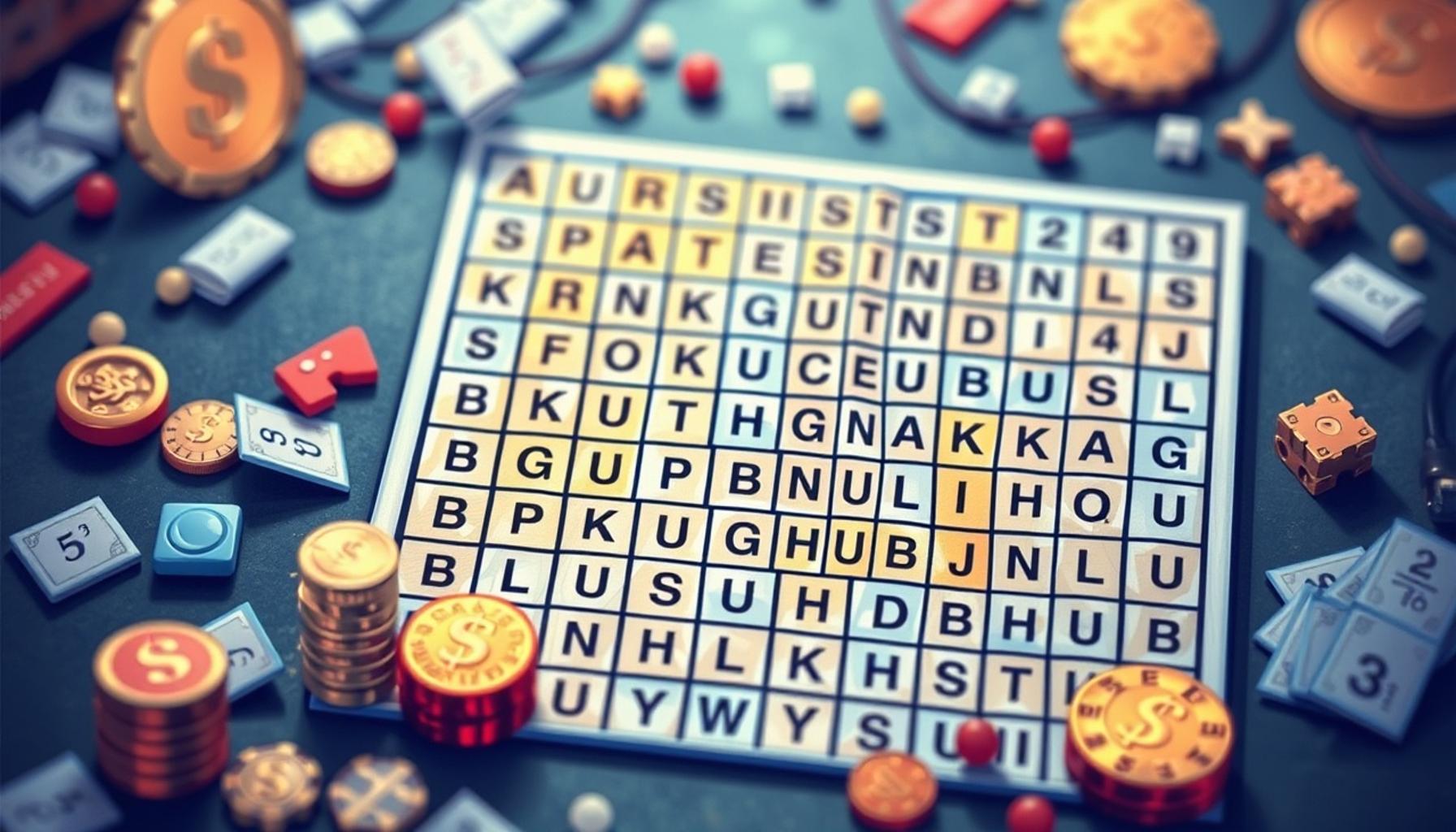
At the core of cognitive stimulation is challenge. Sudoku, a logic-based number placement game, requires players to fill a 9×9 grid so that each column, row, and 3×3 subgrid contains the numbers 1 to 9 without repetition. This not only engages the player’s logical reasoning but also demands attention to detail and a firm grasp of numerical relationships. Crosswords, on the other hand, challenge our verbal skills and knowledge base. Players must think critically about clues and retrieve the synonyms or definitions that fit within a grid of intersecting words. Both games foster cognitive engagement in distinct ways, which is essential for enhancing our memory function.
Memory Function and Neuroplasticity
Engaging in these puzzles can activate different regions of the brain associated with memory and problem-solving. Studies indicate that when we solve challenges like Sudoku and crosswords, our brains enter a state of heightened neural plasticity, meaning they become more adaptable and capable of forming new connections. This is particularly important as we age, as maintaining neuroplasticity can translate into improved memory retention and recall efficiency. A significant study published in the journal *Cognitive Aging* demonstrated a direct correlation between regular puzzle engagement and improvements in cognitive function in older adults. The participants who regularly completed these puzzles showed a marked decrease in memory decline compared to their non-puzzling counterparts.
Building Vocabulary and Knowledge
In addition to enhancing logical thinking, crossword puzzles also bolster our linguistic memory. They encourage players to expand their vocabulary and cultivate a rich knowledge of various subjects. The need to recall words and their meanings enhances both verbal memory and general knowledge. The benefits are manifold:
- Improved Vocabulary: Regularly encountering new words makes them easier to recall in conversation or writing.
- Contextual Learning: Crosswords often require understanding clues in varying contexts, enhancing comprehension skills.
- Retention of Information: The process of searching for the correct word engages neural pathways, helping to cement that knowledge into memory.
In essence, both Sudoku and crosswords serve as cognitive challenges that sharpen memory function while entertaining us. Their benefits extend beyond just providing fun; they are tools that can help maintain mental agility and cognitive health over time.
How Sudoku and Crosswords Stimulate Memory Function
Sudoku and crosswords are not just engaging puzzles; they are powerful tools for enhancing cognitive abilities, specifically memory function. Research indicates that tackling these brainteasers can significantly boost mental agility and retention. The intricacy of solving a challenging crossword requires recall of vocabulary and knowledge, while Sudoku demands logical reasoning and concentration, both of which can strengthen neural connections.When you engage with these puzzles regularly, you are essentially exercising your brain, similar to how physical workouts strengthen your muscles. This cognitive workout promotes neuroplasticity—the brain’s ability to form and reorganize synaptic connections. As you solve Sudoku or crossword puzzles, your brain works to retrieve and utilize information, which reinforces memory pathways.To further explore the intriguing relationship between these puzzles and memory enhancement, consider the following table:
| Category | Benefits |
|---|---|
| Cognitive Stimulation | Playing Sudoku and crosswords enhances problem-solving skills and boosts critical thinking. |
| Memory Enhancement | Engaging in these puzzles improves both short-term and long-term memory recall. |
Research suggests that individuals who regularly engage in mental exercises like Sudoku and crosswords are found to have lower rates of memory decline with age compared to those who do not participate in such activities. By incorporating these puzzles into daily routines, you not only entertain yourself but also set the foundation for a sharper mind as you age. Interested in exploring further how these activities contribute to mental well-being? Keep reading!
DIVE DEEPER: Click here to discover the evolution of mind games
The Social Aspect of Puzzles: Memory Through Interaction
While the mental challenges presented by Sudoku and crosswords are significant on their own, another layer of cognitive stimulation emerges through the social context in which these puzzles are often enjoyed. Whether in a friendly competition or as part of a community group, these activities facilitate interaction that can enhance memory function even further.
Engaging in Collaborative Problem Solving
Many enthusiasts enjoy tackling puzzles in groups, leading to discussions and debates over clues or strategies. This collaborative aspect not only fosters a sense of community but also stimulates our brains in unique ways. Research has shown that social interactions can lead to increased cognitive performance, as engaging with others challenges our memory in a different context. When individuals share their knowledge or brainstorm possible solutions together, they engage in a form of cognitive scaffolding, where each person’s insights help to bolster the group’s overall memory and problem-solving capabilities.
The Role of Repetition in Learning
Another compelling aspect of these puzzles is the role of repetition in enhancing memory function. Regular exposure to Sudoku and crosswords allows individuals to revisit and reinforce concepts, words, or strategies they may have struggled with in the past. The act of revisiting familiar clues in crosswords can improve recall and comprehension. Similarly, regularly playing Sudoku can strengthen numerical memory through repetitive pattern recognition. A study from the *Journal of Applied Psychology* noted that engaging with familiar content enhances recall, particularly when the material is presented in slightly varied contexts over time.
Brain Health and Longevity
The cognitive benefits of engaging in Sudoku and crosswords extend beyond mere enjoyment. Numerous studies attribute the practice to improved brain health and potentially delaying cognitive decline. According to a report by the *Alzheimer’s Association*, puzzles boost memory function and can serve as a preventive measure against conditions like dementia. Engaging with puzzles regularly keeps the brain healthy by encouraging mental agility and facilitating the growth of new brain cells through neurogenesis. This is particularly relevant in an aging population, where retention of memory function is vital for maintaining independence and quality of life.
Incorporating Technology to Enhance Experience
With the advent of technology, puzzle games have evolved, bringing them to mobile and digital platforms, making them accessible at any time. Apps dedicated to Sudoku and crosswords often feature daily challenges that encourage players to return regularly, fostering a routine that benefits memory retention. Many apps even allow for social sharing and competition, further integrating the social and cognitive aspects of puzzle-solving. This combination of technology and community engagement creates an enriching experience that not only sharpens our minds but also connects us with others.
In summary, the multifaceted approach of solving Sudoku and crossword puzzles not only encourages cognitive engagement but also emphasizes the importance of social interaction, repetition, and the incorporation of new technologies. These combined factors contribute significantly to the enhancement of memory function, making these puzzles tools for better cognitive health and longevity.
DIVE DEEPER: Click here to uncover more about mnemonics
Conclusion: The Lasting Impact of Puzzles on Memory Function
As we have explored, engaging with puzzles such as Sudoku and crosswords serves as an exceptional cognitive workout that can significantly enhance memory function. From the individual honing of skills through repetition and familiarization with concepts to the collaborative problem-solving found in group settings, these activities encapsulate a diverse range of benefits. The social interactions that stem from puzzle-solving not only elevate cognitive performance but also foster a sense of community that can bolster mental health.
Moreover, the growing body of research supporting the notion that puzzles play a role in delaying cognitive decline paints a hopeful picture for individuals of all ages, particularly seniors. The ability of these brain games to keep our minds sharp by promoting neurogenesis offers an intriguing preventive measure against conditions like dementia. With technologies continuously evolving, mobile apps dedicated to these puzzles provide convenient avenues for daily mental engagement, allowing users to integrate brain training seamlessly into their routines.
In essence, Sudoku and crosswords are far more than mere entertainment; they are vital tools for enhancing memory, promoting learning, and maintaining cognitive health. As you consider adopting these puzzles into your daily life, remember that each solved puzzle not only enriches your knowledge but also contributes to a sharper, more resilient mind. The adventure of unraveling clues and numbers awaits—so why not start today and experience the transformative potential of these engaging brain games?
Related posts:
The Evolution of Mind Games: From Traditional Puzzles to Digital Memory Challenges
The Science Behind Memory Boosters in Mind Games
Top 10 Puzzles to Enhance Your Memory Skills
Exploring the Connection Between Brain Training and Memory Retention
The Role of Mnemonics in Mind Games and Memory Enhancement
The Impact of Visual Puzzles on Memory Recall

Linda Carter is a writer and puzzle expert specializing in mind games, brain teasers, and cognitive challenges. With extensive experience helping individuals enhance their problem-solving skills and think critically, Linda shares her knowledge on our platform. Her goal is to empower readers with practical advice, engaging puzzles, and strategies to sharpen their minds and achieve success in the captivating world of mind games and puzzles.