
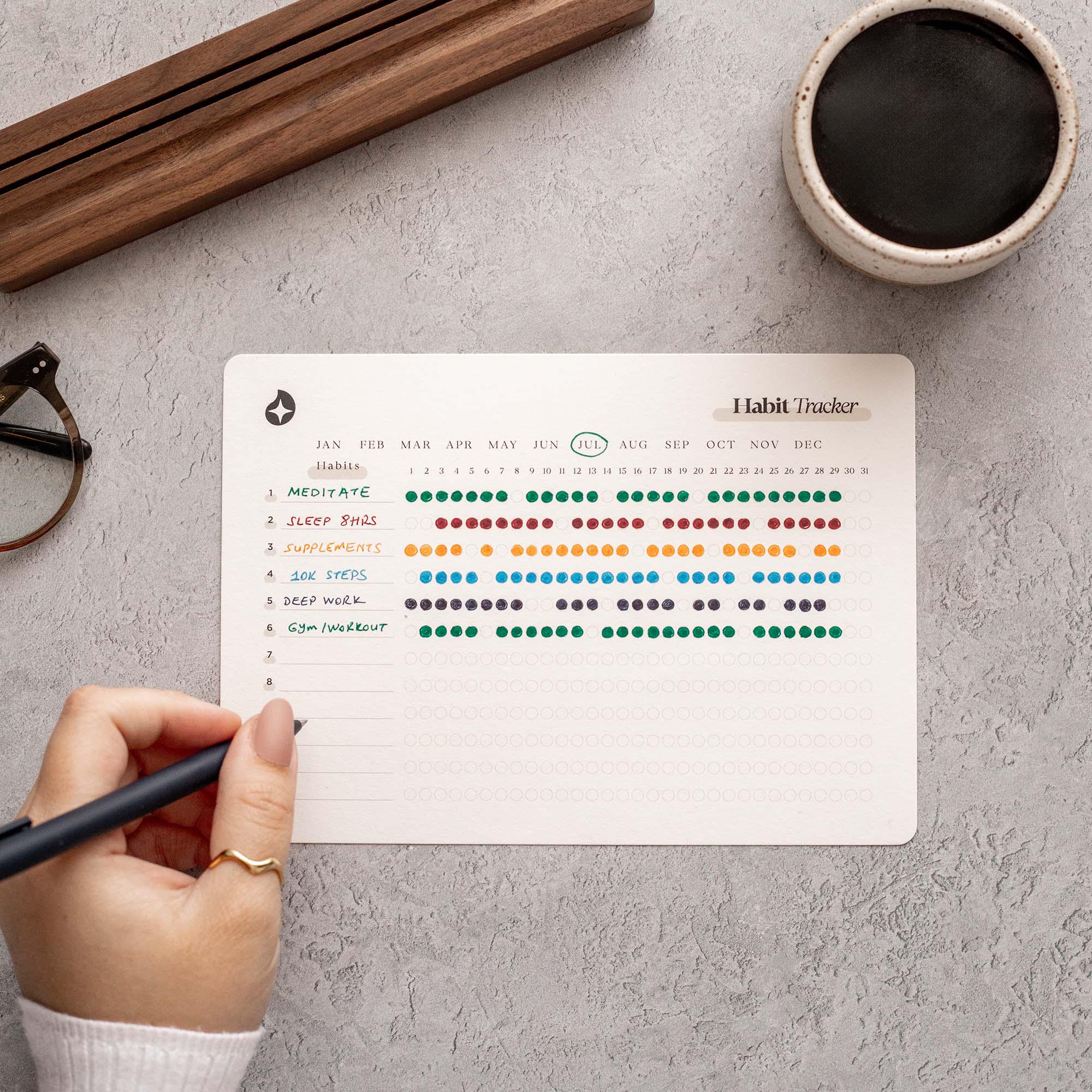
Unlocking Productivity with Checklists and To-Do Lists
Have you ever felt overwhelmed by your daily tasks? You’re not alone. Many individuals struggle to keep track of their responsibilities, which can lead to stress and decreased productivity. In today’s fast-paced world, it’s easy to feel buried under the weight of our obligations, from work commitments to personal errands.
Enter the world of checklists and to-do lists. These simple but powerful tools can transform your approach to habit formation and task tracking. Incorporating them into your daily routine can help you navigate through your day with less anxiety and more clarity. Here’s how:
- Organization: With everything from grocery shopping to project deadlines on your mind, it’s easy to lose track of your responsibilities. Both checklists and to-do lists help in decluttering your mind, allowing for clearer focus on the task at hand. For instance, when planning a home renovation, a checklist can guide you through every essential step—from budgeting to choosing materials—making the entire process manageable.
- Motivation: The satisfaction that comes from checking off completed tasks is more than just a fleeting moment of joy. Completing items on your list provides a sense of accomplishment, which can increase your motivation to tackle more tasks throughout the day. Studies have shown that even marking tasks as complete—whether large or small—can release dopamine, making you feel fulfilled and increasing your productivity.
- Accountability: By tracking your tasks, you hold yourself accountable for your goals. This added layer of pressure makes it easier to stick to new habits. For instance, if you’re aiming to exercise more regularly, listing workouts you plan to complete each week can encourage you to stay on track. Knowing that you’ve committed these tasks to paper can change your mindset about how seriously you take your goals.
Furthermore, according to a study conducted by the Dominican University of California, individuals who write down their goals are 42% more likely to achieve them. This statistic highlights the importance of having a structured format for your aspirations. The act of writing your intentions not only solidifies them but also serves as a constant reminder of what you want to accomplish.
Curious to learn more about the impact that checklists and to-do lists can have on your daily life? As we explore their benefits further, consider how these small but mighty tools can help you cultivate greater efficiency and success. Whether you’re a student balancing classes and assignments, a parent managing a busy household, or a professional navigating a demanding work environment, checklists and to-do lists could be the missing pieces in your productivity puzzle. In a world overflowing with distractions, making your priorities clear will enable you to thrive and achieve your goals.
DIVE DEEPER: Click here to learn more
The Benefits of Utilizing Checklists and To-Do Lists
As we delve deeper into the world of checklists and to-do lists, it’s essential to understand how they serve as foundational elements in habit formation and task tracking. These practical tools not only streamline our daily lives but also offer psychological benefits that enhance our performance and personal growth.
One of the most significant advantages of checklists and to-do lists lies in their ability to boost efficiency. When you lay out tasks in a structured format, you’re less likely to forget important items and more likely to adhere to a timeline. For example, if you are planning a major work project, crafting a checklist can summarize all critical stages—from brainstorming ideas to final presentations. The act of seeing your tasks visually organized allows your brain to focus on execution rather than juggling multiple thoughts simultaneously.
Enhancing Focus and Reducing Procrastination
Furthermore, having a clear list of tasks in front of you can minimize the tendency to procrastinate. A concentrated list eliminates distractions and allows you to tackle one item at a time. Studies have shown that breaking larger projects into smaller, actionable steps significantly mitigates the feeling of being overwhelmed, ultimately fostering a sense of control. For instance, someone tasked with writing a novel may find it daunting; however, by breaking the project into manageable sections—such as outlining, drafting, and editing—a clearer path to completion emerges.
- Prioritization: Checklists allow for the sorting of tasks based on their urgency and importance. This prioritization can transform your day into a manageable schedule, guiding you to allocate time more effectively.
- Time Management: With specified tasks in front of you, it’s easier to estimate the time required for each item and allocate it appropriately. This can lead to better pacing and reduce the likelihood of burnout.
- Flexibility: To-do lists can be easily modified as new tasks arise or priorities shift. This adaptability ensures that you remain agile in your approach, allowing you to accommodate unexpected demands seamlessly.
Moreover, neuropsychological research points to the importance of both visualization and tactile feedback in task completion. The physical act of crossing off tasks has been shown to create a neural response that reinforces positive behavior and habit formation. This small but impactful moment of completion can trigger motivation for further accomplishments, creating a self-reinforcing loop that enhances productivity.
As we continue exploring the transformative nature of checklists and to-do lists, it’s vital to recognize that they not only aid in task management but also contribute to a deeper sense of personal agency and achievement. By embracing these tools, you empower yourself to take control of your day, paving the way for success in your endeavors.
| Advantages | Description |
|---|---|
| Enhanced Focus | Using checklists helps to narrow down priorities and improves concentration on tasks at hand, minimizing distractions. |
| Increased Accountability | To-do lists foster a sense of responsibility as individuals track their progress, ensuring commitment to tasks. |
| Stress Reduction | Managing tasks through lists can alleviate anxiety by providing a clear outline of responsibilities, fostering a sense of control. |
| Improved Productivity | Checklists enhance efficiency by allowing individuals to visualize their workload and complete tasks faster. |
| Habit Formation | Regular use of lists solidifies positive habits, as repeated actions lead to automatic behaviors over time. |
The power of checklists and to-do lists extends beyond mere task management; it is rooted in psychological principles that enhance habit formation and task tracking. Utilizing these tools empowers individuals to break down overwhelming projects into manageable components. Research indicates that visually crossing off completed tasks can trigger a natural dopamine response, increasing motivation to tackle more items on the list. This feedback loop leads to a chain of productive behaviors that encourages consistent progression and ultimately aids in achieving long-term goals. Additionally, maintaining a checklist promotes the development of effective routines that can transform one’s approach to daily life. By committing to structured lists, individuals cultivate mindfulness and intentional living, which significantly contribute to overall satisfaction and success. The result is a seamless blend of organization, creativity, and accomplishment, making the integration of checklists and to-do lists not just beneficial, but essential for anyone aiming to maximize productivity in their personal and professional arenas.
DISCOVER MORE: Click here to enhance your focus
Psychological and Habit-Formation Benefits
Beyond efficiency and effectiveness, the psychological impact of checklists and to-do lists is profound. Engaging with these tools contributes significantly to our ability to form and sustain habits. The psychological principle behind habit formation emphasizes repetition and reward, creating a reinforcing cycle that builds stronger behavioral patterns over time. When we check tasks off a list, the intrinsic reward of accomplishment releases dopamine in the brain, creating a feel-good sensation that propels us towards a productive mindset.
Creating a Sense of Accomplishment
There’s a strong connection between the tactile sensations of crossing off completed tasks and the formation of positive habits. This is not merely anecdotal; various studies illustrate how the act of completion satisfies psychological needs. A study published in the journal *Psychological Science* indicated that even simple forms of task completion can enhance self-efficacy, leading to a greater likelihood of attempting further tasks. For instance, the simple act of checking off items can provide a sense of closure that motivates you to engage with your next challenge, setting the stage for continuous productivity.
Turning to real-world applications, many successful figures emphasize routine checklists in their disciplines. For example, elite athletes use checklists for training regimens to optimize performance. They recognize that consistency in small actions—like warm-up sequences, dietary checks, and practice routines—accelerates their journey toward excellence. Similarly, business leaders often rely on daily to-do lists for prioritizing tasks effectively, enabling them to concentrate on what truly drives their success and growth.
The Role of Accountability and Reflection
On another level, checklists and to-do lists foster accountability, whether to oneself or to others. By visualizing tasks and tracking progress, individuals can reflect on their commitment to personal goals. When coupled with peer accountability, such as sharing lists with coworkers or friends, the motivation to complete tasks can be amplified. This shared experience creates a supportive environment where individuals feel encouraged to hold one another accountable, enhancing not just their productivity but their relationship with the tasks at hand.
Reflection is another critical component of effective habit formation. Regularly reviewing completed tasks provides insights into productivity patterns and can reveal productive trends or areas that require improvement. Journaling about completed to-do lists or maintaining a productivity journal can facilitate a deeper understanding of what drives or hinders your effectiveness. The act of looking back at what you have accomplished provides not only confirmation of effort but also serves as a foundation for planning future goals more strategically.
- Customizability: The flexibility of to-do lists allows them to be tailored to individual preferences, thus reflecting personal priorities and styles. Whether digital or paper-based, customizing checklists can align with varying workflow methods, making them more appealing and effective.
- Habit Stacking: This method, popularized by author James Clear, involves pairing new habits with existing ones—essentially using a checklist format to introduce a new behavior alongside daily routines. Incorporating a new task into an existing checklist reinforces the probability of habit adoption.
- Visualization Techniques: Some individuals enhance their focus by utilizing color-coding or visual symbols on their lists, allowing for quick recognition of different categories of tasks. These methods help to streamline workflow, making it easier to stay engaged and motivated.
In summary, the dynamic influence of checklists and to-do lists transcends mere organization. Their multifaceted role in habit formation, personal accountability, and psychological motivation can be harnessed to transform how individuals approach their tasks and goals, ultimately fostering a productive environment for sustained growth and achievement.
DIVE DEEPER: Click here to uncover productive strategies
Conclusion: Embracing the Checklist Revolution
In a world where the pace of life only seems to quicken, the importance of checklists and to-do lists cannot be overstated. These powerful tools not only enhance our productivity but also play a crucial role in habit formation, personal accountability, and psychological satisfaction. As we’ve explored, the benefits of engaging with these lists extend beyond mere task management; they cultivate a mindset geared toward sustained growth and achievement.
By systematically crossing off tasks, we engage in a cycle of repetition and reward that reinforces positive habits and builds self-efficacy. Whether you are a busy professional, a student, or someone striving for personal growth, the adaptability of to-do lists allows you to integrate this habit into your daily life. Techniques like habit stacking and visualization can further enhance the effectiveness of this practice, making it uniquely yours.
Moreover, the sense of accomplishment derived from checking tasks off a list fuels our motivation, while the act of reflection encourages continuous improvement. As we share our progress with peers or colleagues, the accountability aspect transforms these lists into dynamic support systems that nurture collaboration and mutual growth.
As you consider ways to enrich your personal and professional life, remember that incorporating checklists and to-do lists isn’t just a method of staying organized—it’s a holistic approach to achieving your goals. So, take a moment to craft your lists, embrace their power, and witness the positive transformation that follows. The journey toward productivity and self-fulfillment could be just a checklist away.
Related posts:
Time Blocking: A Strategy to Increase Discipline and Effectiveness in Habit Building
The Role of Reward in Habit Formation: Techniques to Motivate Positive Changes in Your Life
The Role of Mindset in Habit Formation: How Self-Efficacy Affects Your Success in Being More Product...
Leveraging Project Planning and Time Blocking to Cultivate Consistent Routines
The Art of Deep Work: How Routines and the Pomodoro Technique Foster Lasting Productivity Habits
Habit Building Strategies: The Importance of Time Blocking and Personal Discipline

Beatriz Johnson is a seasoned productivity strategist and writer with a passion for simplifying the complexities of time management and personal organization. With over a decade of experience in efficiency optimization, she specializes in topics like workflow design, habit formation, and productivity systems for modern professionals. Through her work, Beatriz empowers readers to take control of their schedules, eliminate overwhelm, and stay ahead in today’s fast-paced world.