
Exploring the Connection Between Brain Training and Memory Retention
Understanding the Importance of Memory in Daily Life
As we navigate through the complexities of daily life, memory serves as the bedrock of our learning experiences and decision-making capabilities. From remembering appointments to recalling critical information for work or school, the brain’s ability to store and retrieve information is fundamental. In a world overwhelmed with data and distractions, enhancing memory is more than just a personal benefit—it is essential for maintaining productivity and mental wellness.
The Nature of Brain Training
Brain training encompasses a variety of activities aimed at optimizing cognitive function and improving memory. This concept isn’t limited to traditional learning environments; it includes engaging in practices that challenge the mind in new and different ways. Some popular methods include:
- Brain games: These are cognitive challenges, such as Sudoku or memory card games, designed to target specific aspects of memory and problem-solving. Research has shown that individuals who play these games regularly often exhibit significant improvements in cognitive functions related to memory retention.
- Meditation: Mindfulness practices are gaining traction for their role in enhancing cognitive clarity and emotional regulation. Scientific studies reveal that individuals who meditate consistently tend to have stronger memory recall and better focus. Techniques like guided imagery or deep breathing exercises can help in training the mind.
- Physical exercise: Engaging in regular physical activity not only benefits physical health but is also a powerful catalyst for brain health. Activities such as jogging or swimming can increase blood circulation to the brain, promoting neurogenesis, which is the growth of new neurons. This process is vital for improving memory function.
Significant Benefits of Brain Training
Engaging in these brain training activities can lead to various cognitive benefits beyond simple memory improvement. Research has indicated some noteworthy findings:
- Increased working memory capacity: This enables individuals to hold and manipulate information effectively, which is crucial during multitasking, an everyday requirement for many in professional settings.
- Enhanced long-term memory: Some studies suggest that individuals who partake in regular cognitive training experience better information recall, leading to academic and professional successes.
- Improved cognitive flexibility: This benefits individuals by allowing them to switch between tasks or thoughts more seamlessly, which can enhance overall problem-solving skills and adaptability in diverse situations.
Exploring Future Implications for Education and Personal Development
The implications of these findings extend beyond individual improvement; they hold potential for revolutionizing educational practices and workplace training programs across the United States. By incorporating structured brain training into daily routines, educators and employers can foster an environment that promotes sustained cognitive growth and boosts overall performance. The ongoing research into brain training and memory retention offers exciting possibilities for enhancing our cognitive capacities and equipping us with tools that prepare us for future challenges.
As we continue to explore the intricate relationship between brain training and memory retention, it beckons a deeper understanding of how we can actively shape our mental framework and thrive in a world rife with information overload.
DIVE DEEPER: Click here to discover how memory games can enhance your social connections and cognitive abilities
The Science Behind Memory and Brain Training
Understanding the connection between brain training and memory retention requires a fundamental grasp of how memory works within the brain. Memory is not a singular process but rather a complex interplay of various systems responsible for encoding, storing, and retrieving information. Neuroscientists have identified multiple types of memory, such as short-term memory, which holds information temporarily, and long-term memory, which stores information for extended periods, sometimes for a lifetime.
When we engage in brain training activities, we stimulate different parts of the brain that are involved in these memory processes. For example, studies suggest that challenging the brain through tasks that require recall and problem-solving strengthens synaptic connections. This means that active participation in brain training can enhance the brain’s ability to encode new information effectively.
The Neuroplasticity Phenomenon
At the core of brain training’s effectiveness lies the principle of neuroplasticity, which is the brain’s ability to reorganize itself by forming new neural connections in response to learning or experience. When individuals engage actively in cognitive exercises, they foster an environment conducive to memory enhancement. For instance:
- Learning new skills: Activities, such as playing a musical instrument or learning a new language, not only challenge the brain but also generate new pathways and connections. This practice solidifies memory retention and enhances cognitive flexibility.
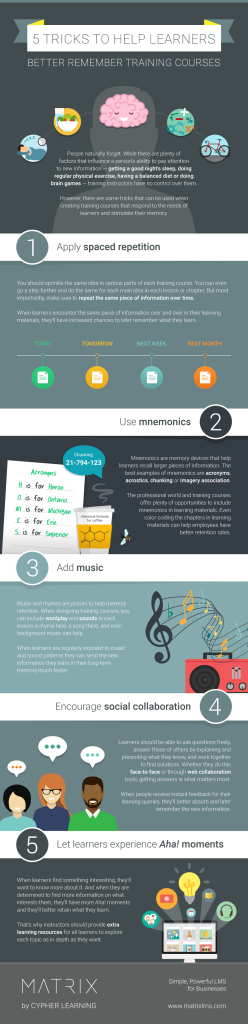
- Memory techniques: Implementing mnemonic devices or visualization strategies can boost the brain’s encoding strength. Such techniques create strong associations that aid in recalling information more efficiently.
- Social interaction: Engaging in conversations and collaborative problem-solving also stimulates various cognitive processes. Various studies indicate that social interaction can improve memory functioning potentially due to the emotional and contextual involvement it provides.
Moreover, these brain training activities’ benefits are not confined to specific contexts; they can translate across various areas of life. Whether in professional settings where quick memory recall is necessary or in personal endeavors such as managing finances and schedules, the skills honed through brain training can deliver tangible outcomes.
Research and Findings on Memory Retention
Numerous research studies have demonstrated that individuals who regularly participate in brain training exhibit marked improvements in memory retention. For instance, a meta-analysis published in a prominent psychological journal found that individuals who engaged in cognitive training showed a significant increase in their working memory capacity compared to those who did not participate in such activities. Further research is ongoing to unravel the unique mechanisms through which brain training contributes to enhancing memory.
Ultimately, the relationship between brain training and memory retention encapsulates a fascinating and evolving area of study. It invites exploration into how enhancing cognitive capabilities can significantly impact our efficiency and effectiveness in everyday tasks, making memory not just a personal asset but a vital tool for thriving in a rapidly changing world.
| Category | Advantages |
|---|---|
| Cognitive Flexibility | Enhances problem-solving abilities and adaptability to new tasks. |
| Memory Strengthening | Improves both short-term and long-term memory through engaging exercises. |
| Mental Resilience | Fosters a robust mental state to better handle challenges and stress. |
| Focus Improvement | Enhances concentration, enabling tasks to be completed more efficiently. |
Exploring the connection between brain training and memory retention is an exciting journey into the depths of cognitive science. Research has shown that specific brain training exercises can significantly improve various aspects of cognitive function, including memory. Engaging in repetitive mental challenges not only fortifies memory recall but also promotes the development of new neurons, a process known as neurogenesis. Meta-analytic studies affirm that structured cognitive training programs can lead to measurable improvements in memory retention, especially in older adults. Additionally, by targeting specific areas of memory, such as working memory and long-term retention, individuals can experience holistic cognitive enhancements that extend beyond mere memorization tasks. The intrigue lies in understanding how these exercises reshape brain pathways and affect daily functioning, inviting readers to delve deeper into the potential of brain training to transform cognitive health.
DIVE DEEPER: Click here to unlock memory-enhancing puzzles
Practical Applications of Brain Training Techniques
As our understanding of the connection between brain training and memory retention deepens, the practical applications of these findings become increasingly significant. With the increasing integration of technology into our daily lives, a variety of tools and applications have emerged designed to improve cognitive functions. These platforms not only make brain training accessible but also provide engaging and effective methods to enhance memory.
Digital Tools and Platforms
With the advent of brain training apps, cognitive exercises have evolved, catering to diverse audiences. Websites and mobile applications such as Lumosity, Elevate, and Peak offer programs that adapt to the user’s learning pace while targeting various cognitive skills, including memory retention. A 2020 study published in the journal Neuropsychology concluded that individuals using such interactive software experienced improved memory performance compared to those who did not partake in any cognitive training. These findings underscore the role technology plays in shaping an effective memory enhancement regimen.
Targeted Memory Exercises
In addition to digital platforms, targeted memory exercises can be implemented in everyday routines. For instance, implementing simple daily practices like learning five new vocabulary words a week or engaging in activities such as crossword puzzles or Sudoku can impose the kind of cognitive load that stimulates memory renewal. Research indicates that actively engaging different cognitive areas results in improved connectivity and functionality, manifesting in better retention of information.
- Mind Maps: Utilizing visual tools like mind maps allows individuals to structure information hierarchically, thereby enhancing recall through meaningful associations. This technique not only aids in memory but also boosts creativity.
- Chunking Information: Breaking down information into smaller, manageable units can significantly improve the likelihood of retaining that information. For example, instead of memorizing a long string of numbers, grouping them into sections increases memorization efficacy.
- Practice Retrieval: Testing oneself on previously studied material can dramatically enhance long-term retention. The act of retrieval reinforces memory pathways, making the information more accessible in the future.
The Role of Lifestyle Factors
Beyond structured brain training exercises, lifestyle factors play a critical role in memory retention. Research has consistently shown that physical exercise stimulates brain health by increasing blood flow and promoting the release of neurotrophic factors that foster neuroplasticity. Regular aerobic exercise, such as jogging or swimming, has been linked to improved memory performance. For instance, a study conducted by the University of California found that participants who engaged in consistent physical activity displayed measurable enhancements in memory capabilities compared to sedentary individuals.
Furthermore, nutritional choices also impact cognitive function significantly. Diets rich in antioxidants, omega-3 fatty acids, and vitamins D and E are associated with improved memory and cognitive longevity. Foods like fatty fish, blueberries, and nuts not only nourish the body but also support brain health. This connection emphasizes that incorporating brain-training techniques into a holistic lifestyle approach, which also includes physical activity and sound nutrition, can optimize memory retention.
In summary, the diverse and innovative strategies available for brain training, paired with actionable lifestyle changes, present a multi-faceted approach to enhancing memory retention. As we continue to delve into the relationship between cognitive training and memory function, unlocking these techniques may allow individuals to not only remember better but also engage with the world more fully.
DIVE DEEPER: Click here to discover top puzzles for boosting your memory
Conclusion: Bridging the Gap Between Brain Training and Memory Retention
In an era where cognitive health is paramount, understanding the connection between brain training and memory retention offers a wealth of promise. Innovative tools like digital brain training apps and targeted memory exercises have transformed how we approach cognitive enhancement, making it more engaging and accessible than ever. Individuals can tailor their training regimens to suit personal needs, allowing for a more efficient route to improved memory.
Additionally, the role of lifestyle factors cannot be overlooked. Engaging in regular physical activity and maintaining a balanced diet rich in brain-boosting nutrients creates an environment conducive to cognitive growth. This synergy between brain training techniques and a healthy lifestyle culminates in a holistic approach to memory retention, ensuring that we not only retain information better but also enhance our overall cognitive well-being.
As research continues to unfold, it is clear that the implications of these findings extend beyond mere cognitive exercises; they challenge us to re-evaluate our daily habits and encourage lifelong learning. By weaving together brain training, healthy living, and ongoing cognitive engagement, we empower ourselves to navigate an increasingly complex world with greater ease and efficiency. Therefore, as we explore new frontiers in brain training, let us embrace these strategies not just as tasks, but as integral components of a fulfilling and mentally vibrant life.
Related posts:
Top 10 Puzzles to Enhance Your Memory Skills
The Evolution of Mind Games: From Traditional Puzzles to Digital Memory Challenges
How Mind Games Can Combat Age-Related Memory Decline
The Science Behind Memory Boosters in Mind Games
The Impact of Visual Puzzles on Memory Recall
How Memory Games Can Foster Social Connections and Cognitive Skills

Linda Carter is a writer and puzzle expert specializing in mind games, brain teasers, and cognitive challenges. With extensive experience helping individuals enhance their problem-solving skills and think critically, Linda shares her knowledge on our platform. Her goal is to empower readers with practical advice, engaging puzzles, and strategies to sharpen their minds and achieve success in the captivating world of mind games and puzzles.