Gamification Strategies to Enhance Memory in Children and Adults
Unlocking Memory Potential Through Gamification
In an age where distractions are abundant, enhancing memory retention has become a crucial goal for many. Gamification emerges as a powerful tool to engage both children and adults in the learning process. This approach transforms mundane tasks into exciting challenges, making memory improvement not only effective but also enjoyable. By turning learning into a game, individuals are often more willing to participate and engage, which can significantly affect their ability to retain information.
Gamification strategies can take various forms, enriching the learning experience in diverse settings. For example:
- Interactive Quizzes: Engaging quizzes can reinforce learning and improve recall. Platforms like Kahoot! allow educators to create fun, competitive quiz games that test knowledge in real-time, making studying a lively activity.
- Point Systems: Awarding points for tasks completed encourages continued participation. This method not only rewards learners for their efforts but also compels them to progress further, akin to leveling up in a video game.
- Leaderboards: Healthy competition among peers can motivate individuals to perform better. In corporate training environments, leaderboards can foster teamwork and spur individuals to strive for excellence as they see their progress compared to colleagues.
The essence of these strategies lies in their ability to create a dynamic learning environment. By integrating game elements into everyday activities, individuals become more invested in the learning process. This not only aids memory but also fosters a love for knowledge and discovery. For instance, educators incorporating gamified approaches report higher levels of student participation and enthusiasm for subjects that traditionally may have been met with indifference.
Research indicates that gamified learning environments can significantly boost retention rates. For example, studies suggest that students participating in gamified learning experiences can recall information up to 90% better than traditional learning methods. In a 2021 study published in the Journal of Educational Psychology, participants who learned through gamification retained information longer and demonstrated a greater ability to apply knowledge in real-world scenarios—results that are hard to ignore. Such impressive statistics prompt educators and trainers to explore gamification as a mainstream strategy.
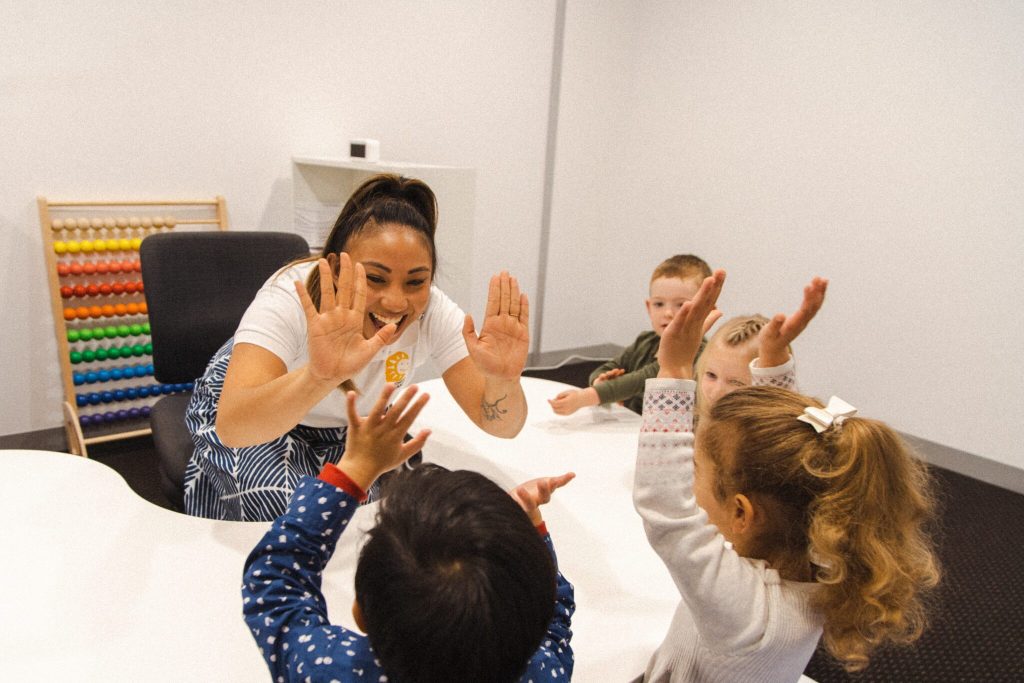
As we delve deeper into the various gamification strategies available, we uncover innovative ways to enhance memory for all age groups. From classroom settings to corporate training, these techniques are reshaping how we think about learning and memory retention. Real-world applications, such as the use of apps like Quizlet or Duolingo, exemplify how gamified learning can effectively facilitate language acquisition and subject mastery, making these platforms popular among users seeking to learn in an interactive manner.
Ultimately, the integration of gamification into educational and training programs opens exciting avenues for enhancing cognitive performance. Join us as we explore how to leverage gamification to unlock our full cognitive potential, encouraging curiosity and deeper learning in a world ripe with opportunity.
DISCOVER MORE: Click here to learn about the influence of strategy games on decision-making
Engaging Techniques to Boost Memory Retention
The application of gamification strategies in enhancing memory retention has revolutionized the way we understand learning processes. As people of all ages face an increasing number of distractions in their daily lives, harnessing the power of gameplay can help recapture their focus and significantly improve information recall. But what are the most effective gamification techniques that cater to both children and adults?
One effective approach is the use of storytelling combined with games. By embedding information within a narrative context, learners can relate better to the material, making it easier to recall later. For instance, educators can create immersive scenarios around subjects like history or science, allowing participants to solve puzzles or complete missions linked to the core content. This method not only aids memory retention but also encourages critical thinking and problem-solving skills.
Moreover, collaborative gaming stands out as a beneficial strategy. Group-based gamified activities are particularly advantageous for children and adults alike. They stimulate engagement and foster a sense of camaraderie, driving individuals to quiz each other or work together on tasks. When learning is framed as a shared experience, learners often absorb information more deeply—because teaching peers reinforces their understanding of content.
Some additional gamification techniques include:
- Flashcards with Gamified Elements: Traditional flashcards can be enhanced by introducing time limits or competition among users, making the process of memorizing facts much more engaging.
- Augmented Reality (AR) Games: AR merges learning with interactive experiences, allowing users to visualize and manipulate information in a 3D space, thereby reinforcing memory through action and visual context.
- Simulations and Role-Playing: Simulations create a risk-free environment where learners can apply what they’ve learned in realistic scenarios. Role-playing can transform learning into a dynamic forum for practicing skills, deeply embedding knowledge through experience.
As these techniques reveal, gamification strategies can create a motivation-rich environment that enhances memory retention. Engaging learners in multiple ways caters to different learning styles, ensuring that training is accessible to everyone. A study published in the *Computers & Education* journal noted that employing game-based learning can boost memory performance by as much as 50%, highlighting its profound impact across various age demographics.
It is crucial to recognize how such methods cater not only to school-aged children but also to adults in professional settings. Companies are increasingly adopting gamified training modules, which have been shown to reduce training costs while improving knowledge retention. This shift toward gamification in workplaces reflects an acknowledgment that people retain information more effectively when collaborative and interactive methods are utilized.
As we proceed with this exploration, let’s further examine specific applications of gamification that have shown success in improving memory retention, paving the way for enhanced learning opportunities. In doing so, we can unlock new pathways to knowledge that resonate with learners across all ages.
Exploring the Depths of Gamification in Memory Enhancement
Gamification, the integration of game elements into non-game contexts, has emerged as a powerful tool for enhancing memory in both children and adults. This innovative strategy taps into the natural human affinity for play and competition, making the process of learning and memory retention more engaging.
Key Elements of Gamification
Incorporating elements such as points, badges, and leaderboards can significantly motivate users to engage with the learning material. For instance, children are more likely to memorize information when it’s presented as a fun challenge, rather than a tedious task. Adults, too, find that gamified formats keep them invested in training programs and educational opportunities.This approach can be strategically tailored to suit different age groups. For younger learners, interactive games where they earn rewards for correct answers can bolster memory retention in a playful manner. Adults, on the other hand, may benefit from scenario-based simulations that challenge them to apply concepts rather than just memorize facts, leading to deeper understanding and improved recall.
The Science Behind Gamification
Research shows that gamification leverages neural pathways associated with reward and motivation. When participants enjoy the process, they are more likely to absorb and retain information. The competitive aspect creates a sense of urgency and excitement, further enhancing cognitive engagement. Moreover, gamification can foster social interaction through collaborative tasks and competitions, which in turn can enhance the memory process by creating shared experiences and discussions around the material. This social component is crucial, as studies indicate that memory is often improved through group dynamics and support.
Utilizing Technology in Gamification
With the advances in technology, there are now numerous platforms and applications designed specifically to implement gamification strategies effectively. Educational apps that use quizzes, interactive simulations, and challenge-based learning are increasingly popular among educators and learners alike. Moreover, online forums and communities allow users to share their progress, fostering motivation and accountability.The trend towards gamified learning does not just suggest a corporate responsibility towards innovative educational practices; it presents an exciting opportunity to enhance lifelong learning. The engagement facilitated by gamification can lead to not only improved memory retention but a more enthusiastic approach to education at all ages.
| Benefits of Gamification | Enhancements in Learning |
|---|---|
| Increased Engagement | Gamified activities capture attention and motivate participants. |
| Improved Retention | The fun and competitive nature aids in better memory recall. |
LEARN MORE: Click here to discover the benefits of brain teasers
Innovative Tools Amplifying Memory through Gamification
As we delve deeper into the nexus of gamification and memory enhancement, it’s essential to consider the innovative tools and platforms that have emerged to facilitate this transformation. Digital platforms harnessing gamification principles are gaining recognition for their effectiveness across various demographics, providing tailored experiences that drive engagement and retention.
One notable application is the rise of mobile learning applications. These applications often incorporate gaming elements such as points, badges, and leaderboards to motivate users. For example, apps like DuoLingo offer language learners interactive stories and challenges that make repetition fun and impactful. By blending language learning with game mechanics, users are more likely to remember vocabulary and grammar rules long-term. Studies indicate that learners using gamified apps report higher satisfaction and retention rates compared to traditional methods.
Another innovation is the use of interactive quizzes and trivia games. Platforms like Kahoot! have transformed classroom learning into a competitive game where participants can answer questions in real-time while earning points for correct answers. This technique not only reinforces knowledge but also sparks friendly competition, which can be particularly motivating for both children and adults. Research suggests that students participating in gamified quizzes are more likely to retain information, as they engage in active recall—a critical factor in memory formation.
In addition, the introduction of wearable technology can further enhance memory retention through gamification. Devices such as fitness trackers and smartwatches can include memory-enhancing games that promote cognitive engagement during physical activities. For instance, features that challenge users to remember specific routes or complete mental puzzles while exercising can create a dual benefit of physical fitness and mental acuity. This integration of physical and mental tasks aligns with scientific findings that suggest physical activity can boost cognitive function and memory.
Furthermore, the application of adaptive learning technologies can create customized gaming experiences based on individual performance. Programs that adjust the complexity of tasks as learners progress not only cater to personal strengths and weaknesses but also keep motivation high. For instance, tools like Quizlet use spaced repetition—a technique proven to aid memory retention—incorporating gamified elements to keep learners engaged and informed over the long term.
The wireless and interactive nature of these tools introduces a new layer of accessibility, allowing users to engage with learning material anytime, anywhere. A study published in the *International Journal of Educational Technology* highlighted that students who utilized gamified mobile learning platforms exhibited notable improvements in both memory performance and overall academic achievement, seeing enhancements of up to 70% in some cases.
Ultimately, the combination of technology and gamification fosters an engaging environment that not only supports memory enhancement but also promotes a lifelong love for learning. As educational methods continue to evolve, it will be intriguing to see how these technologies adapt further to meet the diverse needs of learners—from playful children to seasoned professionals—enhancing memory and reshaping our understanding of effective pedagogical practices.
DIVE DEEPER: Click here to uncover the fascinating history of brain teasers
Final Thoughts on Gamification Strategies for Memory Enhancement
In conclusion, the integration of gamification strategies into memory enhancement practices for both children and adults opens up a realm of possibilities for interactive learning and cognitive improvement. As we explored throughout this article, innovative tools such as mobile learning applications, interactive quizzes, and even wearable technology are revolutionizing the way we engage with information. These mechanisms not only make learning enjoyable but also facilitate significant improvements in memory retention, as evidenced by various studies indicating gains of up to 70% in performance.
Furthermore, the adaptability of technologies like adaptive learning programs ensures personalized experiences that can cater to an individual’s unique learning style and pace. This shift towards a more dynamic and centered approach to education fosters not only cognitive growth but also instills a passion for lifelong learning. As we further delve into this intersection of technology and education, it becomes increasingly crucial for educators and parents to embrace these strategies, providing avenues for enhanced memory capabilities.
Moreover, as advancements continue to unfold, the potential applications of gamification will likely extend beyond traditional settings, potentially influencing areas such as professional training and rehabilitation. By understanding and leveraging these innovative gamification strategies, we can empower individuals of all ages to maximize their cognitive capabilities and create a more engaged, informed society. Thus, the future is bright for those willing to explore the gamified journey to memory enhancement.
Related posts:
The Science Behind Memory Boosters in Mind Games
The influence of board games on players' memory and logical reasoning
How Memory Games Can Foster Social Connections and Cognitive Skills
How Sudoku and Crosswords Stimulate Memory Function
Using Memory Games to Improve Cognitive Flexibility
Exploring the Connection Between Brain Training and Memory Retention

Linda Carter is a writer and puzzle expert specializing in mind games, brain teasers, and cognitive challenges. With extensive experience helping individuals enhance their problem-solving skills and think critically, Linda shares her knowledge on our platform. Her goal is to empower readers with practical advice, engaging puzzles, and strategies to sharpen their minds and achieve success in the captivating world of mind games and puzzles.