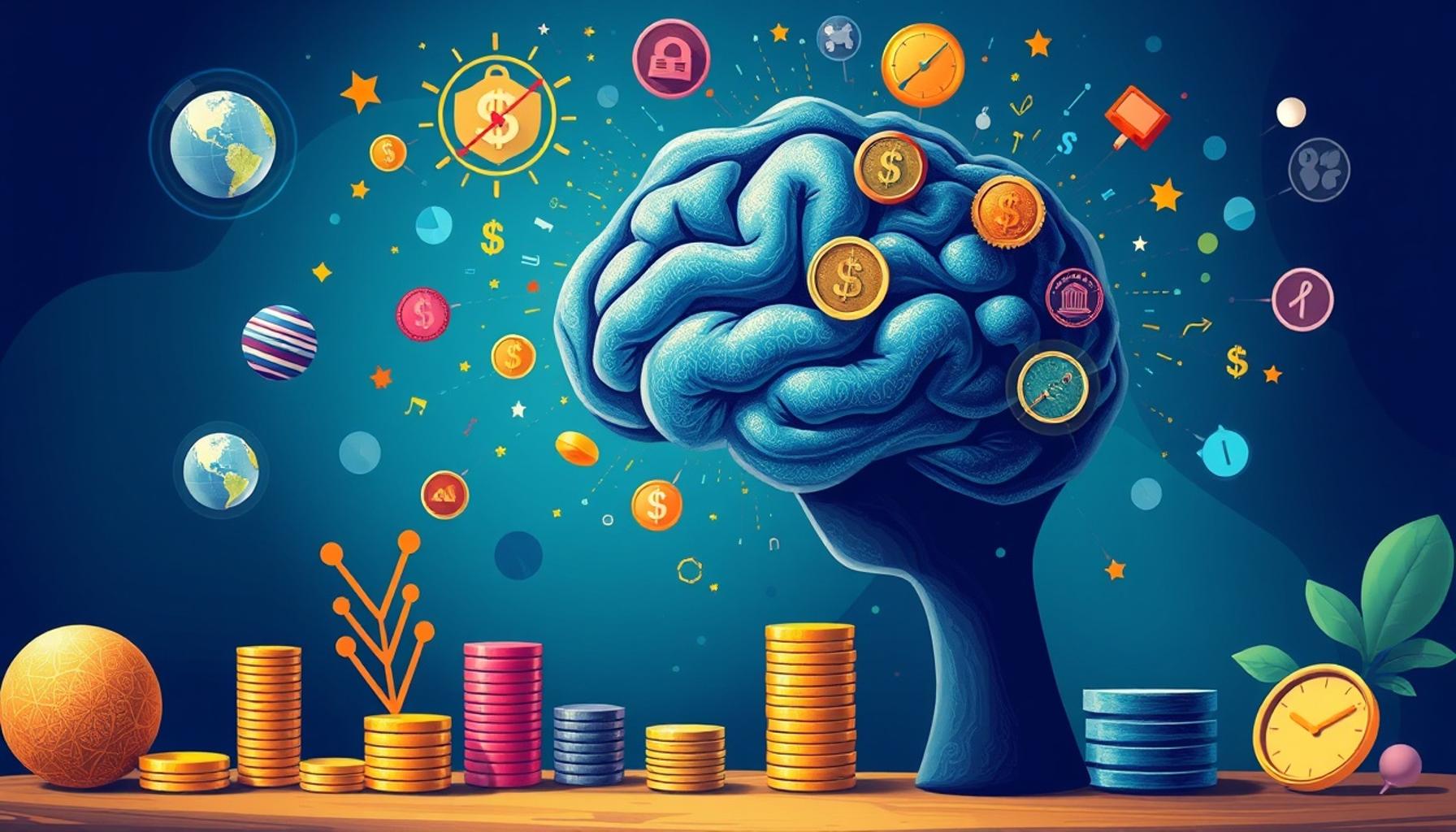
Exploring the Cognitive Benefits of Classic Board Games

The Cognitive Advantages of Board Games
Classic board games have long been a staple in homes across the United States, serving as a source of entertainment and companionship. Yet, they offer far more than just a way to pass the time. Engaging in these games can significantly enhance cognitive skills, making them a compelling avenue for personal development. As more people are rediscovering the charm of board games, it’s essential to delve deeper into the rich tapestry of benefits they provide.
One of the most compelling cognitive advantages of playing board games is the enhancement of problem-solving skills. Games like chess and checkers require players to strategize and anticipate their opponent’s moves, often several steps in advance. This not only sharpens logical thinking but also fosters creative solutions during play. For instance, a single game of chess can involve countless strategic possibilities, encouraging players to innovate under pressure.
Memory enhancement is another notable benefit. Classic games such as Scrabble and Monopoly challenge participants to recall various rules, strategies, and vocabulary. Players must memorize letter distributions or understand the nuances of property trading, which strengthens short-term and long-term memory. Research suggests that the mnemonic engagement required in these games may be beneficial in staving off cognitive decline among the elderly.
In addition, board games promote strategic thinking, particularly through titles like The Settlers of Catan. Players must manage resources, negotiate with others, and plan multiple moves ahead, developing their critical thinking and foresight. These skills are transferable to real-world scenarios such as project management and financial planning.
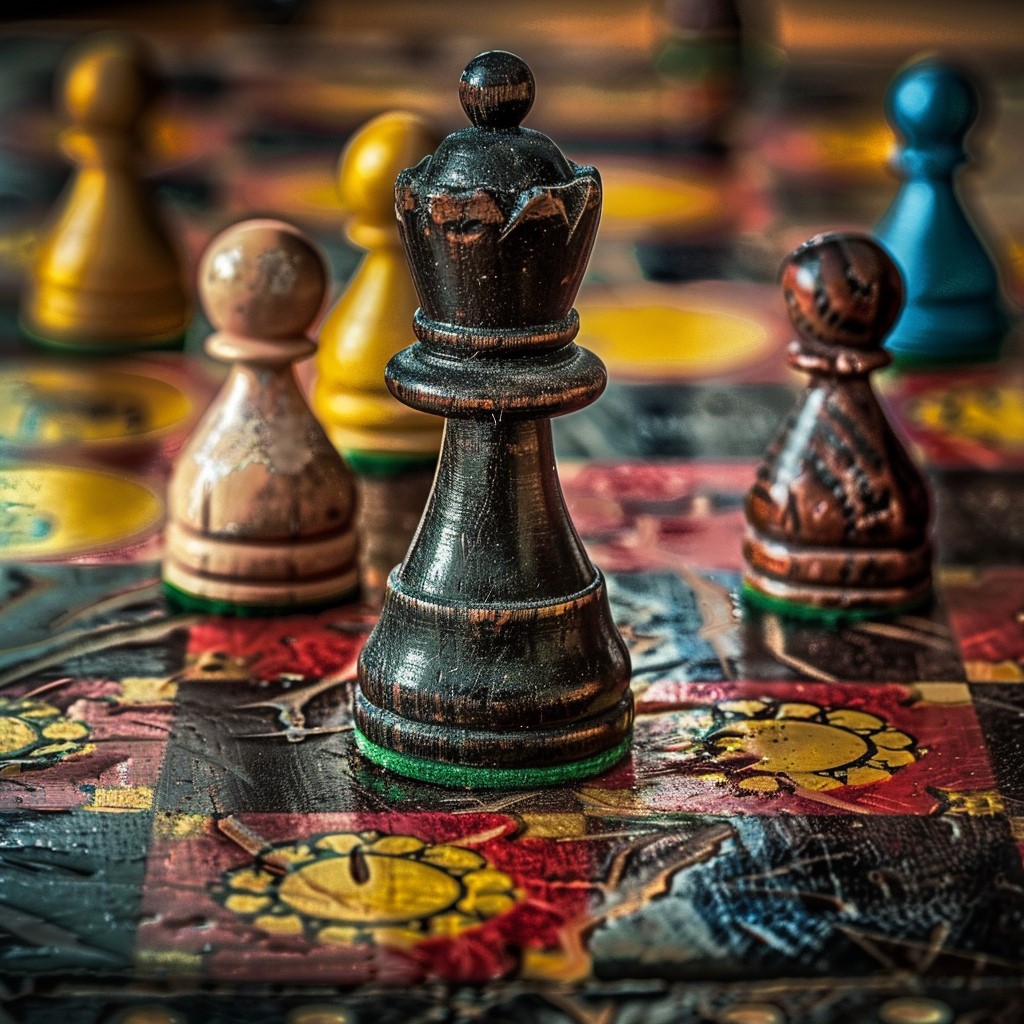
Furthermore, board games nourish social interaction. They provide an opportunity for meaningful communication and teamwork, essential components for cognitive growth. Engaging in friendly competition allows players to practice emotional intelligence, which is vital in both personal and professional contexts. These games serve as platforms for conversation, humor, and shared experiences, all of which contribute to stronger interpersonal bonds.
Extensive research supports the idea that frequent engagement with classic board games fosters measurable improvements in cognitive function. For older adults, in particular, these games can be instrumental in stimulating the brain, bolstering memory retention, and fine-tuning problem-solving skills.
As we further explore the enchanting realm of classic board games, it becomes clear that their value extends beyond fun and leisure. They are powerful tools that help in nurturing mental agility and facilitate social bonding. Dive into this captivating world of strategy, creativity, and collaboration, and witness how these timeless games continue to shape and sharpen our minds today.
DIVE DEEPER: Click here to uncover the science behind problem-solving
Unlocking Brain Potential Through Play
Classic board games are not merely a nostalgic pastime; they represent engaging avenues through which players can enhance various cognitive functions. In a world dominated by fast-paced technology, taking time to play a board game can significantly contribute to mental sharpness and emotional well-being. Below, we unpack specific cognitive benefits that arise from engaging with these timeless games.
Enhancing Problem-Solving Abilities
Games like chess and Risk have long been hailed for their ability to refine players’ problem-solving skills. As players navigate through multifaceted challenges, they are compelled to think critically, examine various outcomes, and implement strategies. This process of evaluation is not only applicable to the gaming board but also translates seamlessly into real-life situations. Here are some key ways board games enhance problem-solving abilities:
- Critical Thinking: Players develop the ability to analyse different elements of the game, whether it’s assessing risk versus reward or evaluating a competitor’s strategy.
- Adaptability: The unpredictable nature of board games means players must frequently adapt their strategies, thereby fostering flexibility in thought.
- Long-Term Planning: Many games require players to think several moves ahead, enhancing their ability to foresee potential challenges and opportunities.
Boosting Memory Through Engagement
Another significant cognitive benefit derived from classic board games is memory improvement. Titles such as Scrabble and Clue encourage players to remember and utilize a wealth of information, including word patterns, game rules, and player tendencies. Engaging in these activities can strengthen both short-term and long-term memory. Here are some intriguing insights into how board games contribute to memory enhancement:
- Rule Retention: Players must internalize game regulations, which helps boost their ability to remember complex details.
- Social Memory: Remembering past interactions and strategies used by fellow players fosters deeper connections and influences future gameplay.
- Cognitive Exercise: Research indicates that activities stimulating the brain, such as board gaming, can help keep cognitive decline at bay, particularly among older adults.
Fostering Strategic Thinking Skills
Strategic board games like The Settlers of Catan are particularly effective in fostering strategic thinking skills. Players must balance resource management, negotiation tactics, and position improvements while competing against others. The skills acquired through this form of play are invaluable across various aspects of life, from academic endeavors to career-related tasks. Some notable outcomes include:
- Resource Management: Players learn to allocate their resources wisely and prioritize actions that lead to victory, a skill directly applicable in business and finances.
- Negotiation Skills: Interaction with other players heightens persuasive communication, enabling individuals to practice and refine their negotiating tactics.
- Risk Assessment: Players become adept at weighing potential risks and rewards, a crucial skill in decision-making processes.
The implications of these cognitive advantages are profound. Engaging with classic board games not only entertains but also contributes to sharper thinking and improved interpersonal skills. As the movement to embrace more analog forms of entertainment gains momentum, classic board games offer a unique blend of fun and cognitive enhancement for people of all ages.
| Cognitive Skills Enhanced | Game Examples |
|---|---|
| Critical Thinking | Chess, Go |
| Problem-Solving | Settlers of Catan, Pandemic |
| Memory Improvement | Memory, Concentration Games |
| Strategic Planning | Risk, Ticket to Ride |
Classic board games such as Chess and Go are often heralded for their ability to enhance critical thinking skills. Players are compelled to analyze positions and forecast outcomes, fostering a mental agility that extends beyond the game itself. Games like Settlers of Catan and Pandemic emphasize problem-solving under pressure, requiring quick decisions that can shape the game and engage cognitive processes deeply. Memory-focused games, including Memory and various concentration games, serve to bolster memory improvement, showing benefits particularly in older adults who seek to maintain cognitive health. Furthermore, titles like Risk and Ticket to Ride necessitate strategic planning, reinforcing the importance of foresight and strategy in achieving long-term goals. The engagement in these cognitive challenges not only heightens critical skills but also creates a platform for social interaction, further enriching the experience of playing classic board games. Each game presents a unique opportunity to exercise and develop various cognitive abilities, making them invaluable in personal enrichment and lifelong learning. Readers are encouraged to explore these classic titles to uncover their own cognitive benefits and innovations.
DISCOVER MORE: Click here to delve deeper
Cultivating Social Skills and Emotional Intelligence
Classic board games are not only about winning or losing; they foster essential social skills and emotional intelligence that are increasingly critical in today’s interconnected world. Games such as Monopoly and Taboo encourage players to engage with others, requiring interpersonal communication and a more in-depth understanding of group dynamics. These interactions can have lasting effects on players’ social competence. Let’s delve into how board games can strengthen social skills and emotional awareness:
Building Communication Skills
Effective communication is at the heart of nearly every classic board game. Players will often find themselves expressing ideas, negotiating terms, or convincing others during gameplay. This high-stakes interaction promotes the development of verbal and non-verbal communication skills. Important aspects include:
- Active Listening: Players must attentively listen to the actions and strategies of their opponents, which can nurture their ability to comprehend and respond in conversations.
- Expressing Ideas: Articulating thoughts clearly is necessary in games, whether explaining rules or persuading others, thereby enhancing verbal fluency.
- Body Language Awareness: Recognizing opponents’ facial expressions and body language adds an additional layer to communication, fostering nonverbal cues understanding.
Improving Teamwork and Collaboration
Team-based games like Codenames or Pictionary emphasize collaboration and reinforce the value of working together towards a common goal. Such gaming experiences emphasize the importance of teamwork, fostering valuable skills such as:
- Cooperation: Players must coordinate with teammates to devise strategies, helping them value other perspectives and work effectively with diverse thinkers.
- Conflict Resolution: Challenges may arise during play, presenting opportunities for players to practice resolving disputes amicably.
- Empathy Development: Understanding a teammate’s strengths and weaknesses enhances players’ ability to empathize and support one another, which translates to real-world relationships.
Boosting Emotional Regulation
Moreover, classic board games can serve as a valuable tool for developing emotional intelligence. Players are frequently faced with wins and losses, exposing them to a variety of emotional experiences. Here’s how engaging in these scenarios aids emotional growth:
- Handling Defeat: Losing a game offers opportunities for coping with disappointment, teaching players how to manage setbacks constructively.
- Celebrating Successes: Winning provides a chance to experience joy and learn how to share that happiness with others, reinforcing positive social interactions.
- Stress Management: The strategic and competitive elements of board games enable players to practice stress management techniques in a fun, low-stakes environment.
As the popularity of digital gaming surges, embracing the simplicity and interpersonal richness of classic board games becomes paramount. These games not only serve as a source of entertainment but also represent vital resources for personal development and cognitive training. The myriad cognitive benefits they provide—spanning problem-solving, memory enhancement, strategic thought cultivation, and emotional intelligence—underscore their value as tools for growth and connection.
DIVE DEEPER: Click here to uncover the secrets of strategic winners
Conclusion: The Enduring Value of Classic Board Games
In a world increasingly dominated by digital distractions, the enduring charm of classic board games provides a unique platform for cognitive and social development. As we have explored, these timeless games are not merely a means of entertainment, but also crucial tools for enhancing critical thinking, memory retention, and strategic planning skills. The engagement fostered by games like Chess and Scrabble bolsters cognitive abilities while stimulating creativity and competitive spirit.
Additionally, the social interactions generated during gameplay cultivate vital communication skills and emotional intelligence, equipping players to navigate both personal and professional relationships more effectively. Board games encourage active listening and empathy, paving the way for improved teamwork and conflict resolution—skills that are paramount in today’s collaborative environments. Furthermore, the process of managing wins and losses helps develop emotional resilience, enabling individuals to handle challenges and setbacks with grace.
As families gather around the table, they share laughter, forge bonds, and create lasting memories, underscoring the role of classic board games as a catalyst for connection. The cognitive benefits extend far beyond the gaming surface, influencing players’ life skills and overall well-being. As we embrace the nostalgic joy of these games, it is clear that they serve both as entertainment and as valuable lessons in cognitive engagement and personal development. By rediscovering the art of board gaming, we not only celebrate a piece of cultural history but also fortify our mental acuity and social ties, ensuring that these classic games remain a cherished part of our modern lives.
Related posts:
The Role of Cognitive Challenges in Developing Resilience in Young Adults
The Influence of Cultural Variations on Puzzle Preferences and Cognitive Engagement
How Different Types of Puzzles Can Foster Critical Thinking Skills
The Effect of Competitive Mind Games on Team Dynamics and Collaboration Skills
How Collaborative Mind Games Can Improve Communication Skills Among Seniors
The Influence of Cognitive Games on Memory Retention and Recall

Linda Carter is a writer and puzzle expert specializing in mind games, brain teasers, and cognitive challenges. With extensive experience helping individuals enhance their problem-solving skills and think critically, Linda shares her knowledge on our platform. Her goal is to empower readers with practical advice, engaging puzzles, and strategies to sharpen their minds and achieve success in the captivating world of mind games and puzzles.