The Science Behind Brain Teasers: How They Stimulate the Brain
Unlocking the Mind: Understanding Brain Teasers
Have you ever solved a puzzle and felt a rush of accomplishment? That feeling is not just satisfaction; it’s a testament to how brain teasers engage and stimulate our cognitive functions. These intriguing challenges draw us in, often provoking a fierce determination to crack a seemingly impossible riddle or navigate a complex logic problem. The payoff? A significant boost to our mental faculties.
Brain teasers are not just entertaining diversions; they serve a critical purpose in enhancing our cognitive agility. Here’s how:
- Problem-Solving Skills: These puzzles require not just critical thinking but also creativity. For example, consider the classic riddle, “What has keys but can’t open locks?” The answer, of course, is a piano. Solving such riddles encourages us to think outside the box and draw connections that may not be immediately apparent.
- Memory Activation: Engaging with brain teasers can boost short-term memory. When you work on a crossword puzzle, for instance, you exercise your recall abilities as you search for words that fit specific clues. This practice of tapping into your memory can enhance your overall cognitive retention.
- Neuroplasticity: Regular interaction with these mental challenges promotes brain adaptability. Neuroplasticity refers to the brain’s ability to reorganize itself by forming new neural connections throughout life. Activities like brain teasers can encourage this process, making the brain more resilient to age-related decline.
Numerous studies affirm that puzzles stimulate various regions of the brain, fostering neurological connections that enhance overall brain health. Engaging regularly with brain teasers can yield several benefits:
- Improved Focus: The act of concentrating on a puzzle sharpens your attention span, which in turn can boost your performance in both professional and personal tasks.
- Increased Intelligence: Challenging the brain not only promotes problem-solving skills but also may contribute to an increase in IQ. A study published in the journal “Intelligence” indicated that participants who regularly engaged in cognitive tasks like brain teasers showed measurable improvements in IQ tests compared to those who did not.
- Stress Relief: Engaging with a challenging puzzle offers a mental reprieve, allowing you to escape from daily stressors. Focusing on a brain teaser can be a form of mindfulness that eases anxiety and helps you find your center.
As we delve deeper into this intriguing topic, we will uncover the scientific principles behind brain teasers and their profound impact on our mental wellness. By examining how a simple riddle or a tricky logic puzzle can transform your brain activity, we aim to highlight the often-overlooked benefits of these intellectual exercises. Are you ready to explore the fascinating interplay between puzzles and our cognitive health?
DISCOVER MORE: Click here to unlock memory-boosting puzzles
Decoding Brain Teasers: The Cognitive Benefits
At first glance, brain teasers may seem like mere entertainment, but they are powerhouses for cognitive development. When carefully crafted, these puzzles activate multiple cognitive processes simultaneously, acting like a workout for the brain. Let’s dissect the fascinating science behind their effectiveness and the underlying mechanisms that contribute to cognitive enhancement.
Understanding Cognitive Processing
Brain teasers require various cognitive skills, from logical reasoning to verbal comprehension. When you approach a riddle or a puzzle, your brain initiates several complex processes:
- Analytic Thinking: Many brain teasers involve patterns and sequences, prompting the brain to analyze information critically. This involves breaking down problems into smaller, manageable parts to understand the whole better.
- Creative Thinking: Solving puzzles often requires thinking beyond conventional boundaries. The ability to shift perspectives and explore alternative methods of problem-solving is a skill sharpened through regular engagement with these teasers.
- Strategy Development: When faced with challenging questions, individuals craft personalized strategies. These tailored approaches not only enhance efficiency in solving the puzzle at hand but also translate into improved problem-solving skills in everyday scenarios.
Neuroscience Insights: Brain Activation Patterns
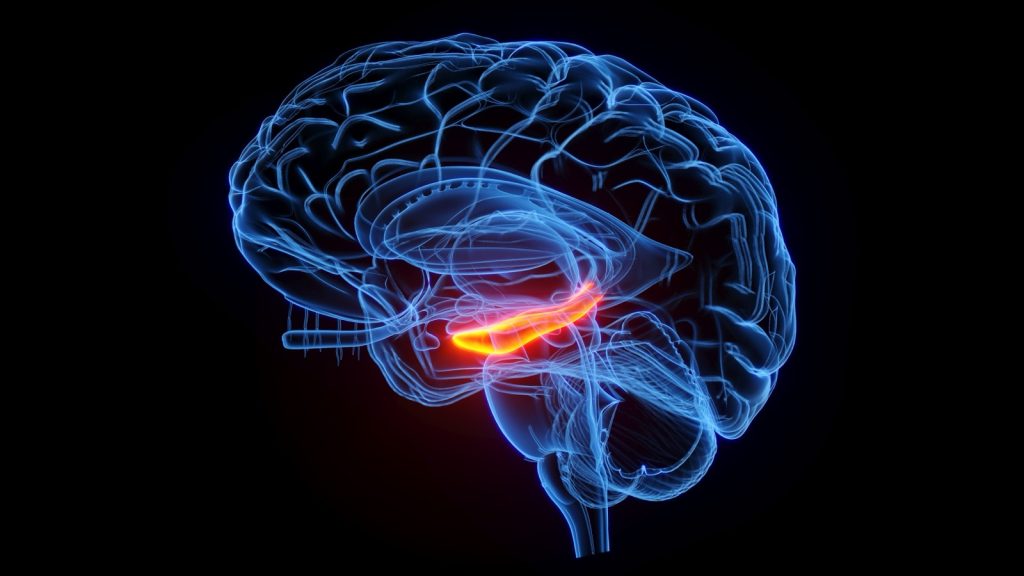
Recent neuroscience research has delved into how brain teasers affect neural pathways. Advanced imaging techniques, like functional magnetic resonance imaging (fMRI), have shown that engaging with brain teasers activates regions such as the prefrontal cortex, responsible for complex cognitive behavior and decision-making. Moreover, areas associated with emotional response, such as the limbic system, light up as well, demonstrating that solving puzzles can elicit feelings of joy and satisfaction.
This multi-area activation not only encourages better cognitive performance but also reflects an increase in neurotransmitter levels such as dopamine. When individuals successfully tackle a challenging puzzle, dopamine release rewards the brain, fostering a sense of happiness and motivation to continue seeking out similar challenges. This cycle of enjoyment and challenge solidly reinforces the habit of engaging with brain teasers.
The Long-Term Impact of Regular Engagement
The advantages of consistent practice with brain teasers extend beyond immediate satisfaction and engagement. Studies suggest that individuals who regularly solve puzzles may experience enhanced overall cognitive health. As we age, cognitive decline can be a concern; however, engaging actively with brain teasers promotes an ongoing neuroplasticity that helps fend off age-related impairments. Furthermore, a study published in the journal “Psychology and Aging” found that older adults who frequently participated in mental challenges demonstrated better cognitive functioning compared to their counterparts who did not.
Clearly, the relationship between brain teasers and cognitive stimulation is profound and multifaceted. As we continue this exploration, we will further uncover intriguing insights into how these intellectual pursuits not only benefit us today but pave the way for a sharper mind in the future.
The Role of Brain Teasers in Cognitive Development
Brain teasers play an essential role in fostering cognitive development by engaging various regions of the brain. These stimulating puzzles often require problem-solving skills, logic, and critical thinking, which actively foster neural connections. When individuals tackle brain teasers, they exercise their memory, concentration, and analytical skills, leading to lasting improvements in cognitive function. This phenomenon is known in psychology as neuroplasticity, where the brain adapts and rewires itself in response to new challenges and experiences.
Enhanced Problem-Solving Skills
By presenting unique challenges, brain teasers encourage a shift in perspective, pushing individuals to think outside the box. The creative thinking that develops through these puzzles can be invaluable in everyday life, enabling individuals to approach problems from various angles. Research indicates that regularly solving brain teasers not only enhances logical reasoning but also stimulates the frontal lobe, which is responsible for decision-making and complex thoughts.
Emotional and Mental Well-Being
Engaging in mental exercises through brain teasers has additional benefits beyond cognitive enhancement. They can reduce stress and promote a sense of achievement and satisfaction when solved. Participating in brain teasers can also be a fun social activity, fostering relationships and community as individuals share challenges and solutions with one another. This social aspect contributes to improved emotional intelligence, creating a happier and more fulfilled individual.
Challenges Presented by Brain Teasers
Despite the numerous benefits, brain teasers can sometimes lead to frustration, particularly for those who struggle to solve them easily. It is crucial to find a balance between challenging oneself and maintaining motivation. Experts suggest that choosing the right difficulty level enhances the overall experience and effectiveness of brain exercise. Incorporating a variety of brain teasers into your daily routine can be an excellent way to maintain mental sharpness while also fostering a love for learning and discovery. As technology advances and our lifestyles shift, the importance of engaging in traditional brain challenges remains ever relevant. By integrating brain teasers into both educational and leisure activities, we can nurture our cognitive capabilities for a sharper mind and an enriched life.
DIVE DEEPER: Click here to explore the connection
Cognitive Flexibility: The Key to Problem-Solving
Another essential component of brain teasers is their ability to promote cognitive flexibility. This refers to the brain’s capacity to adapt its thinking strategies and switch between different concepts. Engaging with brain teasers forces the brain to navigate various lines of thought, problem-solving techniques, and approaches. This training in flexibility enables individuals to better adjust to unfamiliar situations in daily life, whether in the workplace or personal challenges.
The Role of Working Memory
Most brain teasers demand an influx of information, which calls upon the working memory. This cognitive system allows individuals to hold and manipulate information over short periods while solving complex scenarios. Research indicates that enhanced working memory correlates with better problem-solving skills. Studies from the American Psychological Association highlight that regular practice with puzzles and brain teasers significantly strengthens one’s working memory capacity, ultimately facilitating quicker and more effective cognitive responses. As individuals refine this aspect of their cognitive abilities, they may notice improvements not only in puzzle-solving but also in tasks that require critical and online thinking, such as academic pursuits and decision-making processes in professional settings.
Memory Retention and Recall
Puzzles also play a vital role in enhancing memory retention and recall. When solving riddles, individuals often utilize associative memory, establishing connections between different pieces of information or concepts. Engaging with brain teasers involves repeating and processing clues, which reinforces memory pathways. According to research published in the journal “Neuropsychology,” individuals who consistently challenge their memory through puzzles demonstrate a greater ability to retain and recall information effectively.
Social and Emotional Benefits of Brain Teasers
Beyond cognitive development, brain teasers provide social and emotional benefits. Collaborative problem-solving, often seen in group settings like trivia nights or escape rooms, fosters social interaction, encouraging communication and teamwork. These activities often create a vibrant atmosphere where collective emotional support enhances both the experience and the effectiveness of the puzzle-solving process.
Moreover, the emotional lift associated with successfully solving a brain teaser—when you finally decipher that tricky riddle—can significantly reduce stress and provide an enormous boost in mood. Engaging in brain teasers serves as a productive distraction from daily pressures, aiding in mental well-being. The positive dopamine surge experienced upon puzzle completion contributes to building resilience against stress and anxiety, which have become increasingly relevant in today’s fast-paced society.
Furthermore, sharing these moments with friends or family can strengthen interpersonal bonds, providing a platform for connection through shared challenges and triumphs. The social element of brain teasers is particularly essential for younger generations, who often navigate their relationships digitally. By engaging with brain teasers in person, they can develop communication skills and emotional intelligence, essential competencies for their future.
As we further uncover the layers of cognitive enhancement linked to brain teasers, it becomes clear that their benefits stretch far beyond mere amusement. Understanding their profound impact on brain function can inspire individuals to incorporate these engaging challenges into their daily routines, reaping psychological, emotional, and cognitive rewards.
DIVE DEEPER: Click here to learn more
Conclusion: Unlocking the Brain’s Potential Through Brain Teasers
In conclusion, the science behind brain teasers reveals a fascinating interplay between cognitive development and mental agility. Engaging with these challenges enhances cognitive flexibility, empowering individuals to traverse different thought patterns and problem-solving techniques. This capability has far-reaching implications for navigating daily life, from adapting to unexpected work situations to overcoming personal obstacles.
The focus on working memory as a critical component of puzzle-solving illustrates the brain’s remarkable ability to manage and manipulate information efficiently. Regular engagement with brain teasers can result in lasting improvements to one’s cognitive capabilities, promoting skills not only vital for games but also for academic and professional success. Furthermore, the enhancement of memory retention and recall showcases how such exercises serve as invaluable tools for solidifying knowledge and improving learning outcomes.
Equally important are the social and emotional benefits that arise from cultivating a shared experience through collaborative problem-solving. The interactive nature of brain teasers fosters meaningful connections, reinforcing relationships while simultaneously boosting mood and alleviating stress. This emotional uplift contributes to overall mental wellness, making brain teasers a holistic approach to cognitive health.
As new research continues to shed light on these connections, it is essential for individuals to explore the intriguing world of brain teasers. By incorporating these thought-provoking puzzles into daily routines, people not only challenge themselves but also unlock their brain’s hidden potential, paving the way for improved mental performance and emotional resilience. So, why not dive into a brain teaser today? Your mind might thank you for it tomorrow.
Related posts:
How Brain Teasers Can Improve Your Memory and Cognitive Skills
Brain Teasers for Kids: Developing Cognitive Skills from an Early Age
Brain Teasers and Neuroscience: What Happens in Our Brain During Problem Solving
The Psychology of Brain Teasers: Why Do We Love Mental Challenges?
The Role of Brain Teasers in Developing Problem-Solving Skills in Adults
The Importance of Brain Teasers in Stress Reduction and Increased Concentration

Linda Carter is a writer and puzzle expert specializing in mind games, brain teasers, and cognitive challenges. With extensive experience helping individuals enhance their problem-solving skills and think critically, Linda shares her knowledge on our platform. Her goal is to empower readers with practical advice, engaging puzzles, and strategies to sharpen their minds and achieve success in the captivating world of mind games and puzzles.