Using Board Games to Develop Strategic Thinking Skills
Unlocking Strategic Thinking Through Play
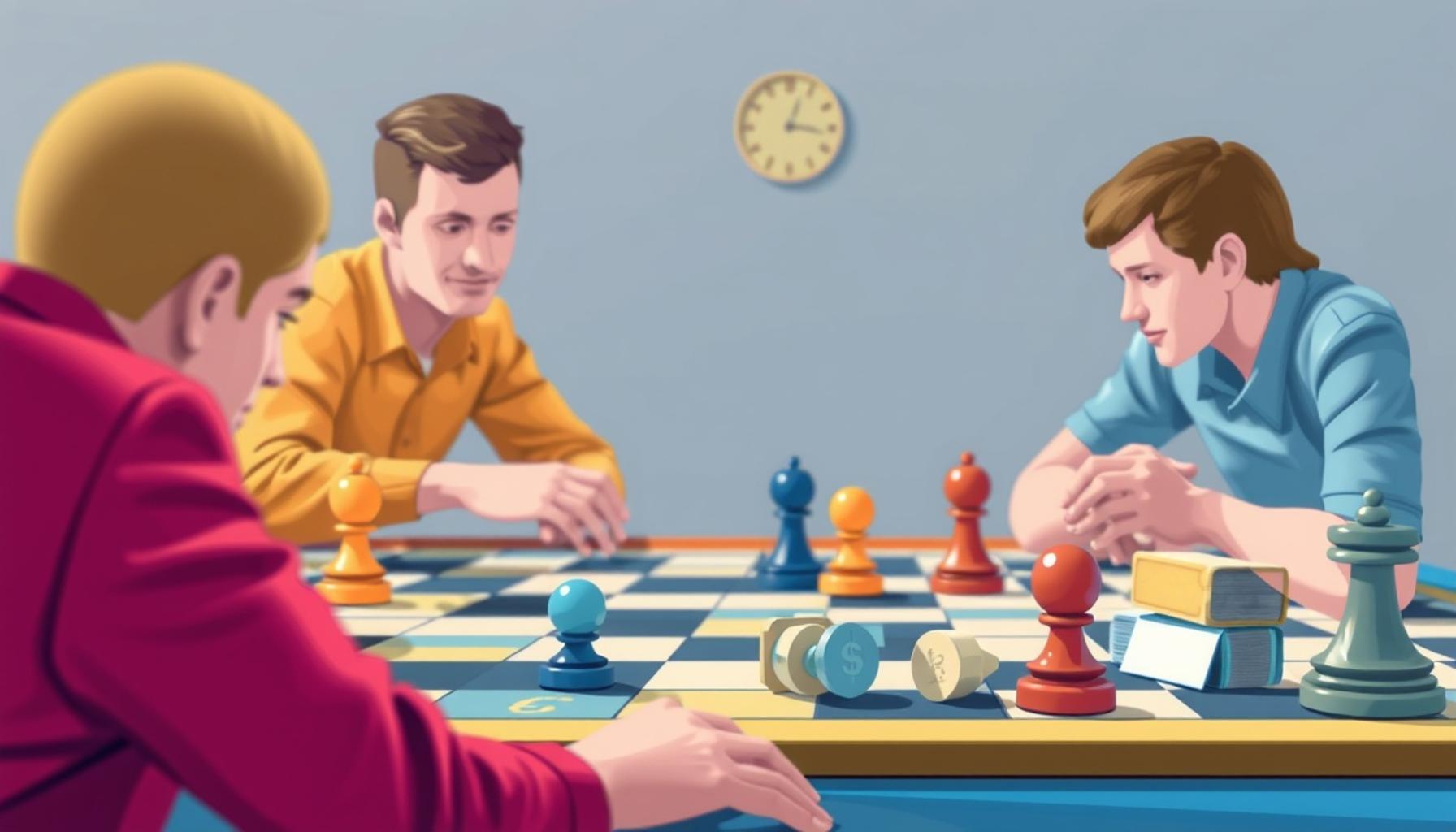
Engaging in board games is an age-old tradition that has persisted despite the rise of digital entertainment. With their rich histories and intricate designs, these games offer players not only entertainment but also a robust framework for developing strategic thinking skills. Imagine transforming your next game night into an opportunity to enhance your cognitive abilities while enjoying the company of friends and family.
Why Board Games Matter
Board games extend far beyond mere leisure; they are a mental exercise that challenges players in numerous ways. Throughout a single game, participants will:
- Analyze situations: Players must keenly observe their opponents’ strategies and make predictions about their future moves. A classic example is in Chess, where each player needs to assess potential threats and opportunities several moves ahead, fostering a deep analytical mindset.
- Formulate plans: Establishing a route to victory requires meticulous planning and foresight. In games like Settlers of Catan, players must strategically gather resources while negotiating trades with others, showcasing the importance of long-term planning.
- Adapt quickly: In the dynamic environment of board games, the ability to pivot in response to unexpected game developments is crucial. The changing landscape in games such as Monopoly or during a tense round of Carcassonne exemplifies how quickly players must reassess their strategies.
The skills honed during these gaming sessions extend well beyond the table, affecting decision-making, logic, and interpersonal relations in day-to-day life.
A Rich Variety of Games
The vast array of board games available today, from the strategic depth of Risk to the collaborative nature of Pandemic, offers something for everyone. Each game presents unique challenges that contribute to the development of:
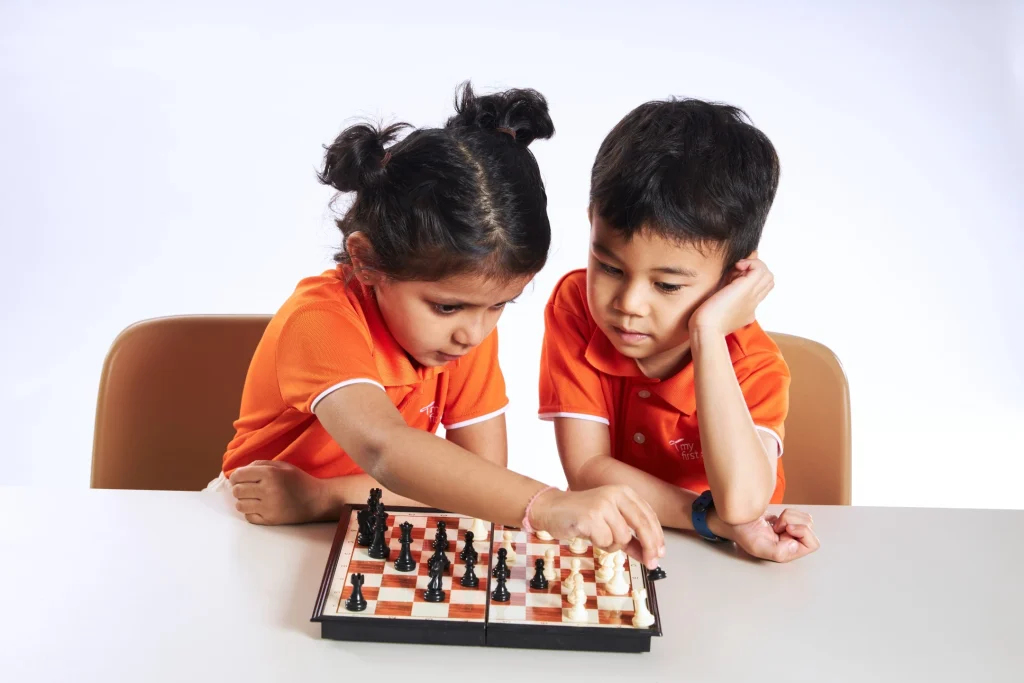
- Problem-solving skills: Players face obstacles that require quick thinking and creative solutions, fostering a resourceful mindset.
- Teamwork and communication: Games such as Forbidden Island rely on players working collectively towards a common goal, enhancing social dynamics and cooperative strategies.
- Long-term planning: Developing a strategic vision in games like Ticket to Ride emphasizes future thinking, as players must consider the consequences of their moves on later turns.
Both children and adults can benefit from playing these games, making them an ideal choice for fostering bonds within families and among friends. With so many engaging options available, you might wonder: how can you leverage these interactive experiences to not only have fun but also sharpen your mind? Are you ready to strategize your way to improvement while enjoying memorable moments with loved ones? The world of board games awaits—an intricate blend of challenge, creativity, and camaraderie.
DISCOVER MORE: Click here to unlock the benefits
The Mechanics of Strategy in Board Games
At the heart of every engaging board game lies a set of mechanics that challenge players to build and refine their strategic thinking skills. Understanding these mechanics allows one to grasp how these games not only entertain but also foster critical thinking, creativity, and foresight. By dissecting the underlying systems of popular board games, we can uncover how the interplay of elements can significantly enhance cognitive abilities.
Understanding Game Mechanics
Game mechanics are the rules and systems that guide how players interact with the game and each other. These rules shape the gameplay experience, making it essential to comprehend their nuances to foster effective strategic thinking. Let’s explore several key mechanics found in widely played board games that encourage strategic and critical thinking:
- Resource Management: Games like Seven Wonders or Terraforming Mars require players to manage in-game resources efficiently. Players must prioritize which resources to acquire, balancing immediate needs against future goals. The ability to forecast and allocate resources can translate into improved management skills in real-life scenarios.
- Decision Making Under Uncertainty: Board games such as Bluff or Werewolf hinge on the ability to make quick decisions while considering the unpredictability of opponents’ actions. Players learn to assess risks and rewards, a skill that can enhance everyday decision-making processes.
- Turn Order and Timing: Timing can be everything in games like Puerto Rico, where the order of turns affects available actions and opportunities. Understanding how to leverage advantageous timing can improve players’ ability to recognize when to act decisively or to hold back.
By diving into the intricate mechanics of these games, one can appreciate how each decision carries weight and consequences, echoing real-life challenges. Players must balance short-term gains with long-term strategies while acting upon the knowledge gleaned from their opponents’ behavior.
Expanding Beyond the Table
The impact of board games stretches well beyond the confines of the tabletop. Skills cultivated during gameplay have been shown to positively affect various aspects of life, including career success and personal relationships. For instance, the communication and negotiation skills refined in games like Diplomacy provide practical experience in both professional and casual settings. Similarly, the analytical mindset developed through logical deduction in games like Codenames can enhance one’s problem-solving abilities.
As the popularity of board games continues to rise in the United States, communities are finding innovative ways to incorporate these games into educational frameworks. Schools and learning centers now recognize the benefits of using board games to promote strategic thinking skills, turning what many consider leisure activities into valuable learning tools.
In essence, indulging in board games serves not only as a means of enjoyment but also as a powerful method to sharpen our strategic minds. With a plethora of options available, the challenge lies in selecting the right games that fit personal interests while maximizing cognitive benefits. Are you ready to explore the world of board games and discover the strategic potential they hold? The next game night could well be the perfect launching pad for cultivating your strategic prowess.
Using Board Games to Cultivate Strategic Thinking
Board games have long been a source of entertainment, but they also serve as invaluable tools for developing strategic thinking skills. Many players are often unaware of the rich cognitive benefits that these games offer. Let’s explore how engaging in board games can shape sharper minds through a structured table that outlines their key advantages.
| Category | Advantages |
|---|---|
| Enhanced Decision-Making | Players learn to evaluate options and foresee consequences, honing their ability to make informed choices. |
| Social Interaction | Board games promote teamwork and communication, encouraging players to strategize collaboratively. |
Exploring various games like Chess, Settlers of Catan, and Risk can significantly boost cognitive development. For instance, Chess not only enhances foresight but also encourages planning several moves ahead. The strategic depth of these games creates a rich learning environment that challenges players. Additionally, as players engage in these complex interactions, they also develop patience and the ability to anticipate opponents’ moves. The more you play, the sharper your skills become, making this pastime an enduring method for nurturing strategic thinking abilities. With each game, players cultivate essential life skills that extend beyond the board.
DIVE DEEPER: Click here to uncover the impact of logic puzzles
Social Dynamics and Strategic Thinking
Beyond the mechanics of gameplay, the social environment inherent in board games further enriches the development of strategic thinking skills. Interaction with fellow players introduces layers of complexity that mimic real-world situations, where collaboration, conflict, and negotiation often prevail. Understanding social dynamics can greatly enhance strategic capabilities, offering invaluable lessons that can be applied in both personal and professional contexts.
Collaboration and Teamwork
In games such as Pandemic and Hanabi, players must work together to achieve a common goal, which fosters a sense of teamwork. The necessity for collaboration encourages players to articulate their thoughts and strategies effectively. Through these interactions, individuals learn to balance their input while considering the insights of others, ultimately leading to more robust strategies. In real-life scenarios, strong teamwork is essential in workplaces, where diverse ideas converge to create innovative solutions.
Navigating Conflict and Competition
Conversely, games that emphasize competition, such as Risk or Settlers of Catan, teach players how to navigate conflicts and challenges posed by opponents. The constant back-and-forth of strategy to outmaneuver competitors builds resilience and adaptability. Players develop the ability to anticipate their opponents’ moves, a skill that has critical applications in various competitive environments, such as negotiations in business or even discussions among family and friends about household decisions. These high-stakes decisions in games replicate real-life pressure, demanding quick, strategic responses.
The Power of Reflection
Another essential aspect of strategic thinking arises from the practice of reflection post-game. Analyzing the decisions made during gameplay allows players to identify strengths and weaknesses in their strategic approaches. For example, after completing a game of Chess, players often review their moves to understand alternative strategies they could have employed. This reflective practice cultivates a mindset geared toward continual improvement, a valuable trait in both academic and professional settings that encourages lifelong learning and adaptability.
Board Games as Educational Tools
Recognizing these benefits, educators across the United States are increasingly integrating board games into curricula as tools for teaching strategic thinking. Programs that focus on critical thinking through games are now being established in classrooms, extending beyond traditional educational methods. For instance, GameSchooling is a growing movement advocating for the use of board games to engage students in problem-solving and strategic discussions. Studies have indicated that incorporating games into educational practices results in higher levels of engagement and improved academic performance, demonstrating that the fusion of fun and learning can lead to significant cognitive benefits.
Moreover, organizations such as The International Game Developers Association (IGDA) emphasize the importance of games in promoting creativity and logical reasoning. This trend reflects the understanding that strategic board games can provide immense value in nurturing the leaders and innovators of tomorrow.
Therefore, the profound impact of board games on nurturing strategic thinking skills is undeniable. By challenging players to think critically, collaborate effectively, and reflect upon their gameplay, these engaging platforms serve as essential tools for personal growth and social development. The next time you gather around a board game, consider it an opportunity not just for entertainment, but for honing your strategic acumen in ways that could benefit you long after the game has concluded.
DIVE DEEPER: Click here to uncover the benefits
Conclusion: Embracing Board Games for Strategic Growth
In conclusion, the implementation of board games as tools for developing strategic thinking skills presents a unique and engaging avenue for enhancing cognitive abilities. Their multifaceted nature not only promotes critical thinking and decision-making but also instills values of collaboration and adaptability. As players navigate through intricate gameplay, they are mirroring real-life situations that require foresight and negotiation, crucial skills in both personal and professional realms.
The impact of board games extends into educational settings, with initiatives like GameSchooling illustrating the growing recognition of their benefits in enhancing student engagement and fostering critical thought. The infusion of play into learning environments nurtures a climate where students can thrive through problem-solving and teamwork, leading to improved academic outcomes.
Moreover, the post-game reflection reinforces a growth mindset, allowing individuals to learn from their successes and setbacks, further refining their strategic abilities. As awareness of these advantages continues to spread, board games are likely to become an integral element in developing the leaders of tomorrow.
As you embark on your next game night, recognize that every move you make is an opportunity to sharpen your strategic thinking skills. The lessons imparted through these captivating experiences can translate into valuable competencies that resonate far beyond the gaming table. So, gather your friends or family, choose your favorite game, and embark on a journey that promises not only enjoyment but a wealth of strategic growth.
Related posts:
Logical Puzzles: How Solving Challenges Stimulates the Strategic Mind
Strategic Reasoning in Simulation Games: Learning from Virtual Scenarios
Logic Puzzles: The Intersection Between Creativity and Strategic Thinking
The Influence of Video Games on the Improvement of Strategic Thinking
Competitive Card Games: How Strategic Thinking Can Define Winners
The Impact of Real-Time Strategy Games on Rapid Decision Making

Linda Carter is a writer and puzzle expert specializing in mind games, brain teasers, and cognitive challenges. With extensive experience helping individuals enhance their problem-solving skills and think critically, Linda shares her knowledge on our platform. Her goal is to empower readers with practical advice, engaging puzzles, and strategies to sharpen their minds and achieve success in the captivating world of mind games and puzzles.