
Mind Games: Enhancing Critical Thinking Through Competitive Strategy
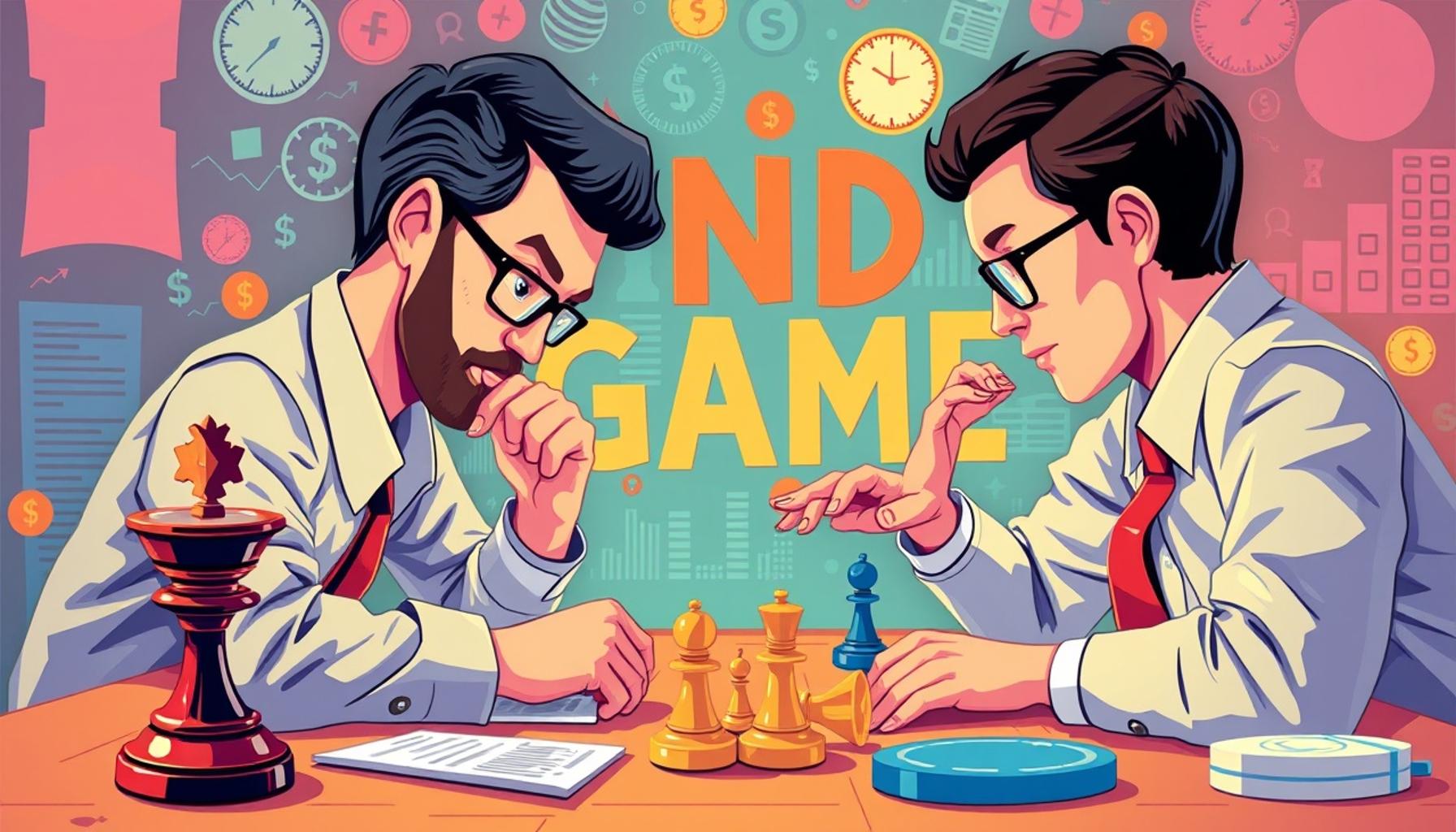
The Role of Mind Games in Cognitive Development
In today’s fast-paced world, where decision-making is often based on rapid assessments of complex information, critical thinking emerges as a cornerstone skill. Mind games provide a unique platform for cultivating this essential ability, offering rich environments for analytical reasoning and strategic planning.
Many observers underestimate the substantial impact that games can have on enhancing cognitive skills. The benefits extend far beyond mere entertainment. Here are some key advantages to take into consideration:
- Boosts Cognitive Abilities: Engaging in strategic games improves cognitive functions such as memory, attention, and reasoning. Research has shown that players who regularly engage in these mental exercises often exhibit better recall abilities and sharper focus. For instance, studies indicate that older adults who play games like bridge or chess may experience slower cognitive decline.
- Encourages Strategic Thinking: Mind games compel players to think several moves ahead, making them adept at planning and anticipating others’ actions. Games like chess, where players must consider countless permutations of their opponent’s potential responses, exemplify this need for forward-thinking. This ability to strategize is not just applicable in games, but also in personal and professional scenarios, such as negotiation and project management.
- Promotes Collaboration: Many mind games require teamwork and effective communication. Cooperative games such as Pandemic or Overcooked offer players opportunities to hone their interpersonal skills while working towards a common objective. These experiences are foundational for developing strong collaboration skills, essential in both academic and work environments.
Popular mind games include classic board games like chess and poker, but the landscape has broadened to encompass immersive video games that emphasize strategy. Titles like StarCraft or Civilization demand that players continuously assess complex scenarios, nurturing a mindset sharpened for critical evaluation and strategic foresight.
The progressive inclusion of mind games in educational settings across the United States marks a significant shift in how educators view cognitive development tools. Schools are increasingly recognizing the value of integrating these activities into their curricula, understanding that they play a crucial role in sculpting the leaders of tomorrow. Programs that incorporate strategy games not only engage students but also enrich their problem-solving skills in real-world contexts.

In conclusion, by delving into the world of mind games, players can embark on a transformative journey that advances their cognitive landscape. Whether for leisure or education, engaging with these games can lead to profound benefits, turning participants into savvy thinkers and adept strategists. Are you prepared to embrace the challenge and unlock your cognitive potential?
DISCOVER MORE: Click here to enhance your puzzle skills
Navigating Cognitive Complexity Through Mind Games
Mind games have evolved from traditional board games to an expansive world of digital and communal experiences, emphasizing not only skill and strategy but also critical thinking. With complexity embedded in every layer of gameplay, players are presented with multifaceted challenges that demand logical analysis and a structured approach to problem-solving. The innate essence of mind games lies in their ability to engage players not just in frivolous fun, but in a rigorous cognitive workout that sharpens their mental faculties.
To grasp how mind games enhance critical thinking, it is imperative to understand the underlying mechanisms at play. These games often simulate real-life situations requiring players to make informed decisions, evaluate risks, and adapt to evolving dynamics. Through every match, players train their brains to:
- Analyze Patterns: Many strategic games, such as poker and chess, depend heavily on recognizing patterns in opponent behavior and game progression. Successfully identifying these trends allows players to devise counterstrategies, enhancing their analytical capabilities.
- Make Calculated Decisions: Mind games necessitate weighing pros and cons before making a move. Games like Settlers of Catan require players to consider resource management and potential outcomes, reinforcing the need for prudent decision-making skills.
- Adapt Under Pressure: Competing against others adds a layer of intensity to the experience, compelling players to perform under pressure. Real-time strategy games such as StarCraft require quick thinking and rapid adjustments, emulating high-stakes environments in business or personal contexts.
Research supports the cognitive benefits of these games, revealing that individuals engaged in strategic gameplay exhibit enhanced brain connectivity and improved problem-solving skills. A notable study conducted by the University of California found that participants who regularly played strategy-based games demonstrated greater cognitive flexibility, allowing them to switch between ideas and approaches more effectively than non-players.
The implications of these findings extend into a myriad of everyday situations. For instance, business professionals can draw parallels between strategy games and project management, where anticipating market shifts and competitors’ actions becomes essential. Similarly, educators are increasingly integrating mind games into their curricula; a trend that not only captivates students but cultivates essential skills for a future that demands innovative thinkers.
Ultimately, mind games serve as a fascinating intersection of entertainment and education, contributing profoundly to critical thinking development. As technology continues to shape the landscape of competitive strategy, aspiring cognitive enthusiasts now have more opportunities than ever to enhance their skills through engaging mental challenges. Exploring this realm may lead individuals toward unlocking not just victory in games, but also the acumen to navigate the complexities of modern life.
| Category | Description |
|---|---|
| Strategic Thinking | Mind games promote deep analysis, enabling players to assess situations from multiple angles. |
| Enhanced Decision-Making | Through competitive gameplay, participants learn to make quick yet well-informed decisions under pressure. |
| Collaboration | Team-based challenges foster communication skills and cooperative problem-solving, vital for achieving group objectives. |
| Increased Adaptability | Players become adept at pivoting strategies in response to changing situations, enhancing their flexibility in real-world scenarios. |
The theme “Mind Games: Enhancing Critical Thinking Through Competitive Strategy” introduces various dimensions of gameplay that go beyond mere entertainment. By engaging in thought-provoking challenges, players hone their abilities in strategic thinking, which is crucial in today’s fast-paced world. This skill is applied not only in games but also in everyday situations that require quick analysis and problem-solving.Moreover, while participating in competitive strategy games, individuals find themselves in scenarios that necessitate enhanced decision-making. The pressure of real-time competition teaches players how to weigh options keenly, preparing them for high-stakes environments. Additionally, teamwork becomes an integral facet, as many games require players to develop their collaboration skills. This bonding contributes to a comprehensive understanding of the benefits of working towards a common goal. As players adapt to new challenges and evolving game dynamics, they cultivate adaptability, a trait that proves invaluable beyond the gaming world. Each session of competition acts as a training ground for critical thinking and strategic prowess, enabling players to navigate complexities with greater dexterity. Explore these remarkable advantages and discover how mind games can reshape cognitive abilities and strategic thinking in everyday life and business.
DISCOVER MORE: Click here to learn about brain training and memory retention
The Role of Collaboration and Social Interaction in Mind Games
In addition to fostering individual cognitive abilities, mind games often emphasize the importance of collaboration and social interaction. This social aspect serves as a critical component in enhancing critical thinking skills, as players must communicate effectively, negotiate strategies, and often work in teams to achieve common objectives. The interactive nature of these games extends their influence beyond mere logic; they encourage emotional intelligence, patience, and understanding—qualities that are invaluable in both personal and professional realms.
One might wonder how exactly this collaboration boosts critical thinking. Consider games like Werewolf or Ultimate Werewolf, where players engage in social deduction. Roles are assigned, and players must persuade one another to trust them or mistrust others, all while sifting through deception and misinformation. In these scenarios, critical thinking is crucial as players must analyze verbal cues, understand group dynamics, and develop persuasive arguments to support their positions. These skills are not only applicable in game scenarios but in everyday life, where negotiation and persuasion are often pivotal to success.
Moreover, cooperative games, such as Pandemic and Forbidden Island, require players to work together toward a shared goal in high-stakes environments. Each decision affects the group’s success or failure, pushing players to engage in collaborative brainstorming and strategy sessions. Through this experience, participants learn to value diverse perspectives and approaches, enabling them to build a comprehensive understanding of problems. A study from the Journal of Educational Psychology highlights how collaborative gameplay increases participants’ problem-solving abilities, attributing this to the collective cognitive effort of the team members.
As players navigate these interactions, they also encounter conflict—a scenario that inherently strengthens critical thinking. Navigating disagreement, whether about decisions or strategies, demands careful examination of opposing viewpoints. Players learn to not only defend their positions but also genuinely assess the merits of differing opinions, leading to more nuanced understanding and strategic adaptation. This capacity to consider multiple perspectives is essential in realms such as business, where teamwork and negotiation are integral to problem-solving and innovation.
The transformative potential of mind games is particularly notable in the context of education. Innovative educators have begun integrating games like Debate and Diplomacy into their programs, creating vibrant learning environments where students are not just passive recipients of information but active participants in their learning journey. These experiences equip students with a toolkit of critical thinking strategies they can carry beyond the classroom into their careers and daily lives.
Additionally, the rise of online multiplayer games further enriches this experience. Titles like League of Legends and Fortnite foster global interactions, where players from diverse backgrounds come together to tackle challenges. This exposure to various strategic approaches broadens perspectives and cultivates an appreciation for collaborative problem-solving. The competitive yet cooperative spirit inherent to these games invites players to refine their critical thinking and adaptation skills continually.
In a rapidly evolving world, where critical thinking is paramount, the benefits of engaging in mind games are clear. By embedding elements of collaboration and social interaction, these games catalyze cognitive development, shaping players into well-rounded critical thinkers poised to tackle modern-day challenges.
DISCOVER MORE: Click here to dive deeper
Conclusion
In conclusion, the exploration of mind games as tools for enhancing critical thinking reveals a compelling intersection of strategy, collaboration, and cognitive development. As demonstrated, these games do more than entertain; they serve as vital platforms for honing essential skills that are increasingly demanded in today’s complex world. Players engage in a rich tapestry of social interactions, navigating deception, negotiation, and conflict resolution—experiences that are directly transferrable to real-world scenarios.
The strategic framework established through games like Werewolf and cooperative titles such as Pandemic allows individuals to refine their analytical thinking, adapt to changing dynamics, and embrace diverse perspectives. In a nation like the United States, where teamwork and innovation drive success across sectors, fostering these skills through structured play becomes profoundly relevant.
Moreover, the integration of mind games into educational environments signifies a transformative approach to learning. By promoting active participation and collaborative problem-solving, these games empower students to become adept thinkers armed with practical skills they can apply long after the final score is tallied. As we continue to traverse a landscape that values critical thought and effective communication, it is evident that engaging in mind games offers a meaningful pathway for growth.
Ultimately, as both digital and traditional platforms expand, recognizing the power of play as a vehicle for serious thinking should inspire educators, employers, and players alike to embrace these opportunities. To navigate the complexities of the modern world effectively, the fusion of competition and cooperation in mind games may very well be the roadmap to developing future leaders and innovators.
Related posts:
Unraveling the Game of Go: Long-Term Thinking Strategies and Move Anticipation
Using Board Games to Develop Strategic Thinking Skills
Developing Problem-Solving Skills Through Mathematical Puzzles
Modern Board Games: Learning Strategic Thinking through Collective Experiences
The Role of Strategic Thinking in Solving Complex Puzzles
Logical Puzzles: How Solving Challenges Stimulates the Strategic Mind

Linda Carter is a writer and puzzle expert specializing in mind games, brain teasers, and cognitive challenges. With extensive experience helping individuals enhance their problem-solving skills and think critically, Linda shares her knowledge on our platform. Her goal is to empower readers with practical advice, engaging puzzles, and strategies to sharpen their minds and achieve success in the captivating world of mind games and puzzles.