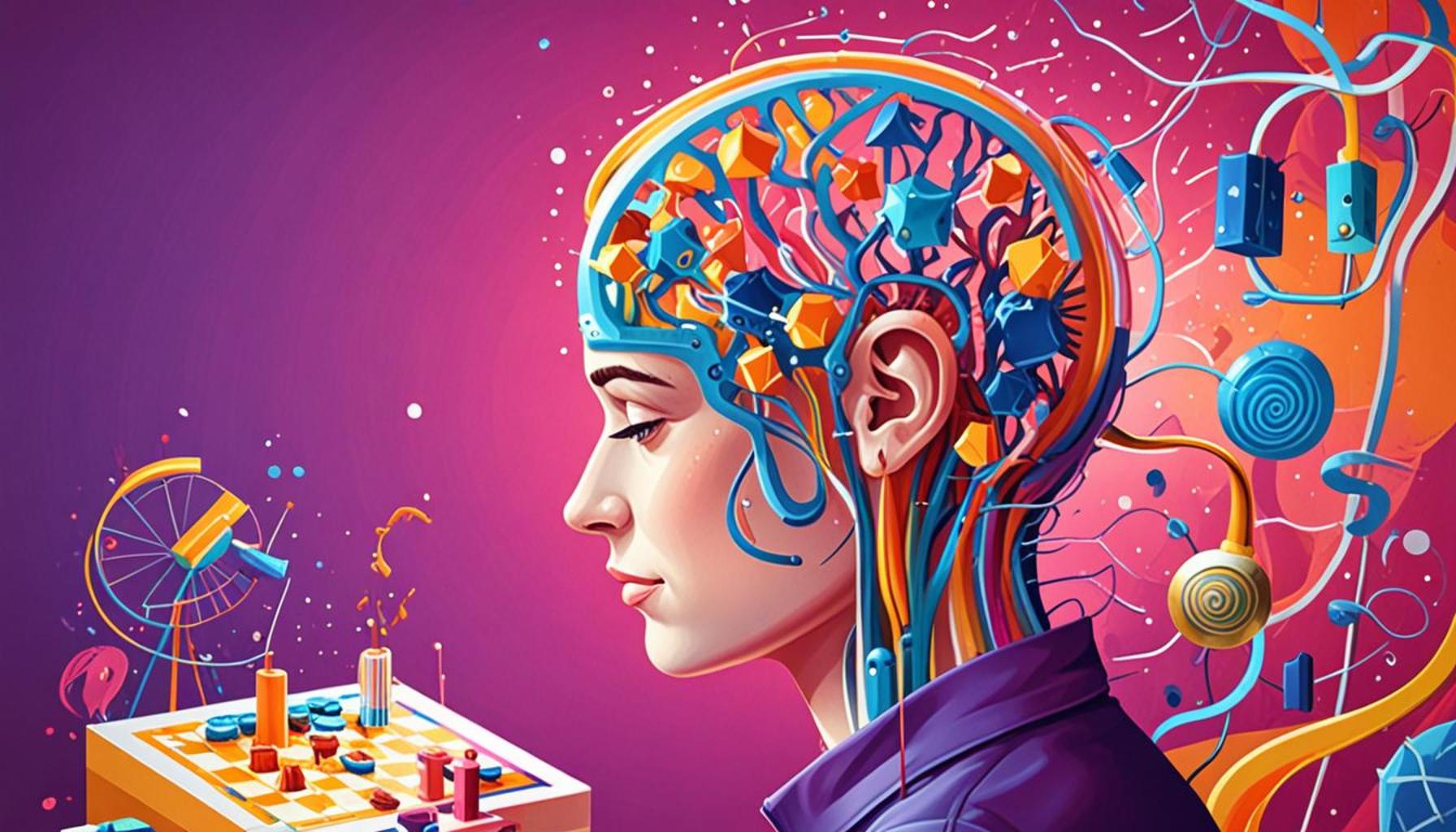
The Impact of Technology on Modern Cognitive Exercise Techniques
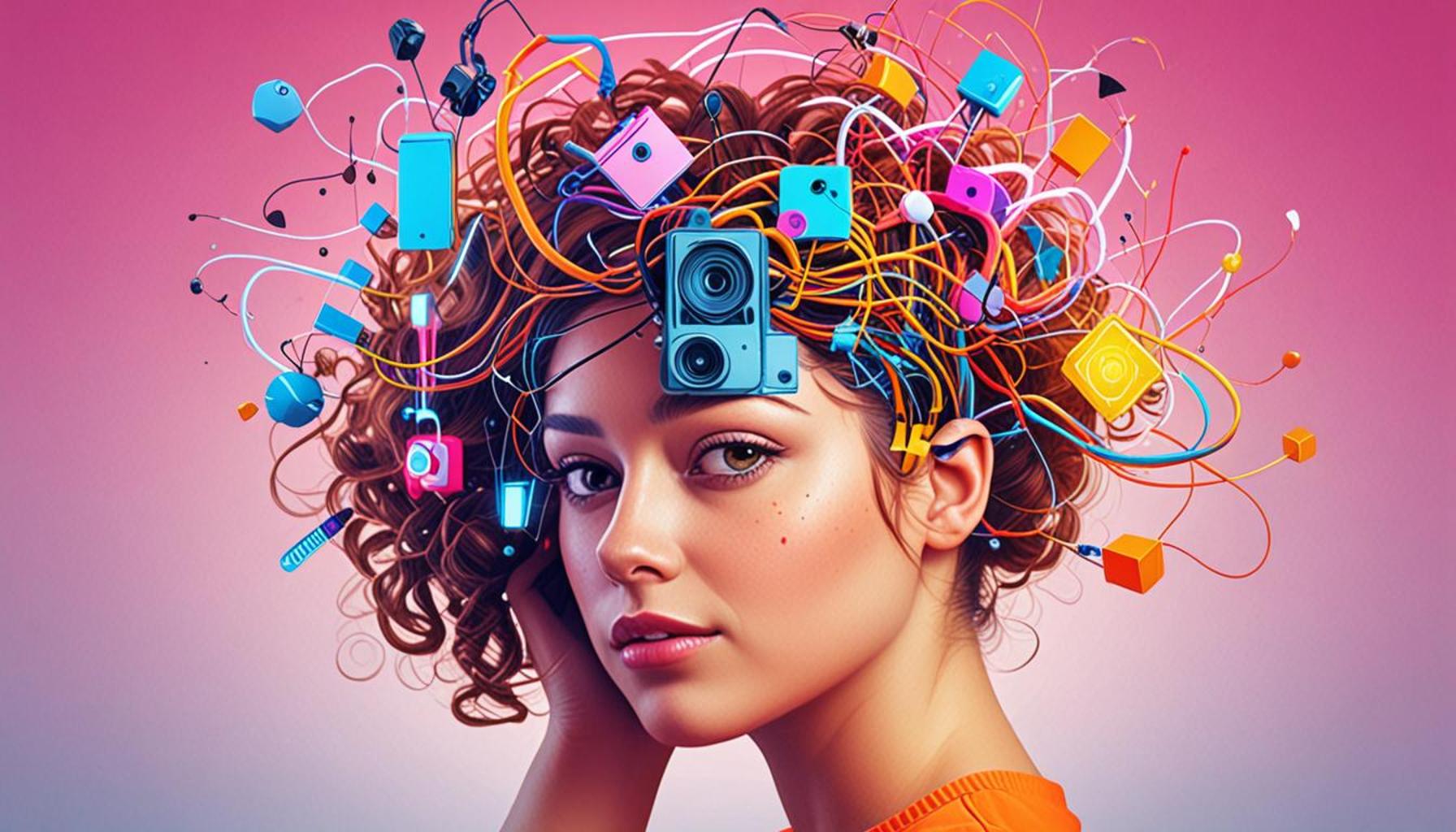
The Role of Technology in Cognitive Enhancement
As technology steadily progresses, its impact on cognitive exercise techniques has become increasingly remarkable. We are witnessing a transformation in how we approach mental agility and memory retention, with tools that were once confined to the realm of science fiction now becoming everyday reality. This evolution not only serves to challenge our cognitive faculties but also redefines the pathways through which we learn and develop mental acuity.
Consider the widespread use of mobile applications as a case in point. Brain-training applications such as Lumosity and Peak provide users with personalized daily exercises tailored to target specific cognitive skills, including memory, attention, and problem-solving. These apps often include a variety of games that adapt to users’ skill levels, ensuring that each session remains both challenging and appealing. Research indicates that regular engagement with such platforms may lead to improved brain function over time, making them a popular choice for individuals seeking cognitive improvement.
Moreover, the rise of virtual reality (VR) has unlocked immersive environments that challenge users’ decision-making and problem-solving abilities in unprecedented ways. Through simulation of real-world scenarios, users can practice critical thinking and spatial awareness in a deeply engaging manner. For instance, VR scenarios like virtual escape rooms have gained popularity, requiring participants to utilize teamwork and cognitive skills to solve puzzles in a limited timeframe, thereby boosting their mental dexterity.
In addition to apps and VR, wearable devices have emerged as innovative tools that monitor cognitive performance and deliver real-time feedback. These gadgets, which may resemble fitness trackers, offer insights into brain activity and suggest exercises aimed at improving performance. For example, some devices can assess attention spans while users engage in tasks, helping them identify areas of struggle that may need focused improvement.
Personalization Through Technology
The integration of technology in cognitive training has made personalization a cornerstone of effective learning. Through data analytics, sophisticated algorithms can track users’ progress over time and adapt challenges accordingly, ensuring that individuals are neither bored with overly simple tasks nor overwhelmed by insurmountable challenges. This adaptive learning approach has been shown to result in more sustained engagement and significant cognitive gains.

Furthermore, the concept of gamification has revolutionized cognitive training by incorporating game-like elements such as points, rewards, and leaderboards to motivate users. This not only enhances enjoyment but also promotes consistent practice, fostering an environment where users are likely to return regularly for cognitive exercise. An example is the Elevate app, which uses gamified learning to encourage users to improve skills like writing, reading, and math through daily challenges.
Importantly, technology also enhances the accessibility of cognitive training. Users from diverse backgrounds and varying ages can engage in stimulating cognitive activities at their convenience. This democratization of cognitive development resources ensures that everyone, whether a student, elder, or busy professional, can access tools that enhance their mental capabilities.
As we embrace these cutting-edge technological advancements in cognitive training, we must also consider their broader implications. Will these innovations serve merely as tools, or could they fundamentally reshape how we think and learn? The balance between traditional methods and modern technology presents an exciting landscape for further exploration and discovery, inviting us to reflect on the future of human cognition itself.
CHECK OUT: Click here to explore more
Transforming Learning Environments
The convergence of technology and cognitive exercise techniques has redefined the landscape of learning and mental development. Modern tools are transforming traditional educational approaches, paving the way for a more dynamic and engaging experience. The accessibility and versatility of these technological advancements are crucial, as they provide tailored experiences that cater to the diverse needs of learners across various stages of life.
One notable aspect of this transformation is the emergence of online cognitive training platforms, which have expanded the reach of cognitive exercises beyond physical boundaries. Platforms like BrainHQ and CogniFit offer users an extensive library of cognitive training exercises that challenge various mental faculties, including memory, language, and executive function. With these platforms, individuals can practice at their own pace, enhancing skills whenever and wherever suits them best.
Moreover, the incorporation of artificial intelligence (AI) is revolutionizing cognitive training by enabling a more intuitive and responsive user experience. AI-driven programs analyze user inputs and performance metrics to create a customized training regimen. For instance, tools powered by AI can predict when a user might struggle with a task based on historical data, allowing for proactive intervention – whether that means simplifying a challenge or suggesting specific exercises targeted towards skill improvement. This level of personalization not only keeps the user engaged but also maximizes cognitive growth.
Interactive Learning and Engagement
Technology has also facilitated a shift towards interactive learning, where users actively participate in their cognitive training rather than passively consuming information. This engagement is proven to enhance learning outcomes, as it fosters a deeper connection with the material. For example, platforms that utilize interactive quizzes, video lessons, and live feedback can increase retention rates significantly.
The power of social learning is another innovative facet brought about by technological advancements. Many cognitive training apps now incorporate social elements, allowing users to connect with friends or peers for motivation and friendly competition. This communal approach to training is particularly effective, as it leverages social interaction to encourage users to maintain their cognitive practice. Some users may find motivation in competing for the highest scores or completing daily challenges with others, thereby fostering an environment of accountability and mutual encouragement.
- Enhanced Accessibility: Technology bridges the gap for individuals with disabilities, providing tools designed to suit diverse learning needs.
- Real-Time Feedback: Users receive instantaneous feedback, allowing for immediate adjustments to their cognitive training efforts.
- Variegated Learning Formats: Users can choose from a range of formats, including videos, podcasts, and interactive exercises, catering to their personal preferences.
As we navigate through this technological evolution, it is evident that the integration of cognitive exercise techniques with modern technology is not merely a trend but a foundational shift in education and mental training. These advancements uphold the potential to create a more engaging, accessible, and effective cognitive training landscape, fostering the development of sharper, more agile minds in today’s fast-paced world.
| Cognitive Technology | Enhancements |
|---|---|
| Brain-Training Apps | Instant access to a variety of cognitive exercises that adapt to the user’s skill level, enhancing engagement and performance. |
| Virtual Reality Solutions | Immersive environments that simulate real-life scenarios to challenge cognitive skills like problem-solving and memory. |
| Wearable Technology | Track cognitive performance through data collection, providing insights into user behavior and progress. |
| Online Cognitive Competitions | Social engagement and a competitive edge promote regular cognitive practice, boosting creativity and analytical skills. |
As the landscape of cognitive exercise continues to evolve, technology plays a pivotal role in enhancing the way we engage with our mental faculties. From gamified learning experiences provided by brain-training apps to the exciting prospects presented by virtual reality, technology not only makes cognitive exercises more accessible but also significantly more effective.Take, for example, the rise of online cognitive competitions; these platforms are designed not only for individual self-improvement but also for fostering community connections among users, thus fueling motivation and commitment. Furthermore, advancements in wearable technologies pave the way for measurable progress, offering tailored experiences that cater to individual strengths and weaknesses.The integration of technology into cognitive exercise techniques poses a multitude of benefits not previously available, making the pursuit of mental agility both an engaging and rewarding endeavor. As research continues to unveil the advantages of these innovations, individuals are encouraged to explore the various tools and methodologies that technology has brought to the table.
SEE ALSO: Click here to read another article
The Role of Gamification in Cognitive Training
Another significant advancement in cognitive exercise techniques driven by technology is the concept of gamification. This approach utilizes game-like elements to create engaging and motivating cognitive training experiences. By incorporating elements such as scoring, challenges, and rewards, gamified cognitive training applications attract users and make the process of mental exercise more enjoyable. For example, apps like Elevate and Lumosity gamify memory and problem-solving exercises, offering users a playful environment that transforms what can sometimes be a tedious task into a fun challenge.
Research indicates that gamification not only improves user engagement but also enhances learning outcomes. A study conducted by the American Psychological Association revealed that individuals who used gamified cognitive exercises showed a 15% higher retention rate compared to those using traditional cognitive training methods. This underscores the potential of gamification to drive cognitive growth and maintain user interest over time.
Mobile Technology and Continuous Cognitive Development
The advent of mobile technology has also contributed significantly to modern cognitive exercise techniques, allowing users to access cognitive training whenever and wherever they choose. With the proliferation of smartphones and tablets, cognitive training apps are now designed with user convenience in mind, enabling brief, effective sessions that fit into busy lifestyles. Users can engage in mental exercises during their daily commutes or even during short breaks at work.
Additionally, mobile technology supports the integration of cutting-edge features such as augmented reality (AR) and virtual reality (VR)
Big data analytics has emerged as a game-changer in the realm of cognitive training by providing insights that allow for ongoing evaluation and enhancement of cognitive methods. Cognitive training platforms now leverage user performance data to track progress and adjust difficulty levels over time. This not only helps users understand their strengths and weaknesses but also propels the development of more effective cognitive exercises based on real-time feedback. Furthermore, comprehensive data analytics can provide insights into broader trends in cognitive performance across demographic groups, potentially guiding the development of age-specific cognitive training programs. For example, targeted interventions for seniors experiencing cognitive decline can be tailored based on aggregated data, addressing specific needs through advanced analytics. As technology continues to evolve, its influence on cognitive exercise techniques remains profound, further optimizing learning, engagement, and personal growth in cognitive domains. The cultivation of sharper mental skills through these innovative approaches not only improves individual capabilities but also has broader implications for learning environments and mental health across society. SEE ALSO: Click here to read another article In the rapidly evolving landscape of cognitive training, technology is serving as a pivotal force that reshapes how we engage with mental exercises. Through innovative tools such as gamified applications, mobile technology, and advanced data analytics, users are experiencing a renewed sense of motivation and personalization in cognitive development. These technological advancements not only enhance engagement but also facilitate deeper learning, as evidenced by increased retention rates attributed to gamified approaches. Moreover, mobile applications enable cognitive training to be woven seamlessly into daily routines, allowing individuals to prioritize mental fitness alongside their busy lives. With the integration of augmented reality (AR) and virtual reality (VR), users can immerse themselves in interactive experiences that foster critical thinking and problem-solving in immersive environments. As cognitive performance analytics become sophisticated, they empower users to chart their progress and tailor exercises to reflect personal strengths and weaknesses. Ultimately, the journey of cognitive enhancement is becoming more dynamic and accessible thanks to technology. However, it invites critical consideration of its implications; as society embraces these modern techniques, understanding their impact on mental health and learning outcomes becomes paramount. As we forge ahead, the confluence of technology and cognitive training will undoubtedly pave the way for innovative solutions that champion both individual growth and collective consciousness. The potential for discovery in this field is vast, beckoning researchers, developers, and users alike to explore new frontiers in cognitive exercise techniques.Data Analytics and Cognitive Assessment
Conclusion