
Logical Puzzles: How Solving Challenges Stimulates the Strategic Mind

In today’s fast-paced world, where distractions are just a click away, finding effective ways to enhance cognitive function is paramount. Engaging with logical puzzles serves as a compelling solution to not just pass the time but to actively develop critical mental skills. Whether you’re solving a Sudoku, deciphering a brainteaser, or navigating a complex riddle, these challenges can unlock pathways to improved cognitive functioning and greater mental clarity.
The benefits of engaging with logical puzzles are multifaceted and far-reaching. Let’s delve deeper into some of the key advantages:
- Improved Problem-Solving Skills: Tackling logical puzzles compels you to analyze different scenarios and devise creative solutions. This process parallels real-life situations where you must consider alternative approaches and weigh potential outcomes, thereby cultivating an adaptive thought process.
- Enhanced Memory: Regularly working on these puzzles stimulates your brain and has been shown to boost both retention and recall. For example, studies suggest that individuals who frequently engage in cognitive exercises can retain information with greater accuracy and remember details longer than those who do not challenge their minds.
- Increased Focus: The act of solving puzzles requires a high level of concentration, which helps sharpen your attention span. This improved focus can carry over into other aspects of life, whether you’re studying for exams or trying to complete work tasks efficiently.
Accomplished individuals across various fields have recognized the value of incorporating logical puzzles into their routines. Many CEOs, entrepreneurs, and scholars allocate time in their schedules for these mental exercises, viewing them as essential to maintaining sharp decision-making abilities. For instance, a survey conducted by a renowned business publication revealed that over 70% of successful business leaders engage in daily puzzle-solving, underscoring its significance in their strategic mindset.
Additionally, numerous studies highlight how engaging with such activities correlates with improved decision-making skills. The cognitive flexibility gained from navigating puzzles may help in assessing risks, predicting outcomes, and ultimately choosing the best paths forward in both personal and professional contexts.
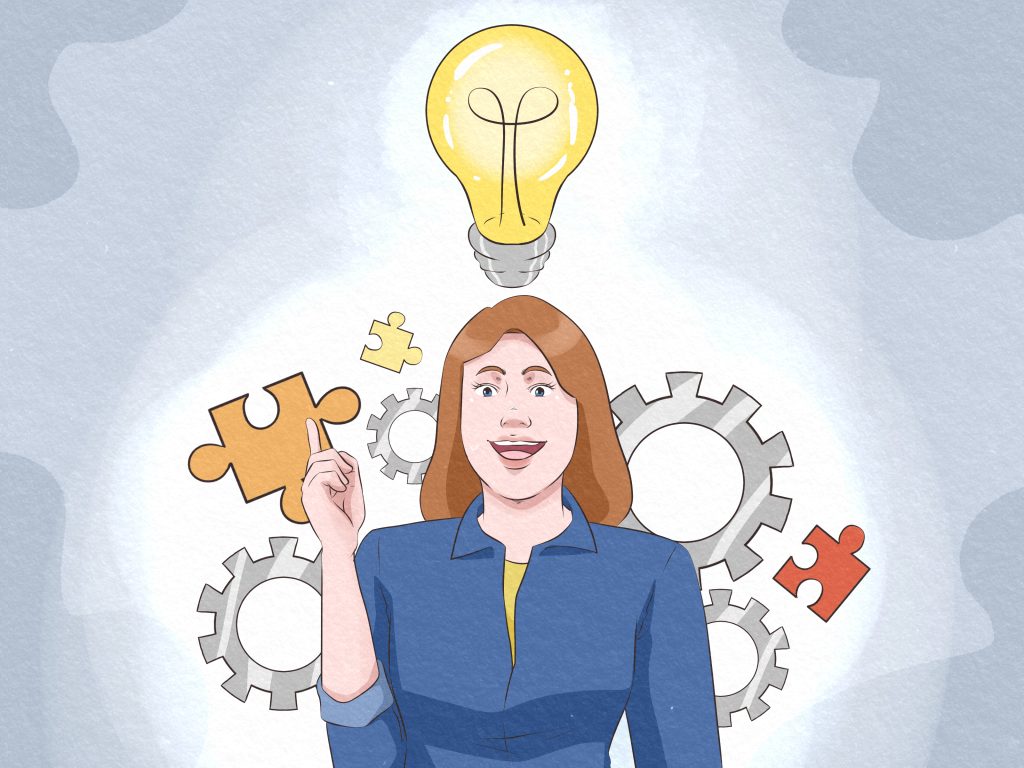
Thanks to the internet, a rich variety of online platforms provide access to a plethora of puzzles that cater to all skill levels. Websites and apps now offer daily challenges, tutorials, and even community competitions, making it easier than ever to join a vibrant community of puzzle enthusiasts.
In conclusion, diving into the world of logical puzzles not only serves as entertainment but also lays a strong foundation for innovative thinking and problem-solving in both personal and professional spheres. As more individuals embrace this engaging pursuit, the potential for cognitive enhancement becomes increasingly evident. So why not pick up a puzzle today and start unlocking the vast potential of your mind?
DISCOVER MORE: Click here to dive deeper
Unlocking Cognitive Potential Through Puzzle Solving
The intricate world of logical puzzles offers far more than mere amusement; it serves as a gymnasium for our brains, enhancing various cognitive functions that are essential in everyday life. When individuals immerse themselves in stringent logical challenges, such as crosswords, logic grids, and logic-based games, they embark on a journey that hones their reasoning abilities and fortifies their strategic thinking.
One of the most compelling advantages of engaging in logical puzzles is the development of critical thinking skills. Each puzzle challenges the solver to identify patterns, make connections, and evaluate information from multiple perspectives. For instance, when faced with a Sudoku puzzle, one must not only fill in numbers but also employ deductive reasoning to eliminate possibilities and ultimately arrive at the correct solution. This habit of analyzing various angles is transferrable to more complicated scenarios in work environments, where multifaceted problems demand strategic foresight and adaptability.
Correlation Between Puzzles and Enhanced Decision-Making
Research underscores a strong correlation between regular engagement with logical puzzles and heightened decision-making capabilities. According to a study published in the journal “Psychological Science,” individuals who routinely solve puzzles have been shown to exhibit improved risk assessment skills. This improvement stems from enhanced cognitive flexibility, which allows puzzle solvers to adapt their strategies based on changing circumstances, much like navigating a challenging business deal or a personal conflict.
Furthermore, logical puzzles encourage users to consider the consequences of their decisions, urging them to weigh various outcomes before arriving at a solution. This mental exercise mirrors numerous real-life situations, empowering individuals to make informed choices. A practical example can be seen in the realm of financial decision-making. Investors who use strategic thinking patterns honed through puzzle-solving may be better equipped to analyze market trends and make choices that yield favorable returns.
The Rise of Puzzle Platforms
The accessibility of digital puzzle platforms has revolutionized how individuals incorporate logical challenges into their daily routines. With the click of a button, users can access a myriad of puzzles varying in difficulty, providing ample opportunities to stimulate their minds. Apps like “Elevate,” “Peak,” and “Brilliant” offer tailored challenges that keep users engaged while promoting cognitive skills, allowing them to practice every day at their convenience.
In addition to accessibility, these platforms foster a sense of community among puzzle enthusiasts. Many websites host forums and competitions where users can share strategies, insights, and celebrate their achievements. This connectivity not only enriches the puzzle-solving experience but also supports the cultivation of social bonds, which are equally essential for overall cognitive health.
As we continue to explore the ramifications of engaging with logical puzzles, it becomes clear that these activities wield significant influence over our cognitive development and strategic thinking skills. The relationship between puzzle-solving and improved mental capabilities invites further investigation, inspiring many to unlock their full potential through the intriguing world of logical challenges.
| Advantage | Benefits to Strategic Thinking |
|---|---|
| Enhanced Problem-Solving Skills | Logical puzzles require critical thinking, pushing individuals to evaluate multiple strategies and select the most effective one. |
| Improved Cognitive Flexibility | Engaging with various logical puzzles allows the brain to adapt quickly to new situations, an essential trait in strategic environments. |
| Increased Patience and Focus | Solving complex challenges demands concentration, equipping individuals to handle tasks requiring sustained effort and attention. |
| Enhanced Memory Retention | Regularly engaging in puzzles strengthens connections in the brain, improving overall memory and recall ability, which are crucial for strategizing. |
Understanding the myriad advantages of logical puzzles provides insight into their significance for cognitive development. The skills honed through these puzzles are invaluable for anyone aiming to cultivate a sharp, strategic mind. Exploring how these advantages can be systematically incorporated into daily routines could yield profound benefits in both personal and professional realms. Engaging with logical puzzles not only stimulates the brain but also fosters a disciplined approach to problem-solving, paving the way for successful decision-making in complex scenarios. Readers are encouraged to uncover more about how to strategically employ these puzzles in their daily lives to maximize their cognitive potential.
DISCOVER MORE: Click here to dive deeper
The Impact of Puzzle Solving on Memory and Information Retention
Engaging in logical puzzles not only sharpens one’s problem-solving acumen but also plays a pivotal role in enhancing memory and information retention. As individuals tackle various puzzle types, such as riddles, brain teasers, and escape room challenges, they are compelled to employ active recall, an essential technique for effective learning. This method involves retrieving information from memory to solve puzzles, ultimately fortifying the memory pathways.
A study published in “Cognitive Psychology” reveals that activities requiring active engagement, like puzzle solving, significantly improve long-term memory performance. When individuals devise strategies to remember clues or figure out intricate patterns in puzzles, they are essentially training their brains to retain information better. Much like the effort required to memorize key business metrics or client details in a professional context, the memory skills adapted through puzzles directly translate to enhanced capabilities in the workplace.
Promoting Perseverance and Adaptive Thinking
Logical puzzles also contribute to the development of perseverance and adaptive thinking. The process of solving puzzles often involves trial and error, demanding that solvers embrace failure and learn from their mistakes. According to a survey conducted by the American Psychological Association, individuals who regularly engage in logical problem-solving exhibit higher levels of resilience. This trait is crucial in both personal and professional realms, as it fosters an individual’s ability to navigate setbacks and find alternative solutions to challenges.
Adaptive thinking is crucial when unexpected changes arise, such as during a shift in market conditions or team dynamics. Puzzles encourage individuals to remain flexible, adjusting their thought processes to accommodate new information and evolving challenges. For instance, a project manager faced with unforeseen obstacles can leverage the adaptive thinking nurtured through puzzle-solving to devise innovative solutions rather than becoming overwhelmed by the circumstances.
The Therapeutic Benefits of Puzzle Solving
Besides cognitive advantages, engaging in logical puzzles can also provide significant therapeutic benefits. With rising levels of stress and anxiety in modern life, many individuals are turning to puzzles as a calming escape. Research conducted at the University of North Florida suggests that dedicating just 20-30 minutes a day to puzzle-solving activities can effectively reduce stress levels, promoting a sense of accomplishment and satisfaction.
This therapeutic aspect of puzzles can be particularly helpful in high-pressure careers, such as healthcare or finance, where practitioners often encounter relentless stressors. Engaging in logical puzzles during breaks can serve as a mental reset, allowing professionals to rejuvenate their minds and enhance focus upon returning to high-stakes tasks.
Encouraging Lifelong Learning and Collaboration
Puzzle solving inherently promotes a culture of lifelong learning and collaboration. With the vast array of puzzles available today, including those tailored to specific interests or professions, individuals continually discover avenues for cognitive growth. Team-based puzzles also promote collaboration, as group participation encourages communication and diverse thinking approaches. This collaboration mirrors workplace dynamics, where different perspectives can yield innovative solutions.
Logical puzzles are more than recreational activities; they represent a powerful tool in cultivating and enhancing cognitive functions in diverse areas. As individuals embrace the challenges presented by puzzles, they embark on a journey of self-discovery, as they unravel their potential for strategic thinking and lifelong learning in both personal and professional realms.
DIVE DEEPER: Click here to uncover the mysteries of problem-solving
Conclusion: The Multifaceted Benefits of Logical Puzzles
In summary, engaging with logical puzzles is a transformative practice that pushes the boundaries of our cognitive capabilities. Through the rigorous exercise of solving puzzles, individuals not only enhance their memory and information retention but also cultivate essential skills in perseverance and adaptive thinking. These cognitive and emotional benefits prove invaluable, particularly in high-stress work environments that demand resilience and creative problem-solving.
The therapeutic advantages of such activities offer an additional layer of appeal, providing a necessary escape and a productive means of stress relief. As individuals dedicate time to tackle these challenges, they foster a sense of accomplishment that can directly improve their overall mental well-being. Furthermore, the collaborative aspect of puzzle-solving nurtures a culture of communication and teamwork, essential in today’s diverse professional landscapes.
Ultimately, logical puzzles emerge as more than mere entertainment; they serve as vital tools for personal development and cognitive growth. As we navigate an increasingly complex world, embracing the challenge of puzzles can lead to profound insights and strategic advantages. Thus, instilling puzzle-solving into daily routines can open doors not only to improved mental acuity but a reinvigorated approach to lifelong learning and association. Why not start today? Dive into the world of puzzles and discover your untapped strategic mind.
Related posts:
Logic Puzzles: The Intersection Between Creativity and Strategic Thinking
Unraveling Sudoku: Mental Strategies to Enhance Cognitive Agility
Modern Board Games: Learning Strategic Thinking through Collective Experiences
Escape Rooms: How Group Challenges Foster Strategic Thinking and Collaboration
Strategic Reasoning in Simulation Games: Learning from Virtual Scenarios
The Impact of Real-Time Strategy Games on Rapid Decision Making

Linda Carter is a writer and puzzle expert specializing in mind games, brain teasers, and cognitive challenges. With extensive experience helping individuals enhance their problem-solving skills and think critically, Linda shares her knowledge on our platform. Her goal is to empower readers with practical advice, engaging puzzles, and strategies to sharpen their minds and achieve success in the captivating world of mind games and puzzles.