Creating a Functional Home Office: Space Optimization Strategies for Remote Workers
Transform Your Workspace
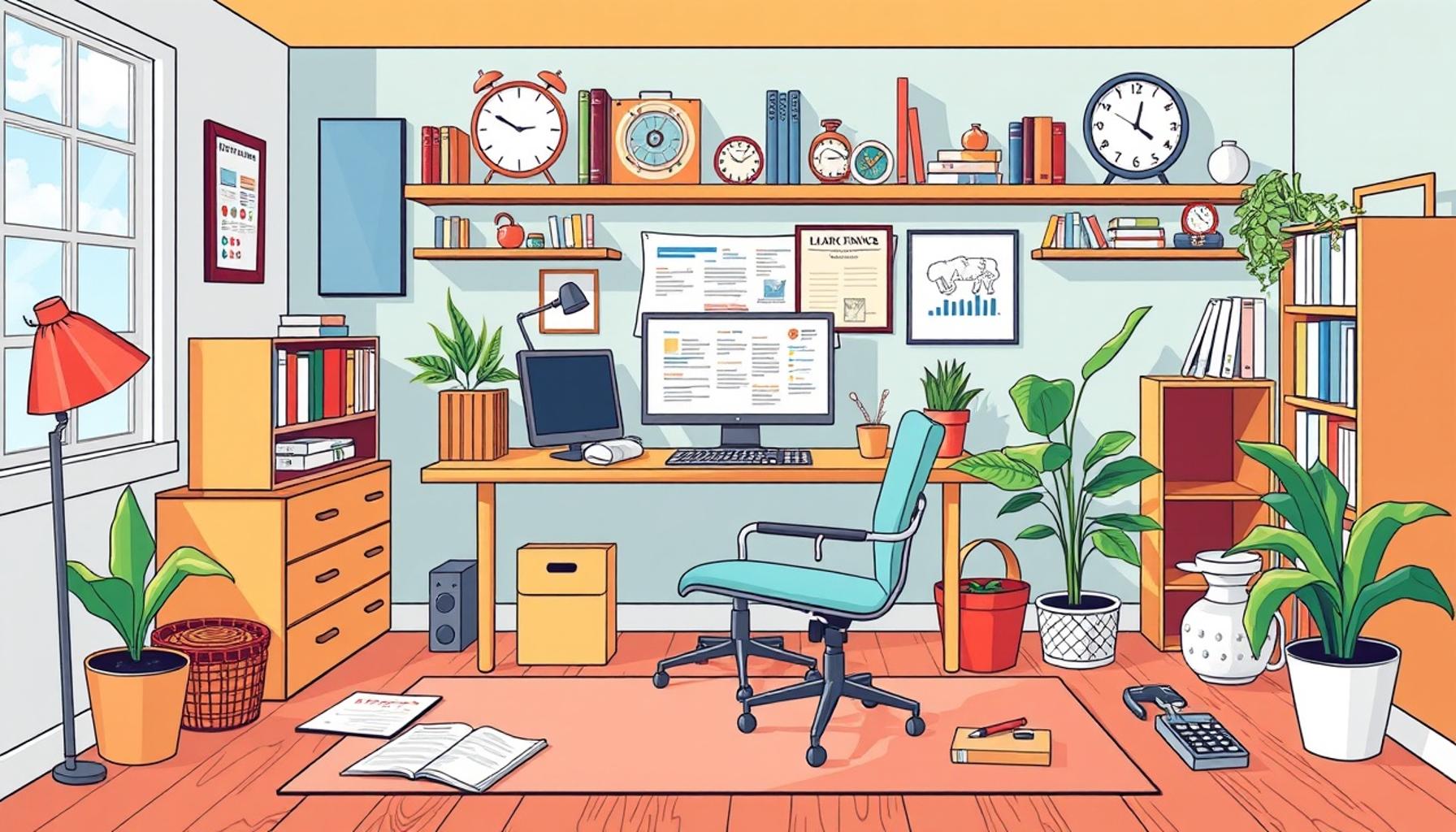
As more professionals embrace remote work, the need for a functional home office has become increasingly vital. An optimized workspace not only enhances productivity but also promotes well-being. Effective space optimization strategies can make all the difference in your home office setup.
Understanding the Importance
Creating a space that fosters focus is crucial for remote workers. With distractions at home constantly vying for your attention, a well-designed workspace can help minimize interruptions and promote concentration. Consider these essential features:
- Ergonomic furniture to support long hours of sitting. Investing in an ergonomic chair that offers lumbar support and a desk that allows for both sitting and standing can significantly reduce discomfort and fatigue. For instance, a sit-stand desk can encourage movement throughout the day, which is beneficial for your posture and overall health.
- A designated working zone to separate work from personal life. Dedicate a specific area of your home solely for work. This can be a spare room or simply a corner of your living room, but having clear boundaries will help you transition into ‘work mode’ more effectively and protect your personal time.
- Ample storage solutions to minimize clutter. Utilize shelves, cabinets, and organizers to keep your workspace tidy. A clutter-free environment reduces stress and enhances your ability to focus. For example, using color-coded file folders can not only keep your documents organized but also add an aesthetic element to your space.
Maximize Your Space
Regardless of your home size, efficient organization can enhance your workspace. Here are practical strategies to consider:
- Utilize vertical storage options to free up floor space. Wall-mounted shelves and pegboards can hold supplies and decorative elements without taking up valuable surface area. This is particularly beneficial in apartments or smaller homes where space is at a premium.
- Incorporate multi-functional furniture for versatility. A desk that doubles as a bookshelf can provide necessary functionality while conserving space. Items like a coffee table that opens up to reveal extra storage can also be a stylish solution.
- Leverage natural light to create a more inviting environment. Position your desk near a window if possible, as natural light can enhance mood and energy levels. Studies have shown that exposure to daylight helps improve productivity and reduces eye strain.
Delving into these strategies will not only improve your productivity but also help you feel more comfortable and inspired in your home office. By implementing even a few of these essential tips, you can transform your workspace into a hub of creativity and efficiency. Explore how each aspect can work for you and enhance your work-from-home experience, leading to greater satisfaction and success in your professional endeavors.
Designing Your Ideal Workspace
The foundation of a successful home office begins with thoughtful design that caters to your specific needs. The characteristics of an effective workspace extend beyond mere aesthetics; they encompass functionality, comfort, and organization. To create an ideal remote working environment, consider these strategic elements:
- Personalized Layout to enhance workflow. Arrange your desk and equipment in a way that fosters efficiency. Position your computer monitor at eye level to prevent strain, and ensure that frequently used items are easily accessible. Taking time to experiment with various layouts can lead to discovering a setup that maximizes productivity.
- Inspiring Decor to spark creativity. Surround yourself with elements that encourage a positive mindset, such as artwork, plants, or motivational quotes. Research shows that visually stimulating environments can stimulate creativity and improve overall job satisfaction. Integrating personal photographs can also create a sense of belonging and comfort.
- Sound Management to maintain focus. Noise can be a significant distraction, particularly in a home setting. Invest in noise-canceling headphones or consider sound-absorbing materials, like area rugs and upholstered furniture, to reduce ambient noise. Additionally, playing soft background music or white noise can help create a more tranquil work environment.
Creating a Productive Atmosphere
Beyond structural considerations, it’s essential to cultivate an atmosphere conducive to productivity. This atmosphere can be shaped by various factors, including lighting, color schemes, and scent. Here are some strategies to consider:
- Lighting Techniques that promote alertness. The lighting in your home office can greatly affect your energy levels. Aim for a combination of natural and artificial light; consider using adjustable desk lamps that emit warm light for late evenings. Additionally, incorporating task lighting can help illuminate specific areas without causing glare on your screen.
- Color Psychology to influence your mood. The colors of your office can impact your mental state. Blues and greens tend to promote calmness and focus, while yellows inspire creativity and optimism. A simple coat of paint or strategically placed accents can raise energy levels and cultivate a more dynamic work environment.
- Aromatherapy to stimulate the senses. Incorporating subtle scents in your workspace can help enhance your concentration and creativity. Essential oils like peppermint and lemon are known to promote a stimulating atmosphere, while lavender can offer a calming effect. A diffuser or a few scented candles can introduce these essential fragrances without overwhelming the senses.
By understanding the core components that contribute to an efficient workspace, you can take actionable steps toward personalizing your home office. Whether you’re optimizing your layout or enhancing your environment, these strategies will help you carve out a productive sanctuary within your home. Prioritizing these aspects will not only set the stage for increased productivity but also forge a pleasurable work experience that aligns with your personal style and needs.
Creating a Functional Home Office: Space Optimization Strategies for Remote Workers
As more professionals transition to remote work, the importance of creating a functional home office has never been more pronounced. Effective space optimization is key to enhancing productivity and ensuring a comfortable work environment. Here are some strategies that can enhance your home workspace:
Multi-functional Furniture
Investing in multi-functional furniture can maximize your space. For example, consider a desk with built-in storage. This not only frees up floor space but also keeps essential materials within reach. Wall-mounted shelves are another excellent option for storing items without sacrificing valuable desk space.
Ergonomics Matter
Don’t overlook the importance of ergonomics in your home office. A well-placed chair and desk that accommodate your body can dramatically affect your comfort and productivity. An ergonomic chair, for instance, supports good posture and reduces fatigue during long work hours.
Designate Specific Zones
Defining specific work zones can propel focus and efficiency. Create separate areas for different tasks such as a quiet reading nook for planning or brainstorming, and a dedicated area for meetings or video calls. This physical distinction can help separate work from leisure, ultimately leading to a better work-life balance.
Natural Lighting
Utilizing natural light can enhance mood and productivity. Position your desk near a window to take advantage of daylight while minimizing glare on screens. If natural light is limited, consider investing in quality LED lights that mimic daylight.
Explore Our Table on Advantages of a Functional Home Office
| Category | Benefits |
|---|---|
| Space Efficiency | Maximizes use of available resources, keeps the office organized |
| Enhanced Productivity | Promotes focus and minimizes distractions, improving work output |
By implementing these strategies and understanding the benefits they offer, you can create a home office that is not only functional but also inspiring. Embrace these adjustments and watch how they transform your remote work experience.
Effective Storage Solutions
One of the most frequently overlooked aspects of a functional home office is adequate storage. As remote work becomes increasingly prevalent, the need to maintain organization while maximizing space has never been more critical. Effective storage solutions not only keep your work area tidy but also contribute to a streamlined workflow. Here are some innovative storage ideas:
- Vertical Space Utilization to expand storage potential. When floor space is at a premium, look up! Installing shelves on walls allows you to store books, documents, and supplies while keeping your desk area clear. Floating shelves or wall-mounted cabinets are excellent options for creating storage without sacrificing valuable floor space.
- Multi-Functional Furniture for dual-purpose utility. Consider furniture that serves more than one function, such as desks with built-in drawers or ottomans that open for storage. These versatile pieces can keep your office clutter-free while providing essential items at your fingertips.
- Organizational Tools to enhance efficiency. Use drawer organizers, binder systems, or filing cabinets to categorize documents and office supplies. Investing in items such as cable management boxes can tidy up electronic cords, minimizing distractions and creating a more visually appealing space.
Defining Boundaries in Your Home Office
Creating a functional home office is not solely about physical space—it’s also about distinguishing between work and personal time. Establishing clear boundaries can boost productivity and ensure that you maintain a healthy work-life balance. Here are some strategies to consider:
- Designated Work Zones to separate tasks. If space allows, divide your home office into zones dedicated to specific functions. For instance, have a reading nook for breaks, a central area for focused work, and maybe even a meeting corner for video calls. Each zone serves to mentally separate work activities, helping you stay sharp and engaged.
- Establish a Work Schedule to reinforce boundaries. Create a daily routine that includes set working hours. Communicate these hours to those around you to minimize interruptions. A consistent schedule will help signal to both yourself and your family that certain times are dedicated solely to work.
- Purge Regularly to maintain clarity. Make it a habit to review your workspace and eliminate items you no longer need. This process of decluttering can serve as a refreshing reset, allowing you to hone in on your work objectives without the distraction of unnecessary items.
Embracing Technology for Efficiency
In today’s digital age, remote work is increasingly intertwined with technology, making it an essential component of a well-functioning home office. Leveraging technology can significantly enhance your productivity and streamline your operations:
- Smart Office Devices to enhance ergonomics. Invest in adjustable standing desks or ergonomic chairs that promote healthy posture. Devices such as monitor risers and keyboard trays also optimize your workstation for comfort, aiding in sustaining long work hours.
- Productivity Apps to keep you organized. Utilize tools like project management software to maintain focus and track deadlines. Applications such as Trello, Asana, or Todoist can manage tasks and remind you of important commitments effectively.
- Virtual Collaboration Tools to connect with teams. Use platforms like Zoom or Microsoft Teams for video conferencing, and Google Drive or Dropbox for cloud storage and real-time collaboration. These tools foster seamless communication and project management with colleagues from anywhere.
By incorporating effective storage solutions, defining boundaries, and embracing technology, remote workers can create a home office that is both functional and inspiring. Adopting these strategies not only enhances productivity, but it also cultivates an environment that embraces the unique demands of working remotely. Understanding the importance of these elements will empower you to personalize and optimize your workspace — transforming it into a haven for creativity and efficiency.
Conclusion
In conclusion, the journey to crafting a functional home office is a multifaceted endeavor that intricately weaves together space optimization, efficient organization, and clear boundaries. The shift towards remote work has underscored the need for strategic planning and thoughtful design, allowing individuals to adapt their environments to suit both productivity and personal comfort. By embracing innovative storage solutions, such as utilizing vertical space and investing in multi-functional furniture, you can create an organized space that fosters creativity while minimizing distractions.
Moreover, establishing distinct work zones and adhering to a robust work schedule are paramount in maintaining a healthy work-life balance. This separation not only boosts focus but also enriches personal well-being. Equally important is the integration of technology, as smart devices and productivity apps can significantly enhance operational efficiency and connectivity, making remote work not just feasible, but enjoyable.
As you embark on optimizing your own home office, consider the unique elements that can contribute to your productivity and well-being. Tapping into these strategies allows you to mold a workspace that not only meets your needs but also inspires you daily. The possibilities are endless, and with intentional planning, your home office can transform into a sanctuary for both focused work and creative exploration. Dive into this journey, and redefine what it means to work from home effectively.