How 3D Puzzles Challenge and Stimulate Your Brains Potential
Benefits of Engaging with 3D Puzzles
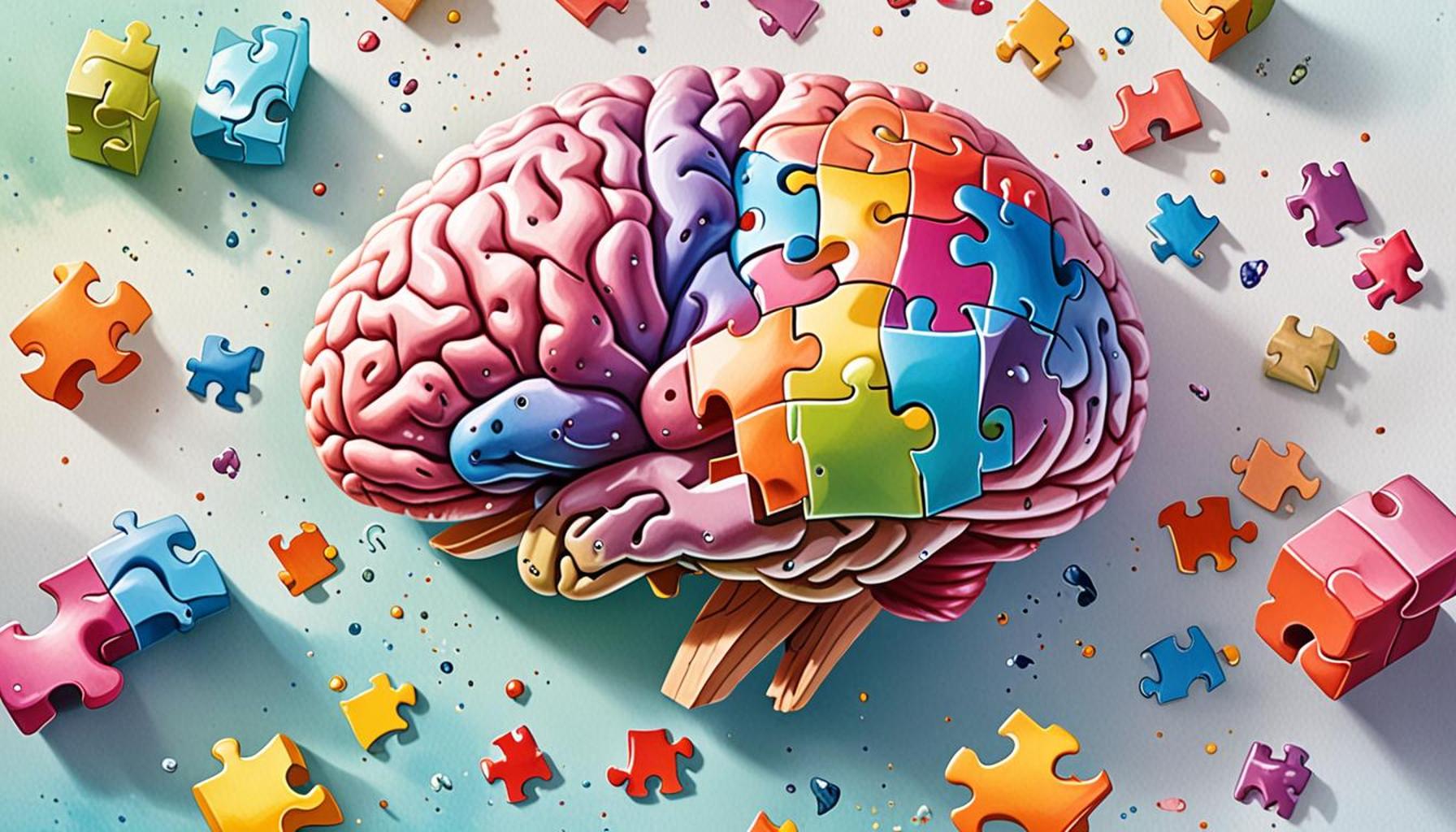
In today’s fast-paced, technology-driven environment, it is vital to allocate time for activities that not only entertain but also challenge our cognitive capabilities. Among these activities, 3D puzzles emerge as a unique blend of fun and mental engagement, offering a multifaceted approach to cognitive development. These innovative puzzles stimulate the mind by requiring a range of skills, from visual recognition to strategic planning, allowing individuals to unlock their brain’s latent potential.
Enhanced Spatial Awareness
One of the standout benefits of assembling 3D puzzles is the development of spatial awareness. When piecing together complex structures, players must visualize how different shapes fit in relation to each other in three-dimensional space. For instance, constructing a model of the Eiffel Tower or a famous architectural landmark requires an acute sense of how various components connect, improving one’s ability to navigate and understand physical space. This skill is particularly beneficial in everyday activities like navigation, driving, and even interior design.
Improved Problem-Solving Skills
As you engage with 3D puzzles, you will inevitably face challenges that prompt you to think critically and iteratively. Each puzzle presents its own set of intricacies, compelling you to devise and test multiple strategies until you find a solution. This process not only fosters problem-solving skills but also enhances cognitive flexibility, making it easier to adapt to new situations in both personal and professional realms. For example, students studying STEM subjects (science, technology, engineering, and mathematics) can particularly benefit from the logical reasoning and analytical abilities honed through puzzle-solving.
Team Collaboration
Furthermore, 3D puzzles offer a unique opportunity for team collaboration. Whether you are working alongside family during a cozy Sunday afternoon or collaborating with colleagues in a corporate team-building exercise, assembly requires communication and shared planning. This not only strengthens interpersonal relationships but also enhances social skills, fostering a sense of community and shared purpose. Many families have found that dedicating time to solve puzzles together significantly improves their bonding experience.
Research has also highlighted that engaging in complex three-dimensional tasks can play a valuable role in delaying cognitive decline among older adults. As individuals immerse themselves in assembling intricate designs, they are actively exercising their mental faculties, promoting overall cognitive health. The variety of puzzles available—ranging from fantastical creatures to intricate globes and historical landmarks—ensures there is always something to cater to different interests and skill levels.
As you delve deeper into this captivating world of 3D puzzles, you will not only discover a pathway to enhance your cognitive abilities but also enrich your leisure time with meaningful engagement. Embrace the challenges, and unlock your brain’s potential while relishing in the joy of creation. Don’t miss out on the chance to explore this stimulating avenue that blends learning with entertainment!
CHECK OUT: Click here to explore more
Unlocking Cognitive Development with 3D Puzzles
As we navigate through increasingly complex environments, our brains crave stimulation that pushes our cognitive boundaries. 3D puzzles serve as an engaging platform for mental exercise, pushing not only our problem-solving abilities but also our creativity and critical thinking. These dynamic puzzles require more than just patience and dexterity; they demand comprehensive cognitive engagement that challenges our brains to reach their full potential.
Strengthening Memory Retention
Another remarkable benefit of tackling 3D puzzles is their ability to enhance our memory retention. The act of memorizing the various pieces and their placements requires significant mental effort. As your mind actively recalls the shades, shapes, and textures that are key to piecing the puzzle together, you are training your memory. A study conducted by researchers at the University of California found that participating in spatial tasks can bolster both working memory and long-term retention, crucial elements in our daily lives from academics to professional endeavors.
Boosting Focus and Concentration
In a world filled with distractions, honing your focus and concentration is vital, and 3D puzzles provide an avenue to do just that. Each piece you place demands attention to detail, compelling you to block out external disturbances. Like a meditation practice, assembling a 3D puzzle immerses you in a singular task, enhancing your ability to concentrate. Studies have indicated that activities requiring prolonged focus can increase grey matter in the brain, which is indicative of improved cognitive function over time.
Developing Fine Motor Skills
On top of cognitive benefits, 3D puzzles promote the development of fine motor skills. The intricate manipulations required to assemble the pieces help refine hand-eye coordination and dexterity. This is especially beneficial for children, who can develop these essential skills while having fun. Engaging in such tangible activities fosters cognitive and physical development simultaneously, making 3D puzzles an ideal tool for learners of all ages.
- Cognitive Benefits: Improved problem-solving skills, enhanced memory retention, and greater spatial awareness.
- Physical Benefits: Boosted fine motor skills and hand-eye coordination.
- Social Benefits: Opportunities for teamwork and communication in group settings.
As you immerse yourself in the world of 3D puzzles, you will encounter layers of complexity that require not only mental acuity but also creativity. It is this combination of skills that not only sharpens your intellect but also provides immense satisfaction when you see the completed project before you. From classic designs to modern marvels, there is a plethora of options available to captivate your interest, regardless of skill level. By engaging with these puzzles, you are not merely passing the time; you are actively working to stimulate and enhance your brain’s potential.
| Cognitive Benefits | Engagement Aspects |
|---|---|
| Improved Problem-Solving Skills | 3D puzzles encourage analytical thinking to identify pieces. |
| Enhanced Memory Capacity | The tactile and visual nature aids in memory retention. |
| Boosted Spatial Awareness | Players develop a keen sense of spatial relationships. |
| Increased Focus and Concentration | Completing puzzles requires sustained attention and diligence. |
In the world of cognitive development, 3D puzzles stand out as a stimulating tool that not only entertains but also challenges our brain’s potential. Engaging with these intricate constructs helps develop crucial problem-solving skills, allowing individuals to apply critical thinking to successfully identify where each unique piece fits into the whole. Moreover, the enhanced memory capacity gained from piecing together complex shapes serves as an intriguing exercise for the mind—improving retention, thanks in part to the multi-sensory approach that 3D puzzles provide.Furthermore, the boost in spatial awareness is a fascinating byproduct of puzzle completion; as players arrange and rearrange pieces, they naturally become attuned to the dimensions and relationships of objects in space. Perhaps most captivating is the increase in focus and concentration that these stimulating activities foster. Each completed puzzle, therefore, not only represents an achievement but embodies a broader enhancement of cognitive functions. As anyone who has tackled a challenging 3D puzzle knows, the rewards extend far beyond mere entertainment, beckoning individuals to engage their minds in new and profound ways.
SEE ALSO: Click here to read another article
Enhancing Problem-Solving and Critical Thinking Skills
One of the most profound impacts of working with 3D puzzles lies in their ability to enhance our problem-solving and critical thinking skills. When faced with a complex puzzle, you are not just fitting pieces; you are navigating a labyrinth of spatial relationships and strategic planning. Each assembly phase presents unique challenges that require you to analyze, hypothesize, and test your assumptions about how the pieces fit together.
Encouraging Strategic Thinking
As you immerse yourself in these puzzles, you naturally adopt a strategic mindset. An effective approach to assembling a 3D puzzle often involves breaking the larger task down into manageable segments. This process fosters an understanding of sequencing and prioritization, which are vital components of strategic thinking. According to a study published in the journal Acta Psychologica, engaging regularly in problem-solving activities, such as 3D puzzles, enhances cognitive flexibility—an essential trait that allows you to approach problems from multiple angles.
Fostering Patience and Perseverance
3D puzzles also cultivate virtues like patience and perseverance, key attributes not only in puzzle-solving but in life itself. The intricate and sometimes frustrating nature of these puzzles encourages you to stick with a challenge until you succeed. In an age where instant gratification often reigns, mastering the art of patience can significantly benefit your mental resilience. People who routinely engage with such challenges are likely to develop a stronger sense of determination, enabling them to face larger challenges in life and work with greater confidence.
Social Interaction Through Team Challenges
Engaging with 3D puzzles doesn’t have to be a solitary pursuit. They can also serve as a vehicle for social interaction and teamwork. Collaborative puzzle-solving—be it with friends, family, or colleagues—fosters communication skills and nurtures a spirit of cooperation. This is particularly beneficial in educational settings, where group activities can bolster group dynamics and promote a collective problem-solving approach. It encourages participants to share their thoughts, strategies, and perspectives, leading to a richer understanding of the task at hand.
- Greater Cognitive Flexibility: Regular engagement with complex puzzles enhances your ability to adapt and think creatively.
- Improved Emotional Regulation: The challenge of working through difficulties fosters emotional resilience, teaching individuals how to manage frustration effectively.
- Enhanced Social Skills: Collaborative puzzle-solving encourages effective communication and teamwork, valuable skills in both personal and professional environments.
In addition, several studies indicate that engaging in mentally stimulating activities like 3D puzzles could lower the risk of cognitive decline in older adults. They act as a form of cognitive reserve, enabling older individuals to retain their cognitive capabilities longer. This protective effect supports the idea that stimulating the mind through activities that involve both strategic thinking and social engagement can be a critical component of maintaining cognitive health.
By embracing the challenge of 3D puzzles, individuals are not merely indulging in a pastime. They are actively training their brains to tackle complex problems, ultimately unlocking the potential that resides within their cognitive faculties. As you embark on your journey through the captivating realm of 3D puzzles, expect not just to enhance your skills but to transform the way you think and interact with the world around you.
SEE ALSO: Click here to read another article
Unlocking Your Brain’s Potential Through 3D Puzzles
In summary, engaging with 3D puzzles offers a multifaceted approach to enhancing brain function and stimulating cognitive growth. As we have explored, these intricate challenges not only promote essential problem-solving and critical thinking skills but also foster patience, perseverance, and vital social interactions. The cognitive benefits extend beyond mere entertainment; they act as vehicles for cultivating a more agile mind capable of navigating complex life challenges.
Furthermore, engaging regularly with these puzzles has been linked to increased cognitive flexibility and emotional regulation, crucial skills for personal and professional success. As our fast-paced world continues to demand adaptability, the importance of these traits cannot be overstated. For older adults, participating in mentally stimulating activities like 3D puzzles may serve as a protective measure against cognitive decline, highlighting the significance of lifelong learning and mental engagement.
As you embark on your journey with 3D puzzles, embrace the learning process that accompanies each assembly. Whether you find joy in solitary puzzling or thrive in collaborative environments, remember that each challenge is an opportunity to expand your mind’s potential. Are you ready to dive into the fascinating world of 3D puzzles and discover the transformative impact they can have on your cognitive abilities? The puzzle pieces of your brain are waiting to be placed—step forward and unlock your true potential.